
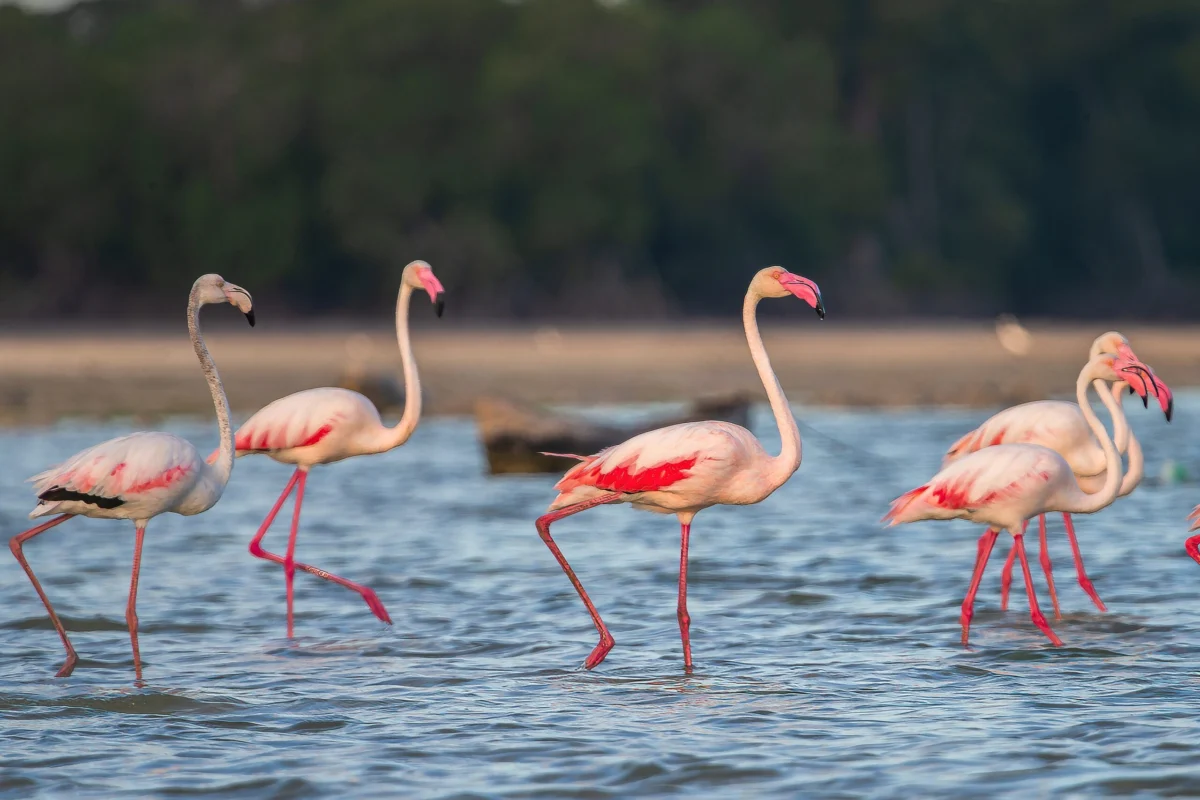
Wetlands International has officially announced its significant role as a campaign partner for the European Association of Zoos and Aquaria (EAZA)’s ambitious "Wetlands for Life Conservation Campaign," set to run from 2026 to 2027. This pivotal collaboration aims to amplify the crucial message of wetland conservation across Europe and internationally, leveraging the extensive reach of the EAZA community to raise awareness and mobilize tangible action for these vital ecosystems.
The "Wetlands for Life" campaign unites hundreds of zoos and aquariums, collectively reaching millions of visitors annually, under a unified objective: to highlight the indispensable importance of wetlands and to galvanize efforts towards their protection, restoration, and creation. This partnership signifies a powerful alliance between an established global conservation organization and a leading regional network of zoological and aquarium institutions, pooling their expertise and resources to address the escalating threats facing wetlands worldwide.
A Shared Vision: Safeguarding Wetlands for People and Planet
Founded in 1992, the European Association of Zoos and Aquaria (EAZA) stands as the world’s largest regional association of its kind. Guided by its mission, "Progressive zoos and aquariums saving species together with you," EAZA fosters collaboration among over 400 accredited member institutions spanning 47 countries. Its work encompasses critical areas such as animal population management, animal care and welfare, science-based species conservation, education, research, and advocacy. Membership in EAZA is contingent upon adherence to stringent accreditation standards, ensuring a high level of commitment and professionalism across its network.
Wetlands International, as the sole global not-for-profit organization exclusively dedicated to the conservation and restoration of wetlands, brings a wealth of international expertise and on-the-ground experience to this partnership. With a network of offices strategically located across Europe, Africa, Asia, and Latin America, Wetlands International collaborates with a diverse array of partners, including local communities, civil society organizations, businesses, and governmental bodies. Their collective efforts are focused on safeguarding these indispensable ecosystems for both biodiversity and human well-being.
Wetlands, encompassing diverse environments from peatlands and marshes to mangroves and floodplains, play an irreplaceable role in sustaining biodiversity, acting as crucial carbon sinks, mitigating disaster risks, and supporting human livelihoods. Despite their immense value, wetlands are among the most threatened ecosystems globally. This alliance with EAZA is strategically designed to accelerate public understanding of their critical functions and to translate this awareness into meaningful conservation outcomes.
Coenraad Krijger, CEO of Wetlands International, expressed his enthusiasm for the collaboration: "We are thrilled to partner with EAZA on the Wetlands for Life campaign. Healthy wetlands underpin our societies and economies, and are central to reversing nature loss and tackling climate change. Together, we will campaign with EAZA to raise awareness about these extraordinary ecosystems and inspire wetland action for the benefit of people, nature and climate in Europe and across the globe." Krijger’s statement underscores the interconnectedness of wetland health with broader societal and environmental challenges.
Synergies and Strategic Contributions of the Partnership
The collaboration between Wetlands International and EAZA is poised to yield significant advancements in wetland conservation through a coordinated approach to communications and shared campaign initiatives. While specific details of these joint activities are still emerging, the partnership is expected to involve:
- Joint Educational Programs: Developing and disseminating educational materials and programs tailored for zoo and aquarium visitors, highlighting the ecological and societal benefits of wetlands.
- Public Awareness Campaigns: Launching targeted campaigns across multiple platforms to reach a broad audience, emphasizing the urgency of wetland protection and restoration.
- Field Conservation Support: Potentially directing funds and resources raised through the campaign towards specific wetland conservation and restoration projects in Europe and beyond, supported by Wetlands International’s expertise.
- Advocacy and Policy Engagement: Utilizing the combined influence of both organizations to advocate for stronger wetland protection policies at national and European levels.
- Citizen Science Initiatives: Encouraging public participation in monitoring and conservation efforts through citizen science projects related to wetland health.
By merging EAZA’s extensive public engagement capabilities with Wetlands International’s global expertise and practical field experience, the "Wetlands for Life" campaign is set to significantly enhance public recognition of wetlands as essential ecosystems. This elevated understanding is anticipated to translate into concrete actions aimed at protecting, restoring, and creating these vital habitats.
Myfanwy Griffith, Executive Director of the European Association of Zoos and Aquaria, articulated the strategic alignment of this partnership: "This collaboration reflects what EAZA campaigns do best: unite our community, engage the public, and support credible, impactful conservation in the field." Griffith’s remarks highlight the campaign’s core strengths and EAZA’s proven track record in delivering effective conservation outcomes.
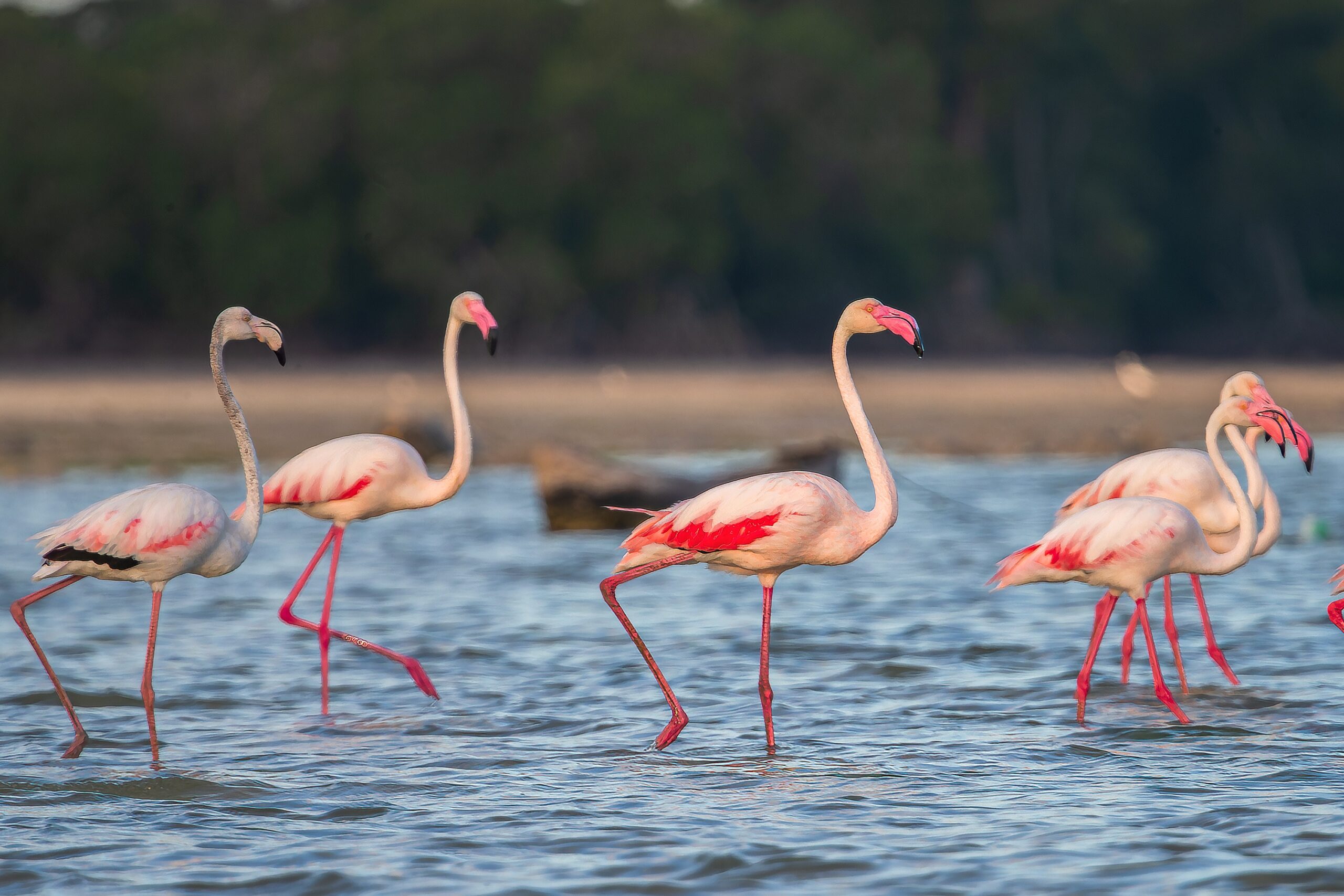
Catherine King, Chair of the EAZA Wetlands for Life Campaign, further elaborated on the synergistic potential: "The partnership with Wetlands International will employ our complementary strengths as organisations to have a synergetic impact on wetland conservation and community engagement. We look forward to this opportunity!" King’s statement emphasizes the strategic advantage of combining distinct organizational capabilities for a greater collective impact.
A Chronology of Collaborative Efforts
The groundwork for this significant partnership has been laid over several months, involving extensive consultations and strategic planning between Wetlands International and EAZA.
- Early 2025: Initial discussions and explorations of potential collaboration between Wetlands International and EAZA leadership commence, identifying shared goals and mutual interests in wetland conservation.
- Mid-2025: Formal proposals for the "Wetlands for Life" campaign are developed, outlining the campaign’s objectives, target audience, and proposed activities. Wetlands International confirms its interest in becoming an official campaign partner.
- Late 2025: The terms of the partnership are finalized, with both organizations committing to a joint campaign initiative. This period likely involved agreement on roles, responsibilities, and resource allocation.
- March 12, 2026: Wetlands International officially announces its partnership with EAZA for the "Wetlands for Life Conservation Campaign." This public announcement marks the official commencement of the campaign’s promotional phase.
- 2026-2027: The "Wetlands for Life" campaign will be actively implemented, featuring a range of public engagement events, educational programs, and advocacy efforts across Europe and potentially beyond.
The Undeniable Value of Wetlands: Supporting Data and Context
Wetlands are globally significant ecosystems, often referred to as "nature’s kidneys" due to their critical role in filtering water and providing essential ecosystem services. Globally, wetlands cover over 12.5 million square kilometers, yet they have experienced drastic declines. According to the Ramsar Convention on Wetlands, approximately 35% of the world’s wetlands have disappeared since 1970, and the rate of loss is accelerating. In Europe, the situation is equally concerning, with significant losses of peatlands, marshes, and coastal wetlands impacting biodiversity and vital ecosystem functions.
These ecosystems are unparalleled reservoirs of biodiversity, housing a disproportionately large number of plant and animal species relative to their land area. For instance, over 40% of the world’s species live or breed in wetlands. They are also crucial for climate regulation. Peatlands, a specific type of wetland, store more than twice the amount of carbon currently in the atmosphere, making their conservation vital for mitigating climate change. Floodplains and coastal wetlands, such as salt marshes and mangroves, act as natural buffers against extreme weather events, absorbing floodwaters and reducing the impact of storm surges, thereby protecting coastal communities and infrastructure.
The economic benefits derived from healthy wetlands are substantial, though often underestimated. These include water purification services, flood control, fisheries, agriculture (through fertile floodplains), and ecotourism. The World Wildlife Fund (WWF) estimates that wetlands provide services worth trillions of dollars annually on a global scale.
Broader Implications and Future Outlook
The "Wetlands for Life" campaign, powered by the combined strengths of Wetlands International and EAZA, has the potential to significantly shift public perception and policy regarding wetland conservation. By engaging millions of zoo and aquarium visitors, the campaign can foster a deeper understanding of wetland values and inspire a new generation of environmental stewards.
The partnership’s focus on both European and global wetland landscapes—from urban marshes and river floodplains within Europe to globally significant wetland systems that regulate climate and sustain biodiversity—ensures a comprehensive approach. Through coordinated storytelling, impactful public engagement, and science-based advocacy, the campaign aims to empower individuals, institutions, and policymakers to take decisive action.
The success of this campaign could serve as a model for future collaborations between conservation NGOs and the zoo and aquarium sector. It demonstrates a commitment to translating public engagement into tangible conservation outcomes, thereby reinforcing the role of zoos and aquariums as crucial allies in global conservation efforts. As the campaign unfolds throughout 2026 and 2027, its ultimate impact will be measured by the extent to which it inspires lasting change in how wetlands are valued, protected, and restored, ensuring their continued ability to sustain life for current and future generations.
