
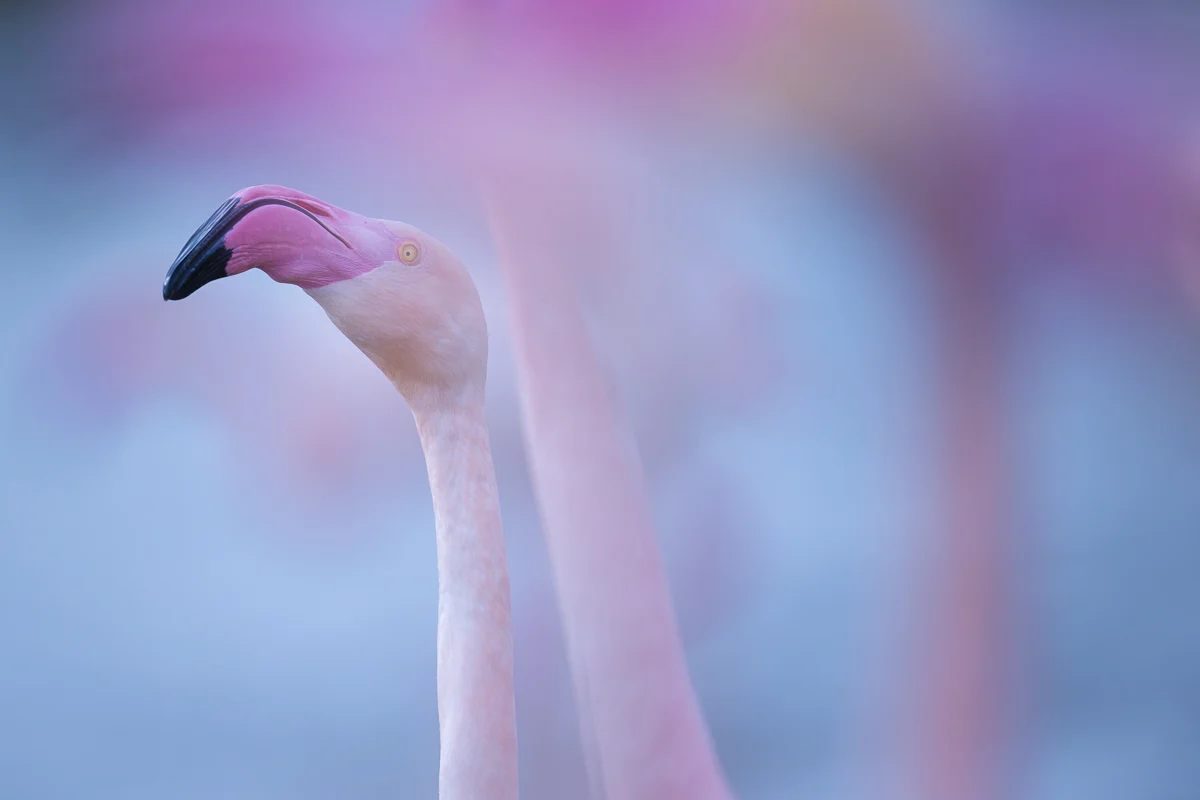
In the realm of photographic artistry, the interplay between sharp focus and deliberate blur can transform a mere depiction into a profound expression. What lies out of focus, particularly in the foreground, assumes a subtle yet potent role in sculpting the atmosphere of an image. Far from serving as a distraction, foreground blur strategically guides the viewer’s eye, conjuring a specific mood, or imbuing the scene with an emotional resonance that absolute sharpness often fails to convey. At its core, photography is a pursuit of moments, striving to translate ephemeral experiences into enduring, meaningful images. Within this pursuit, blurs emerge as sophisticated instruments, capable of elevating a simple scene to an image that not only showcases its subject but truly expresses its essence and suggests deeper narratives. This technique, increasingly embraced in wildlife photography, allows practitioners to move beyond purely documentary captures, venturing into a more evocative and artistic interpretation of the natural world.
A Legacy of Vision: Historical Context and Artistic Evolution

The deliberate manipulation of focus is not a contemporary invention; its roots can be traced back to early photographic experiments and, even further, to classical painting techniques. Artists across centuries have understood the power of selective focus to direct attention, create depth, and evoke emotional states. From the soft, diffused backgrounds of Renaissance portraits that highlight the subject’s countenance, to the impressionistic brushstrokes that suggest rather than delineate, the principle of controlled ambiguity has long been a tool for artistic expression. In photography, the evolution of lens technology and understanding of optics allowed for greater control over depth of field. Early portrait photographers, for instance, instinctively used wide apertures to separate their subjects from busy backgrounds, creating the pleasing out-of-focus effect known as ‘bokeh’.
Over time, as photographic equipment became more sophisticated and capable of capturing immense detail, a counter-movement emerged. Some photographers began to explore how less detail, particularly in the periphery or foreground, could enhance an image’s impact. This shift reflected a broader artistic trend to imbue photographs with painterly qualities, moving away from purely sharp, factual representations towards more interpretive and atmospheric compositions. Influential photographers throughout the 20th century, across various genres, experimented with soft focus, intentional motion blur, and shallow depth of field to convey feeling, movement, and the ephemeral nature of moments. In wildlife photography, this translates to an appreciation for the animal within its habitat, not just as a specimen, but as a being enveloped by its environment, where the soft elements of that environment can enhance its presence rather than detract from it. The technique of foreground blurring, therefore, stands as a continuation of this rich artistic lineage, adapting it to the unique challenges and opportunities presented by capturing wild subjects.
The Mechanics of Mood: Technical Foundations of Foreground Blurs

Achieving effective foreground blur in wildlife photography requires a nuanced understanding of optical principles and camera settings. The primary factors influencing the degree and quality of blur are aperture, focal length, the distance between the camera, the foreground element, and the subject, as well as the camera’s sensor size.
- Aperture: This is perhaps the most critical setting. A wider aperture (smaller f-number, e.g., f/2.8, f/4) creates a shallower depth of field, meaning that only a very narrow plane will be in sharp focus, while elements closer to the lens and further away from the focus point will be significantly blurred. For pronounced foreground blur, a wide aperture is almost always essential.
- Focal Length: Telephoto lenses (e.g., 300mm, 500mm, 600mm) naturally compress perspective and, combined with a wide aperture, can produce incredibly shallow depth of field and creamy bokeh. The longer the focal length, the easier it is to achieve significant background and foreground blur, even at slightly narrower apertures. This makes telephoto lenses indispensable for wildlife photographers aiming for this aesthetic.
- Distance: The relative distances between the camera, the foreground element, and the subject are paramount. For a foreground element to appear blurred while the subject remains sharp, the element must be significantly closer to the camera than the subject itself. The closer the foreground element is to the lens, the more pronounced its blur will be. Conversely, the further the subject is from the foreground element, the sharper it can remain against the blurred layer.
- Sensor Size: Full-frame cameras, with their larger sensors, inherently produce a shallower depth of field compared to APS-C or Micro Four Thirds sensors when using the same focal length and aperture (in terms of equivalent field of view). This gives full-frame systems a slight advantage in achieving creamy blurs, though excellent results are certainly attainable with smaller sensors by optimizing the other factors.
Beyond these core settings, lighting also plays a crucial role. Backlighting, for instance, can enhance the ethereal quality of foreground blurs, especially if light catches translucent leaves or water droplets, creating beautiful bokeh balls or shimmering effects. Soft, diffused light, such as that found during overcast days or in the ‘golden hours’ of dawn and dusk, can also contribute to a gentle, atmospheric feel, complementing the soft focus. Understanding and manipulating these technical elements allows the photographer to meticulously craft the desired visual outcome, transforming the environment into an active participant in the image’s narrative.
Crafting the Frame: Utilizing Natural Elements for Atmospheric Depth

The genius of foreground blurring lies in its reliance on the immediate environment, transforming ordinary elements into extraordinary compositional tools. Photographers must cultivate an opportunistic mindset, constantly assessing their surroundings for suitable natural elements that can be incorporated. This includes a diverse array of plant-based elements such as branches, leaves, flowers, or grasses. These organic forms, when positioned between the camera and the subject and rendered out of focus, create soft, abstract shapes and colors that frame the subject, add layers, or even obscure distractions.
For instance, the opening photograph of vultures, captured at a feeding site in the Pyrenees, showcases how even other animals can serve as foreground elements. In situations where multiple birds or mammals are present, one animal, strategically positioned out of focus, can add a sense of depth and context to another in sharp focus. This particular capture demonstrates a precise overlap that is rare, yet it encourages experimentation with this dynamic in other multi-animal scenarios. Similarly, a photograph of flamingos might utilize the blurred forms of other flamingos in the foreground, creating a soft, pinkish veil that emphasizes the elegance of a single, sharply focused individual.
Another powerful example is the Pyrenean Capercaillie, captured at its forest lek. Here, local shrubs and underbrush become an integral part of the composition. This layer of vegetation, positioned between the lens and the elusive bird, acts as a natural filter, softening the scene, adding depth, and infusing the image with the quiet mystery of the forest. Such effects are often amplified by the low, crepuscular light of early morning or late evening, which casts long shadows and enhances the atmospheric quality. In these fleeting moments, where light, subject, and environment converge, photography transcends mere documentation, evolving into evocative storytelling. The interplay of light and shadow, as seen in the photograph of a Goshawk, further illustrates this principle. Careful exposure and a warm white balance can enrich the atmosphere, making it almost tactile. The contrast between illuminated and shaded areas sculpts the subject within its environment, guiding the viewer’s eye and adding both clarity and depth to the narrative.

The Ethical Canvas: Navigating Scene and Subject in Wildlife Photography
An integral, and often understated, aspect of employing foreground blurs in wildlife photography is the ethical consideration of the setting and the degree of control a photographer can ethically exert. While the environment often provides natural elements like plants, light, snow, or even other animals, the photographer’s interaction with the wild must always be guided by principles of non-disturbance and respect for the subject.
In controlled settings, such as photographing less skittish species from a hide, there might be limited opportunities to subtly arrange foreground elements, or even to recreate a scene to align with an artistic vision. This allows for meticulous planning and composition. However, the majority of wildlife photography, especially involving rare or sensitive species, demands a different approach. In these cases, direct intervention is not only impractical but also unethical. The photographer must approach the subject cautiously, maintaining a respectful distance and ensuring that their presence does not alter the animal’s natural behavior.

This often means that the most effective strategy is patience – the art of waiting. Rather than manipulating the environment, the photographer waits for the moment when natural elements align perfectly. This ‘photographic hunt’ is characterized by an almost serendipitous interaction with the wild, where preconceived ideas often give way to reactive improvisation. This approach, while demanding a high tolerance for failure and long hours of observation, frequently yields the most authentic and rewarding images. It is this intrinsic connection to wildlife observation, the deep appreciation for the animal in its undisturbed habitat, that gives wildlife photography its profound appeal. The Razorbills image, for instance, likely resulted from such a patient vigil, capturing the birds in their natural environment, framed by the sea’s texture or other elements that naturally came into play. Ethical wildlife photography dictates that the integrity of the scene and the well-being of the animal always take precedence over the photographic outcome, making the ability to adapt and seize natural opportunities paramount.
Genre and Gesture: Tailoring Blurs to Photographic Styles
The applicability of foreground blurs varies significantly across different photographic genres, particularly within wildlife photography. The most suitable genre for experimenting with this technique is undoubtedly portrait photography. In wildlife portraiture, the objective is often to capture the character, emotion, or intrinsic beauty of an individual animal. The ethereal, soft atmosphere created by foreground blurs harmonizes perfectly with this intent, adding layers of intimacy and depth without distracting from the subject’s expression or form. The deliberate softness can evoke a sense of tranquility, mystery, or even vulnerability, enhancing the emotional impact of the portrait.

Conversely, in highly dynamic scenes—such as birds in flight, mammals in pursuit, or rapid interactions—the speed at which events unfold significantly reduces the opportunities for deliberate compositional intervention. In these instances, the priority shifts to capturing sharp action, often requiring faster shutter speeds and deeper depths of field to ensure the entire moving subject remains in focus. The fleeting nature of these moments leaves little room for precisely positioning foreground elements for blur effects. While an accidental blur might occur, it is rarely a consciously executed technique in such fast-paced scenarios. The image of the Kite, for example, while capturing the bird in its environment, is likely focused on its flight or momentary perch, where foreground blurs would be difficult to control without obscuring the action.
However, photographers can adapt. For static or slow-moving subjects, or during moments of stillness within a dynamic sequence, the window of opportunity for foreground blurs reopens. This technique also offers distinct types of blur, each with its own artistic intention:
- Abstraction through Proximity: Placing objects very close to the camera maximizes abstraction, transforming foreground elements into soft washes of color or light that create an almost painterly veil over the image.
- Content-Rich Blurs: Positioning elements closer to the subject, yet still out of focus, can allow the blurred element to retain some recognizable form, adding valuable contextual content to the photograph (e.g., blurred flowers suggesting a meadow habitat).
- Partial Veils and Gaze Preservation: Blurs can be used to partially cover different parts of the animal, but often, the subject’s eyes or gaze are carefully preserved, acting as the primary focal point through the soft diffusion.
- "Look-Throughs": This involves composing the shot by pointing the camera through a small opening in dense foliage or other elements, effectively creating a natural frame of blur around the subject.
- "Look-Overs": When a "look-through" isn’t possible, a "look-over" fills the bottom of the frame with a blurred foreground, grounding the subject and adding depth. The Fallow Deer image beautifully illustrates this, with the blurred vegetation in the lower frame creating a soft foundation for the sharply focused animal.
When working with these various types of blur, especially with elements very close to the lens, photographers must be prepared to switch to manual focus. Autofocus systems can struggle to lock onto the intended subject when a highly blurred foreground element is present. While some sharpness or fine detail in the subject might occasionally be sacrificed, the overall artistic impact and evocative quality of the photograph often compensate, pushing the image towards a more interpretive aesthetic.

The Emotional Resonance: Guiding the Viewer’s Gaze and Narrative
Foreground blurs are more than just a compositional trick; they are powerful storytelling devices that profoundly influence how a viewer interacts with an image. When used effectively, these blurs guide the viewer’s gaze along a carefully composed visual path, leading the eye naturally through the photograph. The main subject remains central to this journey, yet the presence of blurs introduces subtle cues about the environment, the prevailing mood, or even the narrative context of the scene. The viewer is invited to look closer, to delve beyond the immediate sharpness, and to connect more intimately with the image as a whole.
An additional, compelling factor is the painterly quality that foreground blurs can infuse into a photograph. This technique evokes a sense of authenticity and artistry, as if the image were not merely captured but meticulously composed, much like a painting starting from a blank canvas. This artistic rendering elevates the photograph from a simple record to a piece of art that speaks to the imagination.

Moreover, photographs that incorporate foreground blurs often lean towards minimalism, yet paradoxically, they manage to convey a rich sense of the surrounding environment. In some cases, they even hint at the subject’s relationship with that environment, or suggest the specific moment in which the image was captured—and by extension, the animal’s behavior and habits. This subtle layering of visual cues allows the viewer to intuit more than what is explicitly shown, creating a more immersive and emotionally resonant experience of the scene. The blurred elements become metaphorical, suggesting the passage of time, the density of the habitat, or the hidden nature of the subject.
Pushing Boundaries: The Broader Impact on Wildlife Photography
The integration of foreground blurs represents a significant development in wildlife photography, pushing the boundaries of what is traditionally considered acceptable or desirable. For decades, the emphasis in wildlife imagery has often been on scientific accuracy and documentary precision—sharpness from nose to tail, clear identification, and unambiguous representation of species and behavior. While this remains crucial for scientific and conservation purposes, the artistic application of techniques like foreground blurring signals a growing appetite within the community for expressive, evocative imagery that prioritizes mood and narrative over absolute detail.

This shift encourages photographers to see their subjects and environments through a more artistic lens, moving beyond mere record-keeping to create images that stir emotion and foster a deeper connection to nature. By transforming potentially distracting elements into compositional assets, photographers are challenging the conventional wisdom that ‘more detail is always better’. Instead, they argue that selective detail, framed by artful suggestion, can lead to a more profound and memorable viewer experience. This approach can also democratize wildlife photography to some extent, as it allows for compelling images even when perfect clarity or ideal light might be elusive. It champions creativity and improvisation, enabling photographers to find beauty and tell stories in less-than-ideal circumstances.
The broader impact extends to viewer engagement. Images with atmospheric blurs often invite contemplation rather than just quick consumption. They encourage viewers to pause, interpret, and feel, rather than merely identify. This can be particularly powerful in a world saturated with visual information, helping wildlife photographs stand out and resonate on a deeper level. Furthermore, by showcasing diverse artistic interpretations, this technique inspires aspiring photographers to experiment, break conventional rules, and develop their unique visual voice, contributing to a richer and more varied landscape of wildlife imagery.
Conclusion: An Invitation to Creative Exploration

Foreground blurs are a remarkably versatile and creative technique with broad applicability in wildlife photography. Their considerable appeal lies in their ability to transform an image, adding depth, emotion, and artistic flair. Nothing prevents a photographer from utilizing this technique in a wide array of situations, provided they can exert at least some control over their position relative to the subject and the foreground elements.
Creativity, fundamentally, often emerges through a process of trial and error, blossoming most readily within familiar surroundings. However, foreground blurs uniquely allow for both improvisation and inspiration to arise in a multitude of different contexts. This technique also offers a fresh and original way to photograph species that may be ‘recurring’ or familiar, breathing new life into oft-captured subjects. By presenting these animals within a new visual language, photographers can challenge perceptions and highlight aspects that might otherwise go unnoticed.
Crucially, this technique is fully compatible with other creative photographic approaches related to composition or light. It can be harmoniously combined with over- or underexposure, the artistic use of movement and shutter speed, evocative backlighting, double exposures, abstraction, and myriad other methods. This synergy allows for an even richer tapestry of visual storytelling. The effectiveness and enduring appeal of foreground blurs are evident in the work of masters, visionaries, and influential photographers who consistently integrate this technique to imbue their work with a unique aesthetic. It is a powerful tool for those seeking to move beyond mere documentation and create images that truly resonate. Therefore, there is every reason to encourage photographers to embrace this technique, experiment with its nuances, and discover its transformative potential.
