
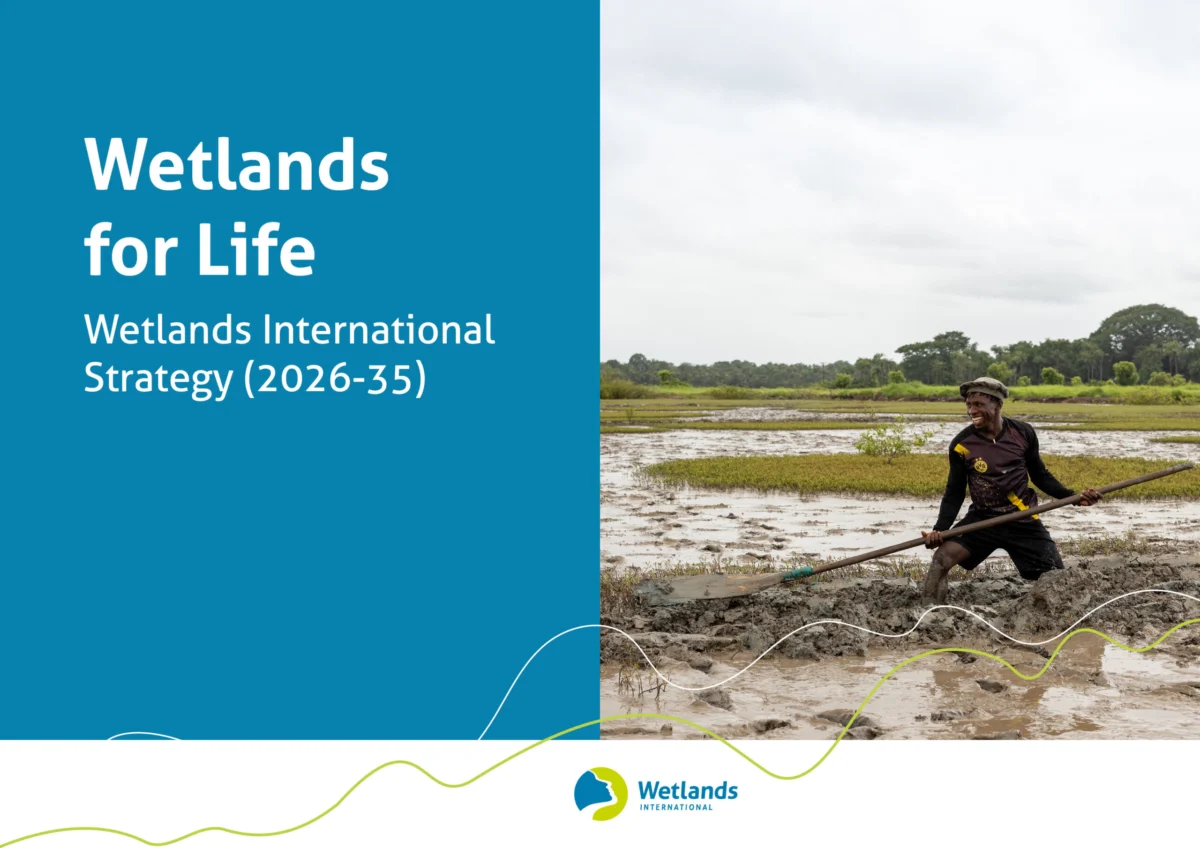
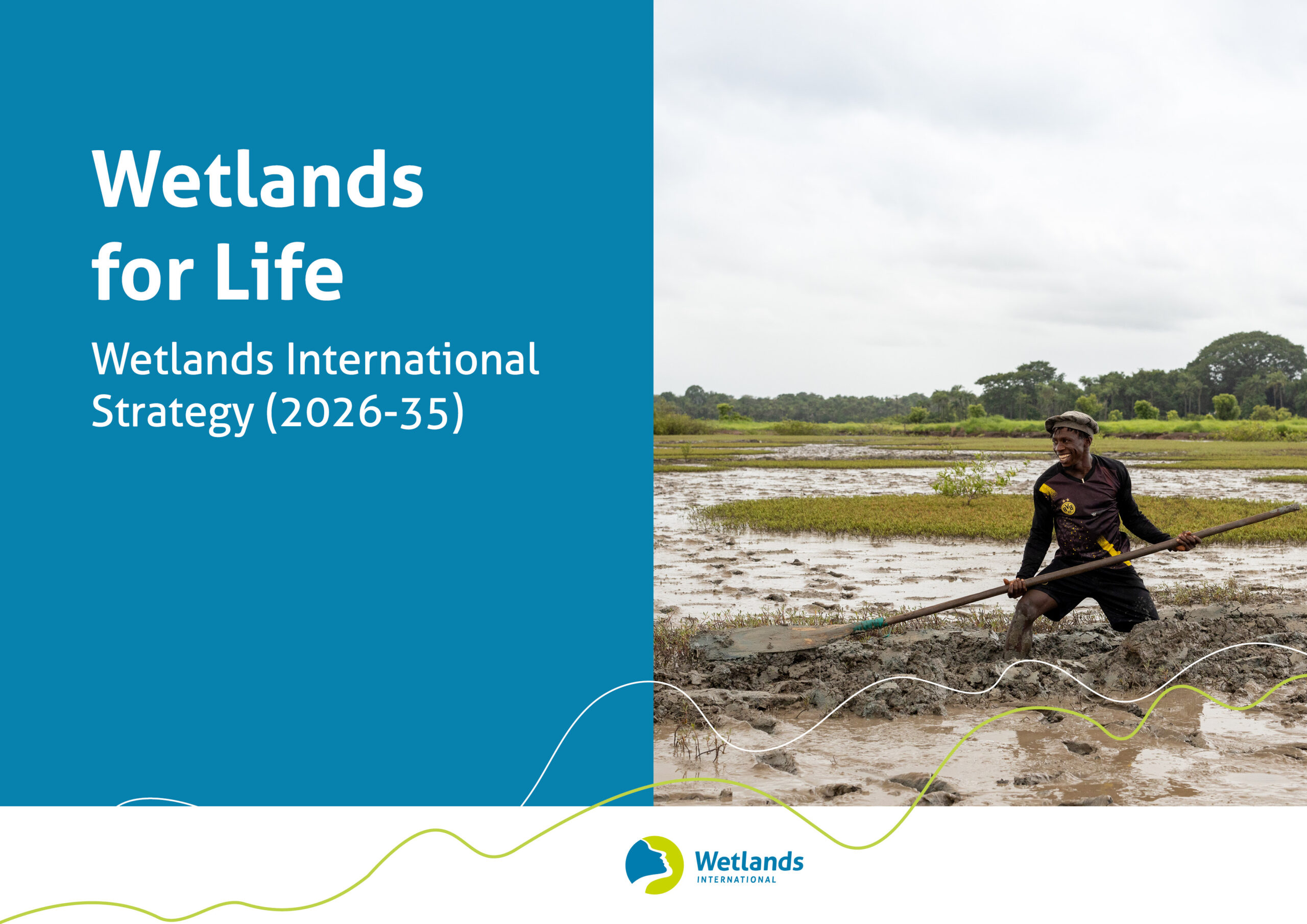
February 2, 2026 – On World Wetlands Day, Wetlands International has launched its pivotal "Wetlands for Life (2026-2035)" strategy, signaling a new era for global wetland conservation, restoration, and sustainable management. This comprehensive plan outlines an ambitious vision to drive transformative change for the benefit of people, nature, and the climate, addressing the critical threats facing these vital ecosystems.
The strategy underscores the fundamental role wetlands play in supporting societies and economies, from intricate river systems and vibrant coral reefs to expansive peatlands and vital mangrove forests. Despite their crucial functions, wetlands continue to face unprecedented degradation, with alarming rates of draining, damming, dredging, and depletion. Wetlands International frames this crisis not merely as an environmental concern but as an existential threat, while simultaneously highlighting the existence of scalable solutions and the potential for widespread adoption of wetland-positive policies and practices.
A New Decade of Transformative Action
"Wetlands for Life (2026-2035)" builds upon Wetlands International’s three decades of experience as a globally networked, locally led organization. The strategy details the specific approaches and ambitious goals intended to accelerate global action for wetlands. The organization aims to continue its tradition of co-creating solutions and delivering tangible impact at the site level, working in close collaboration with communities, partners, corporations, and governments.
By 2035, Wetlands International, in conjunction with its partners, aims to achieve significant direct impacts, including:
- Restoration: Revitalizing a substantial acreage of degraded wetlands, bringing them back to ecological health and functional capacity. This includes reintroducing natural hydrological regimes, re-establishing native vegetation, and improving water quality.
- Protection: Securing long-term protection for critical wetland areas, safeguarding them from further encroachment and destructive practices. This may involve the establishment of protected areas, the implementation of effective land-use planning, and the enforcement of conservation laws.
- Sustainable Management: Implementing integrated and sustainable management plans for key wetland landscapes, ensuring that local communities and economies can benefit from healthy wetlands without compromising their ecological integrity. This involves promoting sustainable agriculture, fisheries, and tourism practices.
- Climate Resilience: Enhancing the role of wetlands in climate change adaptation and mitigation, recognizing their capacity to store carbon, buffer against extreme weather events, and provide essential ecosystem services.
These direct impacts, while substantial, are presented as catalysts for broader, systemic change. They are intended to serve as living demonstrations of successful wetland conservation and restoration, inspiring and informing the policy, business, and financial sectors worldwide to accelerate and scale up wetland action globally.
Driving Systemic Change: A Core Mandate
Coenraad Krijger, CEO of Wetlands International, emphasized the organization’s evolving role: "While we continue to deliver significant wetland impact at site level, our primary added value is not as an implementing agency but as a driver of systemic change at national, landscape and global levels." This statement highlights a strategic pivot towards influencing the underlying systems that govern wetland health.
The strategy prioritizes collaborative efforts to alter the policies, business models, and financial mechanisms that contribute to wetland degradation. By 2035, Wetlands International and its partners aspire to achieve systemic contributions such as:
- Policy Reform: Influencing national and international policies to integrate wetland conservation and restoration into broader development agendas, including climate change, biodiversity, water resource management, and disaster risk reduction frameworks. This includes advocating for stronger legal protections and better enforcement mechanisms.
- Business Integration: Encouraging businesses to adopt sustainable practices that minimize their impact on wetlands and actively contribute to their restoration. This involves promoting corporate responsibility, developing sustainable supply chains, and fostering investments in nature-based solutions.
- Financial Flows: Redirecting financial flows away from destructive activities and towards wetland conservation and sustainable use. This includes advocating for green finance mechanisms, impact investing, and the valuation of ecosystem services provided by wetlands.
- Knowledge and Awareness: Significantly increasing global understanding of the value of wetlands and the urgency of their conservation, fostering a broad societal movement for their protection.
Four Pillars of Action
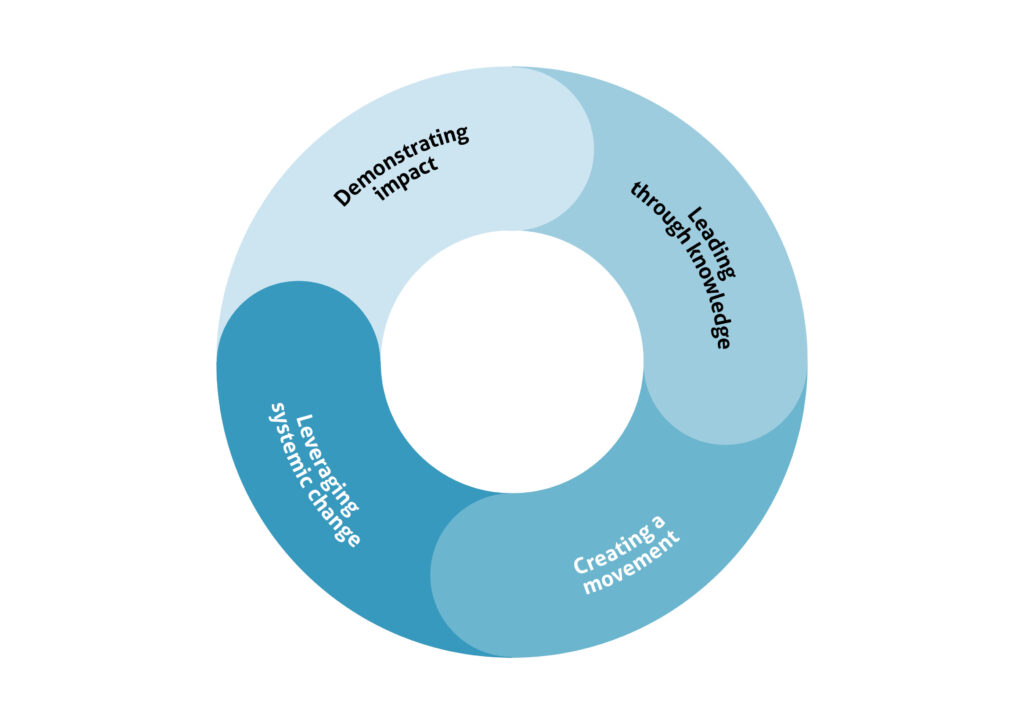
To achieve these ambitious goals, Wetlands International’s new strategy is structured around four key pillars:

- Demonstrating Impact: Continuing to deliver tangible results through site and landscape-level interventions, showcasing successful models of wetland conservation and restoration. This pillar focuses on practical, on-the-ground action that yields measurable environmental and social benefits.
- Leading Through Knowledge: Generating and disseminating crucial scientific knowledge, data, and best practices related to wetland ecosystems. This includes research on wetland functions, threats, and effective management techniques, as well as capacity building for stakeholders.
- Creating a Movement: Mobilizing a broad coalition of actors – from local communities and Indigenous Peoples to governments, businesses, and international organizations – to advocate for and implement wetland conservation. This involves fostering collaboration, building partnerships, and promoting public engagement.
- Leveraging Systemic Change: Actively working to transform policies, business practices, and financial systems to create an enabling environment for wetland conservation and sustainable use. This pillar is central to the strategy’s ambition of achieving large-scale, lasting impact.
Focus on Flagship Landscapes and Diverse Wetland Types
The strategy will see Wetlands International deepen its engagement in 12 flagship landscapes across Africa, Asia, Europe, and Latin America. The overarching goal for these landscapes by 2035 is to ensure they are under holistic management, integrating innovative finance and regenerative land-use practices. This approach aims to demonstrate the feasibility of creating sustainable and prosperous wetland-based societies and economies, linking site-level action with transformative policy and practice changes at broader scales.
The organization will continue its work across a range of freshwater and inland wetlands, including rivers, floodplains, lakes, marshes, and inland deltas. These ecosystems are vital for providing water, food, fisheries, and transportation, while also connecting terrestrial and marine environments and serving as biodiversity hotspots.
A significant priority will be placed on peatlands, recognized for their immense carbon storage capacity (approximately 30% of terrestrial carbon), their role in nourishing other ecosystems, and their function as natural sponges. The ongoing drainage and conversion of peatlands, which contribute to 5% of global greenhouse gas emissions, exacerbate wildfires, and lead to losses in water, biodiversity, and resilience, necessitate urgent intervention.
Coastal wetlands, including mangroves, saltmarshes, and seagrass beds, will also receive focused attention. These ecosystems are critical for buffering coastal communities and cities from storms, supporting agriculture and fisheries, and harboring rich biodiversity. Their ongoing loss to urbanization, unsustainable infrastructure, and rising sea levels demands immediate and effective conservation efforts.
Global Collaboration and Targeted Initiatives
Wetlands International will maintain its central role in three key voluntary global initiatives: the Freshwater Challenge, the Mangrove Breakthrough, and the Peatland Breakthrough. These initiatives serve as crucial platforms for sharing solutions, best practices, and driving impactful change for wetlands worldwide.
Furthermore, the strategy will pay specific attention to migratory waterbirds and their flyways, as well as migratory fish and their swimways. These species are vital connectors within ecosystems, serve as important indicators of wetland health, and are increasingly vulnerable to habitat degradation and fragmentation.
Inclusivity and Partnership
In all its endeavors, Wetlands International remains committed to prioritizing the involvement of and ensuring benefits for Indigenous Peoples and local communities, with a particular focus on vulnerable groups, including women and youth. This commitment to inclusivity is rooted in the organization’s long-standing practice of being grounded in local realities and fostering genuine, collaborative partnerships. The development of the "Wetlands for Life" strategy itself was a lengthy process involving extensive consultation with partners, members, donors, and colleagues across the Wetlands International network, reflecting a shared commitment to translating the strategy into concrete action.
A Decisive Decade Ahead
The strategy is founded on the conviction that a successful scaling-up of efforts to safeguard and restore wetlands will represent a significant stride towards stabilizing the global climate, restoring biodiversity, enhancing food and water security, strengthening peace and security, and building more resilient societies and economies. The coming decade is recognized as a decisive period for wetland action. Wetlands International believes its new strategy positions the organization to lead this critical new era, working with partners to protect and restore the world’s invaluable wetlands. The organization concludes with a call to collective action, stating, "Together – we can rise to the challenge."
