
The late winter landscape of Manitoba became a theater for avian discovery as a specialized birding expedition concluded its five-day journey through the province’s diverse ecosystems. From February 27 to March 3, 2026, a group of ornithological enthusiasts and conservationists traversed the Red River Valley and the Boreal transition zones, documenting a significant array of raptors and northern specialists. The expedition, which focused heavily on the unique wintering owls of the region, provided a comprehensive look at how these species utilize the Canadian Prairies and the Boreal forest during the harshest months of the year. Led by expert guides and supported by local researchers, the tour served as both a citizen-science initiative and an educational deep-dive into the state of Manitoba’s winter bird populations.

Scientific Foundation and Expert Consultation
The expedition commenced on the evening of February 27 with a foundational briefing that underscored the scientific significance of the region. Participants were joined by Dr. Jim Duncan, a preeminent authority on Great Grey Owls and former director of the Wildlife Branch for Manitoba Sustainable Development. Dr. Duncan’s presentation provided a critical framework for the trip, detailing the population dynamics of northern owls and the specific environmental pressures they face, including habitat loss and climate-driven shifts in prey availability.
A highlight of the introductory session was the presence of Oska, an educational Great Grey Owl. Such ambassador birds play a vital role in public outreach, allowing researchers to demonstrate the physiological adaptations of the species—such as their asymmetrical ear openings and specialized feathers for silent flight—to the public. This academic grounding prepared the group for the field observations that would follow, emphasizing the importance of ethical birding and the non-intrusive monitoring of sensitive species.

Urban Raptors and the Industrial Fringe
On the morning of February 28, the expedition moved into the field, starting in the agricultural and industrial outskirts of Winnipeg. Despite the characteristic late-winter cold, the group successfully located a juvenile Snowy Owl (Bubo scandiacus) perched atop a hydro pole south of the city. Snowy Owls are nomadic winter visitors to southern Manitoba, driven south from their Arctic breeding grounds in search of lemmings and other small mammals. The sighting of a juvenile is particularly noteworthy for researchers, as it provides data on the success of the previous summer’s breeding season in the high Arctic.
The day’s observations highlighted the surprising biodiversity found within urban and industrial zones. In a south Winnipeg industrial park, the group monitored a resident pair of Bald Eagles that have established a massive nest in close proximity to human activity. This behavior illustrates the adaptability of the species, which has seen a significant population recovery across North America over the last four decades. The eagles’ tolerance of the nearby parking lot and human observers suggests a successful synanthropic relationship, where the birds exploit urban thermal currents and nearby water sources while acclimating to the presence of people.

In addition to raptors, the urban phase of the trip yielded sightings of Gray Partridges, Horned Larks, and a Red-bellied Woodpecker. The latter is of particular interest to local birders, as the Red-bellied Woodpecker has been gradually expanding its range northward into Manitoba, a trend often cited by ornithologists as a potential indicator of shifting climatic hardiness zones.
Ethological Observations in the Boreal Transition
As the expedition moved toward the Boreal forest on March 1, the focus shifted to the Northern Hawk Owl (Surnia ulula). Unlike many other owl species, the Northern Hawk Owl is diurnal, making it a primary target for winter birding tours. The group’s journey along Wendigo Road near Lac du Bonnet resulted in the sighting of five individual Hawk Owls, providing an exceptional opportunity for behavioral study.

One specific encounter offered a rare look at interspecies aggression. A Black-backed Woodpecker was observed repeatedly "diving" at a Northern Hawk Owl perched in a spruce tree. This mobbing behavior is a common defense mechanism used by smaller birds to drive predators away from their territory. However, the owl remained remarkably stoic, failing to acknowledge the woodpecker’s presence—a display of energy conservation typical of apex predators during the winter months. Such interactions are critical for understanding the social hierarchy and territorial boundaries of Boreal avian communities.
The Boreal phase also allowed the group to document several "winter finches" and irruptive species. Feeders in Silver Falls and Lac du Bonnet were active with Evening Grosbeaks, Pine Grosbeaks, Common Redpolls, and Pine Siskins. These species are known for their unpredictable movements, which are largely dictated by the mast crops of coniferous trees further north. The abundance of these birds in the Lac du Bonnet area suggests a healthy food supply in the eastern Boreal fringe for the 2025-2026 season.

Challenges of the Interlake Region
The fourth day of the expedition, March 2, saw the group heading into the Interlake region, located between Lake Winnipeg and Lake Manitoba. This area is characterized by vast marshes and limestone outcroppings, but it also presents significant logistical challenges during the winter. Recent weather patterns had created large snowdrifts, rendering several roads near Oak Hammock Marsh impassable. This forced a tactical shift in the itinerary, highlighting the necessity of flexibility in winter field research.
Despite the restricted access, the group located a lek of Sharp-tailed Grouse. These birds are a staple of the Manitoba prairie-forest edge and are known for their complex social structures and mating displays. Observing them in the winter provides insight into their survival strategies, which include "snow-roasting"—burrowing into the snow to stay warm during sub-zero temperatures.

The expedition concluded its field sightings on Hecla Island. The island serves as a microcosm of Boreal biodiversity, and the group was rewarded with views of a Boreal Chickadee (Poecile hudsonicus). While the more common Black-capped Chickadee is found throughout the province, the Boreal Chickadee is a specialist of the coniferous forests. Finding one among a mixed flock is a testament to the high-quality habitat preserved within Hecla/Grindstone Provincial Park.
Data Synthesis and Conservation Implications
The 2026 Manitoba Winter Birding expedition was not merely a recreational tour; it contributed significant data to the eBird global database, a tool used by scientists at the Cornell Lab of Ornithology to track bird populations and migration patterns. By documenting the specific locations and numbers of species like the Northern Hawk Owl and the Boreal Chickadee, the participants provided a "snapshot" of the ecosystem’s health.

The presence of multiple owl species in a relatively small geographic area indicates a robust small-mammal population, which forms the base of the Boreal food web. However, the reliance of these birds on specific habitats—such as the burned forest sections favored by Northern Hawk Owls or the mature conifers required by Boreal Chickadees—underscores the need for continued habitat conservation.
The economic impact of such expeditions also warrants mention. Eco-tourism in Manitoba, particularly during the "shoulder seasons" of winter, provides vital revenue to rural communities like Gimli, Lac du Bonnet, and Riverton. By demonstrating the value of standing forests and healthy wetlands through birding tourism, conservationists can make a compelling economic case for the protection of these lands.

Conclusion
As the expedition concluded on March 3, the gathered data reflected a successful year for Manitoba’s wintering birds. The sightings of diverse raptors, combined with the successful documentation of Boreal specialists, suggest that the province remains a critical stronghold for northern avian species. The collaboration between citizen scientists, expert researchers like Jim Duncan, and local guides ensures that the knowledge gained from these five days will contribute to the broader understanding of North American ornithology.
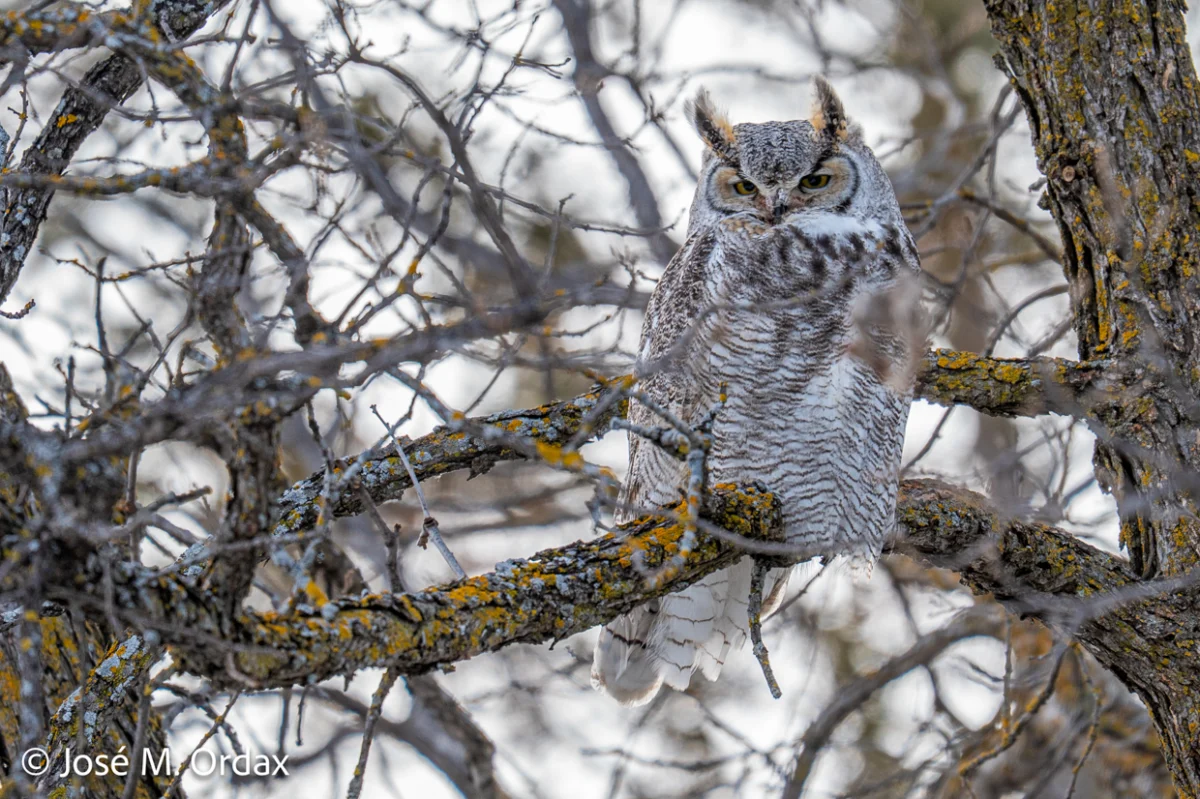
For the participants, the trip was a reminder of the resilience of nature. In a season defined by freezing temperatures and scarce resources, the sight of a Great Horned Owl peacefully guarding its nest or a Northern Hawk Owl hunting in a charred forest clearing serves as a powerful testament to the biological richness of the Canadian North. As environmental conditions continue to evolve, the monitoring of these "sentinel species" will remain a priority for conservationists and birders alike.
