

An extensive 12-day biological survey across Ontario’s most critical avian flyways has concluded with the documentation of 190 distinct bird species, underscoring the province’s vital role in North American migratory patterns. The expedition, which spanned from the shoreline of Lake Erie to the boreal transition zones of Algonquin Provincial Park, tracked the peak of the spring migration season between May 11 and May 22. Led by expert naturalists, the group monitored diverse ecosystems including Carolinian forests, limestone alvars, and northern spruce bogs, identifying several rarities that highlight the shifting dynamics of avian distribution in the Great Lakes region.
The Significance of the Ontario Migration Corridor
Ontario serves as a primary bottleneck for millions of birds traveling along the Mississippi and Atlantic flyways. The geography of the Great Lakes—specifically the "peninsula effect" of landforms like Point Pelee and Long Point—forces migratory birds to congregate in high densities as they prepare for or recover from crossing the massive expanses of open water. This 12-day survey focused on these "hotspots," providing a comprehensive snapshot of the health and variety of species currently moving through the region.
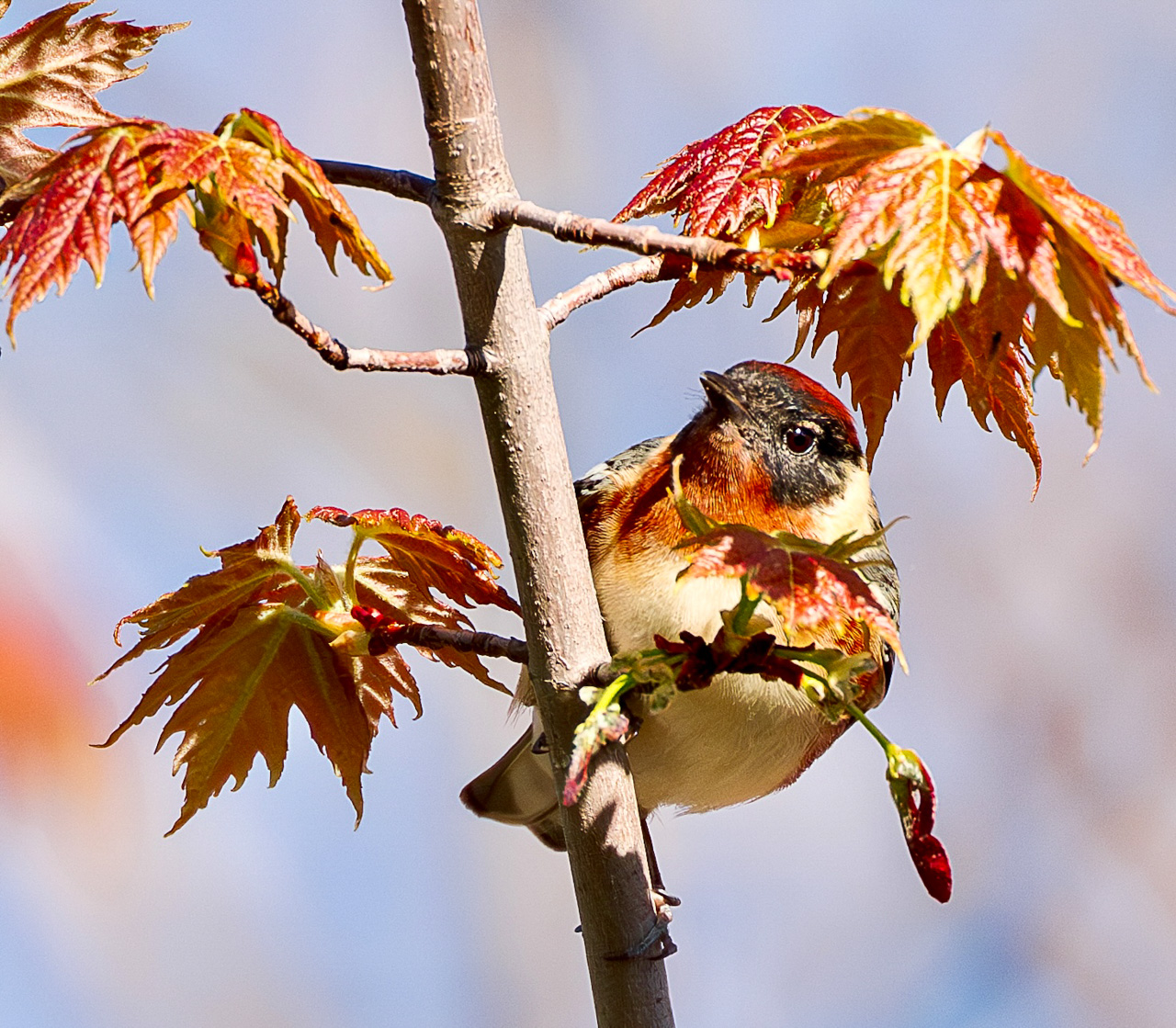
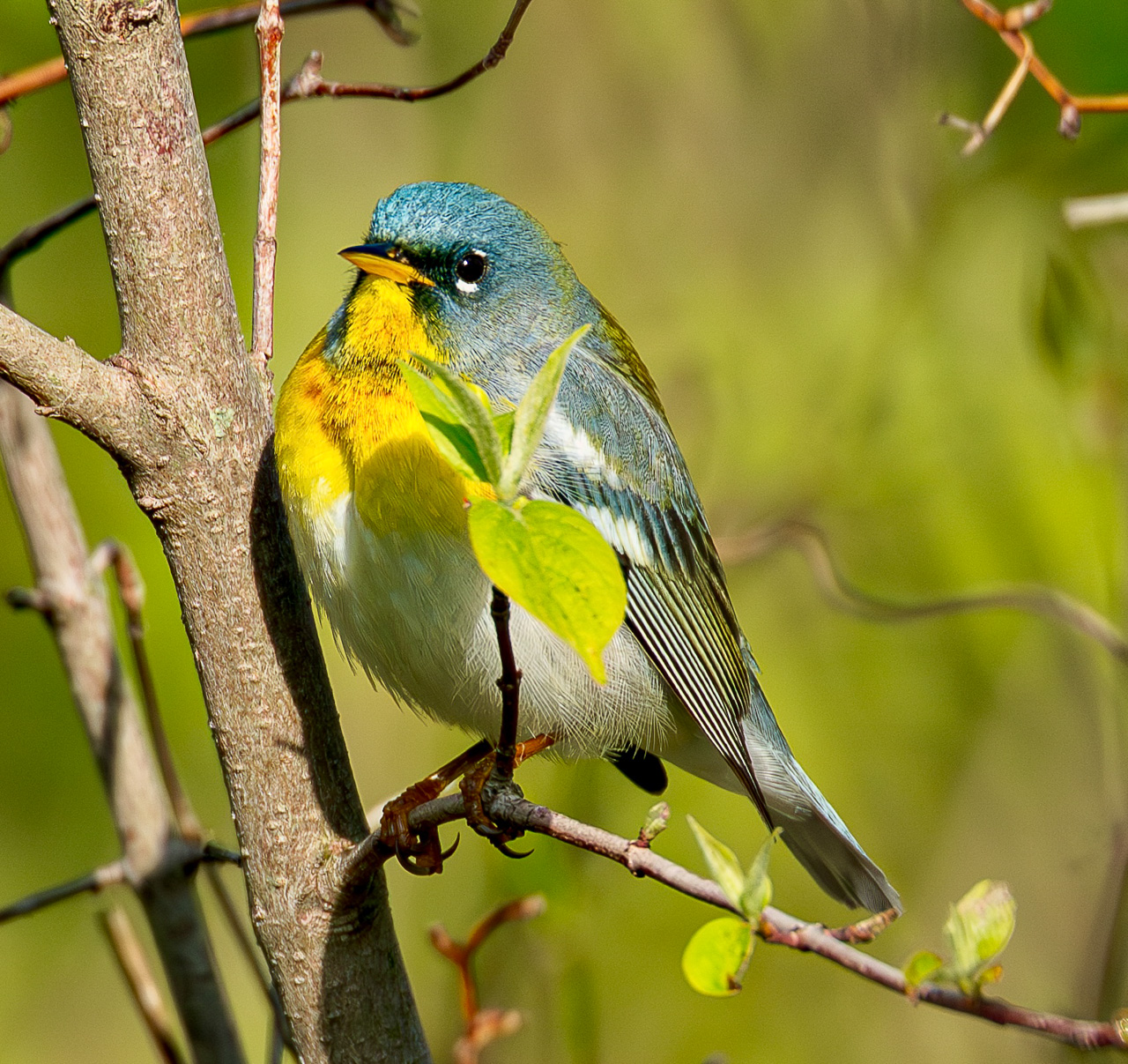
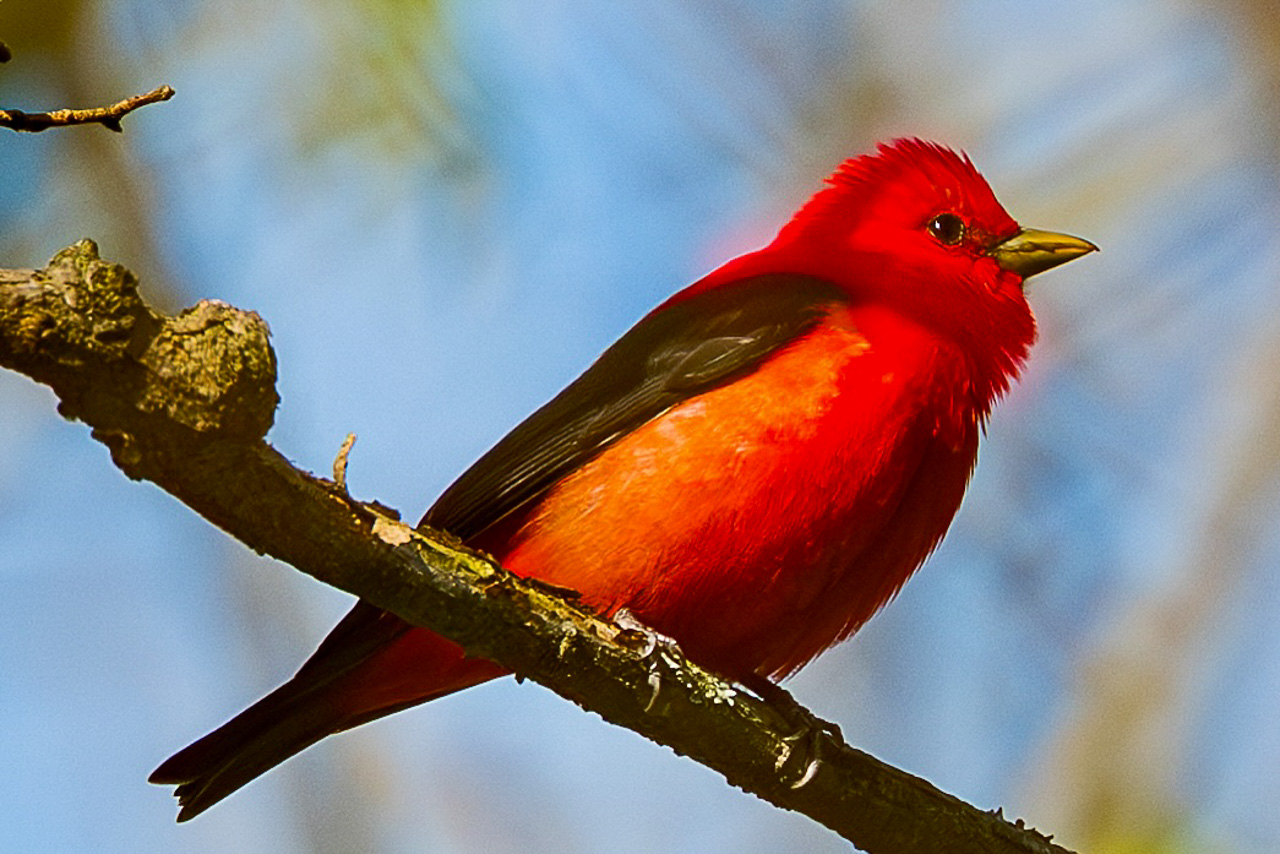
The 190-species tally included 26 species of wood-warblers, a family of birds often referred to as the "jewels of the forest" due to their vibrant plumage and complex vocalizations. The presence of southern rarities, such as the Summer Tanager and White-faced Ibis, suggests an ongoing trend of northern range expansion for several species typically associated with more temperate climates.
Chronology of the Expedition: From Urban Shorelines to Southern Points
The survey commenced on May 11 in Toronto, a city that serves as an unexpected but vital stopover for migrants navigating the urban landscape of Lake Ontario’s northern shore. On May 12, the team began field observations at Colonel Samuel Smith Park. Early findings included a breeding colony of Red-necked Grebes and a lone Horned Grebe, providing evidence of the productive nearshore waters of the Great Lakes.
Following the initial Toronto observations, the expedition moved southwest toward Leamington, the gateway to Point Pelee National Park. Point Pelee is internationally recognized as a premier birding destination due to its southern latitude and its position as the first landfall for birds crossing Lake Erie.
On May 13, the survey intensified at the "Tip" of Point Pelee. Observations began at sunrise, documenting the arrival of exhausted migrants. A notable highlight was the American Woodcock, whose distinctive "peenting" display was recorded near the Visitor Centre. The day also yielded a rare sighting of a Golden-winged Warbler—a species of significant conservation concern due to habitat loss and hybridization—and a massive flock of at least 300 Short-billed Dowitchers at Hillman Marsh Conservation Area.
Intensive Monitoring and Habitat Specificity
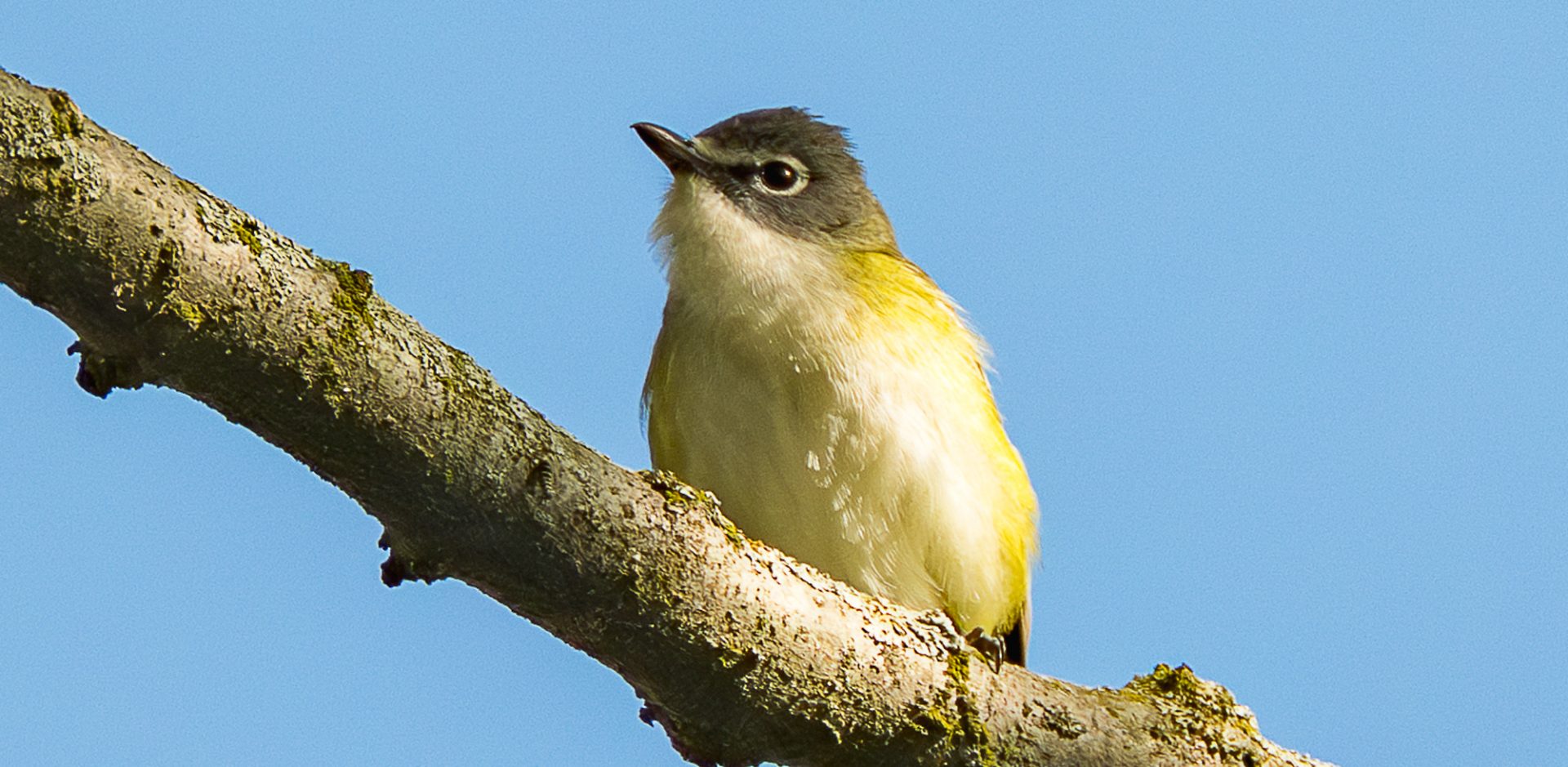
Between May 14 and May 15, the team conducted deep-woods surveys within Point Pelee’s Tilden’s Woods and Woodland Nature Trails. These areas provided critical data on interior forest species. A singing male Prothonotary Warbler, a species that relies on specialized swamp-forest habitats, offered extended observation opportunities. Other significant sightings included the Yellow-throated Vireo, Wood Thrush, and a Great Horned Owl chick, indicating successful local nesting.
The final day in the Pelee region (May 15) was marked by the identification of the White-faced Ibis and Willet at Hillman Marsh. The presence of the White-faced Ibis is particularly noteworthy, as the species is traditionally found in the western United States and Mexico, marking it as a significant "write-in" for an Ontario spring survey.
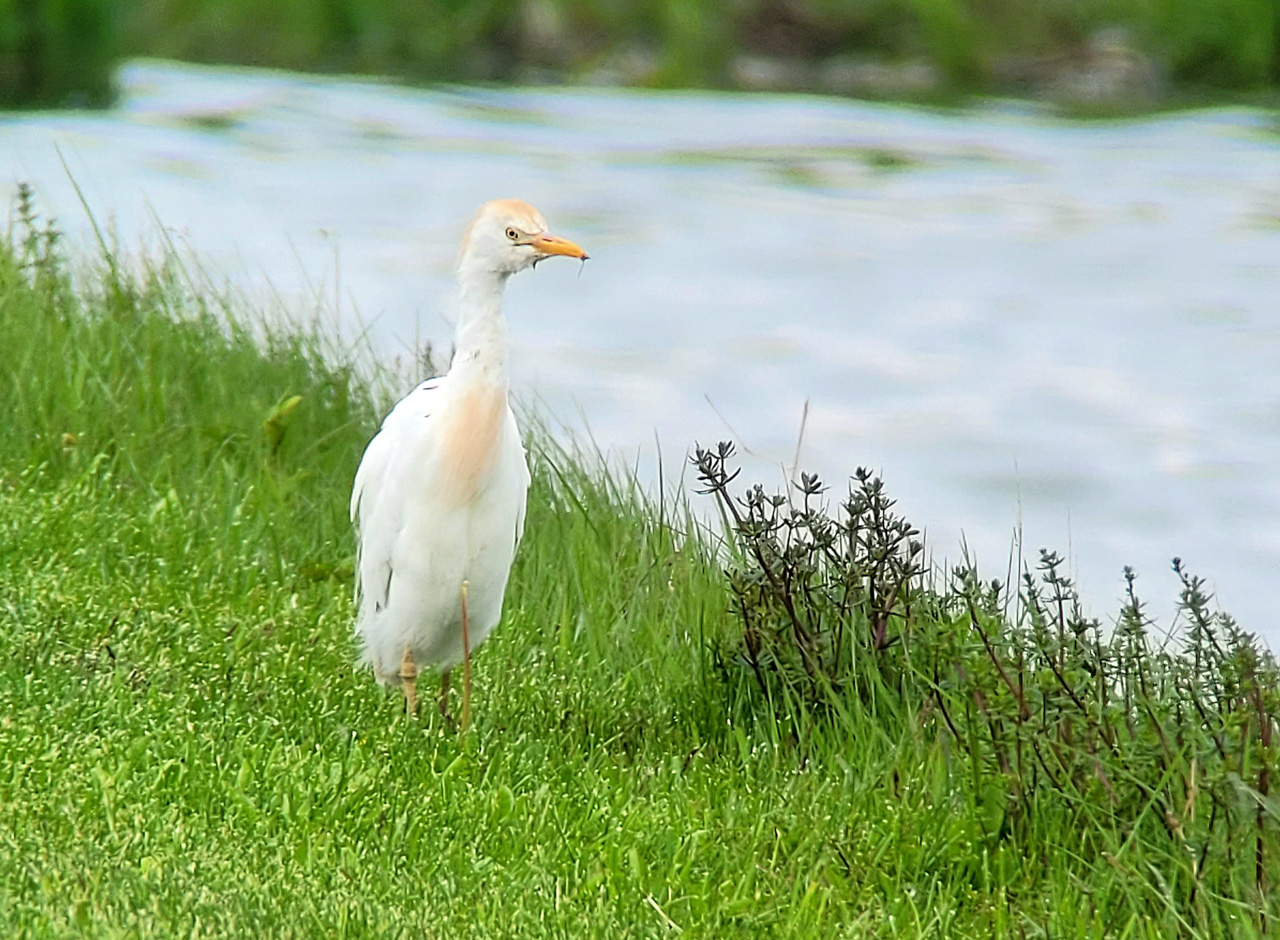
The expedition then shifted to Rondeau Provincial Park on May 16. Rondeau’s unique sand spit geography and old-growth Carolinian forest supported species such as the Blackpoll Warbler and Gray-cheeked Thrush. The team successfully located a nesting pair of Red-headed Woodpeckers, a species currently listed as "Endangered" in Canada under the Species at Risk Act (SARA). The day concluded with a survey of the Port Stanley Sewage Lagoons, which produced a Cattle Egret, an opportunistic heron species that has expanded its global range significantly over the last century.
Research and Conservation at Long Point
On May 17, the survey moved to the Long Point Bird Observatory (LPBO), the oldest bird observatory in the Western Hemisphere. Observing the banding operations at the Old Cut station allowed the team to see "skulking" species that are rarely seen in the canopy, such as the Ovenbird and Northern Waterthrush. Banding data is crucial for researchers to track population trends, longevity, and migratory timing.
The surrounding West Quarter Line area provided a different ecological niche—open grasslands and scrub. Here, the team documented Eastern Bluebirds, Grasshopper Sparrows, and the elusive Clay-colored Sparrow. The evening hours were dedicated to monitoring nocturnal and crepuscular species, resulting in successful sightings of the Eastern Whip-poor-will, a species whose populations have declined sharply due to insect population crashes and habitat fragmentation.
Transition to the Northern Boreal Zones
The latter half of the expedition (May 18–22) involved a significant shift in geography and ecology as the team traveled north toward Orillia and Algonquin Provincial Park. This transition moved the survey from the Carolinian zone into the Great Lakes-St. Lawrence forest region.
On May 19, the group surveyed the Carden Alvar Important Bird Area (IBA). An alvar is a rare global ecosystem characterized by thin soil over limestone bedrock. This habitat supports specialized species that are scarce elsewhere in Ontario. The team documented Eastern Meadowlarks and Bobolinks, both of which are listed as "Threatened" in Ontario due to the loss of native grasslands. Additional rare finds at the alvar included the Upland Sandpiper and a Brewster’s Warbler—a rare hybrid between Blue-winged and Golden-winged Warblers.

The final phase of the journey took place in Algonquin Provincial Park (May 20–21). The park’s higher elevation and cooler climate support boreal species typically found much further north. Surveys of the Spruce Bog Boardwalk and the Mizzy Lake Trail revealed specialized northern birds, including Evening Grosbeaks, Pine Siskins, and Canada Warblers. Despite the loss of a known Black-backed Woodpecker nesting tree due to a recent storm, the team successfully identified Winter Wrens and Veeries before concluding the field portion of the trip.
Data Analysis and Avian Trends
The documentation of 190 species over 11 days provides a robust dataset for analyzing current avian trends in Ontario. Several key observations emerged from the survey:
- Warbler Diversity: The identification of 26 warbler species indicates a healthy and synchronized migration window. Species such as the Prothonotary and Canada Warbler are critical indicators of forest health.
- Southern Incursion: The sightings of Summer Tanager, Cattle Egret, and White-faced Ibis reinforce the observation that southern species are increasingly appearing in the Great Lakes basin, likely a response to shifting climatic baselines.
- Grassland Vulnerability: While species like the Bobolink were found in the Carden Alvar, their restricted range highlights the ongoing need for grassland conservation in a province dominated by intensive agriculture and urban sprawl.
- Shorebird Concentrations: The count of 300 Short-billed Dowitchers at Hillman Marsh underscores the importance of managed wetlands as "refueling stations" for long-distance migrants traveling from South America to the Arctic.
Broader Impact and Environmental Implications
The results of this 12-day survey are more than a checklist for enthusiasts; they represent the ecological pulse of the region. Bird populations are widely considered "canaries in the coal mine" for environmental health. The high species count is a positive indicator of Ontario’s remaining biodiversity, but the rarity of certain target species also serves as a warning.
From an economic perspective, the expedition highlights the growing importance of "avitorism" (birdwatching tourism). Local economies in Leamington, Simcoe, and Whitney rely heavily on the influx of visitors during the May migration peak. Protecting the habitats that attract these birds is, therefore, an economic as well as an environmental imperative.

As the expedition concluded in Toronto on May 22, the data gathered was shared with citizen science platforms like eBird, contributing to a global database used by scientists to track the impacts of climate change on migration phenology. The 190 species observed stand as a testament to the resilience of North American bird populations and the critical importance of the protected areas within the Ontario parks system.
