
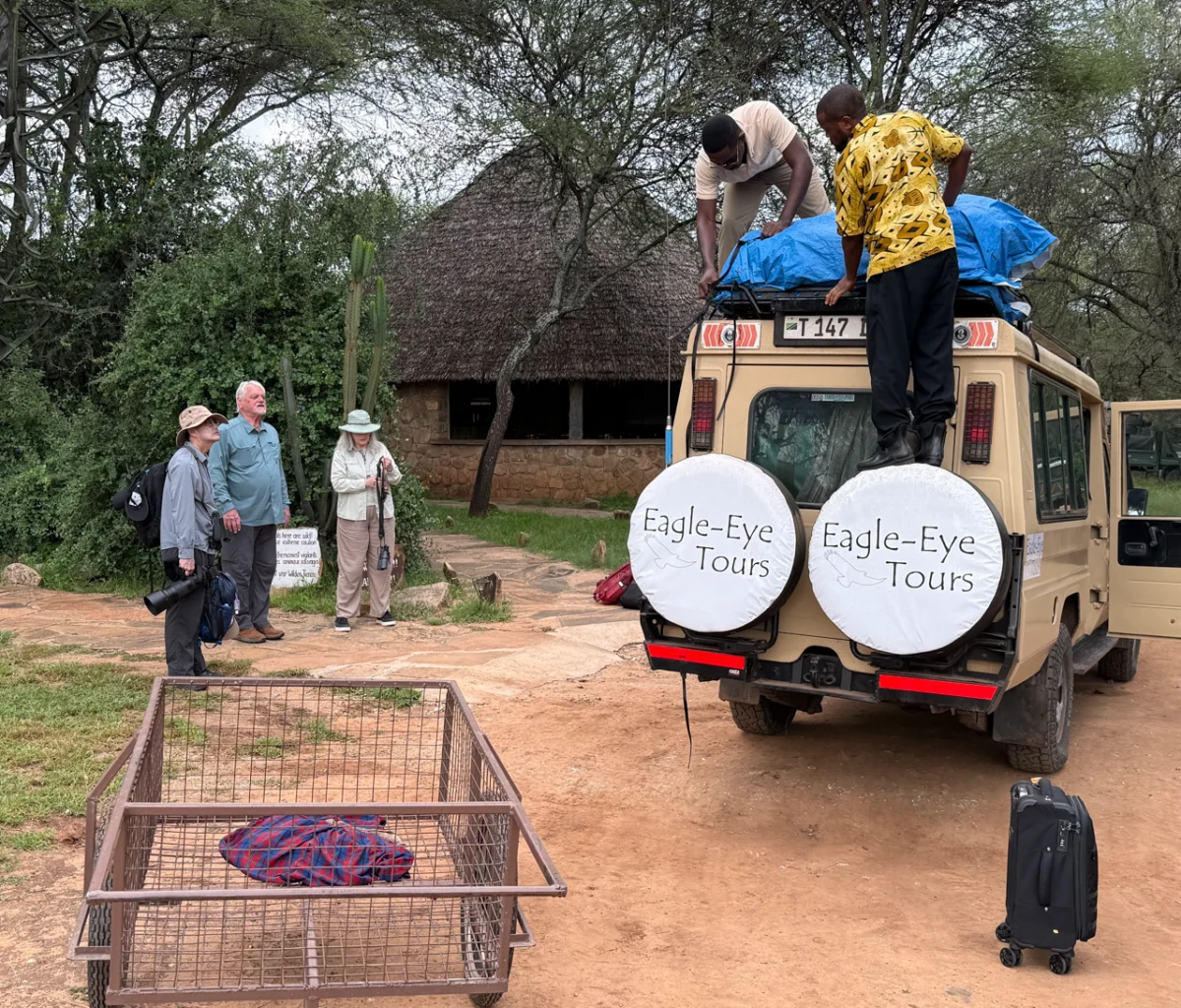
The Northern Circuit of Tanzania, long celebrated as a premier destination for global megafauna enthusiasts, recently served as the backdrop for a comprehensive two-week birding and wildlife safari conducted during the region’s "Green Season." Led by veteran guide James Wolstencroft, who resided in Tanzania for over a decade, the expedition provided a detailed look at the unique ecological transitions that occur during the late April period. This timeframe, historically characterized by the "Long Rains," offers a distinct perspective on the Tanzanian wilderness, characterized by lush landscapes, breeding displays among avian species, and a notable absence of the heavy tourist traffic typical of the dry season.
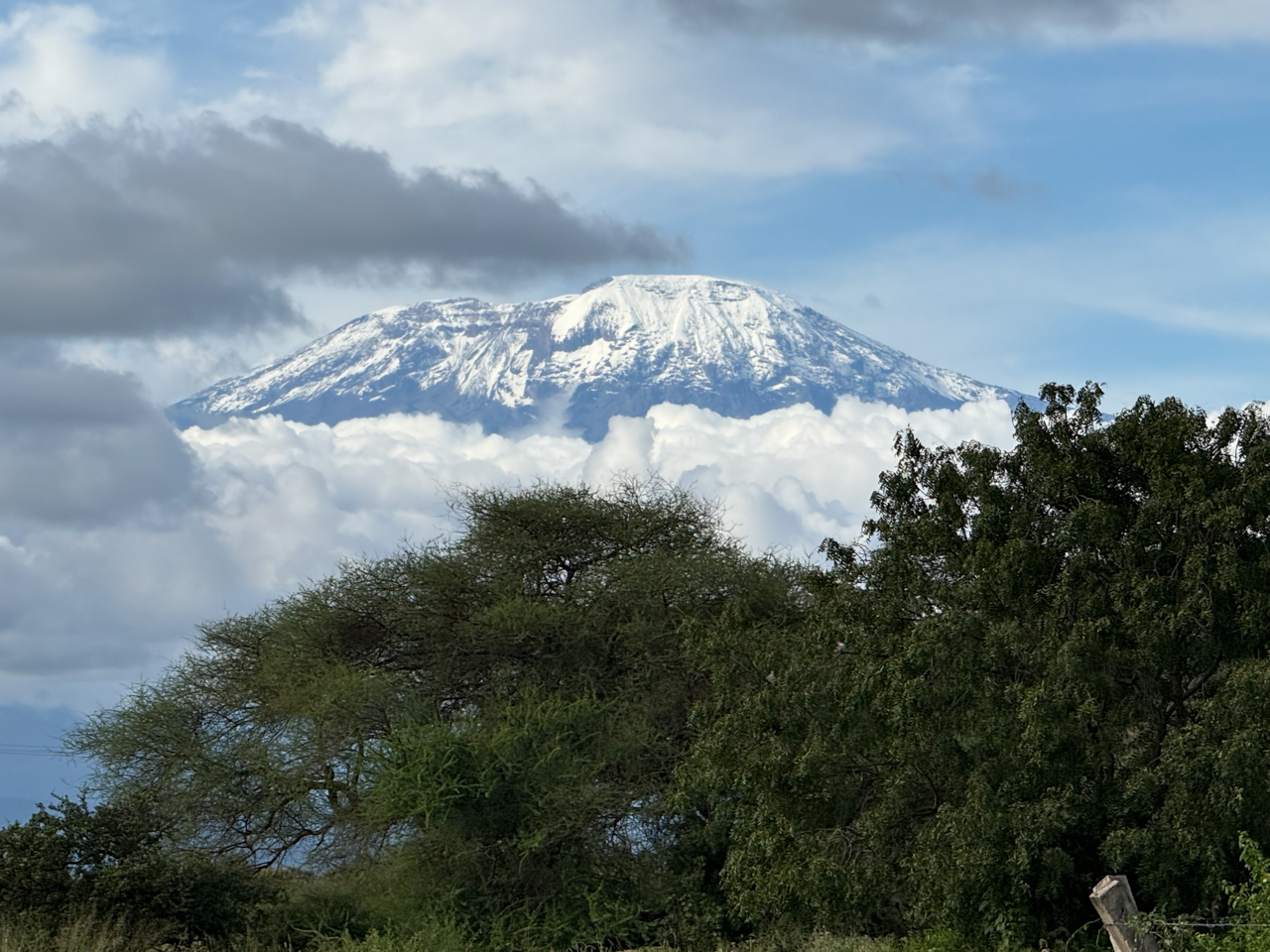
The expedition commenced at the KIA Lodge, strategically located adjacent to the Kilimanjaro International Airport. This initial staging point served as an immediate introduction to the region’s avian density. Observers recorded a rapid succession of species, ranging from the diminutive Collared Sunbird to the Kori Bustard, the world’s heaviest flying bird. The proximity of such diverse species to human infrastructure underscores the pervasive nature of Tanzanian biodiversity, even at the periphery of international transit hubs.
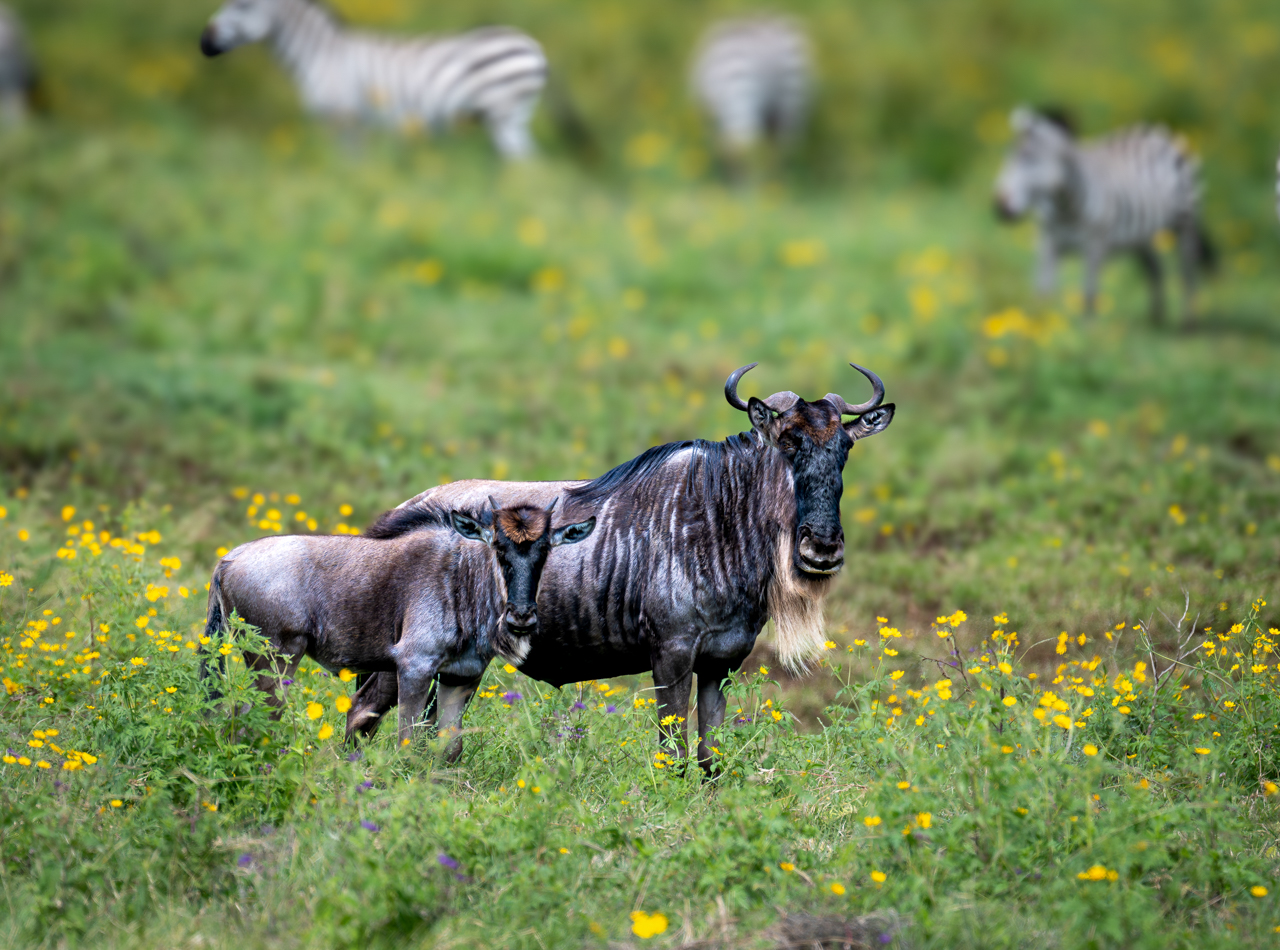
A Chronological Overview of the Expedition
The journey followed the established Northern Circuit, a route that encompasses some of the most significant biosphere reserves on the African continent. Following the initial observations at Kilimanjaro, the group moved toward the Arusha region, eventually penetrating the highlands that lead to the Ngorongoro Conservation Area.
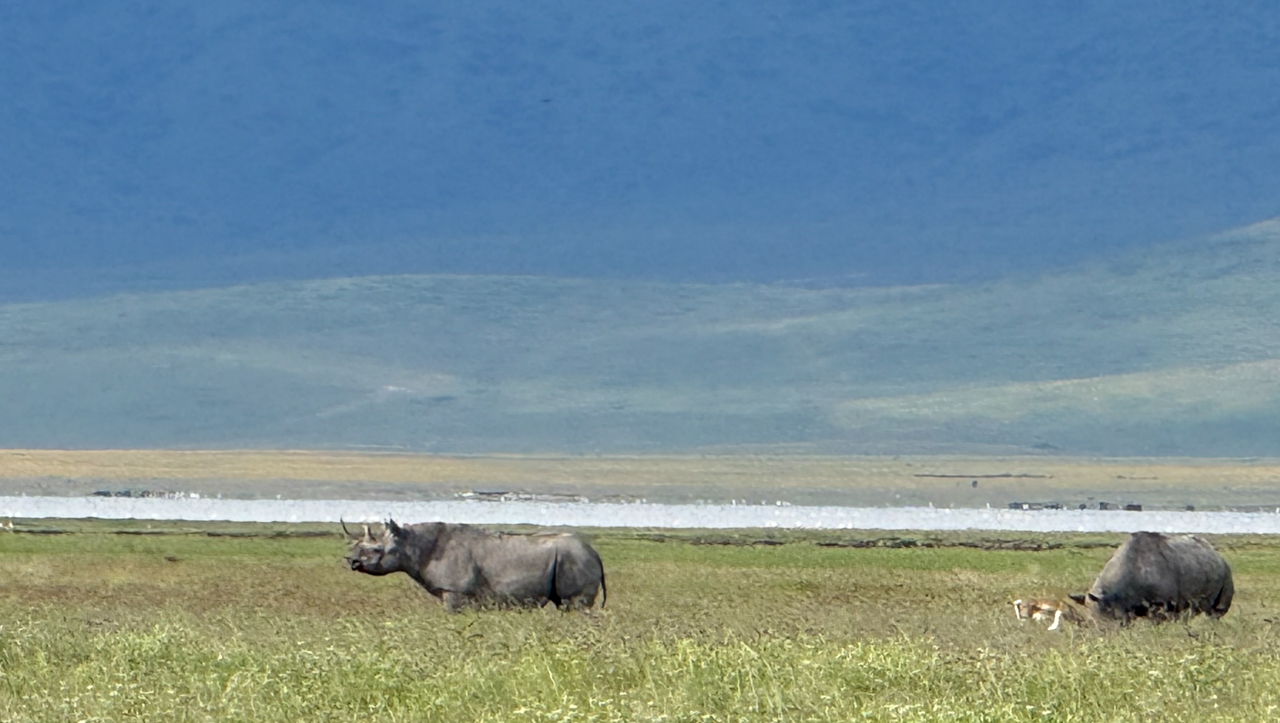
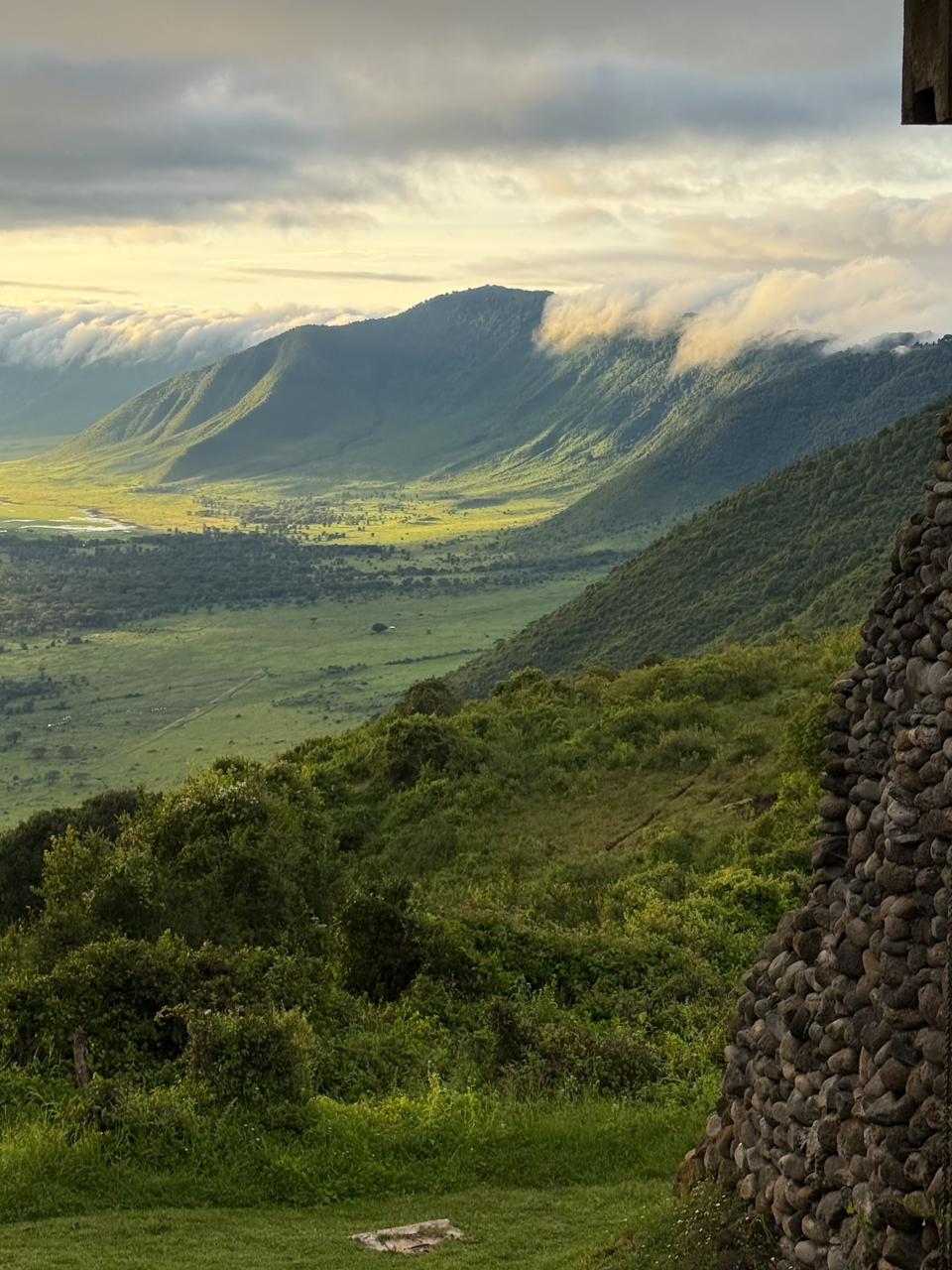
The visit to the Ngorongoro Crater represented the mid-point and a primary data-collection highlight of the tour. The crater, a massive volcanic caldera, creates a self-contained ecosystem approximately 600 meters below the rim. In a single eight-hour period of observation on the crater floor, the team documented 134 distinct bird species. This high density is attributed to the variety of habitats within the caldera, including alkaline lakes, fever tree forests, and open grasslands.
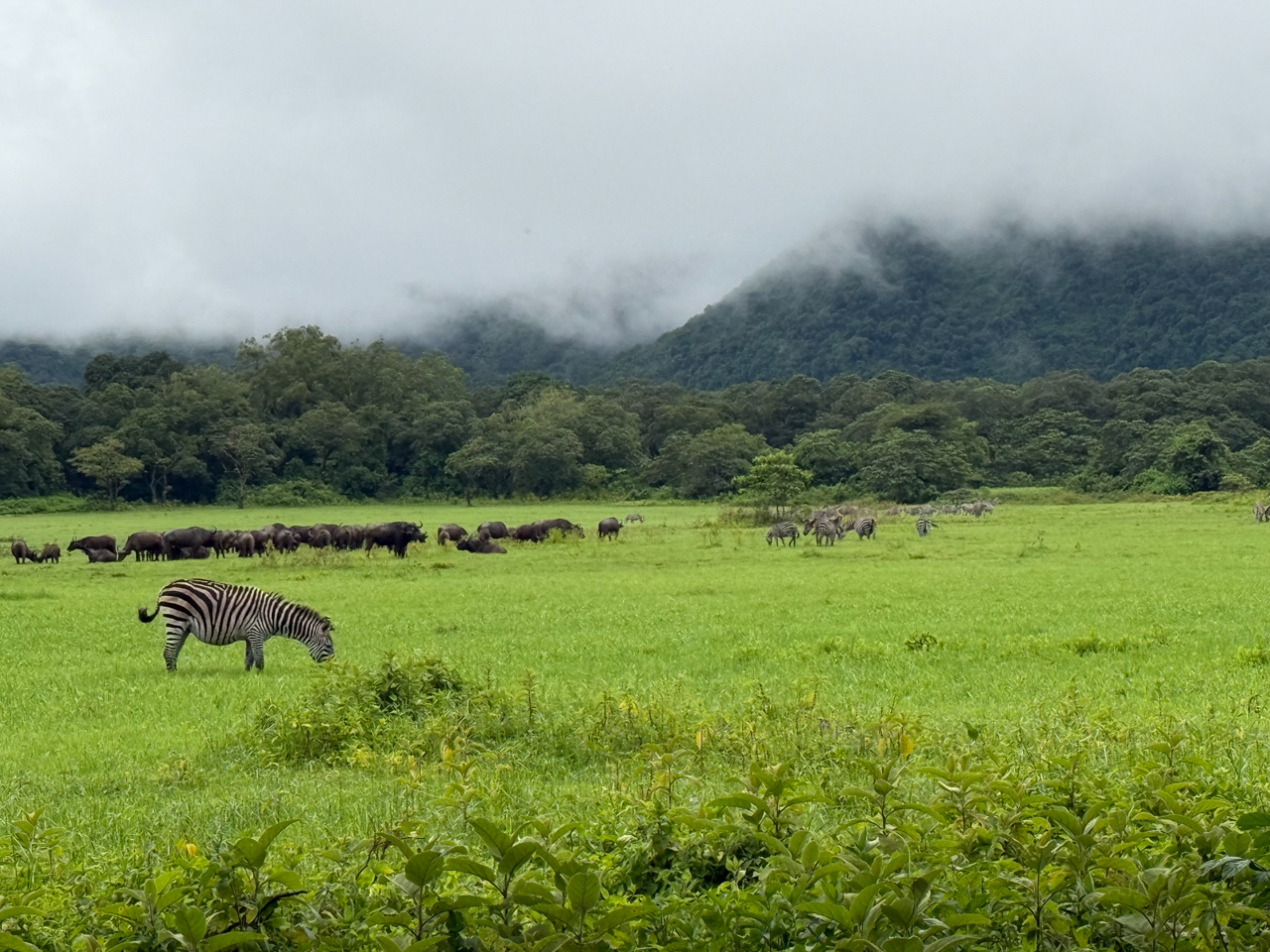
The itinerary then shifted toward the Serengeti ecosystem, specifically the Ndutu region on the edge of the short-grass plains. While the "Green Season" rains are essential for the region’s health, they presented logistical challenges. Unpredictable weather patterns, which have become increasingly volatile over the last 30 years, resulted in a single morning of restricted activity at Ndutu. This weather event was cited as the primary reason the group failed to locate the cheetah, a species typically synonymous with the Ndutu plains. However, the Serengeti portion of the trip remained productive, with significant sightings of leopards and lions.
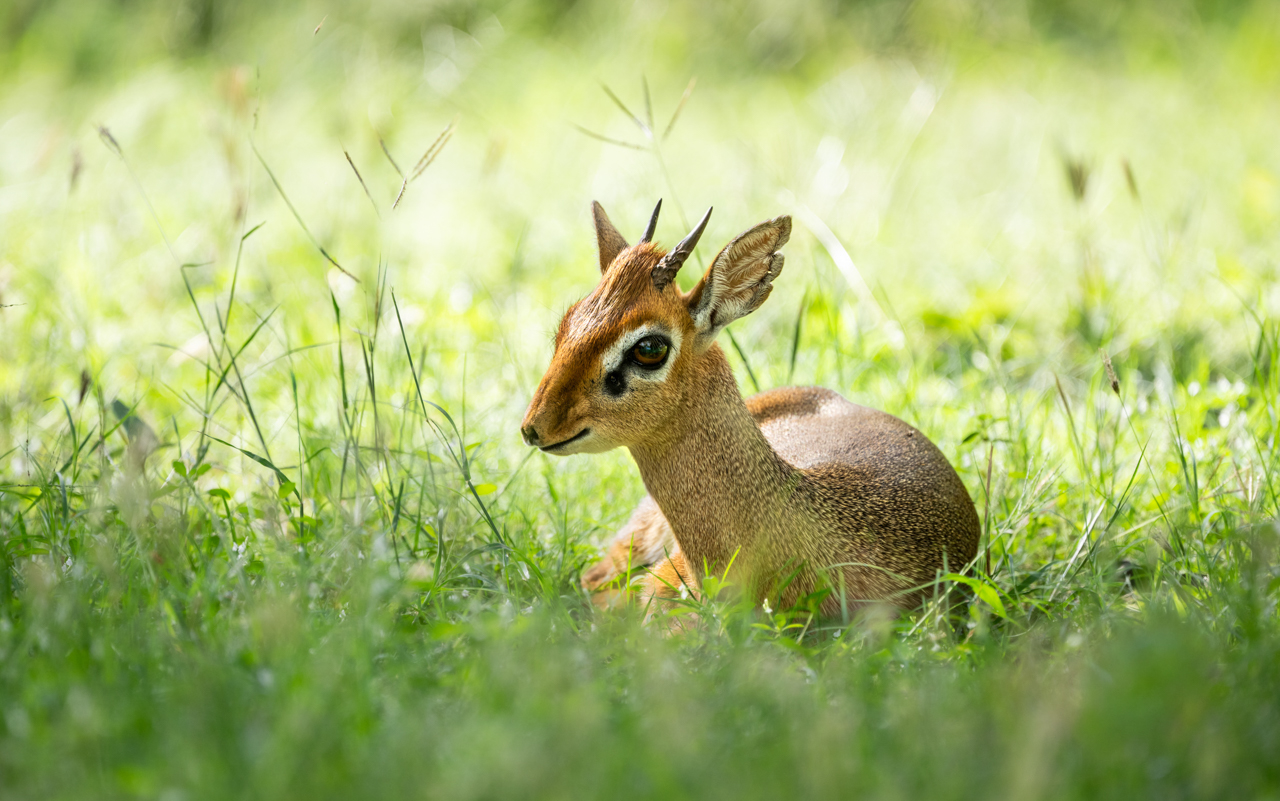
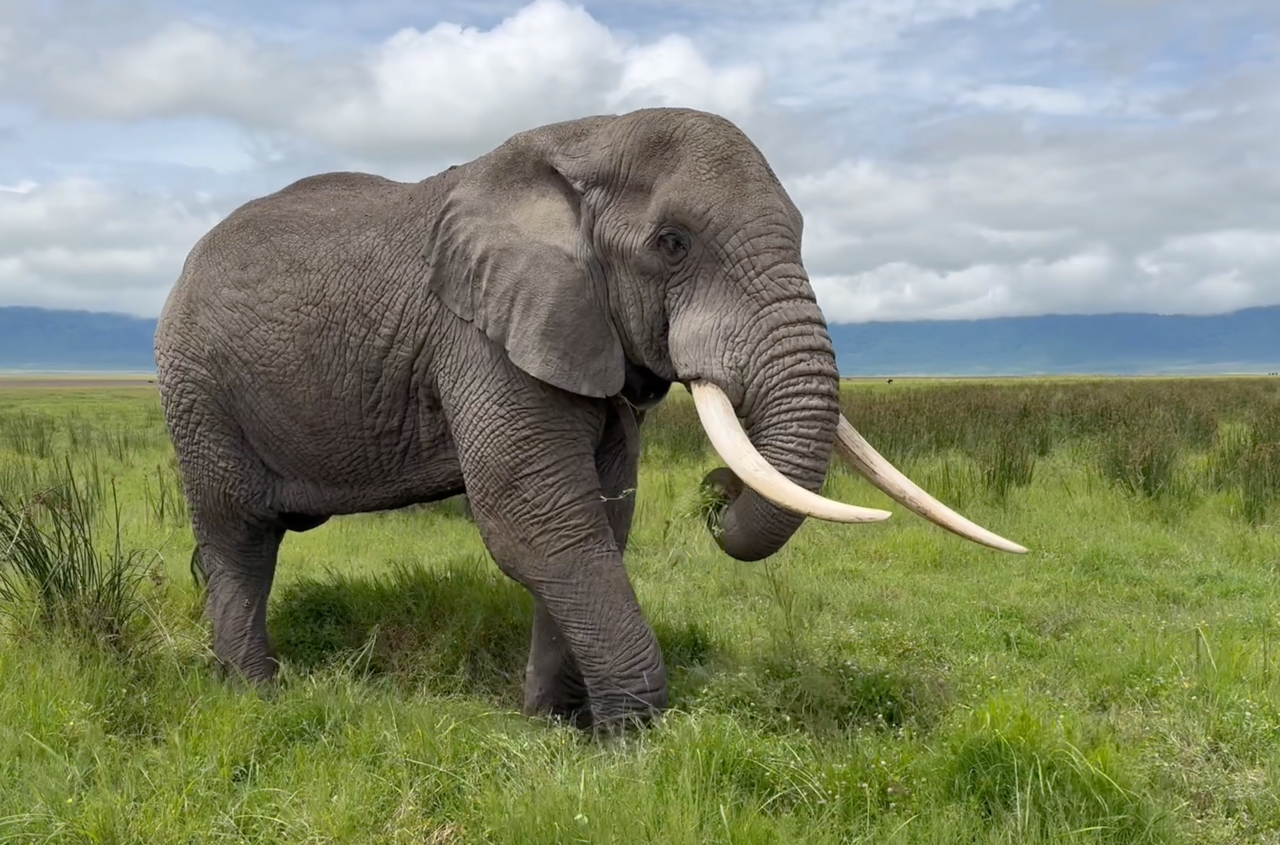
The final stages of the safari included the Grumeti Conservancy and Tarangire National Park. The latter is renowned for its baobab-studded landscapes and high elephant density. It was here that the group witnessed the courtship displays of the Hartlaub’s Bustard, a rare behavioral observation facilitated by the timing of the safari during the peak of the breeding season.
Avian Diversity and Breeding Phenology
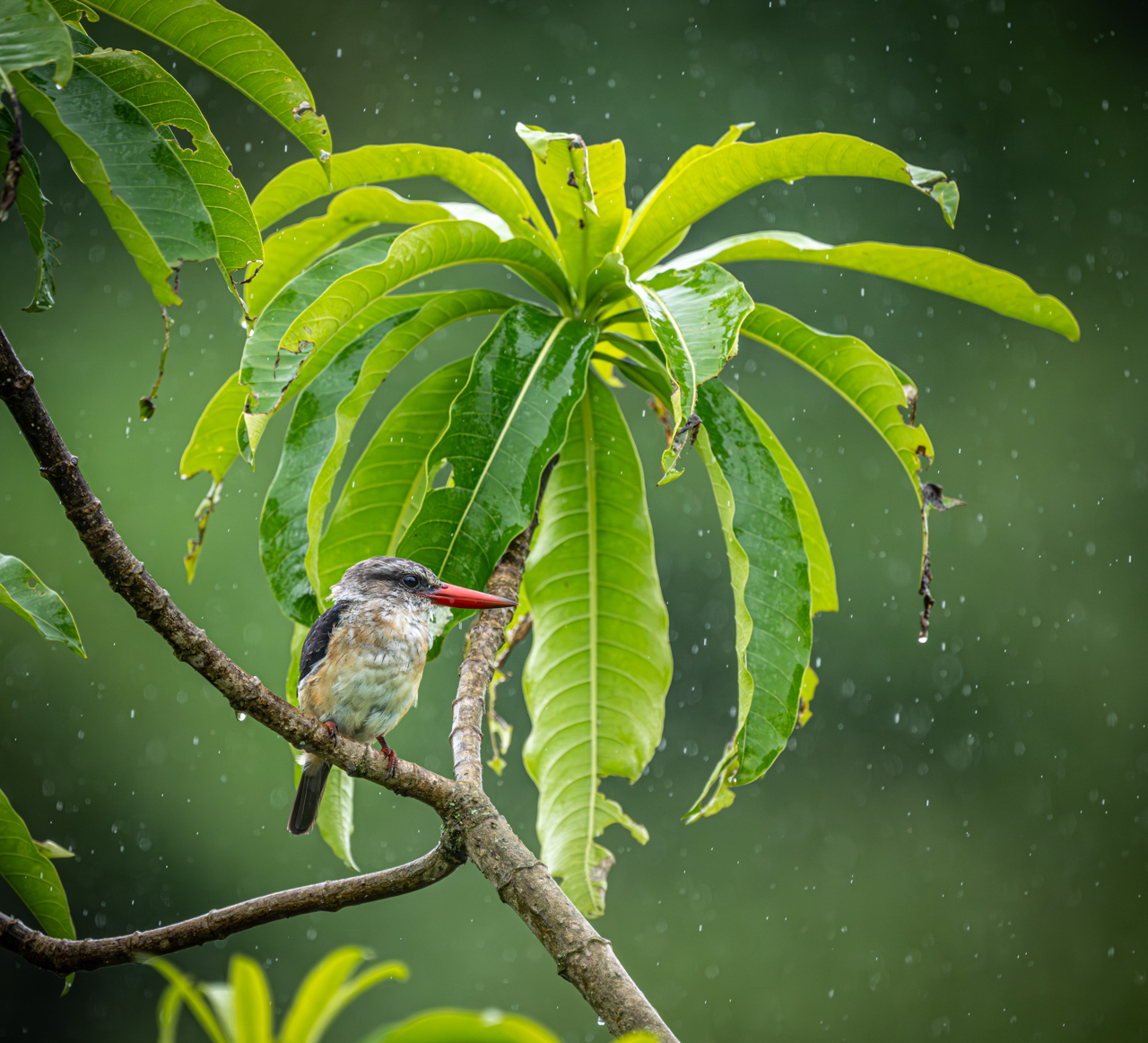
A primary objective of the April safari was the observation of passerine birds in their nuptial plumage. For many of Africa’s seed-eating species, the arrival of the rains triggers a dramatic transformation in appearance and behavior. The expedition recorded approximately 380 bird species in total, with individual participants documenting upwards of 360.
The report highlights several key avian families:
- Viduidae (Whydahs and Indigobirds): Four species of whydahs were observed, each displaying elongated tail feathers and intricate aerial displays designed to attract mates.
- Ploceidae (Weavers): Numerous weaver species were documented in high-activity breeding colonies. The yellow and black patterns of these birds are at their most vibrant during this window.
- Sturnidae (Starlings) and Nectariniidae (Sunbirds): These families provided the "scintillating" color palette of the trip. Eleven species of sunbirds were identified, showcasing the specialized niches these nectar-feeders occupy within the Tanzanian flora.
- Laniidae (Shrikes): Eight species of true shrikes were recorded, including the Taita Fiscal and the Magpie Shrike, providing data on the predatory passerine population.
The expedition also conducted a specialized walk in the cloud forests of Endoro on the eastern slopes of the Crater Highlands. This habitat yielded "bird waves"—mixed-species foraging flocks—that included tropical specialists often missed in the open savanna. Larger avian highlights included a pair of Secretary-birds nesting in the Grumeti Conservancy and four species of owls, including the giant Verreaux’s Eagle-Owl, located at their diurnal roosts.
Mammalian Observations and Apex Predators
While birding was a focal point, the mammalian data collected during the two weeks was equally significant. The "Big Five"—lion, leopard, elephant, buffalo, and rhinoceros—were all represented in the expedition’s findings.
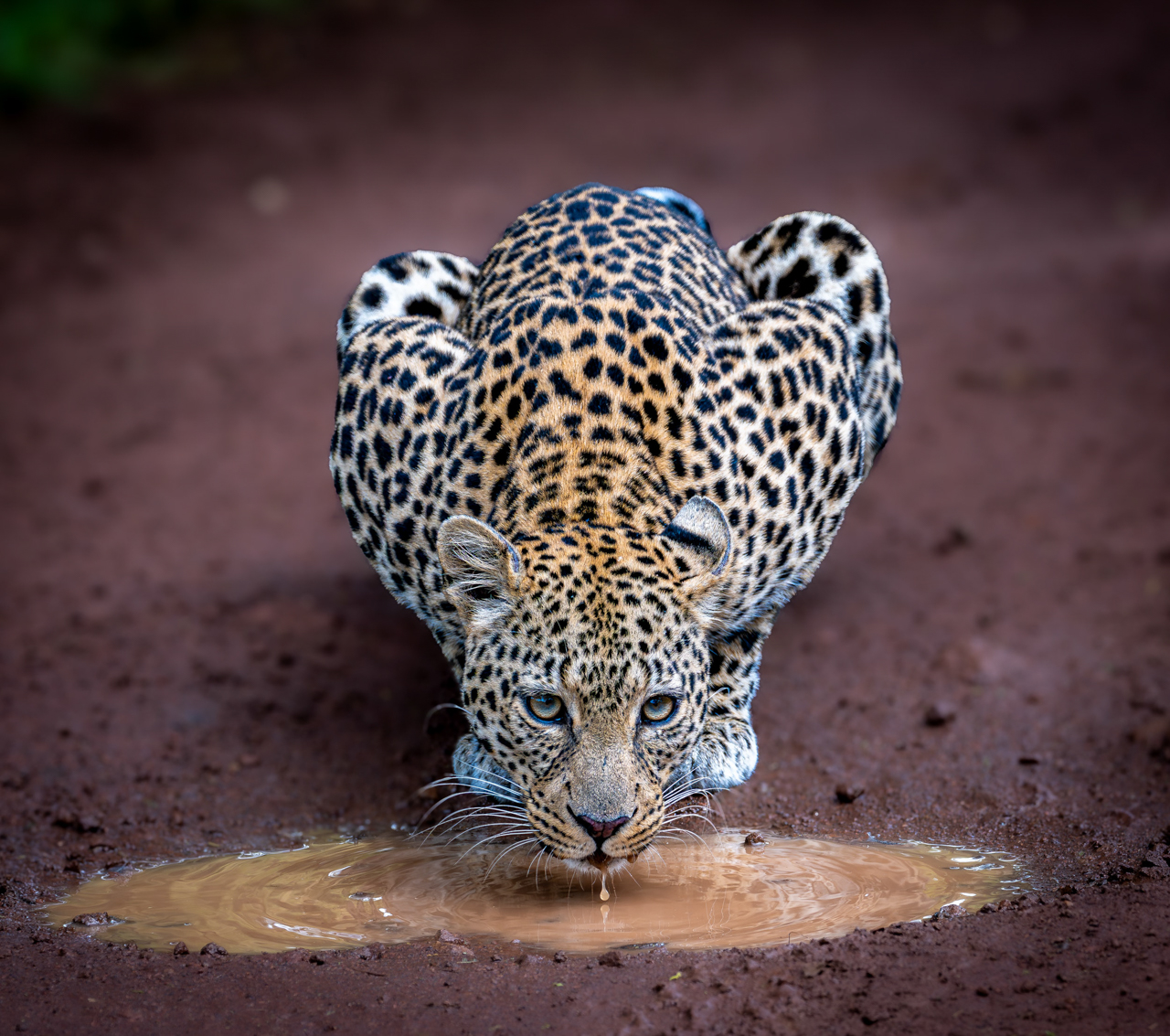
A total of 18 lions were recorded across the various parks. However, the leopard (Panthera pardus) sightings were described as the most impactful. The group encountered five leopards in total. One specific observation involved a courting male pausing to drink from a rain puddle on the road above the Ngorongoro Crater, a sighting that emphasizes the intimate wildlife encounters possible when human presence is minimized.
Other notable mammalian sightings included:
- Black Rhinoceros: Observed within the protected confines of the Ngorongoro Crater.
- Primates: Four species of higher primates were documented, with the pied Colobus monkeys in the forested regions being a highlight.
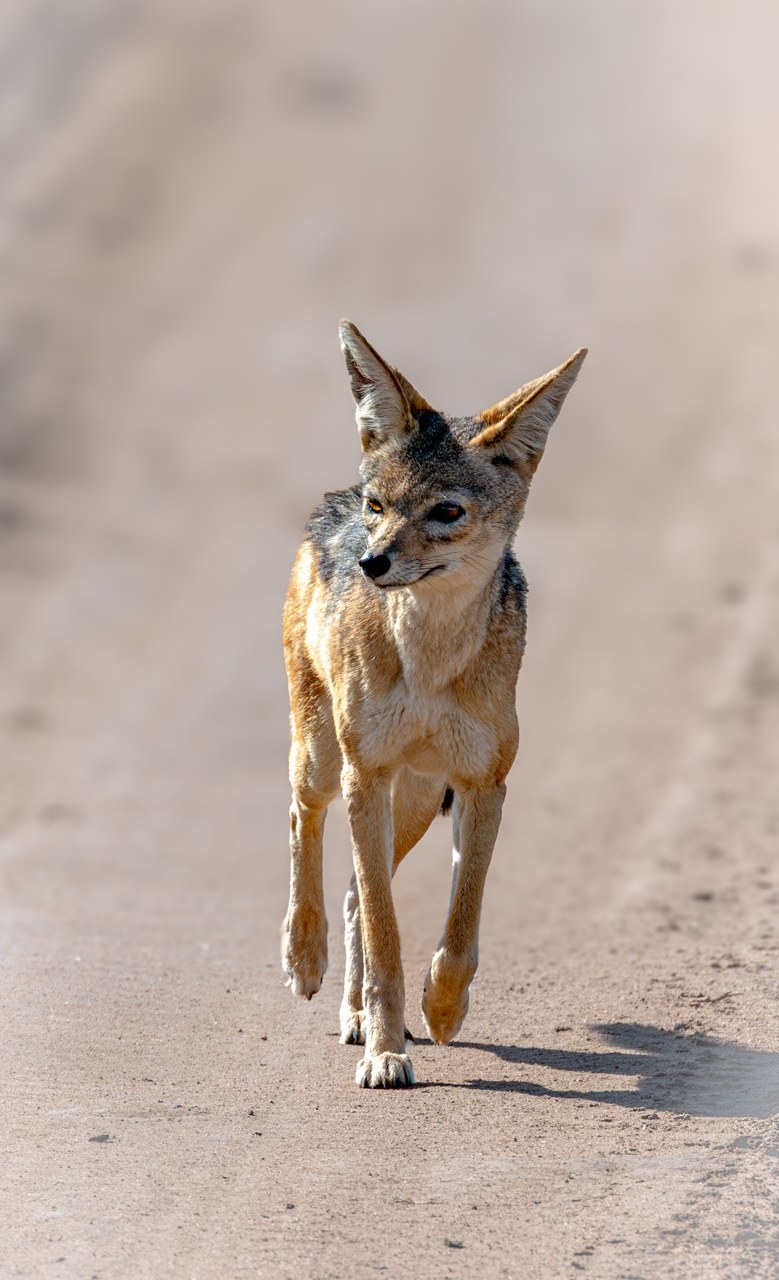
- Canids and Felids: Beyond the larger cats, the group identified the African Golden Wolf and the Black-backed Jackal near Lake Ndutu, as well as a secretive Serval cat in the Serengeti during the twilight hours.
- Paenungulata: The group observed both species of hyrax—the Rock Hyrax and the Yellow-spotted Bush Hyrax. Guides utilized these sightings to educate participants on the surprising evolutionary link between these small, rodent-like mammals and the African Elephant.
The Impact of the "Green Season" on Safari Logistics
The transition from the traditional dry season (July–October) to the Green Season (March–May) represents a shift in the ecotourism model for East Africa. While the dry season offers easier wildlife viewing due to sparse vegetation and animals congregating at limited water sources, the Green Season provides a more holistic view of the ecosystem’s vitality.
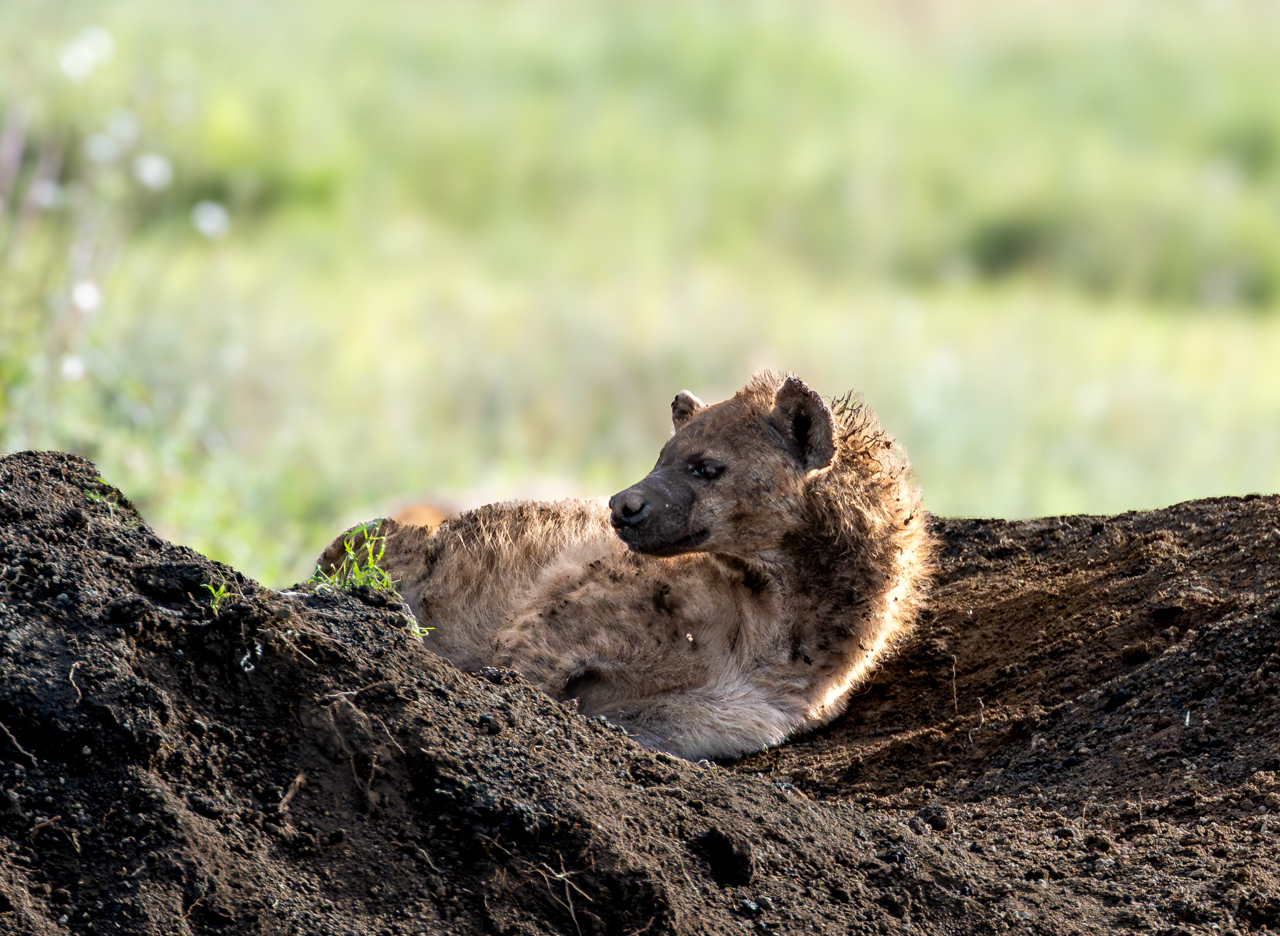
The expedition noted several "compensations" for the logistical difficulties posed by the rains. The abundance of water led to a surge in invertebrate and amphibian activity. Butterflies, dragonflies, and various reptiles were more prominent than in the dryer months, adding layers of complexity to the safari experience. Furthermore, the luxury camps in the central Serengeti reported audible interactions with Spotted Hyenas, which foraged near human settlements under the cover of the lush seasonal growth.
However, the report also touched upon the "fingers of human progress" encroaching on these wild spaces. Road development and increasing human activity along the borders of the national parks were noted as "sores" on the landscape. The expedition sought to mitigate the visual impact of this encroachment by navigating deeper into the reserves, though the long-term implications of infrastructure growth remain a concern for conservationists in the region.
Scientific and Conservation Implications
The documentation of 380 bird species and over 40 mammal species in a single two-week window serves as a vital indicator of the health of the Northern Circuit’s ecosystems. The "Green Season" is a period of replenishment; the success of breeding cycles for both birds and mammals during this time dictates the population densities for the remainder of the year.
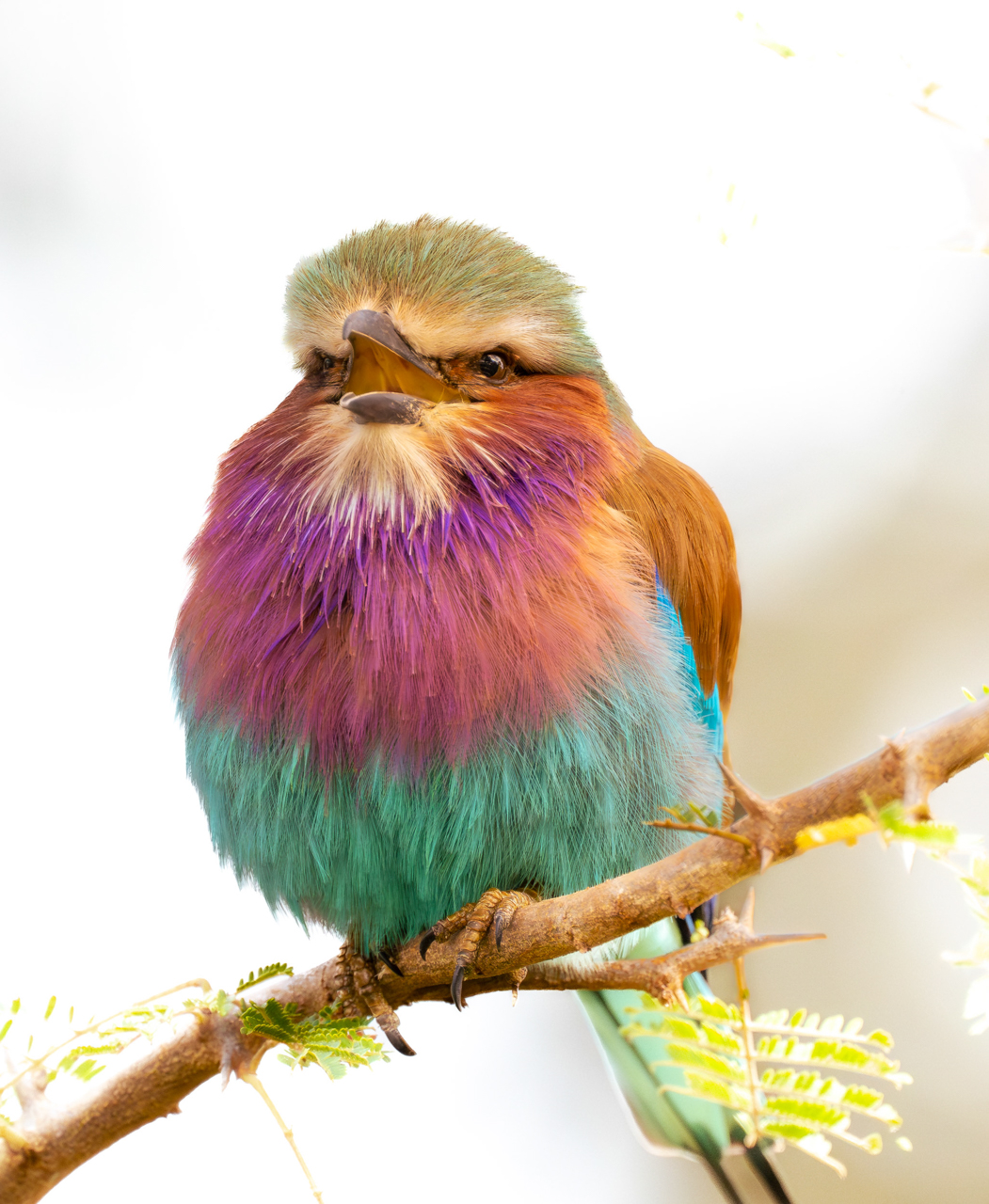
Data gathered from such safaris contributes to a broader understanding of species distribution and the impact of climate variability. The guide’s observation regarding the increasing unpredictability of the "Long Rains" aligns with broader meteorological trends in East Africa, where shifting precipitation patterns are forcing wildlife to adapt their migratory and breeding schedules.
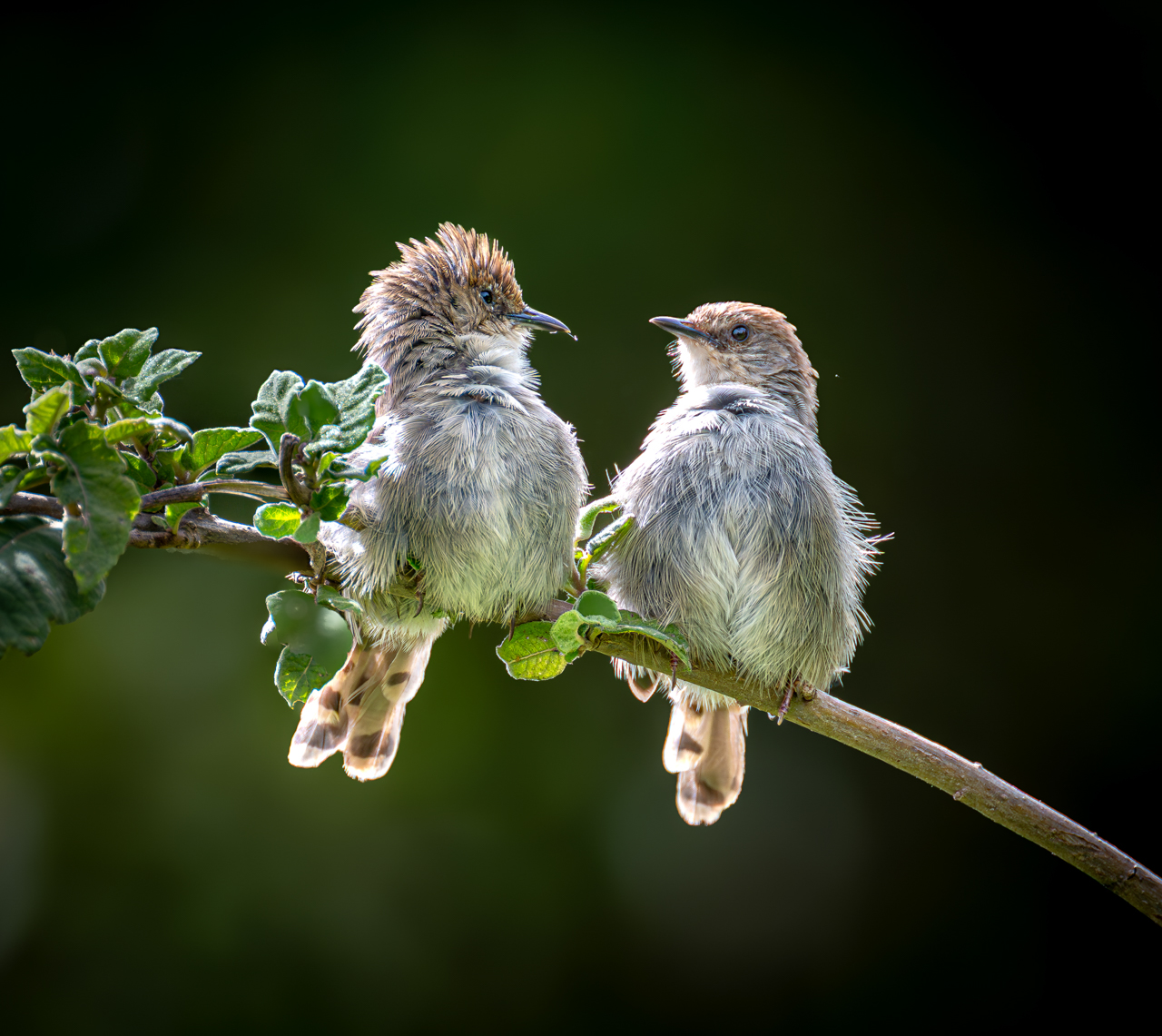
The presence of rare species like the Narina Trogon in Arusha and the Hartlaub’s Bustard in Tarangire confirms that these areas continue to provide the specialized habitats necessary for sensitive species. Conservation efforts in the Grumeti Conservancy, where the Secretary-bird nest was located, demonstrate the efficacy of private-public partnerships in expanding protected corridors for wildlife.

Conclusion and Future Outlook
The late April safari in Northern Tanzania concludes as a successful exercise in high-intensity biodiversity mapping. The combination of expert guiding and the unique timing of the "Green Season" allowed for a comprehensive survey of the region’s flora and fauna. While the cheetah remained elusive due to the very rains that sustain the plains, the sheer volume of other sightings—from the "laughing" hyenas of the Serengeti to the kaleidoscopic weavers of the crater highlands—reaffirms Tanzania’s status as a critical bastion for African wildlife.
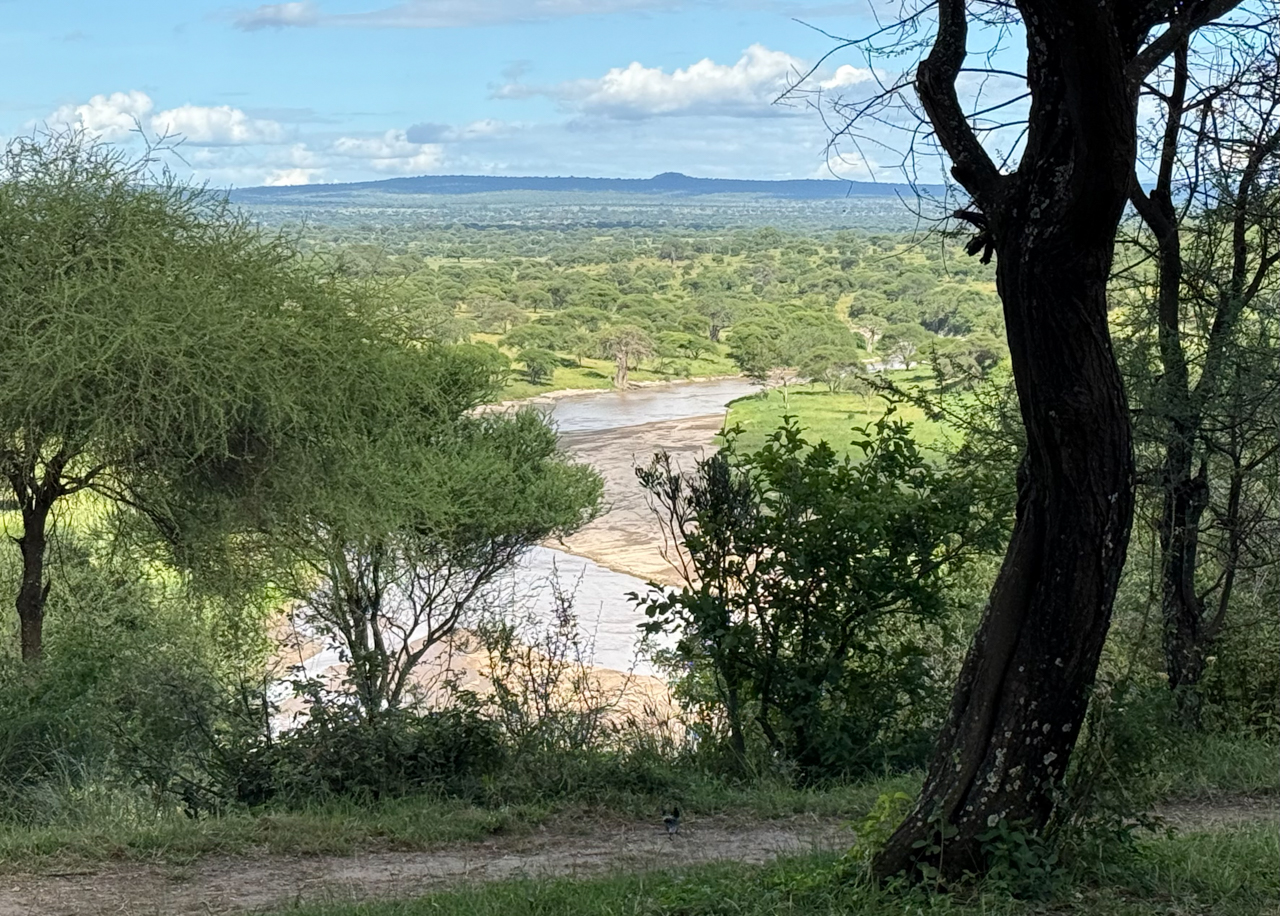
As the global travel industry continues to evolve, the move toward seasonal diversity in safaris may offer a path toward more sustainable tourism. By spreading visitor impact across the year and highlighting the beauty of the "Long Rains," operators can reduce the pressure on ecosystems during the peak dry season while providing travelers with an ecologically richer, more authentic experience of the African wilderness. For the participants of this expedition, the "kaleidoscope of images" carried home serves as a testament to the enduring, albeit fragile, majesty of the Tanzanian North.
