
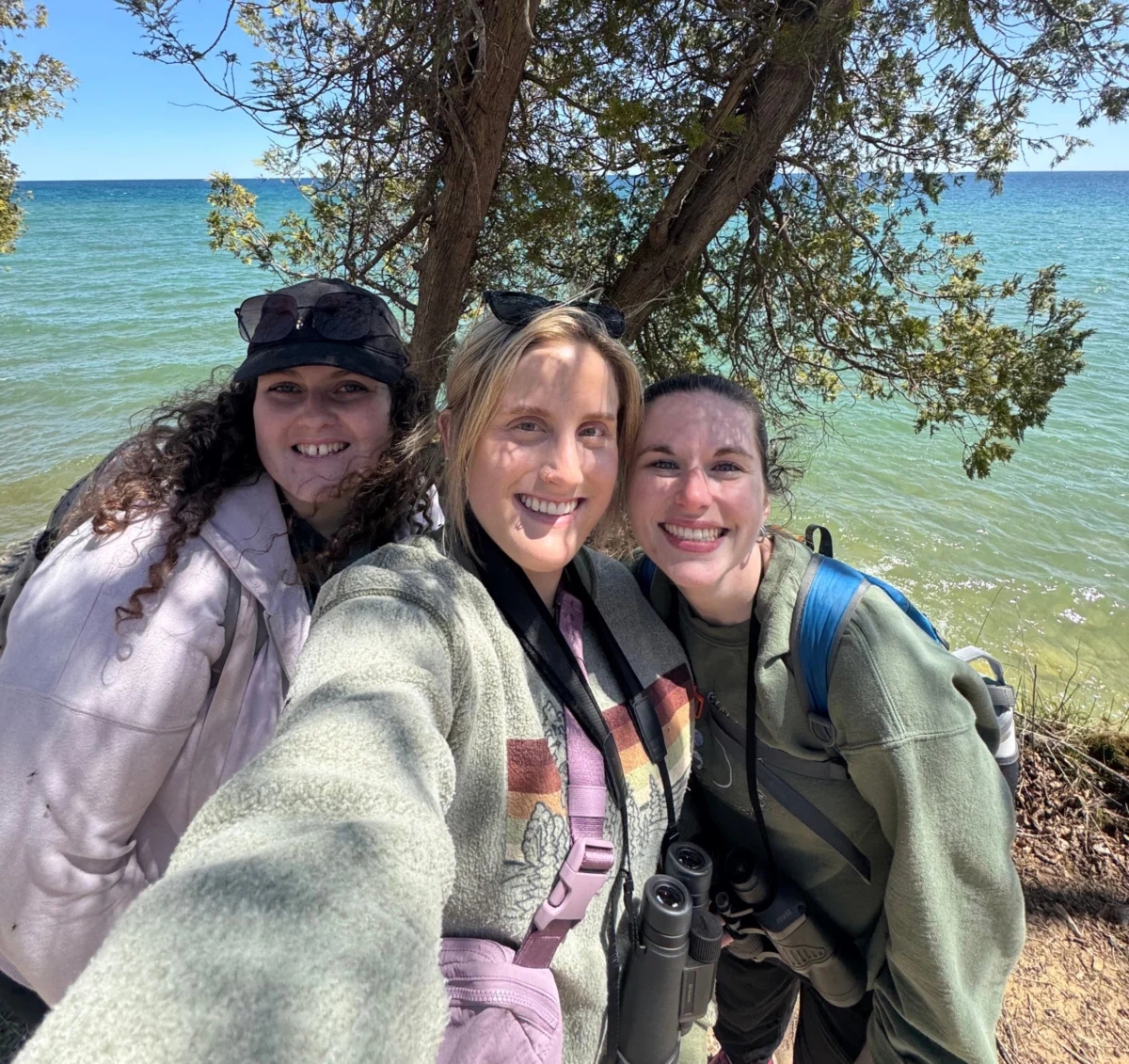
In the heart of Wisconsin, Carmen Meuret, Vice President for Winnebago Audubon and a licensed clinical social worker, is pioneering an innovative approach to mental health support by seamlessly weaving the natural world, particularly birds, into her therapeutic practice. This unique methodology aims to ease challenging conversations, deepen client relationships, and foster mental resilience, particularly among children and their caregivers navigating complex life issues. Meuret’s work underscores the profound, often underestimated, healing power of nature and its potential to transform lives.
The Therapeutic Power of Avian Connection
Meuret’s professional journey is deeply rooted in the belief that birding can be a transformative and healing experience. In her clinical practice, based in Oshkosh, Wisconsin, she works with families facing various challenges, employing birding as a tool to address anxiety and grief. Her objective extends beyond immediate therapeutic relief; she seeks to nurture a new generation of individuals who are not only mentally resilient but also deeply connected to conservation principles.
For Meuret, birding is not merely a professional technique but a vital form of self-care that resonates authentically with her personal values. This authenticity translates into her therapeutic environment. Her office, rather than being a sterile clinical space, features a collection of Audubon Plush Birds, reminiscent of her own childhood. These tactile connections to nature serve as conversation starters, helping to alleviate tension during sessions and encouraging clients to slow down and engage with the present moment. This deliberate integration of natural elements creates a calming atmosphere conducive to introspection and open communication.
The practice of mindfulness through birding is a cornerstone of Meuret’s strategy. She guides clients to engage their senses fully in natural settings, such as sitting by the water’s edge, observing a Common Loon, and listening intently to its distinctive yodeling call. This focused attention on the environment cultivates a state of present-moment awareness, which has been shown to support emotional regulation and enhance executive functioning—critical skills for children and adults alike in managing daily stressors. By immersing themselves in the intricate details of the natural world, clients learn to ground themselves, a vital skill in navigating overwhelming emotions.
Birds as Metaphors for Resilience and Adaptability
Beyond immediate mindfulness, birds offer powerful metaphors that Meuret leverages to inspire new perspectives during therapeutic sessions. The remarkable migratory journeys undertaken by many bird species, for instance, serve as compelling narratives of resilience, determination, and endurance. When discussing these arduous journeys, Meuret highlights the incredible strength and perseverance required for birds to travel vast distances, often across continents, in search of food and breeding grounds. These stories become relatable analogies for human struggles, emphasizing the capacity for sustained effort in the face of adversity.
"When we consider how birds adapt over time to changing environments and climates, I like to use this example to emphasize the strengths of remaining flexible and adaptable to challenge," Meuret explains. This ecological adaptability provides a tangible model for clients grappling with personal changes, helping them to see their own capacity for growth and adjustment. The ability of species to survive and thrive despite environmental pressures offers a hopeful message about human potential for coping and thriving through life’s inevitable transitions.
Furthermore, Meuret draws a direct line between caring for the natural world and fostering human well-being. "Finding purpose and meaning in caring for the natural world, birds specifically, can provide us with opportunities to engage in acts of kindness and service that can bring us incredible joy, happiness, and comfort," she states. This principle, she argues, extends directly to human interactions: "We can apply this example and lesson to humans as well—when we take care of each other and show kindness to each other, we experience valuable benefits." This interconnectedness fosters empathy, not only for nature but also for fellow human beings, promoting a holistic sense of purpose and belonging.
Scientific Validation: Nature’s Impact on Mental Health
Meuret’s intuitive approach is increasingly supported by a growing body of scientific research validating the profound benefits of nature exposure on mental and physical health. Numerous studies have established a strong correlation between time spent outdoors and improved well-being. For instance, research from institutions like Harvard University’s T.H. Chan School of Public Health indicates that engaging with nature can significantly reduce anxiety levels and lower the risk of chronic diseases. This evidence provides a robust scientific underpinning for integrating natural environments into therapeutic practices.
More specifically, recent studies have begun to differentiate the benefits of various outdoor activities. A compelling 2024 study, for example, revealed that birding, when compared to a simple nature walk, was associated with greater stress reduction and a more significant increase in feelings of well-being. This suggests that the focused observation and cognitive engagement inherent in birding may offer unique therapeutic advantages beyond general outdoor exposure. The act of identifying species, listening for calls, and understanding avian behaviors stimulates cognitive functions while simultaneously promoting relaxation and connection to the environment. These findings provide critical validation for Meuret’s specialized use of birding as a therapeutic intervention.
The mental health landscape for children and adolescents has become increasingly challenging in recent years, a trend exacerbated by global events such as the COVID-19 pandemic. Data from the Centers for Disease Control and Prevention (CDC) and other health organizations reveal rising rates of anxiety, depression, and other mental health disorders among youth. In this context, innovative and accessible interventions like Meuret’s become even more crucial. By offering a non-pharmacological, engaging, and enjoyable pathway to mental wellness, birding provides a vital complement to traditional therapeutic modalities. It offers children a sense of agency, discovery, and connection at a time when many feel overwhelmed and disconnected.
A Personal Journey: From Young Birder to Audubon Leader
Carmen Meuret’s journey into social work and avian advocacy is deeply personal, rooted in a lifelong connection to nature. Growing up just south of Oshkosh, Wisconsin, she developed an early fascination with the birds inhabiting her family’s property. This nascent interest was nurtured by the local conservation community. At the tender age of nine, Meuret began attending events at an east-central Wisconsin Audubon chapter, marking the beginning of her formal engagement with conservation.
Her passion quickly found an outlet in writing. She contributed articles to "A Kid’s Eye View," a column featured in Winnebago Audubon’s newsletter, The Lake Flyer. These early journalistic endeavors not only honed her observational skills but also deepened her understanding of local wildlife and ecological principles. Her involvement with Audubon was a formative experience, providing a platform for her burgeoning interest and shaping her commitment to environmental stewardship. Decades later, Meuret’s journey has come full circle, as she now serves as the Vice President of the very same Winnebago Audubon chapter that fostered her childhood curiosity. This progression from a young participant to a leadership role exemplifies the long-term impact of early engagement with nature and community organizations.
Today, Meuret finds particular joy and inspiration in observing waterfowl, such as the vibrant Wood Duck and the distinctive Northern Shoveler. These species hold special significance for her, likely stemming from memorable personal experiences in their observation. Her personal enjoyment reinforces her professional conviction that connecting with birds is a universally beneficial activity. She advocates for an accessible approach to birding, encouraging everyone to engage with birds in ways that suit their individual circumstances and capabilities. "Don’t put too much pressure on yourself," she advises. "Get out there and enjoy what you can." This inclusive philosophy ensures that the therapeutic benefits of nature are available to all, regardless of expertise or equipment.
Winnebago Audubon: A Pillar of Community and Conservation
The Winnebago Audubon chapter, where Meuret serves as Vice President, is an integral part of the larger National Audubon Society network, a venerable organization dedicated to bird conservation since 1905. The National Audubon Society’s mission encompasses protecting birds and the places they need, today and tomorrow, through science, advocacy, education, and on-the-ground conservation efforts. Local chapters like Winnebago Audubon are the grassroots engines of this mission, translating national goals into tangible community action.
Winnebago Audubon actively engages its community through various initiatives, including educational programs, habitat restoration projects, and guided nature walks. Meuret has personally led children’s nature walks through the chapter, incorporating mindfulness activities designed to heighten sensory awareness. Participants are encouraged to describe textures, note diverse smells and sounds, and count different colors of birds, fostering a holistic engagement with their surroundings. Such activities not only educate about local ecosystems but also cultivate a deeper appreciation for nature, laying the groundwork for future conservation efforts.
The chapter’s commitment, mirrored by Meuret’s personal philosophy, emphasizes that nature belongs to everyone and that everyone belongs in nature. This ethos is crucial for ensuring equitable access to green spaces and the mental health benefits they offer. By actively engaging diverse populations, Winnebago Audubon, under leaders like Meuret, is instrumental in cultivating the next generation of young birders and nature lovers, ensuring the continuity of both environmental stewardship and community well-being.
The Broader Implications: Scaling Nature-Based Therapies
Carmen Meuret’s pioneering work in integrating birding into social work practice holds significant broader implications for the fields of mental health, public health, and environmental education. Her success demonstrates the potential for scaling nature-based therapeutic interventions beyond individual practices and into mainstream healthcare and community programs. The concept of "ecotherapy," which posits that human health is intrinsically linked to the health of the planet, is gaining traction, and Meuret’s work provides a compelling real-world model.
The integration of nature into therapeutic settings offers a cost-effective, accessible, and often more engaging alternative or complement to traditional therapies. As healthcare systems grapple with increasing demand for mental health services, particularly for youth, innovative approaches that leverage natural resources can alleviate pressure and offer diverse pathways to healing. Policymakers and public health officials are increasingly exploring "nature prescriptions," where healthcare providers formally recommend time in nature as part of a treatment plan. Meuret’s methodology provides a robust framework for developing and implementing such programs, offering concrete examples of how specific nature-based activities can be therapeutically structured.
Furthermore, this approach fosters a reciprocal relationship between human well-being and environmental stewardship. When individuals experience the healing power of nature firsthand, they are more likely to develop a sense of responsibility and care for the environment. This symbiotic relationship is crucial for addressing the dual crises of mental health and ecological degradation. By nurturing a deeper connection to nature in therapeutic settings, Meuret is not only improving individual lives but also cultivating a more environmentally conscious and engaged citizenry. Organizations like the Audubon Society, with their established networks and educational resources, are uniquely positioned to partner with mental health professionals to expand the reach and impact of these nature-based programs.
Inferred responses from the broader mental health community would likely praise Meuret’s innovative synthesis of clinical practice and ecological engagement. Experts in ecopsychology and nature therapy would commend her practical application of theoretical frameworks, demonstrating tangible benefits for clients. Leaders within the Winnebago Audubon chapter would undoubtedly express pride in Meuret’s dual commitment, recognizing her ability to bridge conservation efforts with vital community health services, thereby enhancing the chapter’s relevance and impact. Her work serves as a testament to the power of interdisciplinary approaches in addressing complex societal challenges.
Conclusion
Carmen Meuret’s work stands as a powerful testament to the extraordinary joy, peace, and calm that birds and the natural world can bring. Through her unique integration of avian wisdom into social work, she is not only providing vital mental health support to children and families in Wisconsin but also demonstrating a scalable model for nature-based therapy. Her personal journey from a curious child birder to a respected leader in both conservation and clinical practice exemplifies the profound impact of fostering an early connection with nature. In an increasingly complex world, Meuret’s message—to simply "get out there and enjoy what you can"—offers a simple yet profound pathway to enhanced well-being, resilience, and a deeper connection to the living world around us.
