
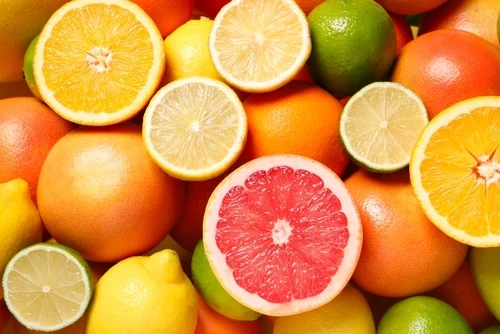
The practice of supplementing poultry diets with kitchen scraps has long been a staple of backyard homesteading, yet the inclusion of citrus fruits remains a subject of significant debate among avian nutritionists and poultry experts. While chickens are omnivorous and capable of consuming a wide variety of organic matter, the physiological impact of citrus—including oranges, lemons, limes, and grapefruits—suggests that these fruits may pose more risks than benefits. Scientific consensus indicates that while trace amounts of citrus are unlikely to be acutely toxic, regular consumption can lead to systemic issues involving calcium metabolism, skeletal integrity, and eggshell quality.
The Chemical Interaction: Citric Acid and Calcium Absorption
The primary concern regarding citrus consumption in poultry is the high concentration of citric acid and its subsequent effect on calcium bioavailability. Laying hens have an extraordinary physiological demand for calcium; a single eggshell consists of approximately 94% to 97% calcium carbonate. To meet this demand, a hen must efficiently absorb calcium from her diet and, when necessary, mobilize it from her medullary bone reserves.
Research into avian nutrition suggests that excessive citric acid can interfere with this delicate balance. When ingested in significant quantities, citric acid may bind with dietary calcium within the digestive tract, potentially forming calcium citrate. While calcium citrate is a common supplement for humans, the specific pH requirements of a chicken’s proventriculus and gizzard mean that such chemical shifts can alter the absorption rate. Furthermore, some studies suggest that high levels of Vitamin C (ascorbic acid), which is abundant in citrus, can paradoxically interfere with the absorption of calcium in birds when provided in excess of their biological requirements.
If a hen’s calcium absorption is hindered, the biological imperative to produce an eggshell does not cease. Instead, the bird’s body begins to leach calcium from its own skeletal structure at an accelerated rate. This process can lead to "Cage Layer Fatigue" or nutritional secondary hyperparathyroidism, resulting in brittle bones, fractures, and a decline in overall mobility.

Avian Physiology and the Vitamin C Paradox
In human nutrition, citrus is celebrated for its high Vitamin C content, an essential nutrient that the human body cannot synthesize. However, the biological profile of Gallus gallus domesticus—the domestic chicken—is fundamentally different. Chickens are among the species capable of endogenous synthesis of Vitamin C. This process occurs primarily in the kidneys or liver (depending on the age and species of the bird), where glucose is converted into ascorbic acid.
Because chickens produce their own Vitamin C, dietary supplementation is generally unnecessary. Under standard environmental conditions, a healthy chicken maintains optimal levels of Vitamin C to support its immune system and collagen production. The introduction of external Vitamin C via citrus fruits offers no additional nutritional benefit and, as noted, may contribute to the disruption of calcium uptake.
An interesting biological footnote often cited by poultry experts is the nutritional composition of the egg itself. An egg contains nearly every vitamin and mineral required to sustain life, including Vitamins A, D, E, K, and the B-complex suite. Notably absent from this list is Vitamin C, further underscoring that the developing embryo does not require an external source of the vitamin to thrive.
Impacts on Egg Production and Shell Quality
The most immediate indicator of nutritional imbalance in a backyard flock is often found in the nesting box. When citrus interference affects calcium levels, the quality of eggshells begins to deteriorate. Poultry keepers may observe a progression of symptoms:
- Thinning Shells: Eggs that feel fragile or crack easily during collection.
- Sandpaper Texture: Rough or pimpled shells, indicating an uneven distribution of calcium.
- Soft-Shelled or "Rubber" Eggs: Eggs laid with only a membrane and no hard shell, a sign of acute calcium deficiency or absorption failure.
- Decreased Production: Eventually, the hen’s body may cease egg production entirely to preserve its remaining mineral reserves.
Beyond the shell, there are anecdotal reports from the agricultural community suggesting that citrus consumption can impart a "taint" or off-flavor to the eggs, though scientific data on the sensory impact of citrus-heavy diets remains sparse compared to the data on garlic or onions.

Behavioral Observations and Natural Aversion
Observers of poultry behavior have long noted that chickens often display a natural aversion to citrus fruits. In a free-range environment or when offered a variety of kitchen scraps, chickens will typically pick through the pile, consuming leafy greens, grains, and most fruits while leaving citrus rinds and pulps untouched.
This behavior is thought to be an evolutionary adaptation. The strong scent of limonene—the chemical compound responsible for the distinct aroma of citrus—and the bitter taste of the pith (the white part of the peel) act as natural deterrents. While a hungry chicken might consume citrus if no other food is available, their natural instinct generally guides them away from substances that could disrupt their internal chemistry.
The Role of Citrus in Heat Stress Management: A Rare Exception
While the general rule for backyard flocks is to avoid citrus, some veterinary research has explored the use of Vitamin C during periods of extreme heat stress. When temperatures rise above 85°F (29°C), chickens struggle to regulate their body temperature, often leading to a decrease in the natural synthesis of Vitamin C.
In controlled poultry science studies, supplementary Vitamin C has been shown to help birds cope with oxidative stress caused by high temperatures. However, even in these instances, veterinarians typically recommend water-soluble supplements with precise dosages rather than the feeding of whole citrus fruits. The acidity of the fruit can cause digestive upset, which, when combined with heat stress, can exacerbate dehydration.
Chronology of Dietary Recommendations in Poultry Farming
The understanding of citrus in poultry diets has evolved over the decades alongside the growth of the backyard poultry movement.

- Early 20th Century: Small-scale farmers fed "slop" or kitchen scraps indiscriminately. Because citrus was often a luxury or seasonal item, it rarely made up a significant portion of the diet.
- 1950s-1970s: The rise of industrial poultry farming led to highly standardized pellet feeds. Research focused on maximizing output, establishing the "10% rule"—the idea that treats and scraps should never exceed 10% of a bird’s total caloric intake.
- 1990s-2010s: The resurgence of backyard homesteading increased the frequency of "scrap-feeding." During this period, anecdotal evidence regarding citrus and thin eggshells began to circulate more widely in agricultural extensions.
- Present Day: Modern avian medicine emphasizes the "prevention through nutrition" model. Leading experts, such as Lisa Steele of Fresh Eggs Daily, advocate for a "better safe than sorry" approach, recommending that citrus be diverted to the compost pile rather than the chicken coop.
Official Guidelines and Expert Responses
While the USDA and major agricultural universities do not typically issue specific "bans" on citrus for chickens, their dietary guidelines for small-scale poultry are clear. The University of California Division of Agriculture and Natural Resources (UC ANR) emphasizes that a balanced commercial feed should constitute the vast majority of a hen’s diet.
Agricultural extension agents frequently advise that "high-acid fruits" should be limited. In response to inquiries regarding citrus, experts generally point to the risk of "citrus-induced interference" with the medullary bone. The consensus among the American Pastured Poultry Producers Association (APPPA) and similar organizations is that while a single orange slice is not a death sentence, the risks to long-term skeletal health outweigh any perceived variety the fruit might add to the diet.
Broader Implications: Nutritional Literacy for Small-Scale Producers
The citrus debate highlights a broader trend in the agricultural sector: the need for nutritional literacy among non-commercial producers. As more households adopt chickens as both pets and food sources, the distinction between "edible" and "optimal" becomes crucial.
The "humanization" of poultry—treating chickens as household pets that should enjoy the same variety of foods as their owners—can sometimes lead to unintended health consequences. Professional journalistic analysis of the poultry industry suggests that the most successful backyard operations are those that prioritize biological requirements over the desire to eliminate food waste.
Diversion of citrus to composting is recommended as the most efficient and safe use of the resource. In the compost pile, the acidity of the citrus is neutralized over time by microbial activity, eventually creating a nutrient-rich soil amendment that can grow chicken-safe vegetables, such as kale or Swiss chard, which provide the calcium and Vitamin K that citrus lacks.

Conclusion
In summary, the evidence regarding the feeding of citrus to chickens points toward a cautious approach. The interference with calcium absorption remains the primary concern, posing a direct threat to the skeletal health of the hen and the structural integrity of her eggs. Given that chickens derive no unique nutritional benefit from citrus and often naturally avoid it, the most responsible course of action for poultry keepers is to exclude these fruits from their birds’ diet. By focusing on high-calcium greens, quality grains, and balanced commercial feeds, producers can ensure the longevity and productivity of their flocks while avoiding the metabolic pitfalls associated with high-acid fruit consumption.
