
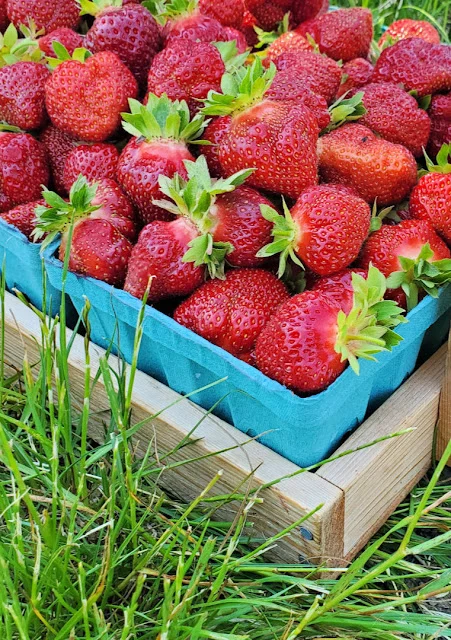
The integration of supplemental fruits and vegetables into the diets of backyard poultry has transitioned from a casual hobbyist practice to a subject of significant nutritional interest among avian experts and small-scale farmers. While traditional commercial poultry feed is formulated to provide a baseline of essential proteins, fats, and minerals, the addition of fresh produce such as strawberries (Fragaria × ananassa) offers a spectrum of micronutrients and antioxidants that can enhance the overall well-being of the flock. Expert analysis suggests that when administered with precision, strawberries serve as more than a simple treat; they function as a biological boost for a chicken’s immune system, bone density, and metabolic efficiency.
Nutritional Composition and Avian Health Benefits
Strawberries are categorized as a nutrient-dense fruit, characterized by high concentrations of essential vitamins and minerals that are often present only in maintenance levels in standard grain-based feeds. Most notably, strawberries are a potent source of Vitamin C (ascorbic acid), Vitamin K, and Vitamin B6. While chickens are capable of synthesizing their own Vitamin C within the liver, supplemental intake is highly beneficial during periods of environmental stress, such as extreme heat or molting. Ascorbic acid acts as a powerful antioxidant, neutralizing free radicals and supporting the bird’s internal cooling mechanisms.
Furthermore, the presence of Vitamin K is vital for the synthesis of proteins required for blood coagulation and bone mineralization. In laying hens, the demand for calcium and supporting minerals is exceptionally high to maintain eggshell integrity. Strawberries contribute to this requirement by providing not only calcium but also manganese and potassium. Manganese is a critical cofactor for several enzymes and plays a foundational role in the development of the periotic bone and the prevention of perosis, a common leg deformity in heavy-bodied poultry. Potassium, an essential electrolyte, assists in maintaining the acid-base balance and osmotic pressure within the bird’s cellular structure, which is particularly important for hydration.

The Role of Fiber and Digestive Aids
Beyond vitamins and minerals, strawberries are a significant source of dietary fiber. For poultry, fiber is essential for stimulating the gizzard and ensuring the steady movement of feed through the digestive tract. The strawberry plant is unique in that the entire organism—the fruit, the calyx (the green cap), the stem, and the leaves—is safe for avian consumption.
According to veterinary insights and long-term observational data from experts like Lisa Steele, a fifth-generation poultry specialist and author, the green "tops" or caps of the strawberry are particularly valuable. These components contain iron and tannins. In a controlled biological context, tannins can act as a digestive aid, potentially inhibiting the growth of certain intestinal pathogens. This holistic use of the fruit aligns with sustainable farming practices, as it encourages the repurposing of kitchen scraps that might otherwise be discarded.
The Evolution of Poultry Nutrition: A Chronological Context
To understand the current emphasis on supplemental feeding, it is necessary to examine the timeline of domestic poultry management.
- Pre-1950s (The Scavenger Era): Domestic chickens were largely kept as free-range scavengers. Their diets were naturally diverse, consisting of insects, seeds, and wild berries. Nutritional deficiencies were common but were often offset by the variety found in the environment.
- 1950s–1990s (The Industrialization Era): The rise of commercial poultry farming led to the development of "complete feeds." These were scientifically formulated pellets or crumbles designed to maximize growth and egg production. While efficient, these diets often lacked the phytonutrients found in fresh vegetation.
- 2000s–Present (The Holistic Resurgence): The backyard chicken movement saw a return to naturalistic feeding. Modern keepers began to prioritize "functional foods"—ingredients that provide health benefits beyond basic nutrition. Strawberries emerged as a preferred supplement due to their palatability and high antioxidant profile.
This shift reflects a broader consumer trend toward organic and high-welfare animal husbandry, where the health of the bird is seen as directly linked to the quality of the eggs or meat produced.

The 10% Rule: Strategic Implementation and Risk Mitigation
Despite the clear benefits, the introduction of strawberries into a flock’s diet must be managed with strict adherence to nutritional ratios. Professional guidelines dictate that treats, including fruits, vegetables, and grains, should not exceed 10% of a chicken’s total daily caloric intake. For an average adult hen, this equates to approximately one to two tablespoons of supplemental food per day.
The primary risk associated with overfeeding strawberries is their high fructose (fruit sugar) content. While chickens process sugars differently than mammals, an excess of fructose can disrupt the delicate microbial balance of the cecum (a part of the avian digestive tract). This disruption often manifests as diarrhea or abnormally loose droppings, which can lead to dehydration and hygiene issues within the coop.
Furthermore, a diet too high in treats can lead to nutritional dilution. If a bird fills its crop with strawberries, it may consume less of its balanced layer feed, leading to deficiencies in essential amino acids like methionine and lysine, which are critical for feather development and egg production.
Environmental Safety and Sourcing Standards
In a contemporary agricultural setting, the safety of the fruit is as important as its nutritional value. Strawberries consistently rank high on the Environmental Working Group’s "Dirty Dozen" list, a ranking of produce with the highest pesticide residues. Because chickens have high metabolic rates and relatively small body masses, they are particularly susceptible to the toxic effects of herbicides and pesticides.

Experts recommend three primary strategies for sourcing strawberries for poultry:
- Organic Sourcing: Utilizing certified organic berries ensures the absence of synthetic chemical residues.
- Home Cultivation: Growing strawberries within a garden allows the keeper to control the growing environment entirely.
- Thorough Sanitation: If conventional berries are used, they must be washed rigorously to remove surface contaminants.
Comparative Analysis: Strawberries vs. Other Supplemental Fruits
When compared to other common poultry treats, strawberries hold a unique position. Unlike citrus fruits, which some studies suggest can interfere with calcium absorption if fed in high quantities, strawberries are entirely synergistic with a hen’s calcium needs. Compared to watermelon, strawberries offer less hydration but a much higher concentration of antioxidants per gram.
From a behavioral perspective, the vibrant red color of strawberries serves as a powerful visual stimulant for poultry. Chickens possess highly developed color vision, and the "pecking response" is often more vigorous with red-toned foods. This provides environmental enrichment, encouraging natural foraging behaviors and reducing stress-induced pecking among the flock.
Implications for Sustainable Agriculture and Food Waste
The practice of feeding strawberry tops and overripe berries to chickens has broader implications for domestic sustainability. Food waste is a significant global issue, and backyard poultry act as efficient "bio-recyclers." By converting fruit scraps into high-quality protein (eggs), keepers close the nutrient loop within their own ecosystems.

The tannins and fiber found in the strawberry plant’s foliage contribute to a more robust digestive system, potentially reducing the need for medicinal interventions in small-scale flocks. This aligns with the "One Health" approach, which recognizes that the health of animals, people, and the environment is interconnected.
Conclusion and Expert Recommendations
The consensus among poultry experts, including those with decades of experience such as Lisa Steele, is that strawberries are an exemplary supplement for backyard chickens. They provide a sophisticated blend of Vitamin C for stress management, Vitamin K for bone health, and essential minerals for metabolic function.
However, the transition from a standard diet to one that includes strawberries should be handled with care. Keepers are advised to monitor their flock for any signs of digestive upset and to ensure that the 10% treat threshold is never breached. By sourcing organic produce and utilizing the entire plant, poultry owners can maximize the health benefits for their birds while contributing to a more sustainable and circular model of food consumption. As the backyard poultry industry continues to grow, the move toward such nutrient-dense, natural supplements is likely to become a standard pillar of avian animal husbandry.
