
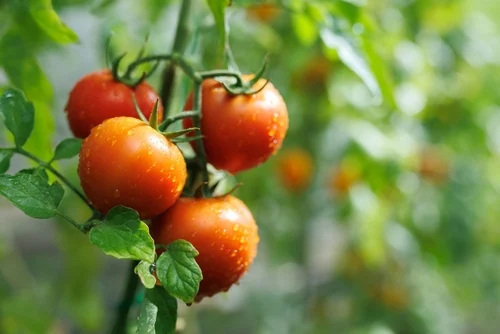
The integration of kitchen scraps and garden surplus into the diets of backyard poultry has become a standard practice for homesteaders seeking to reduce waste and provide nutritional variety to their flocks. However, the question of whether chickens can safely consume tomatoes remains a subject of significant debate among avian experts and hobbyists alike. While the fruit of the tomato plant offers a wealth of antioxidants and essential vitamins, the plant itself belongs to the Solanaceae family, more commonly known as the nightshade family, which produces naturally occurring toxins that can be detrimental to avian health. Understanding the biochemical composition of the tomato plant, the specific risks associated with its various components, and the appropriate serving sizes is essential for maintaining a healthy and productive flock.
The Botanical Profile of the Nightshade Family
The tomato (Solanum lycopersicum) is a member of the Solanaceae family, a diverse group of flowering plants that includes potatoes, eggplants, and peppers. This family is characterized by the production of glycoalkaloids, which serve as a natural defense mechanism against herbivores, insects, and fungi. The primary toxins of concern in these plants are solanine and tomatine.

Solanine is a bitter glycoalkaloid found throughout the nightshade family, particularly in the vegetative parts of the plant such as the leaves, stems, and roots. In tomatoes, a specific related glycoalkaloid known as tomatine is also present. These compounds are most concentrated in the green, growing parts of the plant and in the immature, green fruit. As the fruit ripens, the concentration of these toxins decreases significantly, eventually reaching levels that are generally considered safe for consumption by humans and many animals, including adult poultry, when provided in moderation.
Identifying the Risks: Solanine and Tomatine Toxicity
The primary danger to chickens does not typically lie in the red, ripe flesh of the tomato, but rather in the green components of the plant. Avian physiology is particularly sensitive to glycoalkaloids, which can disrupt cell membranes and inhibit acetylcholinesterase, an enzyme essential for proper nervous system function.
Clinical Manifestations of Solanine Poisoning
Solanine poisoning in poultry can present a range of distressing symptoms. Because the toxin affects both the nervous and digestive systems, the clinical signs are often multifaceted. Owners should monitor their birds for:

- Bradycardia (Slowed Pulse): The toxin can interfere with heart rate regulation, leading to lethargy and circulatory issues.
- Gastrointestinal Distress: This manifests as severe diarrhea, abdominal pain, and occasionally vomiting, though the latter is less common in birds than in mammals.
- Hypothermia: A noticeable drop in body temperature often accompanies advanced stages of toxicity.
- Neurological Impairment: In severe cases, birds may exhibit lack of coordination, paralysis, or respiratory distress.
Tomatine Poisoning Symptoms
Tomatine, while generally considered slightly less toxic than solanine, can still cause significant health issues, particularly if a bird consumes a large quantity of green tomatoes. The symptoms of tomatine ingestion often mirror common digestive ailments, making it difficult to diagnose without a known history of exposure. Key indicators include:
- Acute Nausea: Birds may appear listless and lose interest in their regular feed.
- Abdominal Cramping: This is often evidenced by a hunched posture or unusual vocalizations.
- Diarrhea: Persistent loose droppings can lead to rapid dehydration in small birds.
The Chronology of Ripening and Toxin Reduction
The safety of feeding tomatoes to chickens is directly linked to the plant’s growth cycle. Understanding this timeline is crucial for flock management.
- Vegetative Stage: During the early growth of the tomato plant, solanine levels are at their peak in the stems and leaves. At no point should chickens be allowed to forage on tomato vines or leaves.
- Flowering and Fruiting: As green tomatoes develop, they contain high levels of tomatine. Backyard keepers must ensure that chickens do not have access to low-hanging green fruit.
- Ripening Phase: As the fruit transitions from green to yellow, orange, and finally red, the chemical structure of the fruit changes. The plant naturally breaks down the glycoalkaloids to make the fruit more palatable to animals that will eventually disperse the seeds.
- Full Maturity: In a fully ripe, red tomato, the levels of solanine and tomatine are negligible. This is the only stage at which the fruit is considered safe for poultry consumption.
Nutritional Analysis: The Benefits of Ripe Tomatoes
When the risks of toxicity are managed by feeding only ripe fruit, tomatoes can be a valuable addition to a chicken’s diet. They are nutrient-dense and provide several key components that support overall avian health.

Antioxidants and Carotenoids
Tomatoes are a primary source of lycopene, a powerful antioxidant that helps protect cells from oxidative stress. In poultry, antioxidants play a vital role in supporting the immune system and can even influence the quality of the eggs produced. Carotenoids found in tomatoes contribute to the deep orange color of egg yolks, a trait often sought after by backyard egg producers.
Essential Vitamins
- Vitamin A: Crucial for vision health and the maintenance of epithelial tissues (the lining of the respiratory and digestive tracts).
- Vitamin C: While chickens can synthesize their own Vitamin C, supplemental intake during periods of heat stress can improve resilience.
- Vitamin K: Necessary for blood clotting and bone metabolism.
Minerals and Hydration
Tomatoes are high in potassium, which supports heart health and fluid balance. Furthermore, because tomatoes have a high water content (approximately 94%), they serve as an excellent hydrating treat during hot summer months.
Dietary Guidelines and the "10% Rule"
Despite the nutritional benefits, tomatoes should never replace a balanced commercial poultry feed. Professional poultry nutritionists recommend that treats and kitchen scraps should not exceed 10% of a flock’s total daily caloric intake. For an average adult chicken, this equates to approximately one to two tablespoons of tomato per day.

Overfeeding tomatoes, even ripe ones, can lead to nutritional imbalances. High-water-content treats can cause loose droppings if fed in excess, and the natural acidity of tomatoes may cause digestive upset if they become a primary food source. It is also imperative to avoid feeding tomatoes to baby chicks. Young birds have developing digestive systems and lower body masses, making them significantly more susceptible to even trace amounts of toxins that a healthy adult bird might tolerate.
Expert Perspectives on Flock Safety
Lisa Steele, a fifth-generation chicken-keeping expert and founder of Fresh Eggs Daily, emphasizes the importance of caution when dealing with nightshades. With nearly two decades of experience, Steele advises that while chickens often enjoy the taste of garden-fresh tomatoes, the risk associated with the green parts of the plant is too high to ignore.
"I don’t give my chickens leaves or stems from pepper, eggplant, or tomato plants," Steele notes, highlighting that these related vegetables share similar toxic properties. Her recommendation aligns with a broader consensus among avian veterinarians: prevention is the most effective strategy. This involves securing garden areas with fencing to prevent chickens from "pruning" the plants themselves and ensuring that only the red, ripe fruit is hand-fed as a controlled treat.

Broader Impact and Agricultural Implications
The management of tomato consumption in backyard flocks reflects a larger trend in sustainable agriculture: the move toward integrated pest and waste management. While using chickens to clear garden beds is a popular permaculture technique, the presence of nightshades requires specific intervention.
If a chicken is suspected of ingesting toxic amounts of tomato leaves or green fruit, immediate action is required. Removing the source of the toxin and providing fresh water and probiotics can help flush the system. In severe cases, consulting a veterinarian who specializes in avian or exotic medicine is necessary to prevent flock mortality.
Furthermore, the rise in "farm-to-table" practices for poultry has led to increased scrutiny of what birds eat, as diet directly impacts egg and meat quality. By adhering to strict guidelines regarding nightshade exposure, keepers ensure not only the welfare of their birds but also the safety and nutritional value of the food products they provide to their families.

Summary of Best Practices for Poultry Owners
To maximize the benefits of tomatoes while eliminating the risks, flock owners should adhere to the following protocol:
- Zero Tolerance for Greenery: Ensure chickens never have access to tomato vines, leaves, or stems.
- Ripeness Check: Only feed tomatoes that are soft and fully colored (red, yellow, or orange depending on the variety).
- Portion Control: Limit tomato intake to small, occasional treats—no more than 10% of the daily diet.
- Age Restriction: Keep tomatoes away from brooders and young pullets until they are fully matured and robust.
- Observation: Monitor the flock for any signs of lethargy or digestive changes after introducing tomatoes to their diet.
By maintaining a factual and cautious approach to supplemental feeding, backyard chicken keepers can leverage the nutritional advantages of the summer harvest without compromising the health and longevity of their birds. The tomato, while a complex member of the nightshade family, remains a safe and enjoyable treat when managed with expert-led safety standards.
