
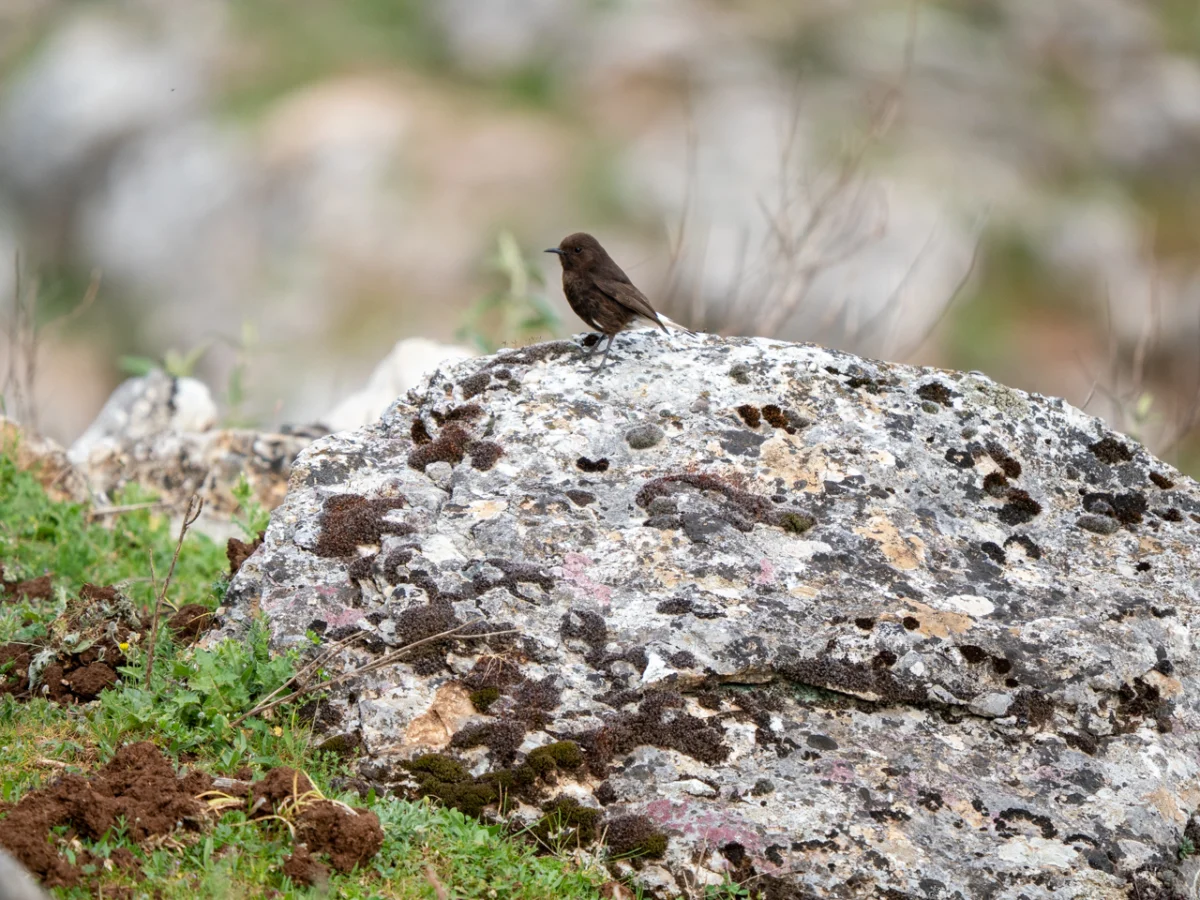
The sixth annual birding and wildlife expedition through central and southern Spain recently concluded, documenting a staggering 188 bird species, five marine mammals, and nine terrestrial mammals over a 14-day itinerary. Led by expert guides Pablo Perez and Sören Salvatore, the tour facilitated an international group of ten participants from the United States, Canada, Ireland, and, for the first time in the program’s history, Singapore and Malaysia. The journey, which spanned from the Mediterranean coast of Málaga to the high peaks of the Sierra de Gredos and the historic estates of Toledo, highlighted the ecological importance of the Iberian Peninsula as a critical corridor for migratory species and a sanctuary for some of the world’s rarest fauna.
Regional Ecological Significance and Initial Surveying
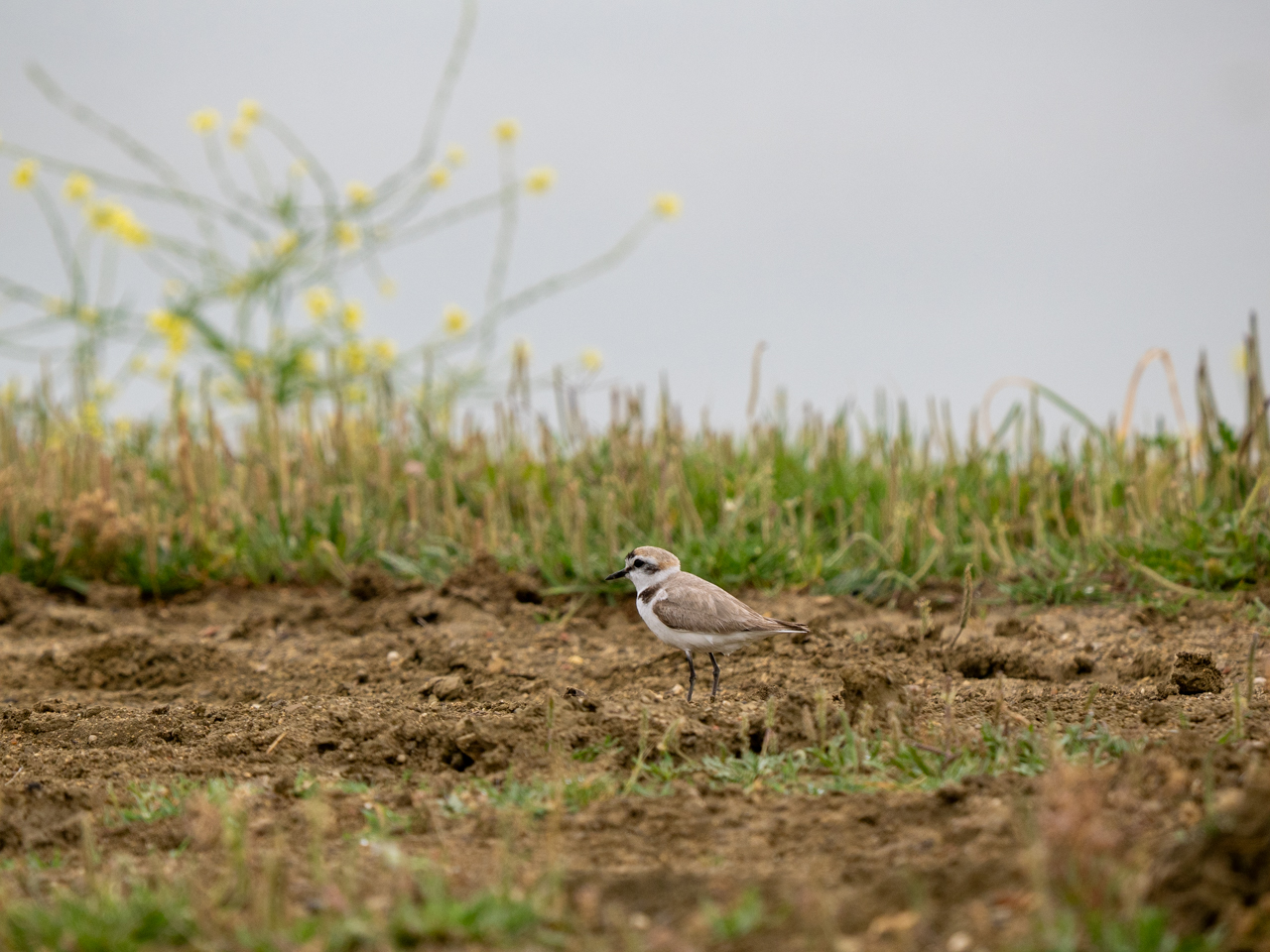
The expedition commenced in Málaga, a region characterized by its diverse Mediterranean ecosystems. The mouth of the Guadalhorce River served as the first primary observation site. This wetland is a vital stopover for migratory birds traversing the Mediterranean. Early morning observations at the Guadalhorce bird observatory yielded sightings of the Garganey, a migratory duck, alongside Whiskered Terns and Kentish Plovers. A significant highlight during this phase was the firsthand observation of scientific bird banding, where a Western Barn Owl was processed and released, providing participants with insights into avian research and conservation efforts.

The group’s transition to the Fuente de Piedra Lagoon offered a glimpse into one of Europe’s most significant breeding grounds for the Greater Flamingo (Phoenicopterus roseus). Supporting data indicates that this saline lagoon can host up to 20,000 breeding pairs in years with sufficient rainfall. The guides noted the rhythmic "dance" of the flamingos, which shares a cultural and aesthetic resemblance to the traditional Spanish Flamenco. Despite high winds, the group successfully identified the Red-crested Pochard and the Marbled Teal, the latter of which is classified as vulnerable on the IUCN Red List.
The Strait of Gibraltar: A Maritime and Avian Bottleneck
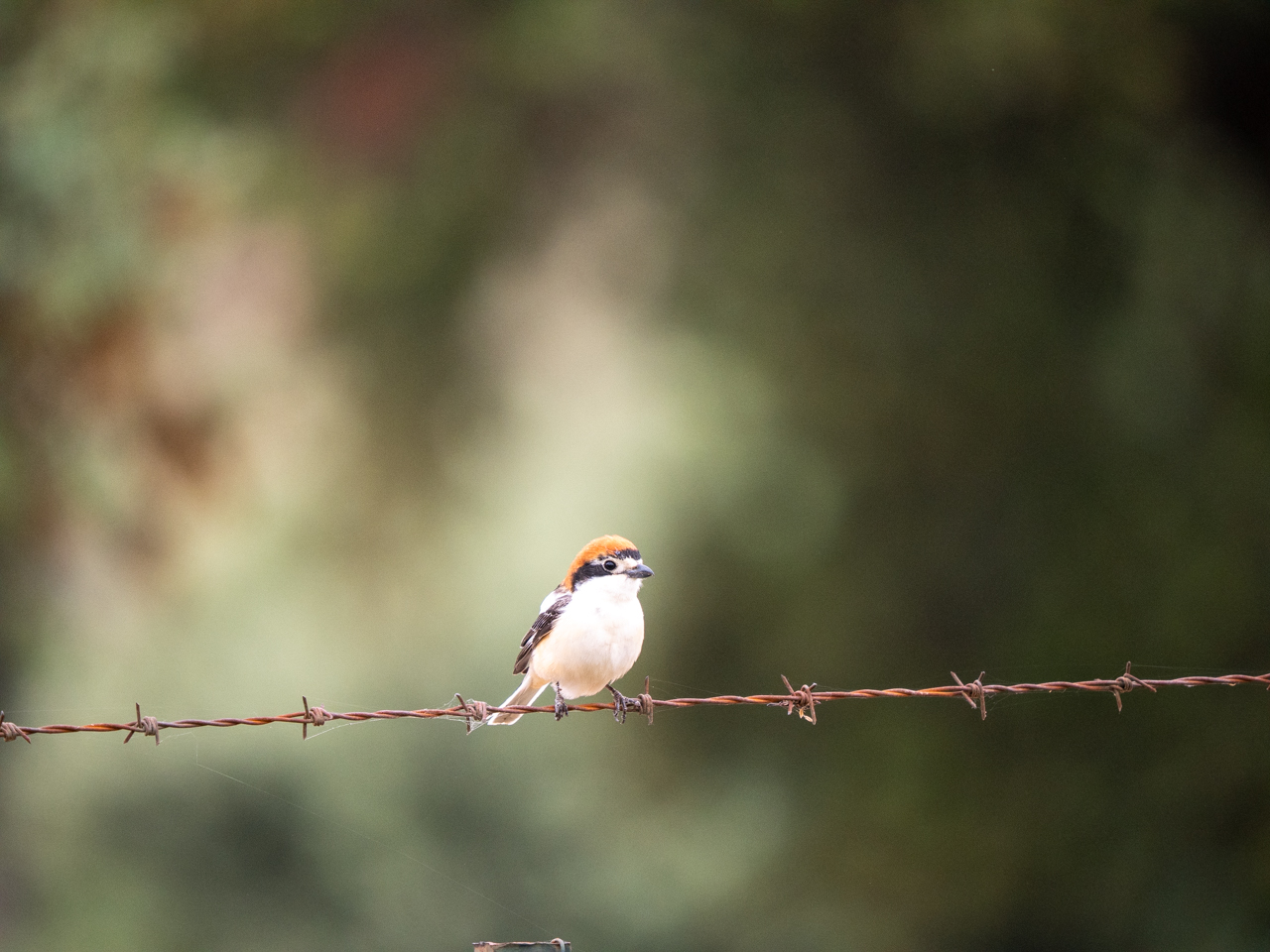
Moving toward the southern tip of the peninsula, the expedition focused on Tarifa and the Strait of Gibraltar. This 14-kilometer-wide stretch of water is one of the most important migratory bottlenecks in the world, where millions of birds cross between Europe and Africa annually. The expedition’s maritime survey of the Strait resulted in an exceptional year for sightings. Participants observed three species of dolphins, Long-finned Pilot Whales, and the first Fin Whale of the season. The Fin Whale (Balaenoptera physalus) is the second-largest animal on earth, and its presence in the Strait is a key indicator of the region’s rich marine productivity.
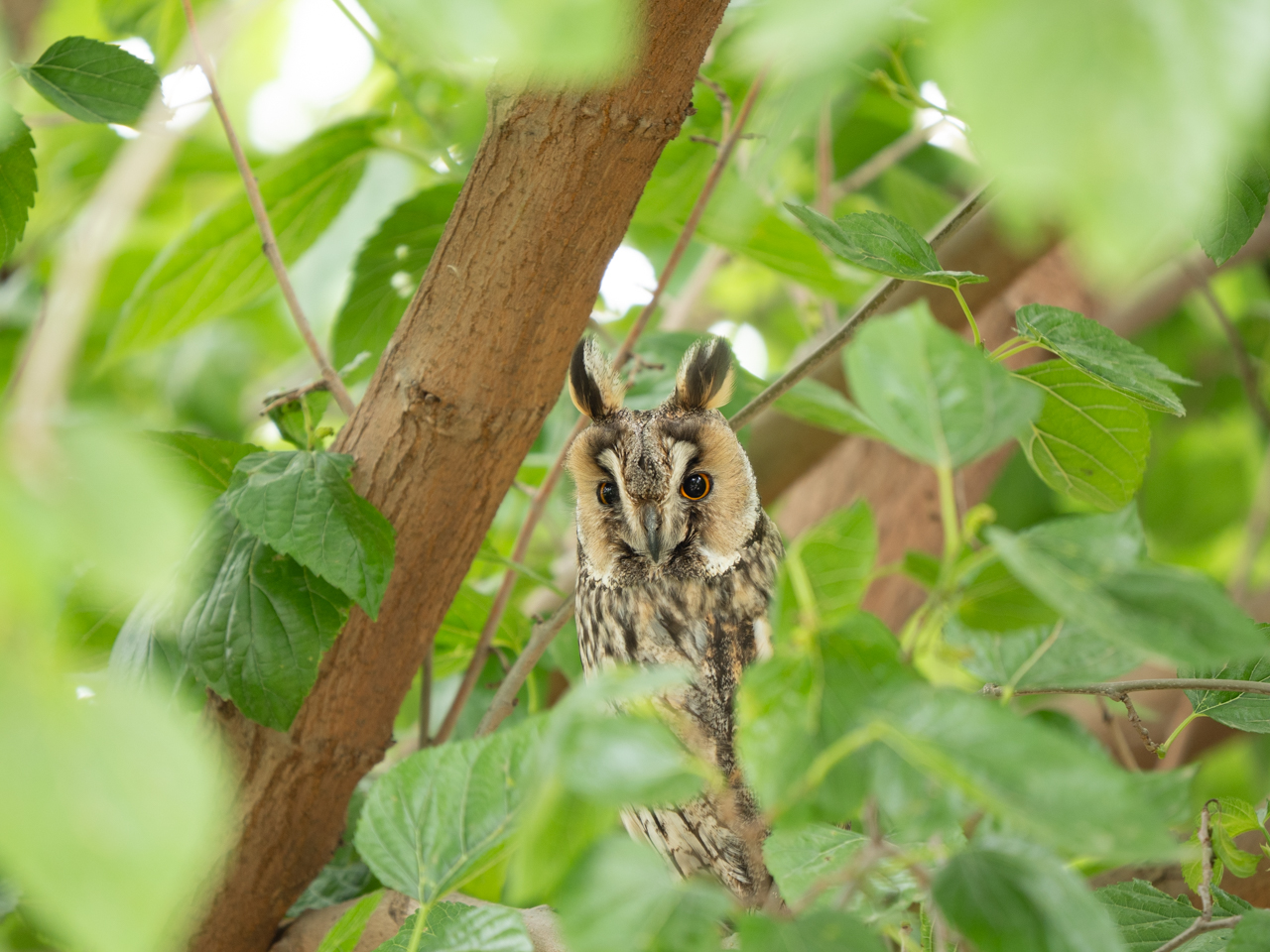
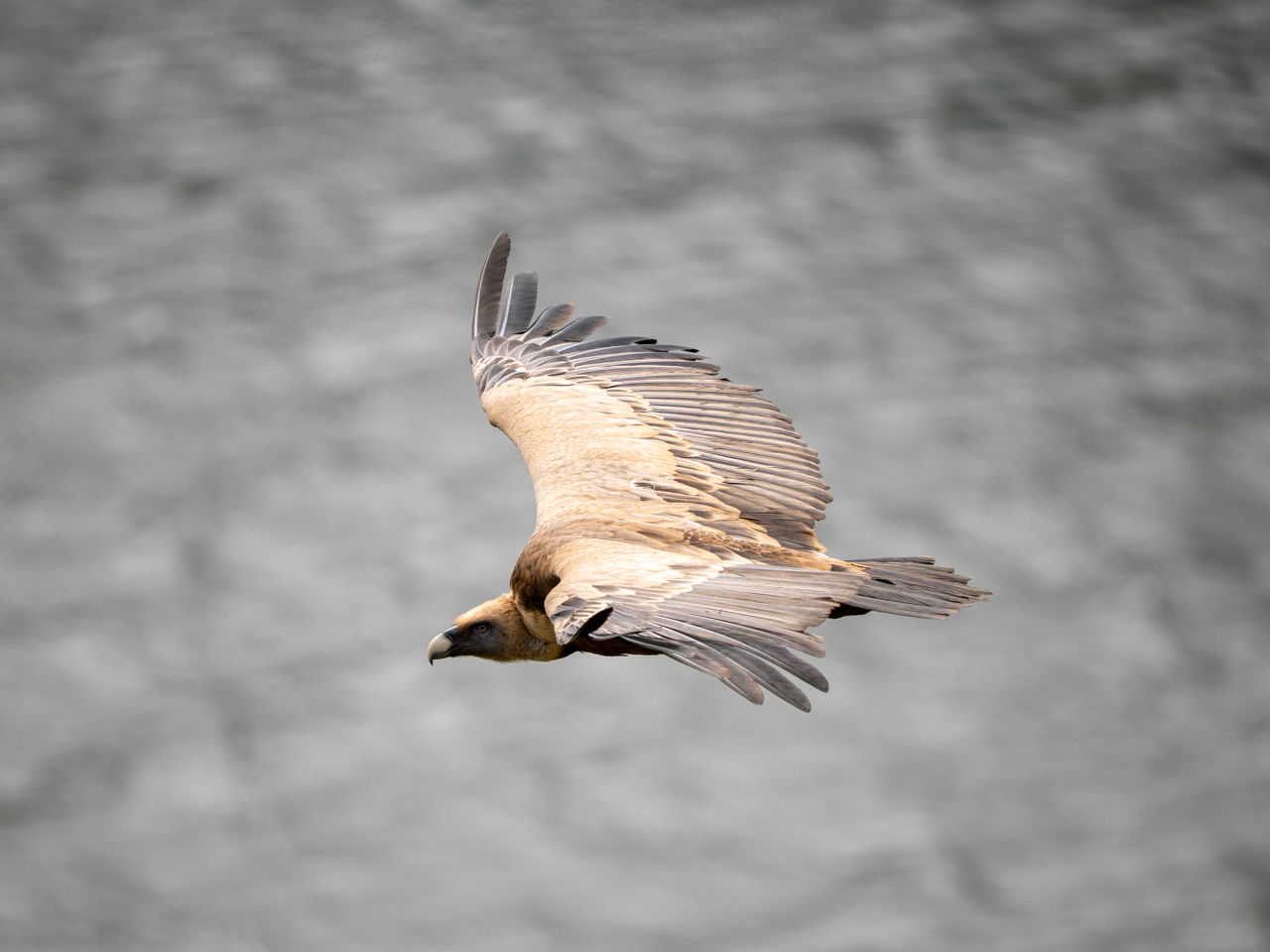
On land, the Los Lances Beach provided a backdrop for the courtship flights of the Greater Short-toed Lark. However, shifting weather patterns, a common challenge in the Strait, slowed the raptor migration. Despite this, the group observed groups of Griffon Vultures and Booted Eagles attempting the crossing. This segment of the tour emphasized the impact of wind and thermal currents on migratory behavior, a critical area of study for ornithologists monitoring climate-related shifts in migration timing.
The Wetlands of Doñana: A UNESCO Heritage Site in Recovery
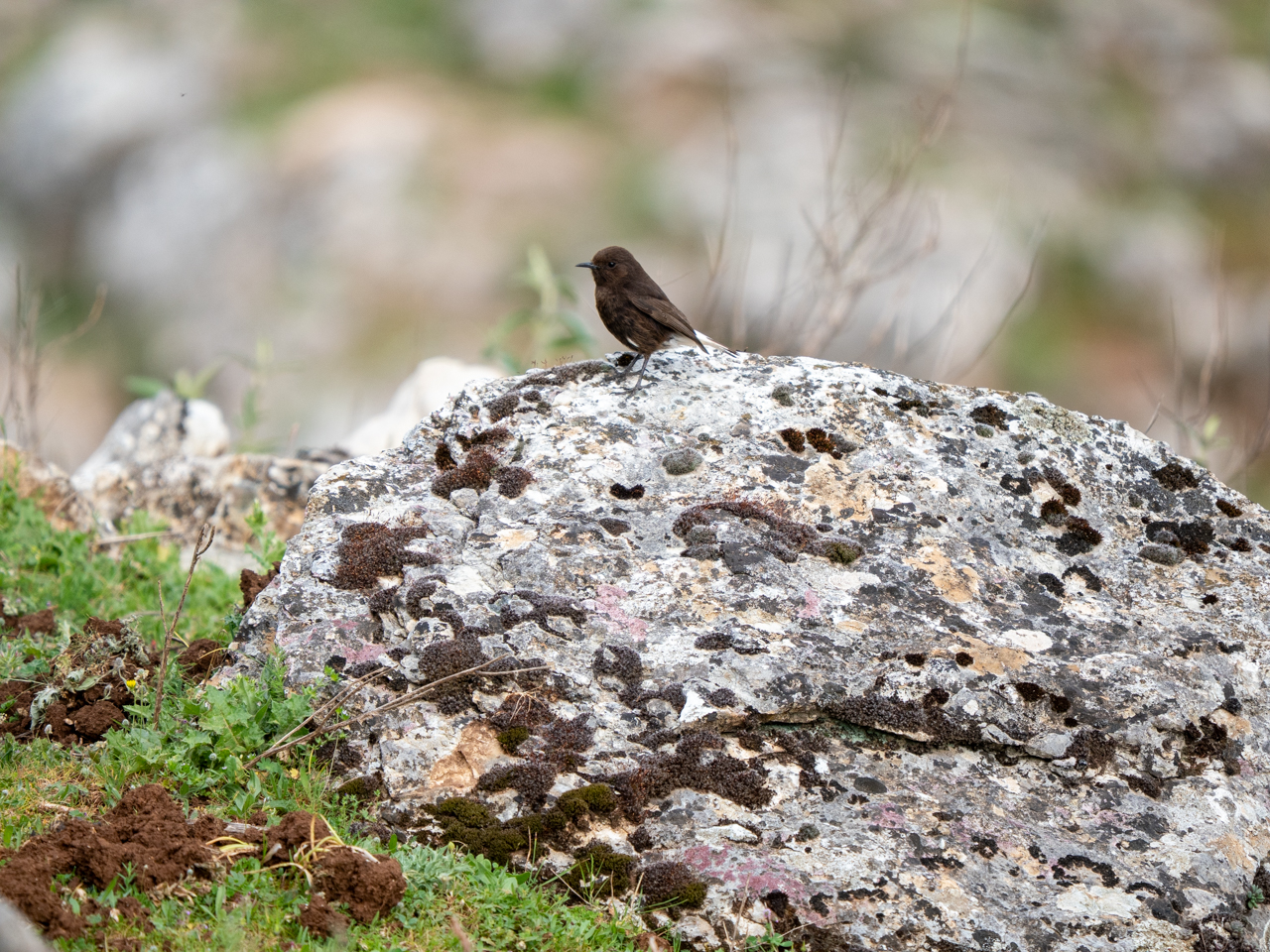
The expedition’s arrival in El Rocío and the Doñana National Park coincided with a period of ecological rejuvenation following heavy winter rains. Doñana is a UNESCO World Heritage site and one of Europe’s most important wetlands. The "Marisma Madre" was reported to be teeming with life, including Eurasian Spoonbills, Glossy Ibises, and Gull-billed Terns.

A highlight of the Doñana survey was the observation of the Northern Bald Ibis (Geronticus eremita) at La Barca de Vejer. Once extinct in Europe, the species has been the subject of intensive reintroduction programs in Andalusia. The colony at Vejer is currently the largest in Europe. The group also documented the rare Red-knobbed Coot feeding its young, a significant sighting given the species’ precarious status in the Iberian Peninsula. Nocturnal surveys in the region added to the species count, with the successful identification of the Red-necked Nightjar, bringing the total number of nocturnal bird species observed to four by the halfway point of the tour.
Extremadura and the Steppes of Central Spain
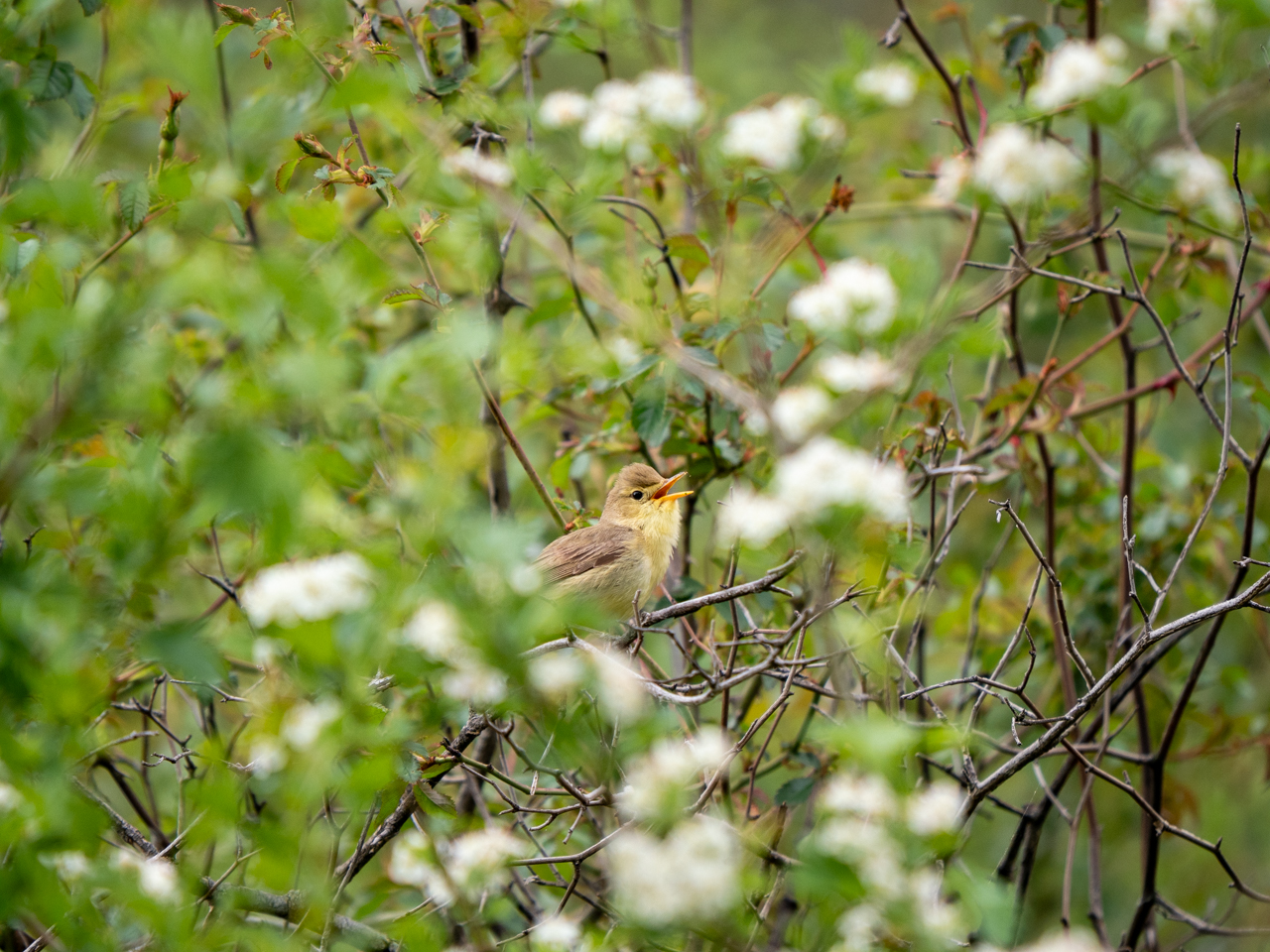
The itinerary then shifted north to Extremadura, a region famed for its "dehesa" (cork and holm oak forests) and vast steppes. The Llanos de Cáceres and the Los Cerralbos area provided a theater for the spectacular courtship displays of Great and Little Bustards. The Great Bustard (Otis tarda) is one of the heaviest flying birds in the world, and Extremadura holds a significant percentage of the global population.
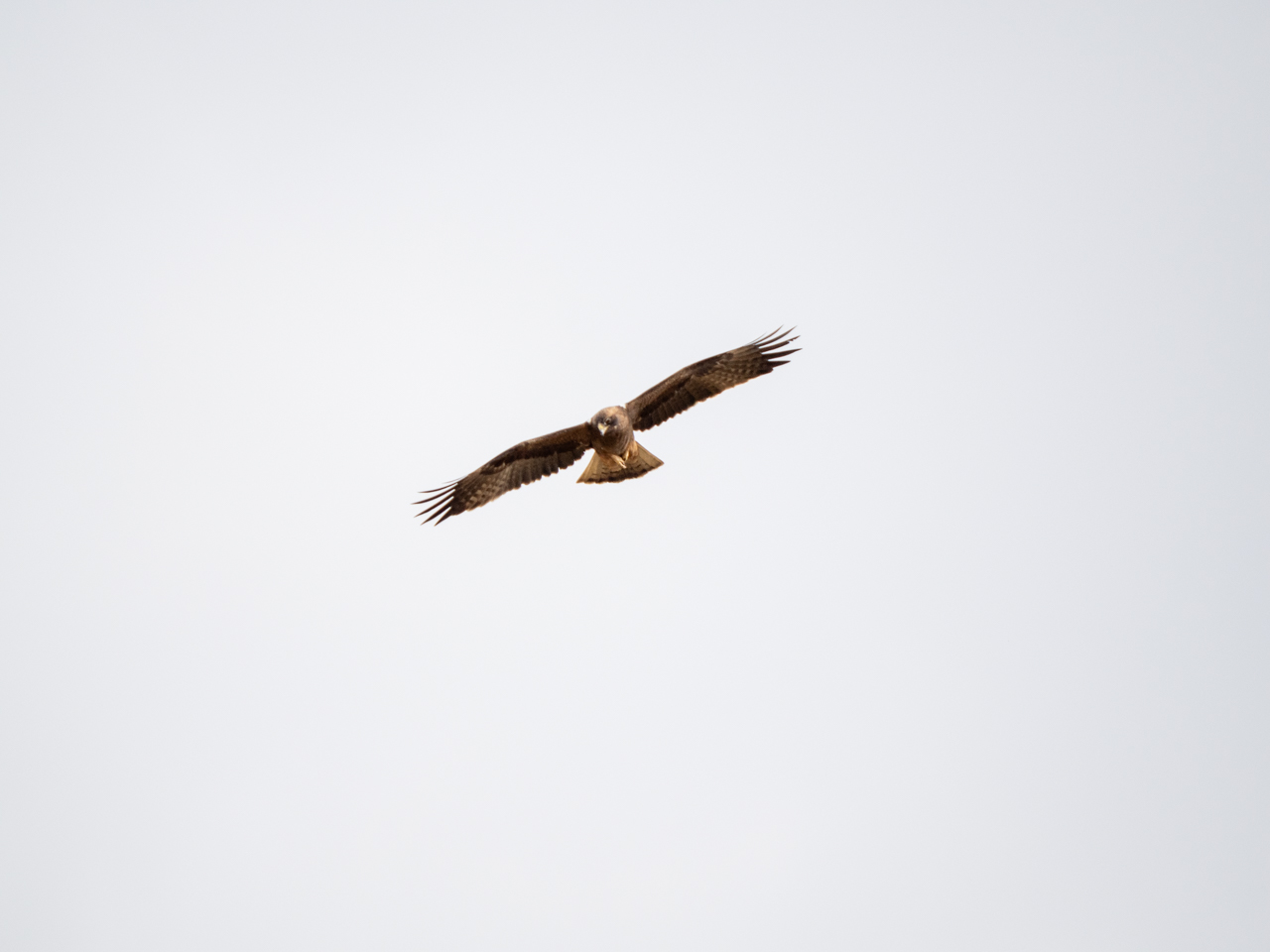
In Monfragüe National Park, a premier destination for raptor enthusiasts, the group visited the iconic El Salto del Gitano. This massive quartzite rock formation overlooking the Tagus River hosts a dense concentration of nesting Griffon Vultures, Cinereous Vultures, and the elusive Black Stork. The guides noted that the presence of the Egyptian Vulture, a migratory species that arrives from Africa to breed, was a key success for the day’s ledger. The region’s biodiversity was further evidenced by sightings of the Iberian Magpie, an endemic species that serves as a prime example of evolutionary divergence between European and Asian magpie populations.
High Altitudes and the Iberian Lynx
The final phase of the expedition took place in the Sierra de Gredos and the private estates of Toledo. The Sierra de Gredos, with its granite peaks and alpine meadows, offered a different suite of species, including the Bluethroat and the Ortolan Bunting. The Iberian Ibex (Capra pyrenaica) was also observed at close range, providing a testament to the recovery of large mammal populations in Spain’s protected mountain ranges.

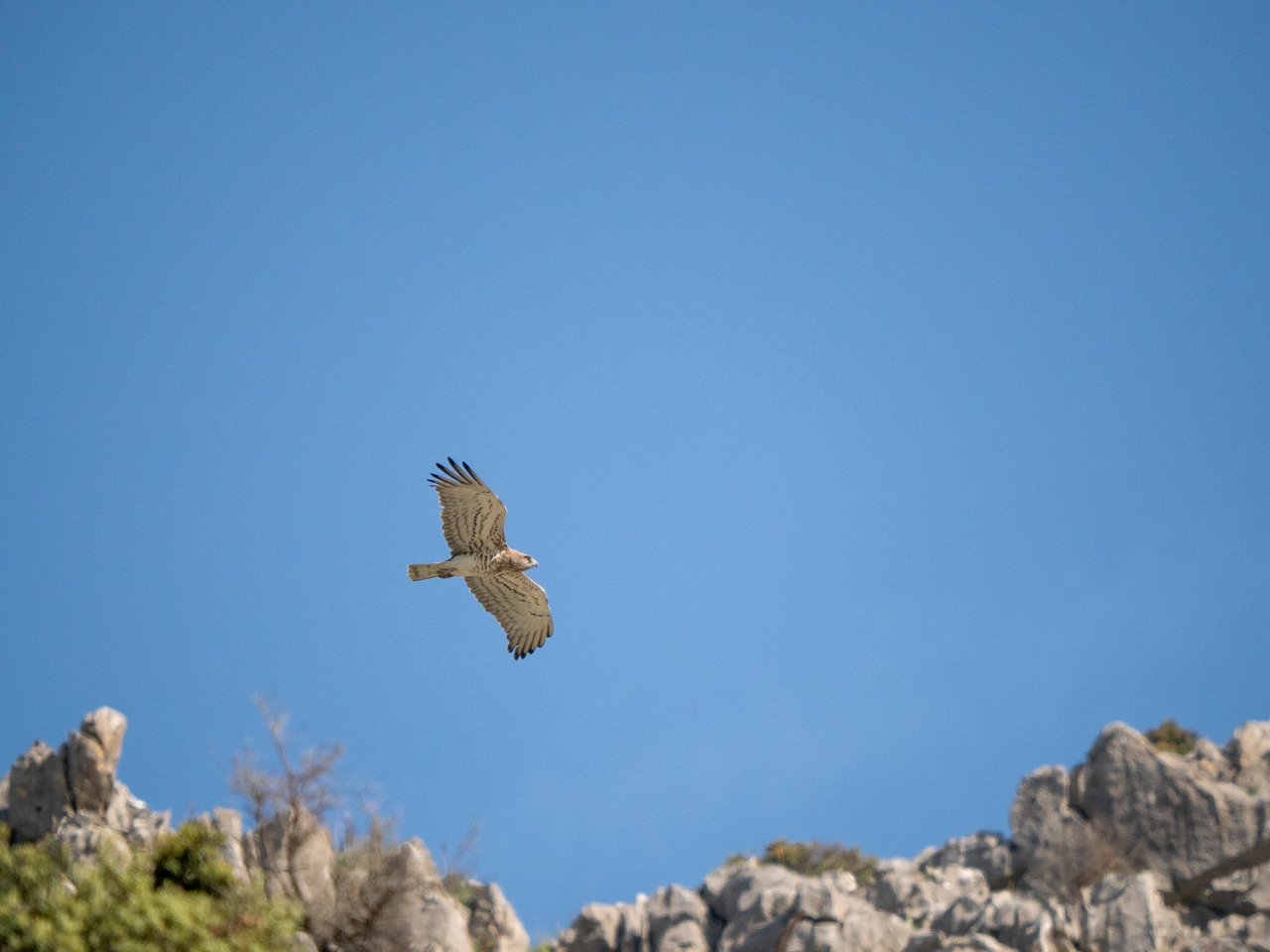
The tour culminated in the Toledo pastures, a landscape dedicated to the conservation of two of Spain’s most iconic and endangered species: the Spanish Imperial Eagle and the Iberian Lynx. The Iberian Lynx (Lynx pardinus) was once the world’s most endangered feline, but conservation efforts have seen its population rise from fewer than 100 individuals in 2002 to over 1,600 today. The expedition was granted access to a private estate where they observed an adult female and two-year-old siblings. This sighting, characterized by the lynx’s proximity to the vehicles, underscored the success of "low-impact" wildlife tourism in supporting conservation through private-public partnerships.

Implications for Eco-Tourism and Conservation
The results of the 14-day survey provide a snapshot of the current state of Spanish biodiversity. The observation of 188 bird species suggests that despite global trends of avian decline, the Iberian Peninsula remains a robust stronghold for both resident and migratory species, provided that wetland and steppe habitats are maintained.
Local guide Pablo Perez noted that the inclusion of visitors from Singapore and Malaysia signals a growing international interest in Spain’s natural heritage, moving beyond the traditional "sun and sand" tourism model. This shift toward high-value eco-tourism provides essential economic incentives for rural communities in the "España Vaciada" (Empty Spain), where traditional agriculture is often supplemented by wildlife photography and birdwatching excursions.
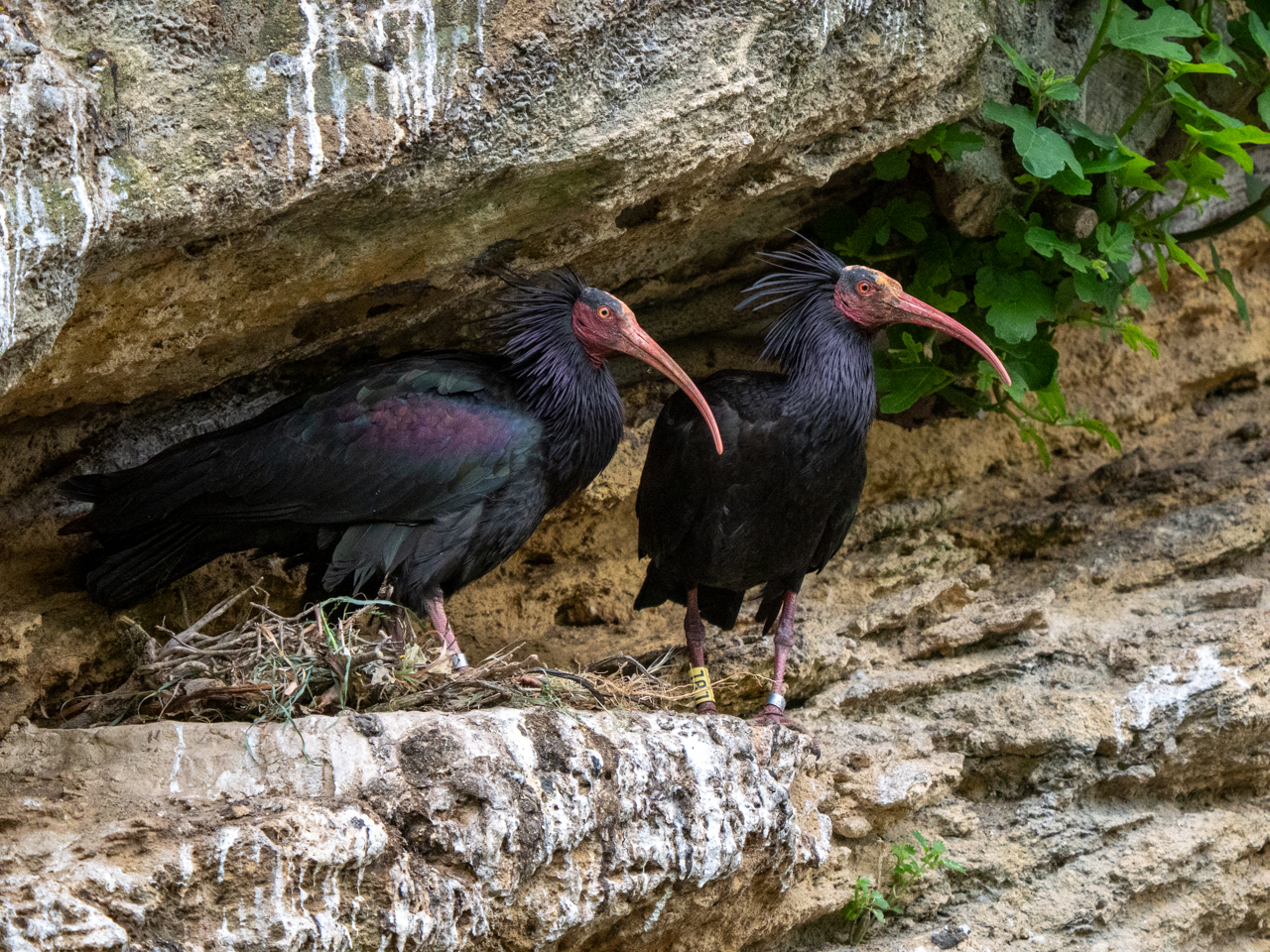
The tour concluded in Madrid, where participants reflected on the intersection of Spanish culture and ecology. From the flamenco-like movements of flamingos to the historic estates of Toledo, the expedition demonstrated that Spain’s wildlife is deeply intertwined with its cultural identity. As the group departed, the data collected contributed to a broader understanding of species distribution and the ongoing success of reintroduction programs for the Northern Bald Ibis and the Iberian Lynx. The expedition serves as a model for how structured, expert-led wildlife tours can foster global appreciation for regional conservation efforts while documenting the vital signs of a complex and beautiful ecosystem.
Chronology of Key Observations
- Day 1-2: Arrival in Málaga; discovery of Western Barn Owl and Marbled Teal at the Guadalhorce River.
- Day 3-4: Exploration of the Serranía de Ronda and Tarifa; maritime survey identifies Fin Whale and three dolphin species in the Strait of Gibraltar.
- Day 5-6: Coastal surveys at Barbate and Chipiona; observation of the Northern Bald Ibis colony and Little Swifts.
- Day 7-8: In-depth study of Doñana National Park; sightings of Red-knobbed Coot and Penduline Tit; transition to Extremadura.
- Day 9-10: Steppe bird displays in Cáceres; raptor surveying at Monfragüe National Park, including Black Stork and Egyptian Vulture.
- Day 11-12: Alpine birding in Sierra de Gredos; observation of Bluethroat and Iberian Ibex; arrival at the Toledo estate for Iberian Lynx tracking.
- Day 13-14: Successful identification of three Iberian Lynxes and the Spanish Imperial Eagle; final species tally and return to Madrid.
