
An international consortium of scientists, including Dr. Ritesh Kumar, Director of Wetlands International South Asia, has collaboratively established a definitive list of the most critical unanswered research questions concerning peatland ecosystems. This groundbreaking global roadmap is poised to direct future scientific inquiry and policy development, aiming to safeguard these vital yet increasingly threatened natural environments. The findings, published in the esteemed journal Communications Earth & Environment, represent a significant step forward in understanding and protecting the planet’s peatlands.
The comprehensive study involved the input of 467 participants from 54 countries, meticulously identifying research priorities essential for both the comprehension and preservation of peatlands. Through a systematic survey and analysis of opinions from leading peatland experts worldwide, the research pinpoints key knowledge gaps and areas where new insights could yield the most substantial benefits for climate change mitigation, biodiversity conservation, and the sustainable management of land resources.
The Critical Role of Peatlands in Global Ecosystems
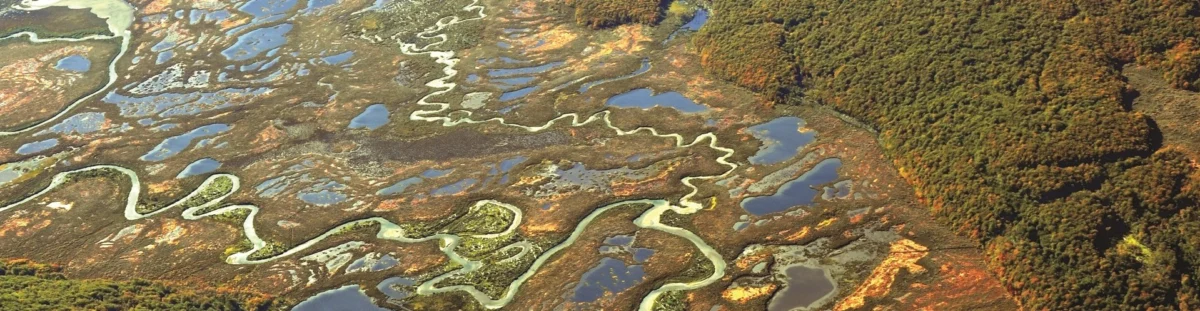
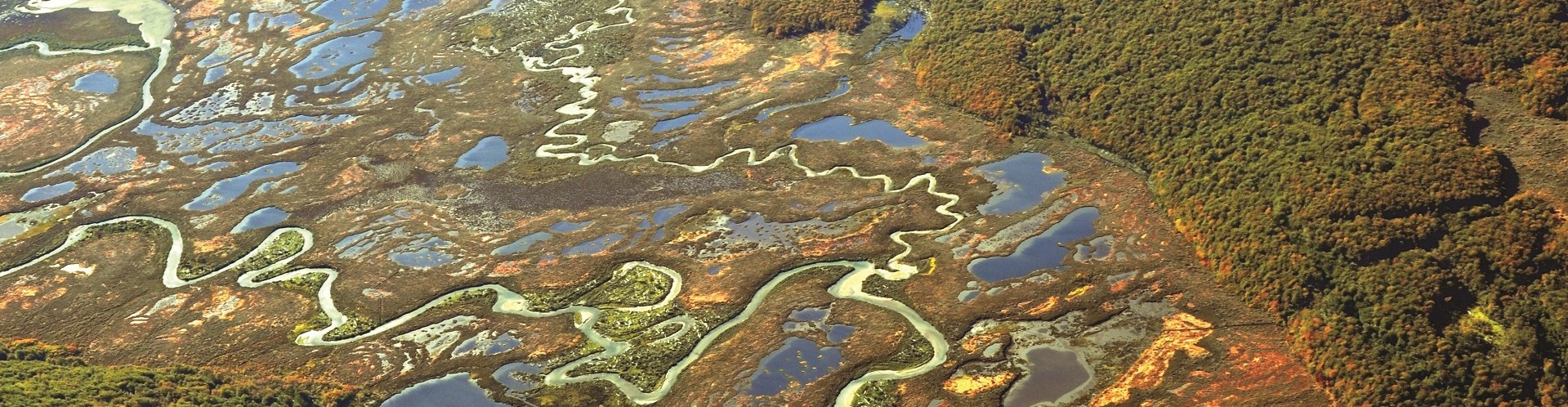
Peatlands, though occupying a mere three percent of the Earth’s land surface, hold an astonishing amount of carbon – more than all the planet’s forests combined. In their healthy state, these unique ecosystems act as long-term carbon sinks, sequestering carbon for millennia. However, degradation through drainage, fires, extraction, or changes in land use can rapidly transform them from carbon reservoirs into significant sources of greenhouse gas emissions. Despite their profound importance, fundamental knowledge gaps persist regarding peatland responses to a changing climate, effective restoration techniques, and strategies for their protection that also support the livelihoods of local and Indigenous communities who depend on them.
"An effective science-management interface is crucial for nurturing evidence-based policy and programming for nature conservation," stated Dr. Ritesh Kumar, Director of Wetlands International South Asia. "These 50 research questions are a guide to the science needed to conserve peatlands of the world and mobilise action."
Eva Hernandez, Global Peatlands Lead at Wetlands International, emphasized the collaborative nature of this endeavor: "This exercise is a great example of what we can do when we bring our brains together, and these questions will become a very relevant guide for the work of the Peatland Breakthrough – an ambitious global initiative to bring partners together to rally political will, accelerate action and mobilise money for healthy peatlands." She further elaborated, "While there is plenty of knowledge to act in favour of peatlands, these 50 questions can help do more, better and quicker, and respond to the new questions that come up in a fast evolving world."
A Global Consensus on Research Priorities
The research initiative was launched to address the urgent need for focused scientific inquiry. Researchers conducted a global survey, engaging peatland scientists, practitioners, and policy experts from diverse geographical regions. Participants were tasked with identifying the most pressing, unresolved questions within peatland research, spanning disciplines from ecology and hydrology to biogeochemistry, climate science, and social sciences. The resulting prioritized questions encompass critical issues across various peatland types, including boreal, temperate, and tropical regions, highlighting the need for region-specific as well as global solutions.
The identified research priorities underscore the complexity and multifaceted nature of peatland ecosystems and their management. They reflect a growing understanding that effective conservation requires a holistic approach, integrating ecological understanding with social and economic considerations.
Expert Perspectives on the Research Agenda
Dr. Alice Milner, Associate Professor at Royal Holloway University of London, UK, and lead author of the study, highlighted the significance of this focused approach: "Peatlands are increasingly recognised as critical ecosystems for climate action, but we still don’t have all the answers we need to manage them effectively. By identifying the most urgent research questions, this work helps focus global effort."
Dr. Julie Loisel, Associate Professor at the University of Nevada, Reno, USA, and a co-author, echoed this sentiment, pointing to the strong global consensus: "This global survey revealed how much common ground exists among people working with peatlands around the world. Bringing these voices together has allowed us to focus our collective effort on the questions that matter most, and to begin tackling them together."
The growing interest in peatlands is directly linked to their potential as nature-based solutions for meeting global climate targets. Nations worldwide are increasingly incorporating peatland protection and restoration into their national climate strategies, with countries like the UK, Ireland, Indonesia, Canada, and Finland leading the way. Peatlands have also gained prominence within international climate and biodiversity frameworks. However, the study’s authors caution that without clearly defined research priorities, investments risk becoming fragmented and short-term, potentially hindering long-term conservation success.
Dr. Michelle McKeown, Lecturer in Environmental Geography at University College Cork, Ireland, and a co-author, elaborated on the complexities of restoration: "Restoring peatlands is not as simple as just ‘rewetting’. There are important trade-offs, uncertainties, and regional differences that we still don’t fully understand. These priority questions help ensure that peatland management is helping, not harming, climate and biodiversity goals."
Expanding the Scope Beyond Biophysical Science
A notable aspect of the research agenda is its inclusion of questions extending beyond purely biophysical sciences. Many priorities address critical areas such as governance, land-use decision-making processes, and the integration of Indigenous and local knowledge into peatland management. These dimensions have historically received less attention in global research agendas, underscoring a shift towards more inclusive and context-specific approaches to conservation.
Professor Angela Gallego-Sala from the University of Exeter, UK, and a co-author, emphasized the social dimensions: "Peatlands are not empty landscapes. They are lived-in, worked landscapes with deep cultural significance. This is particularly true in the tropics, where peatlands can be a resource – sometimes the only one – that provides livelihoods, so it is important that as researchers we acknowledge this and provide answers that are useful to these communities too."
Dr. Monika Ruwaimana, a co-author and Lecturer at Universitas Atma Jaya Yogyakarta, Indonesia, shared her perspective from a tropical peatland region: "As someone who grew up in tropical peatland landscapes, it is encouraging to see the global research community paying attention to these ecosystems. This progress reflects a collective effort that has developed over decades, gradually shifting perspectives on the importance of peatlands in the global carbon cycle, from local communities working in the field to international researchers and policymakers."
Bridging the Gap from Research to Action
The researchers are optimistic that this prioritized list will serve as an invaluable tool for the global peatland research community, funding agencies, research institutions, and policymakers. It is intended to guide international collaboration, direct investment, and shape the future trajectory of peatland research.
The implications of this research are far-reaching. By focusing efforts on the most critical knowledge gaps, the scientific community can accelerate the development of effective peatland management strategies. This is crucial for both climate change mitigation, given the vast carbon stores in peatlands, and for biodiversity conservation, as these ecosystems support unique flora and fauna. Furthermore, by integrating social sciences and Indigenous knowledge, the research promotes more equitable and sustainable management practices that benefit local communities.
"Peatlands can either help stabilise the climate or accelerate its change," concluded Dr. McKeown. "Which path we take depends on the knowledge we build, and how quickly we act on it." This sentiment encapsulates the urgency and importance of the research agenda, positioning peatlands as a critical frontier in the global effort to address climate change and protect biodiversity. The identified research questions represent not just scientific inquiries, but a call to action for informed and effective global stewardship of these invaluable ecosystems.
