
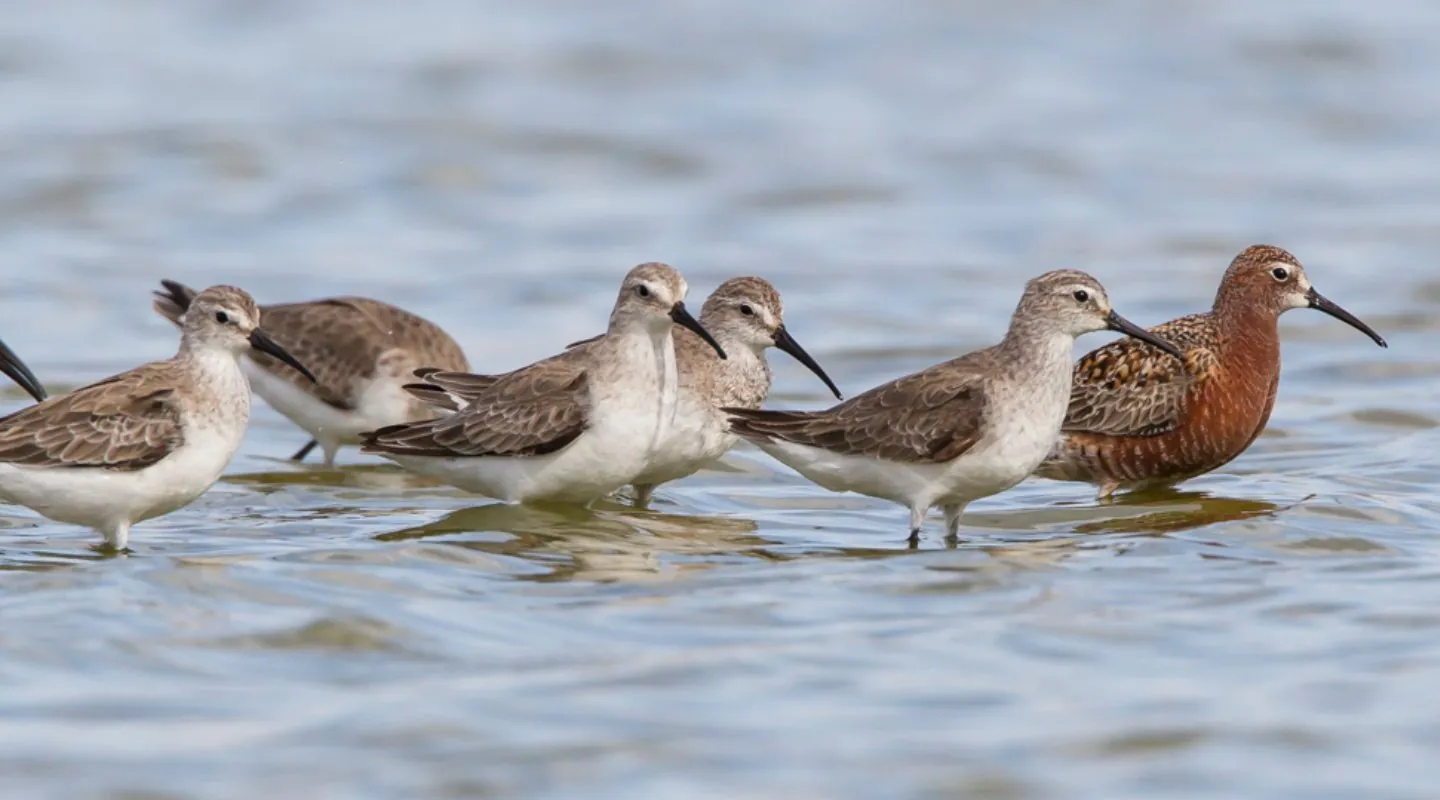
The remarkable migratory journey of birds, a phenomenon that has captivated scientists and nature enthusiasts for centuries, has once again delivered a breathtaking display of endurance and navigational prowess. In an achievement that has left ornithologists astounded, a single Curlew Sandpiper, affectionately nicknamed "Delta," has completed an astonishing non-stop flight of 3,870 kilometers (approximately 2,405 miles) from the southern tip of Africa to South Sudan, a feat that took an uninterrupted 60 hours. This extraordinary flight, undertaken by a bird weighing a mere 60 grams, underscores the incredible resilience and finely tuned biological mechanisms that enable such epic migratory endeavors.
This groundbreaking observation is part of a larger collaborative effort between Wetlands International and Birdlife South Africa, which is currently tracking a cohort of 20 Curlew Sandpipers and three Grey Plovers as they undertake their annual northward migration from southern Africa to the Arctic tundra. The primary objective of this ambitious tracking initiative is to gain a deeper understanding of the migratory patterns of these vital wetland-dependent species and to identify critical stopover sites along the African-Eurasian Flyway. Such knowledge is paramount for developing effective conservation strategies to protect these birds and their habitats.
Delta’s Epic Sojourn: A Detailed Chronology
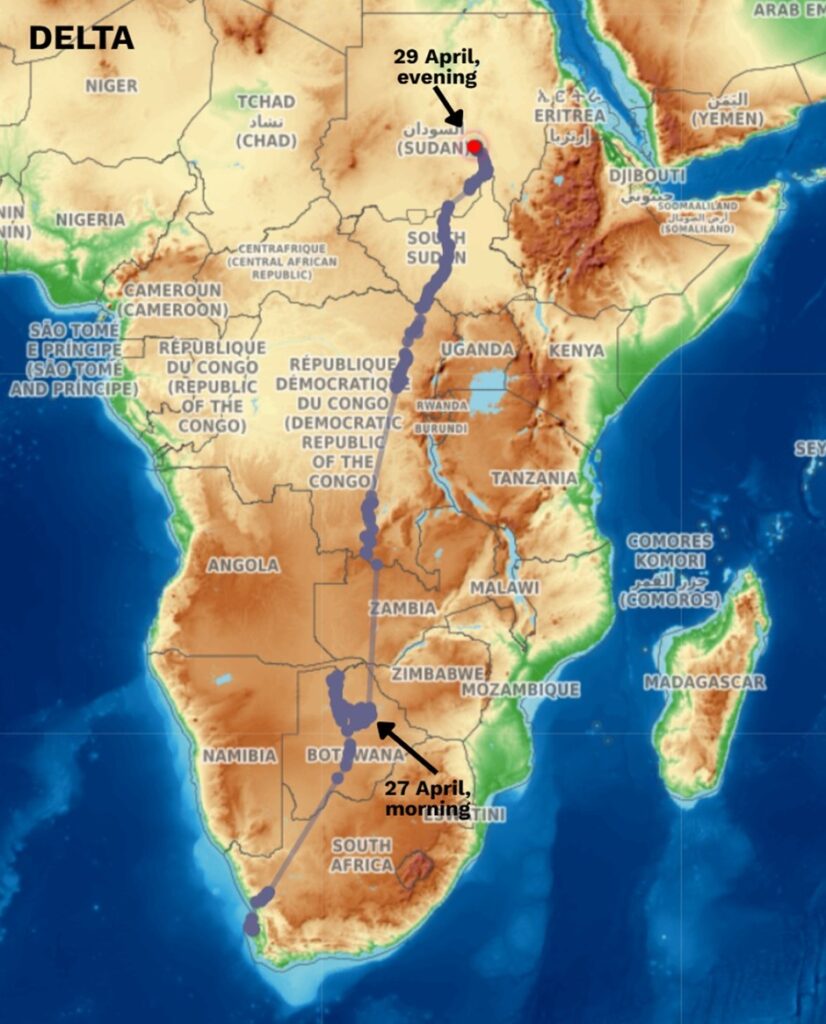
Delta’s incredible journey began in early March from its departure point in South Africa. Before embarking on its epic flight, the sandpiper spent approximately 1.5 months at the Makgadikgadi Pans in neighboring Botswana. These expansive salt pans, a Ramsar-designated wetland of international importance, likely provided crucial foraging and resting opportunities, allowing Delta to build up the necessary energy reserves for its arduous journey.
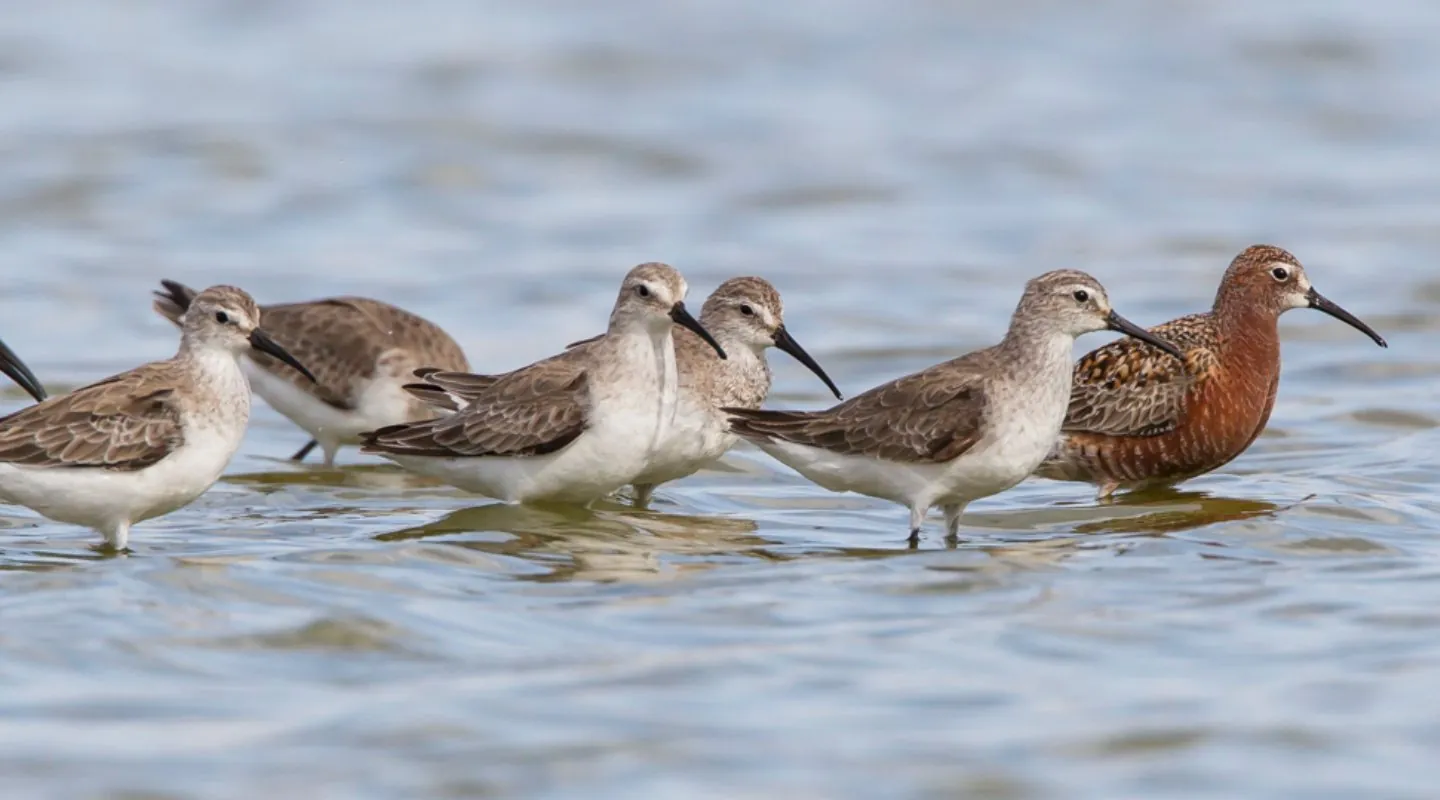
The pivotal leg of Delta’s migration commenced in the early hours of April 27th. Departing from its resting grounds, the small wader immediately set a course northward. Its flight path took it over Zimbabwe, and subsequently Zambia. By the early afternoon of the same day, Delta had crossed the border into the Democratic Republic of Congo (DRC). As evening descended, the Curlew Sandpiper was already deep within the vast expanse of the DRC, demonstrating an unwavering commitment to its northward trajectory, with South Sudan as its immediate target.
The following day, April 28th, Delta continued its relentless flight. By midnight, it had reached the southern reaches of the Sudd Marshes in South Sudan. The Sudd is an immense wetland system, renowned as one of Africa’s most significant and iconic wetlands and designated as a Key Biodiversity Area. While several other tracked Curlew Sandpipers in the same study have utilized the Sudd region for essential rest and refueling, Delta, driven by an exceptional imperative, pressed onward.
By 0800 on April 29th, Delta had successfully traversed the entirety of the Sudd region, a remarkable feat in itself. It was then already over Sudanese territory, charting a course towards the White Nile valley. The culmination of this astonishing non-stop flight occurred shortly after noon on April 29th, when Delta finally touched down. The total distance covered was an astounding 3,870 kilometers, achieved without a single pause for rest or sustenance.
A Testament to Avian Endurance
The statistics surrounding Delta’s flight are nothing short of phenomenal. A bird weighing approximately 60 grams, comparable to a small songbird, managed to fly continuously for 60 hours. This translates to an average ground speed of 64.5 kilometers per hour (approximately 40 miles per hour). This sustained effort is a remarkable testament to the physiological adaptations of these birds, including their highly efficient metabolism, specialized flight musculature, and ability to utilize fat reserves as a primary energy source during prolonged flight.

The energy expenditure required for such a flight is immense. Curlew Sandpipers, like many shorebirds, are known for their remarkable migratory capabilities. They can store large amounts of fat, which serves as their fuel during long-distance flights. Their respiratory and cardiovascular systems are also highly adapted to meet the demands of sustained flight at high altitudes, often flying thousands of meters above the ground to take advantage of favorable winds and avoid obstacles.
The Importance of Wetlands and Collaborative Conservation
This extraordinary flight highlights the critical role of wetlands, not only as breeding grounds but also as vital refueling stations along migratory routes. The Makgadikgadi Pans and the Sudd Marshes, both recognized as significant wetland ecosystems, provided the necessary resources for Delta to prepare for and sustain its journey. The conservation of these and other wetlands across the African-Eurasian Flyway is therefore crucial for the survival of migratory bird populations.
The project, spearheaded by Birdlife South Africa, involves a robust international partnership. Collaborating institutions include Wetlands International, the Department of Ornithology at the Max Planck Institute for Biological Intelligence in Germany, the FitzPatrick Institute of African Ornithology at the University of Cape Town, and Conserve Eden in Plettenberg Bay. This multidisciplinary approach leverages expertise from various organizations to achieve a comprehensive understanding of migratory bird ecology.
Funding for this significant research has been generously provided by the Royal Society for the Protection of Birds and the Ecological Restoration Fund. This support underscores the growing recognition of the importance of avian migration studies for biodiversity conservation.
Broader Implications for Conservation and Research
The data collected from tracking Delta and the other birds in the study will provide invaluable insights into the migratory corridors, stopover sites, and potential threats faced by Curlew Sandpipers and Grey Plovers. Understanding these dynamics is essential for identifying critical habitats that require protection and for developing targeted conservation interventions.
The ability to track individual birds in near real-time, facilitated by advancements in miniaturized GPS technology, has revolutionized ornithological research. This technology allows scientists to move beyond broad observations and delve into the intricate details of individual migratory strategies. The information gathered can inform land-use planning, environmental impact assessments, and the establishment of protected areas along migratory routes.
The project also aims to raise public awareness about the challenges faced by migratory birds and the importance of wetlands. By sharing updates on the birds’ journeys, such as through the dedicated WhatsApp channel, the researchers hope to foster a greater appreciation for these natural wonders and inspire support for conservation efforts.
The success of Delta’s journey, while astonishing, also serves as a stark reminder of the fragility of these migratory systems. Habitat degradation, climate change, and human activities can all pose significant threats to migratory birds. Continuous monitoring and research, coupled with strong international cooperation, are vital to ensure that future generations can continue to witness these awe-inspiring natural spectacles. The story of Delta is not just a tale of an individual bird’s remarkable feat, but a powerful narrative that underscores the interconnectedness of ecosystems and the urgent need for global conservation action.
