
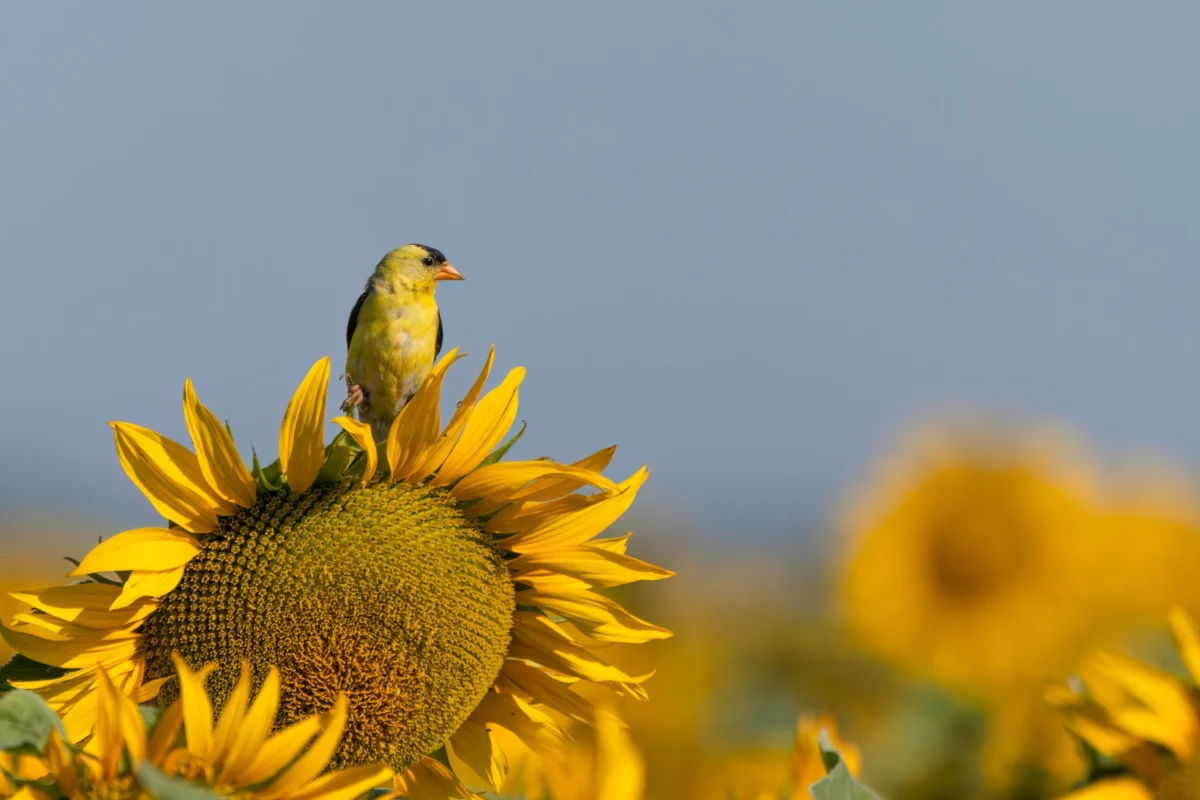
Each year, the National Audubon Society and its extensive network of state and regional offices, centers, sanctuaries, and over 400 community and campus chapters orchestrate a vibrant array of events around Earth Day, engaging communities in critical conservation work and fostering a deeper connection with birds and wildlife. In 2026, this tradition continues with an ambitious calendar of activities ranging from hands-on habitat restoration and educational workshops to family-friendly festivals and virtual learning opportunities, all designed to inspire local action for global environmental health. These diverse programs underscore Audubon’s commitment to protecting the planet by empowering individuals to make a tangible difference in their own backyards and broader communities, reinforcing the understanding that local efforts collectively contribute to a healthier ecosystem for both wildlife and people.
The Enduring Significance of Earth Day and Audubon’s Mission
Earth Day, observed annually on April 22nd, traces its origins back to 1970, when an estimated 20 million Americans participated in demonstrations across the nation, catalyzed by growing public concern over environmental degradation. This seminal event, credited with launching the modern environmental movement, led to the creation of the United States Environmental Protection Agency and the passage of landmark environmental legislation such as the Clean Air Act, Clean Water Act, and Endangered Species Act. Decades later, Earth Day remains a powerful global platform for raising awareness about pressing environmental challenges and mobilizing collective action for planetary well-being.
For the National Audubon Society, Earth Day aligns perfectly with its century-old mission: to protect birds and the places they need, today and tomorrow. Birds serve as crucial indicators of environmental health, and their declining populations — a staggering 3 billion North American birds have been lost since 1970, according to a study published in Science — signal widespread ecological imbalances. Habitat loss, pesticide use, and the escalating impacts of climate change are primary drivers of these declines. Audubon’s comprehensive approach addresses these threats through science, advocacy, education, and on-the-ground conservation. The annual Earth Day initiatives are a cornerstone of this strategy, bringing the organization’s broad scientific understanding and policy goals down to the community level, where individual actions can collectively create significant impact.
Audubon’s expansive network, comprising 15 state and regional offices, 31 centers, 29 sanctuaries, and over 400 community and campus chapters, provides an unparalleled infrastructure for engaging diverse populations across North America. This localized presence ensures that conservation efforts are tailored to regional ecological needs and cultural contexts, fostering a sense of ownership and sustained commitment among participants.
A Nationwide Tapestry of Conservation Initiatives
The 2026 Earth Day calendar showcases the breadth and depth of Audubon’s engagement, offering something for every age group and interest. Events span virtual platforms to physical locations across numerous states, emphasizing both direct environmental action and educational enrichment.
Cultivating Habitats: Restoration and Native Plant Advocacy
A significant portion of Audubon’s Earth Day programming focuses on hands-on habitat restoration and the promotion of native plants, recognizing their fundamental role in supporting local ecosystems and bird populations.
In Sharon, Connecticut, the Sharon Audubon Center partners with the Sharon Energy and Environmental Commission (SEEC) for an Earth Day Trash Cleanup on April 25. Volunteers dedicate their time to collecting litter along town roadsides, transforming polluted areas into cleaner, safer environments for both wildlife and residents. Such cleanups not only remove harmful waste but also raise awareness about pollution and waste management, fostering a sense of civic responsibility.
Further demonstrating commitment to habitat health, the Constitution Marsh Audubon Center in Garrison, New York, hosts an Earth Day Weekend Marsh Volunteer Project on April 25. Participants engage in the vital task of removing invasive plants and propagating native Dogwood trees for replanting at the Rheinstrom Hill Audubon Sanctuary. Invasive species, like honeysuckle, can outcompete native flora, disrupt food webs, and degrade habitat quality. By removing them and replanting natives, volunteers directly contribute to the restoration of ecological balance, enhancing biodiversity and providing essential resources for migratory and resident birds. Following the work, volunteers are invited on a nature hike, connecting their efforts to the broader ecological context of the Hudson Valley.
Similarly, the Theodore Roosevelt Sanctuary & Audubon Center in Oyster Bay, New York, dedicates April 18 to a full day of service. Volunteers participate in projects such as invasive plant removal, garden and trail maintenance, and even Tern Shelter building, all preceded by a morning bird walk to inspire and educate. These activities directly improve the sanctuary’s capacity to host diverse bird species and offer educational opportunities.
The Montezuma Audubon Center in Savannah, New York, tackles a specific invasive threat with its "MARSH! Invasive Honeysuckle Popping" event on April 22. Volunteers are equipped with tools and guidance to remove woody invasive honeysuckle, a common problem in many North American woodlands. The subsequent spreading of native seeds and creation of brush piles further aids habitat recovery and provides shelter for small wildlife. Such targeted efforts are crucial for maintaining the integrity of sensitive wetland habitats.
The critical link between native plants and bird survival is also highlighted by Aullwood’s Native Plant Sale in Dayton, Ohio, on April 24. This event, one of the region’s largest, offers over 12,000 plants representing 181 species suited for various habitats. Proceeds directly support Aullwood Audubon Center’s environmental education and conservation programs, creating a virtuous cycle where community purchases contribute to broader ecological health. Similarly, the Mitchell Lake Audubon Center in San Antonio, Texas, offers free entry on April 18 to celebrate Earth Day and Native Plant Month, providing educational materials and native seed packets to encourage local pollinator gardens. These initiatives empower individuals to transform their private spaces into vital ecological corridors.
Engaging Minds: Education, Festivals, and Skill-Building
Beyond direct action, Audubon’s Earth Day programming places a strong emphasis on education and community engagement, recognizing that informed and inspired citizens are the ultimate stewards of the environment.
Virtually, Audubon Mid-Atlantic offers a "Build A Bird Habitat Webinar: Design Your Bird Habitat Garden" on April 21. This webinar, part of a four-part series, connects participants with experts to learn how to design bird-friendly oases using native plant communities, highlighting species attractive to birds and butterflies while also appealing aesthetically to humans. This accessible format extends Audubon’s reach, allowing individuals to learn practical conservation skills from the comfort of their homes.
In Phoenix, Arizona, the Rio Salado Audubon Center hosts an Earth Day Festival & Volunteer Day on April 11. This comprehensive event combines early bird habitat restoration with a lively festival featuring guided bird walks, food, music, crafts, and family-friendly activities. The festival also serves as a hub for exploring volunteer and internship opportunities and attending workshops with partners like the Arizona Sustainability Alliance and American Forests, fostering a holistic approach to environmental stewardship.
Richardson Bay Audubon in Tiburon, California, partners with WildCare for a Family Nature Day on May 2, honoring naturalist Elizabeth Terwilliger. This event offers naturalist-led hikes, wildlife-themed crafts, adventure challenges, owl pellet dissection, and live wildlife presentations, providing immersive, hands-on learning experiences for families. Such interactive programs are vital for instilling a love of nature in younger generations.
Florida hosts two significant community celebrations. The Audubon Center for Birds of Prey in Maitland, Florida, presents an "Earth Day Puzzle Trail" on April 18 and 19. This escape room-style experience guides participants through a series of puzzles to learn about raptors and the threats they face, offering an innovative and engaging educational format. Concurrently, the Bay County Audubon Society (BCAS) in St. Andrews, Florida, joins other organizations at the St. Andrew’s Farmer’s Market for their Annual Earth Day Community Celebration on April 18. This event features music, dancing, craft and food vendors, environmental vendors, and a tree giveaway, culminating in an Earth Day Proclamation reading, creating a festive atmosphere for environmental advocacy.
Further north, the Upper Iowa Audubon Society (UIAS) in Decorah, Iowa, participates in the annual Winneshiek County Fairgrounds Earth Day Fair on April 26. Their booth provides information on recycling, composting, renewable energy, native planting, and wildlife habitat, showcasing the latest in sustainable practices and connecting attendees with local conservation resources.
Louisville, Kentucky, kicks off its Earth Month with "Louisville Earth Fest" on March 28, a collaborative effort involving the Louisville Audubon Society, Louisville Metro Government Office of Sustainability, and Parks Alliance of Louisville. This community festival features food, music, performances, art, and sustainability activities, celebrating the planet through cultural and educational engagement. Similarly, the Audubon Center at Riverlands in Florissant, Missouri, participates in Little Creek Earth Day on April 18, offering hands-on activities, face painting, and engagement with local partners, ensuring a fun and informative experience for families.
In Greensboro, North Carolina, the T. Gilbert Pearson Audubon Society joins the City of Greensboro’s Office of Sustainability and Resilience for its "Earth Day 2026" event on April 25. This family-friendly gathering, which attracted over 3,000 visitors last year, showcases conservation organizations, offers native plant giveaways, children’s activities, and food trucks, demonstrating the power of community collaboration in promoting sustainability.
Ohio sees multiple educational events. Columbus, Ohio, hosts two major events at the Grange Insurance Audubon Center: "Seeds of Caring Earth Day Event" on April 18 and the "Green Columbus Earth Day Event" on April 26. The former invites families to participate in projects protecting the environment, with community partners educating children on stewardship actions. The latter is a free, family-friendly, zero-waste event featuring hands-on activities, information on local sustainability efforts, and bird and tree walks led by Audubon educators, highlighting local biodiversity within the park.
Pennsylvania contributes unique educational experiences. Audubon, Pennsylvania, offers "Nature Journaling at Mill Grove" on April 19, inviting participants to reconnect with nature through observation and artistic expression. This immersive class teaches attendees to record the living landscape’s shapes, textures, and seasonal changes, fostering a deeper appreciation for the natural world. The Lycoming Audubon Society leads an "Earth Day Bird Walk" on April 22 in Williamsport, Pennsylvania, exploring preserved wetlands and educating participants about local bird species and ongoing conservation efforts. Later that day in Wilkes-Barre, Pennsylvania, the Lycoming Audubon Society organizes "Earth Day Over the Bridge," a symbolic walk across the Market Street bridge, where participants with signs and flags make a simple public statement of appreciation for Earth, uniting community members in a shared expression of environmental commitment.
Broader Impact and Future Implications
The cumulative effect of Audubon’s Earth Day 2026 initiatives extends far beyond the individual events. By bringing together thousands of volunteers, educators, and community members, Audubon strengthens the fabric of local conservation efforts. Each cleanup, each native plant planted, each educational session contributes to a growing network of environmentally conscious citizens who are better equipped and more motivated to protect their local ecosystems.
These actions are critical in the face of ongoing environmental challenges. The direct impact of habitat restoration, such as invasive species removal and native planting, directly supports local biodiversity, providing essential food and shelter for birds, pollinators, and other wildlife. Educational programs, from virtual webinars to hands-on activities, cultivate environmental literacy and foster a sense of stewardship, ensuring that future generations are prepared to address complex ecological issues.
Moreover, these community-led initiatives play a vital role in building climate resilience. Native plant communities enhance carbon sequestration, improve soil health, and support local water cycles, contributing to healthier, more robust ecosystems that can better withstand the impacts of climate change. By engaging communities in these efforts, Audubon is not only protecting birds but also empowering people to become active participants in climate solutions. The emphasis on local resources and partnerships with other environmental organizations amplifies the reach and effectiveness of these programs, creating a synergistic effect that benefits entire regions.
Audubon representatives consistently highlight the interconnectedness of local actions and global conservation goals. "Every effort, no matter how small it may seem, contributes to a larger tapestry of conservation," states an Audubon spokesperson. "When communities come together to plant native species, clean up a local park, or learn about bird-friendly gardening, they are not only improving their immediate surroundings but also sending ripples of positive change across ecosystems, reinforcing the health of migratory pathways and bolstering biodiversity against mounting pressures."
As the National Audubon Society looks beyond Earth Day 2026, the spirit of these events continues year-round through ongoing programs and advocacy. The enduring message is clear: protecting birds and the planet requires sustained, collective effort, deeply rooted in community engagement and a shared commitment to a sustainable future. The vibrant schedule of Earth Day events serves as a powerful reminder that every individual has a role to play in safeguarding our natural world.
