
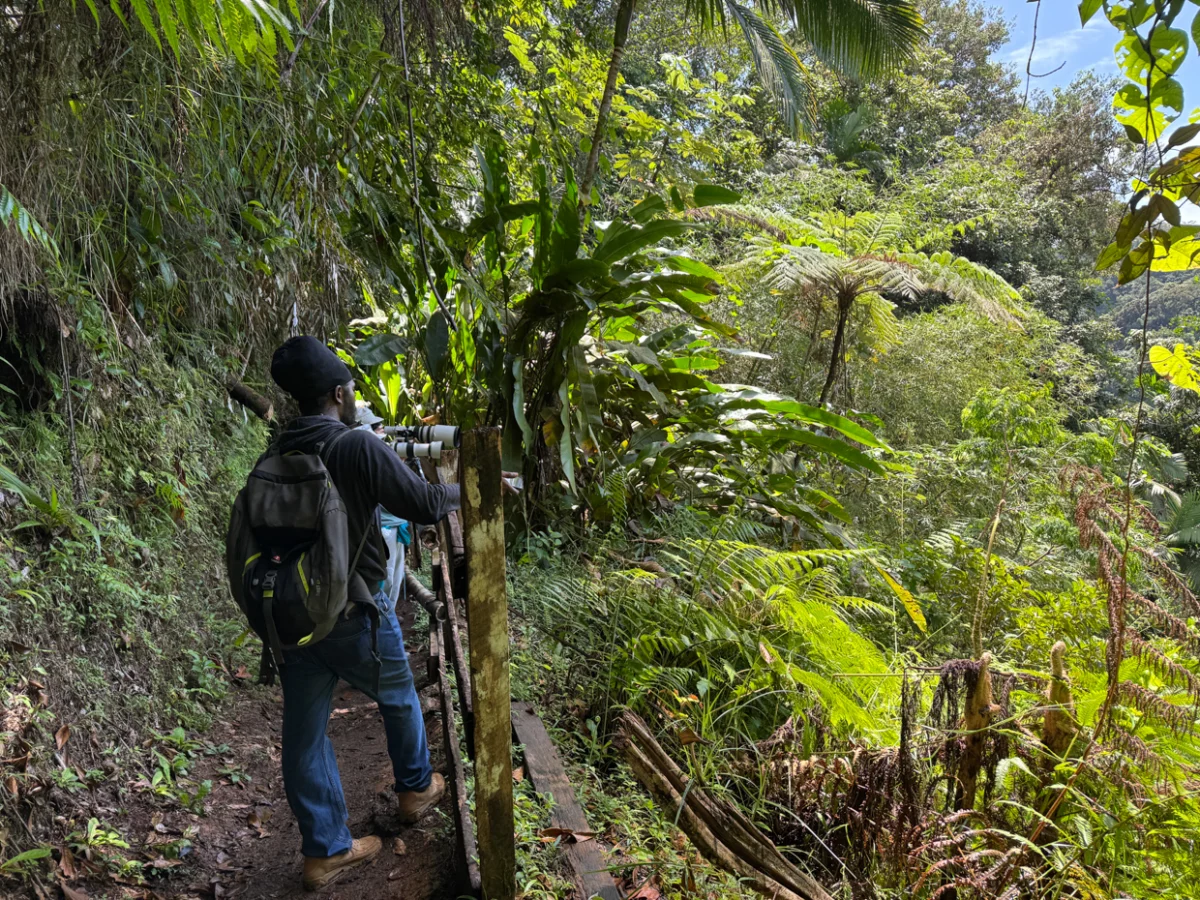
The 2026 ornithological survey of the eastern Caribbean islands—specifically St. Vincent, St. Lucia, and Dominica—has revealed a complex landscape of biological resilience and taxonomic evolution. Conducted by Eagle-Eye Tours, this expedition served as a critical follow-up to the 2022 survey, providing essential data on how regional bird populations have fared following a series of significant geological and meteorological disturbances. The findings highlight not only the survival of several critically endangered species but also the increasing importance of recent taxonomic revisions that have elevated several island-specific subspecies to full species status. This shift has significant implications for conservation priorities and international birding tourism in the Lesser Antilles.

The Changing Face of Caribbean Ornithology
Since the previous regional assessment in 2022, two major factors have reshaped the ornithological profile of the Lesser Antilles: advancements in avian taxonomy and the impact of extreme natural events. Taxonomists have recently recognized several distinct species that were previously grouped under broader classifications. Most notable among these are the "splits" of the Southern House Wren complex, which has resulted in three new island endemics: the St. Vincent Wren, the St. Lucia Wren, and the Kalinago Wren of Dominica. These changes have increased the "endemic count" for visiting researchers and birders, necessitating a more nuanced approach to habitat preservation.

Environmentally, the region has faced unprecedented challenges. The 2021 eruption of La Soufrière on St. Vincent and the subsequent devastation brought by Hurricane Beryl in 2024 have significantly altered the forest structures of the southern islands. These events have particularly impacted high-altitude specialists and canopy-dwelling species, making the 2026 expedition a vital gauge of population recovery.

St. Vincent: Resilience Following Volcanic and Cyclonic Disturbance
The expedition commenced on St. Vincent, an island still reeling from the dual impact of volcanic ash and hurricane-force winds. Despite these pressures, the avian populations showed remarkable persistence. The primary focus was the St. Vincent Wren (Troglodytes musicus), a recent taxonomic split. Observed in the suburban environs of Prospect, the species displayed distinct vocalizations and morphological differences from its mainland relatives, confirming the validity of its new species status.

Field observations at the Prospect Mangrove provided sightings of several regional endemics, including the Lesser Antillean Tanager and the Grenada Flycatcher. The latter is of particular interest as its range is restricted to the southern end of the archipelago, making St. Vincent a crucial stronghold for the species. However, the search for the Whistling Warbler—a bird whose population was severely thinned by the 2021 eruption—proved more difficult. While the lush rainforests above Kingstown appeared to be recovering, the absence of this elusive warbler during the survey suggests that high-altitude endemics may require more time to reach pre-eruption population levels.

The highlight of the St. Vincent leg was the observation of the St. Vincent Amazon (Amazona guildingii). Once on the brink of extinction, these parrots were observed in the Jemmings region. While the birds remained cautious, several flybys and perched views allowed researchers to confirm that breeding pairs are still active in the mid-region valleys, despite the canopy damage sustained during Hurricane Beryl.

St. Lucia: Taxonomic Highlights and Habitat Specialty
The second phase of the expedition shifted to St. Lucia, an island characterized by its iconic volcanic spires, the Pitons, and its dense upland forests. St. Lucia’s avian profile is defined by a high degree of endemism, including the St. Lucia Warbler, St. Lucia Oriole, and the St. Lucia Black Finch.

In the upland region of Babonneau, the survey recorded the St. Lucia Warbler and the Lesser Antillean Pewee. The latter is currently a subject of taxonomic debate, with many experts suggesting it may soon join the list of full island endemics. The expedition also noted the presence of the Gray Trembler, a member of the Mimidae family known for its unique vibrating behavior, which was observed in the low canopy.

A critical success of the St. Lucia leg was the sighting of the St. Lucia Thrasher in the dry forests of Micoud. This species is among the most range-restricted and vulnerable on the island. Initially elusive, a single adult was eventually observed at eye level, providing valuable data on its current habitat use. Furthermore, the Des Cartier rainforest trail provided a vantage point for observing the St. Lucia Amazon (Amazona versicolor). Following a heavy rain event, the parrots emerged to dry their plumage, allowing for clear documentation of their status. The presence of the Rufous-throated Solitaire in the same area indicates that the primary rainforest remains a stable environment for these sensitive species.

Dominica: The Stronghold of the Imperial Amazon
The final leg of the tour took place on Dominica, often referred to as the "Nature Isle" due to its rugged terrain and extensive forest cover. Dominica is the only island in the world that supports two endemic Amazona parrots: the Red-necked Amazon (Amazona arausiaca) and the Imperial Amazon (Amazona imperialis), also known locally as the Sisserou.

The Imperial Amazon is the rarest parrot in the genus and is the national bird of Dominica. Following the catastrophic impact of Hurricane Maria in 2017, there were fears that the species might be lost. However, the 2026 expedition confirmed the presence of a pair at the Syndicate Forest. Observing these birds high in the canopy remains a challenge due to their low population density and shy nature, but their continued presence in the Syndicate region is a testament to the island’s successful conservation efforts.

The survey also focused on the Kalinago Wren, the third of the recently split wren species. Observations near Lower Colihaut and Syndicate confirmed that the species is well-distributed, though it remains more secretive than its St. Vincent counterpart. Other significant sightings included the Plumbeous Warbler and the Blue-headed Hummingbird, both of which are restricted to Dominica and neighboring Martinique.

Supporting Data and Conservation Status
The 2026 expedition provided a snapshot of the current conservation status of several key species. According to the IUCN Red List and local forestry data, the following trends were noted:

- Imperial Amazon (Dominica): Remains Critically Endangered. Population estimates suggest fewer than 200 individuals remain in the wild, making every sighting at Syndicate vital for monitoring.
- St. Vincent Amazon: Currently Vulnerable. The population has shown resilience to volcanic ash, but habitat loss from Hurricane Beryl remains a concern.
- St. Lucia Thrasher: Endangered. Its reliance on specific dry forest habitats makes it highly susceptible to coastal development.
- Taxonomic Splits: The recognition of the St. Vincent, St. Lucia, and Kalinago Wrens as full species increases the "Endemic Bird Area" (EBA) value of the Lesser Antilles, potentially leading to increased international funding for habitat protection.
Logistical Analysis and Regional Impact
The success of such expeditions relies heavily on local expertise. Guides such as Lystra on St. Vincent, Willow on St. Lucia, and "Dr. Birdy" on Dominica represent a growing sector of the Caribbean economy: specialized eco-tourism. These experts provide more than just navigation; they are the primary monitors of their respective islands’ biodiversity.

The logistical challenges of 2026—including unseasonable weather patterns and the complexities of inter-island travel via hubs like Barbados—underscore the difficulty of maintaining consistent environmental monitoring in the region. The "dry season" of 2026 was notably wetter than historical averages, a phenomenon that some meteorologists attribute to broader climate shifts in the Atlantic. This excess moisture, while challenging for field researchers, may have benefited certain nectar-feeding species like the Blue-headed Hummingbird and the various Carib species by promoting extended flowering seasons.

Broader Implications for Caribbean Biodiversity
The 2026 Lesser Antilles expedition reinforces the status of these islands as a global biodiversity hotspot. The ability of endemic species to survive volcanic eruptions and Category 4 hurricanes suggests a high level of evolutionary adaptation. However, the increasing frequency of these events, coupled with human-driven habitat fragmentation, means that the margin for error is narrowing.

The elevation of subspecies to full species status is more than a clerical change for birdwatchers; it is a legal and conservationist tool. When a bird is recognized as a unique species, it often triggers stricter local protections and higher priority for international conservation grants. The three new wren species identified in this report will likely become the "canaries in the coal mine" for the health of the islands’ understory habitats.

In conclusion, while the 2026 survey faced significant weather-related obstacles, the data gathered offers a cautiously optimistic view of the Lesser Antilles. The parrots are still flying, the new wrens are singing, and the forests, though battered by wind and ash, continue to provide a sanctuary for some of the world’s rarest avian life. Continued monitoring and the support of local experts will be the deciding factors in whether these species survive the next century of environmental change.
