
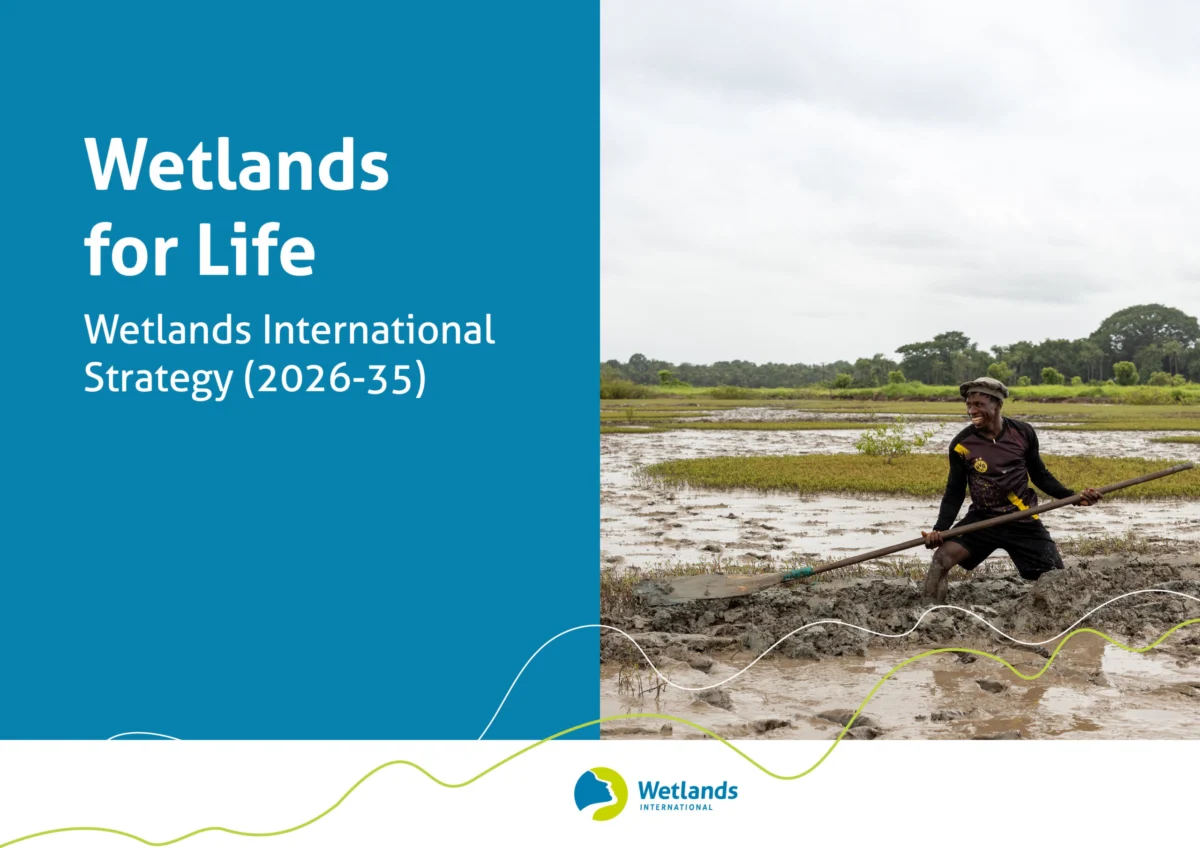
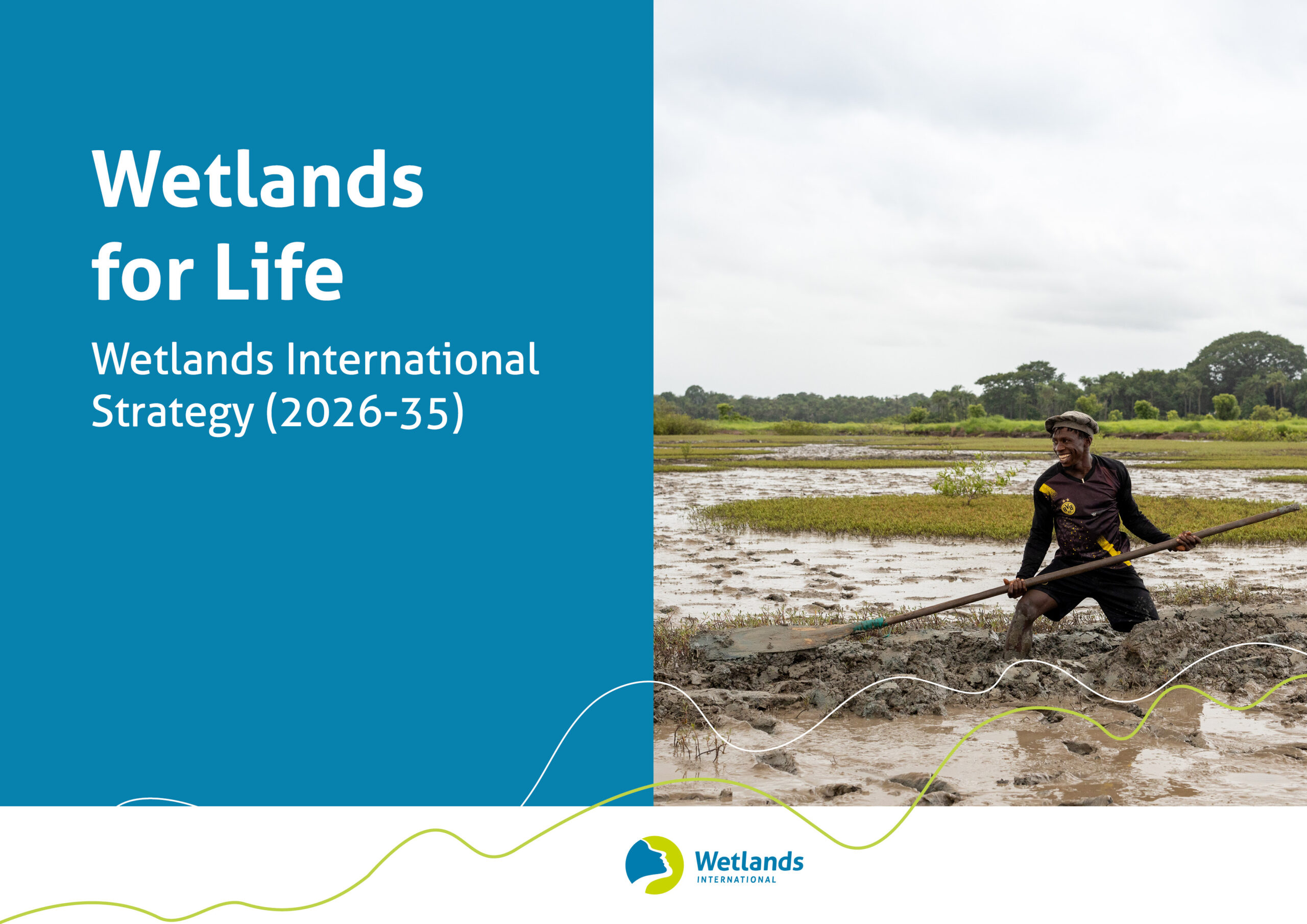
FEBRUARY 2, 2026 – Wetlands International has unveiled a comprehensive and ambitious strategy, "Wetlands for Life (2026-35)," on World Wetlands Day, marking a pivotal moment for the organization and a significant step forward in global efforts to protect, restore, and sustainably manage the world’s vital wetland ecosystems. The new strategy outlines a decade-long roadmap designed to catalyze transformative change for wetlands, benefiting people, nature, and the climate.
The launch signifies a renewed commitment to tackling the escalating crisis of wetland degradation, which threatens not only biodiversity and ecological balance but also the very foundations of human societies and economies. Wetlands, encompassing a vast array of ecosystems from rivers and lakes to mangroves and peatlands, provide indispensable services, including water purification, flood control, carbon sequestration, and critical habitats for diverse species. Despite their crucial role, these ecosystems are being lost at an alarming rate due to drainage, damming, dredging, and pollution.
A New Era for Wetland Conservation
The "Wetlands for Life" strategy is built upon Wetlands International’s three-decade legacy as a locally led, global network organization. It emphasizes a collaborative approach, working hand-in-hand with communities, partners, corporations, and governments to co-create solutions and achieve substantial impact at the site level. By 2035, the organization, in partnership with its extensive network, aims to have directly contributed to:
- Significant hectares of wetlands protected and restored: Specific quantitative targets are detailed within the strategy document, though not explicitly enumerated in the initial announcement. This includes a focus on restoring degraded peatlands, vital for carbon storage, and protecting coastal wetlands like mangroves and saltmarshes, crucial for climate resilience and biodiversity.
- Enhanced livelihoods and resilience for communities dependent on wetlands: The strategy prioritizes the integration of wetland conservation with sustainable development, ensuring that local populations benefit directly from healthy wetland ecosystems. This includes promoting sustainable fishing practices, ecotourism, and the use of wetland resources in a manner that ensures their long-term viability.
- Measurable improvements in water security and quality: Wetlands act as natural filters and reservoirs, and their restoration is key to addressing water scarcity and pollution. The strategy aims to improve water availability and quality for both human consumption and ecosystem health across targeted regions.
- Increased carbon sequestration and climate change mitigation: Peatlands, in particular, are immense carbon sinks. The strategy recognizes their critical role in combating climate change and outlines plans for their protection and restoration to prevent the release of vast amounts of stored carbon.
While these direct impacts are substantial, Wetlands International emphasizes that they are intended to be catalytic. They will serve as living laboratories and demonstrations, showcasing successful solutions that can inspire and trigger the systemic changes required in policies, business practices, and financial investments necessary to scale up wetland action globally.
Driving Systemic Change: The Core of the Strategy
Coenraad Krijger, CEO of Wetlands International, articulated the organization’s strategic shift: "While we continue to deliver significant wetland impact at site level, our primary added value is not as an implementing agency but as a driver of systemic change at national, landscape and global levels." This sentiment underscores a deliberate focus on influencing the overarching frameworks that govern wetland management and protection.
The strategy pivots towards becoming a catalyst for transformative change by actively working to reshape the policies, business models, and financial systems that have historically led to wetland degradation. By 2035, Wetlands International aims to achieve systemic contributions, in collaboration with its partners, such as:
- Policy Transformation: Influencing national and international policies to prioritize wetland conservation and sustainable use, including integrating wetland considerations into land-use planning, water management, and climate adaptation strategies. This involves advocating for stronger legal protections, effective enforcement mechanisms, and the removal of harmful subsidies.
- Business and Finance Integration: Encouraging the private sector to adopt wetland-positive practices and investments. This includes promoting corporate sustainability initiatives, developing innovative financing mechanisms for wetland restoration and conservation, and ensuring that business operations do not negatively impact wetland ecosystems.
- Enhanced Global Awareness and Action: Elevating the profile of wetlands on the global agenda and fostering a broad-based movement for their protection. This involves raising public awareness, engaging diverse stakeholders, and building a strong advocacy base for wetland conservation.
Four Pillars of Action
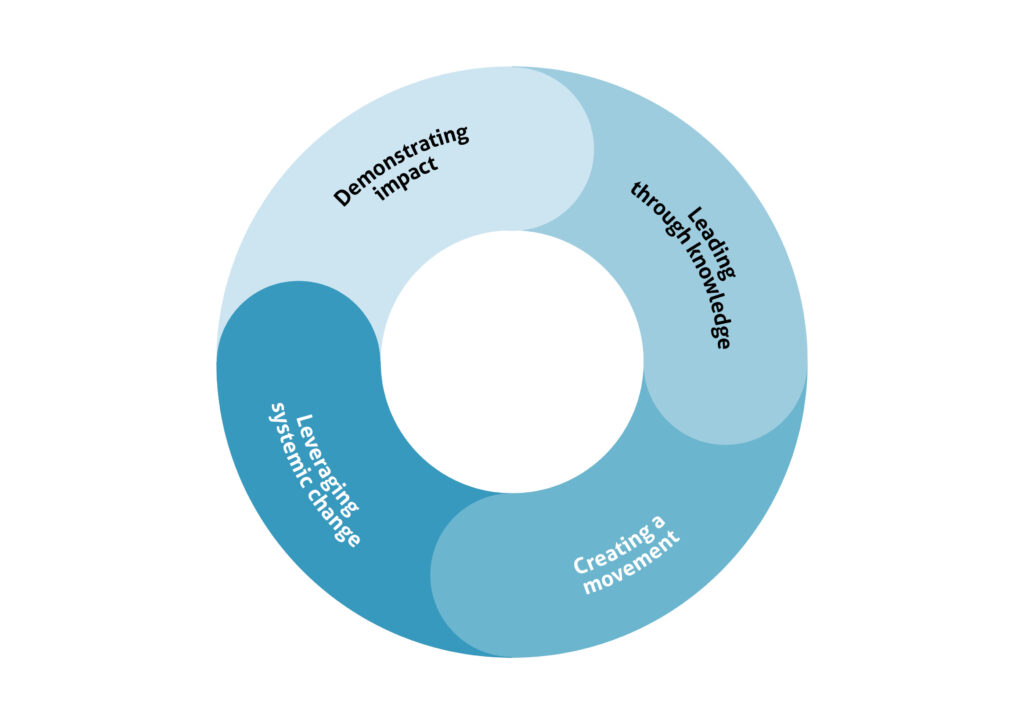
To achieve these ambitious goals, Wetlands International will focus on four interconnected pillars:
- Demonstrating Impact: Continuing to deliver tangible results through site- and landscape-level interventions. This involves implementing successful conservation and restoration projects that serve as models for wider adoption.
- Leading Through Knowledge: Generating and disseminating knowledge, research, and best practices related to wetland science, management, and policy. This includes sharing lessons learned from project sites and contributing to the global scientific understanding of wetland ecosystems.
- Creating a Movement: Building and mobilizing a diverse coalition of stakeholders, from local communities to international organizations, to advocate for and act on wetland conservation. This pillar focuses on fostering collaboration, building capacity, and inspiring collective action.
- Leveraging Systemic Change: Actively working to influence policy, business, and finance to create an enabling environment for wetland protection and restoration. This involves strategic engagement with decision-makers and influential actors in these sectors.
Focusing on Flagship Landscapes and Critical Ecosystems
The strategy will see Wetlands International deepen its work in 12 flagship landscapes across Africa, Asia, Europe, and Latin America. The overarching goal for these landscapes by 2035 is to have them under holistic management. This includes the integration of innovative finance, regenerative land-use practices, and a comprehensive approach that links site-level action with systemic efforts to transform governance, business, and investment.
The organization will continue to prioritize work across a range of freshwater and inland wetlands, including rivers, floodplains, lakes, marshes, and inland deltas, recognizing their fundamental role in providing water, food, fisheries, and transport, while also serving as crucial biodiversity hotspots and ecological connectors.

Particular emphasis will be placed on:
- Peatlands: These ecosystems are critical for their role in nourishing other environments, storing vast amounts of terrestrial carbon (estimated at 30% of the global total), and acting as exceptional natural sponges. The strategy aims to counter the alarming rate of peatland drainage and conversion, which contributes significantly to global greenhouse gas emissions (approximately 5%), wildfires, and the loss of water resources, biodiversity, and resilience.
- Coastal Wetlands: Including mangroves, saltmarshes, and seagrass beds, these vital ecosystems provide natural defenses for communities and cities, support agriculture and fisheries, and harbor rich biodiversity. Their ongoing loss due to urbanization, unsustainable infrastructure, and rising sea levels necessitates urgent conservation efforts.
- Migratory Species: The strategy will pay specific attention to migratory waterbirds and their flyways, as well as migratory fish and their swimways. These species are crucial connectors within ecosystems, serve as key indicators of wetland health, and are facing increasing pressure from habitat loss and fragmentation.
Global Collaboration and Voluntary Initiatives
Wetlands International will continue its central role in three key voluntary global initiatives: the Freshwater Challenge, the Mangrove Breakthrough, and the Peatland Breakthrough. These initiatives are designed to facilitate the sharing of solutions, best practices, and to drive impactful, game-changing action for wetlands worldwide.
Commitment to Inclusivity and Local Realities
A cornerstone of Wetlands International’s approach has always been its grounding in local realities and its commitment to genuine, inclusive collaboration. The development of the "Wetlands for Life" strategy has been shaped by extensive consultations with partners, members, donors, and colleagues across the global network. This ensures that the strategy is not only ambitious but also practical and rooted in the needs and aspirations of the communities who depend on wetlands.
The organization will continue to prioritize working with and securing benefits for Indigenous Peoples and local communities, particularly vulnerable groups, including women and youth, recognizing their invaluable role in wetland stewardship and conservation.
A Decisive Decade Ahead
The launch of this strategy arrives at a critical juncture. The coming decade is recognized as decisive for the future of the planet’s wetlands and, by extension, for global efforts to stabilize the climate, restore biodiversity, enhance food and water security, strengthen peace and security, and build more resilient societies and economies.
Wetlands International believes that its "Wetlands for Life (2026-35)" strategy positions the organization to lead a new era of wetland action. By fostering collaboration and empowering stakeholders, the organization aims to safeguard and restore the world’s priceless wetlands, ultimately contributing to a healthier planet and a more sustainable future for all. The simple truth underpinning the strategy is that a successful scaling up of efforts to protect and restore wetlands will represent a giant leap towards achieving these interconnected global goals. The call to action is clear: together, we can rise to this challenge.
Historical Context and Background
World Wetlands Day, celebrated annually on February 2nd, commemorates the adoption of the Convention on Wetlands of International Importance (the Ramsar Convention) in Ramsar, Iran, on February 2, 1971. This convention is an intergovernmental treaty that provides the framework for national action and international cooperation for the conservation and wise use of wetlands and their resources.
The increasing urgency surrounding wetland loss has been highlighted by various international reports, including those from the Intergovernmental Science-Policy Platform on Biodiversity and Ecosystem Services (IPBES) and the UN Environment Programme (UNEP). These reports consistently identify wetlands as one of the most threatened ecosystems globally, with significant biodiversity loss and impacts on human well-being. The launch of Wetlands International’s new strategy directly responds to these growing concerns and the calls for accelerated action from the global scientific and environmental community.
The development of the "Wetlands for Life" strategy is the culmination of extensive internal and external consultations, reflecting a thorough assessment of past achievements and future challenges. This process underscores the organization’s commitment to evidence-based planning and adaptive management in its conservation efforts.
