
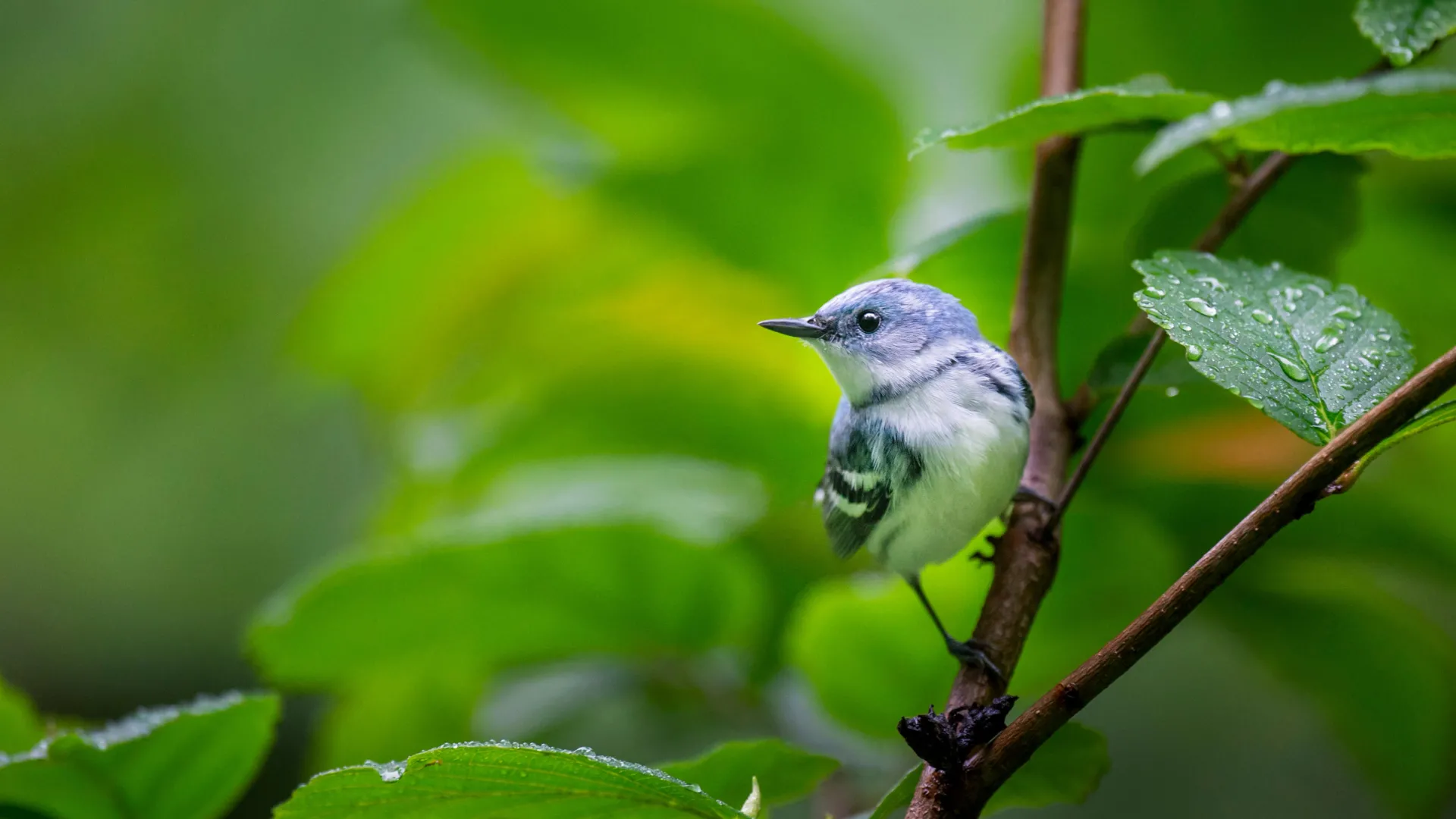
Every spring, the familiar songs of Wood Thrushes and warblers drift back into parks and neighborhoods across eastern North America. Few people realize that these birds spend most of their lives much farther south, relying on the lush and often remote forests of Central America to survive the rest of the year. A recent groundbreaking study, spearheaded by the Wildlife Conservation Society (WCS) and the Cornell Lab of Ornithology (Cornell Lab) and published in the peer-reviewed journal Biological Conservation, has definitively established the critical role of the Five Great Forests of Central America—an expansive ecological corridor stretching from southern Mexico to northern Colombia—as indispensable havens for a vast array of migratory bird species, forging an intricate biological link between the two continents.
The Annual Migration Spectacle: A Hemispheric Journey
The phenomenon of avian migration is one of nature’s most awe-inspiring spectacles, a testament to the resilience and navigational prowess of countless bird species. Each year, billions of birds undertake arduous journeys spanning thousands of miles, driven by the seasonal availability of food and suitable breeding or wintering habitats. For many species that grace North American landscapes during spring and summer, the onset of autumn signals a perilous southward odyssey. This migration is not merely a flight but a monumental physiological feat, demanding immense energy reserves and precise timing to navigate complex atmospheric conditions and avoid predators. Historically, understanding the precise pathways and critical stopover points for these tiny travelers has been a significant challenge for ornithologists. However, advancements in tracking technology and citizen science platforms have begun to unravel the mysteries of these intercontinental commutes, revealing the profound interconnectedness of ecosystems across the Americas.
The stakes for these migratory populations are increasingly high. Scientific consensus points to a dramatic decline in bird numbers across North America. A landmark study published in Science in 2019 revealed that North America has lost nearly 3 billion birds—or 29% of its total—since 1970. Migratory birds, particularly those relying on specific forest habitats, are among the most severely affected. This stark reality underscores the urgency of understanding and protecting the entire annual cycle of these species, from their breeding grounds in Canada and the United States to their non-breeding territories in the tropics.
Central America: A Critical Hemispheric Hub of Biodiversity
Central America, often referred to as a biological land bridge, is a region of unparalleled biodiversity, acting as a crucial funnel for migratory species moving between North and South America. Its diverse ecosystems, ranging from humid rainforests to cloud forests and coastal mangroves, provide essential resources for millions of birds seeking refuge from the northern winter. Within this vital region, the study highlights the paramount importance of what are collectively known as the Five Great Forests. These include:
- Selva Maya: Spanning parts of Mexico, Guatemala, and Belize, it is the largest continuous tropical forest in Mesoamerica.
- Moskitia: Located primarily in Honduras and Nicaragua, characterized by vast expanses of pine savannas, wetlands, and broadleaf forests.
- Indio Maíz-Tortuguero: An ecological corridor along the Caribbean coasts of Nicaragua and Costa Rica, famed for its rich biodiversity and marine turtle nesting sites.
- La Amistad: A binational park straddling the border of Costa Rica and Panama, encompassing diverse altitudinal zones from lowland rainforests to high-altitude páramos.
- Darién: Situated on the border of Panama and Colombia, this vast, roadless wilderness is a natural barrier and a critical bottleneck for migratory species.
Together, these five distinct yet interconnected forest blocks form a continuous ecological corridor roughly the size of Virginia. This expansive green belt is not merely a transit zone but a vital wintering ground, offering sustenance and shelter for an extraordinary diversity of life. Beyond the focus on migratory songbirds, these forests are also critical habitats for iconic resident species, including apex predators like jaguars, Baird’s tapirs, and vibrant scarlet macaws, showcasing their immense ecological value far beyond their role in avian migration.
Groundbreaking Study Illuminates Intercontinental Link
The WCS and Cornell Lab study, leveraging an unprecedented volume of data, provides the clearest picture yet of the intricate connections between North American breeding grounds and Central American wintering sites. Researchers meticulously analyzed detailed information on weekly bird distribution, made possible by hundreds of millions of sightings submitted by citizen scientists to the Cornell Lab’s global eBird platform. eBird, launched in 2002, has revolutionized ornithological research by crowd-sourcing bird observations, creating a dynamic, real-time database that allows scientists to track bird movements, population trends, and habitat use on an unparalleled scale. The sheer volume and geographic spread of eBird data allowed the study to generate highly accurate distribution maps and population estimates.
The findings were striking: these five forests collectively provide essential habitat for between one-tenth and nearly one-half of the global populations of 40 migratory species. Many of these species are among the fastest declining in North America, making the protection of their Central American wintering grounds all the more urgent.
Anna Lello-Smith, lead author of the study and a conservation scientist at WCS, emphasized the direct link: "What happens in Central America directly affects the birds we love in the United States and Canada. These forests aren’t just tropical wilderness—they’re at the heart of migration, sustaining many of our birds for more than half the year. They provide the food and shelter that allow Wood Thrushes, Magnolia Warblers, and so many others to return north to fill our spring with song and color."
Viviana Ruiz-Gutierrez, director of Conservation Science at the Cornell Lab of Ornithology and a co-author of the study, further underscored the extraordinary concentration of avian life in these regions. "Every fall, billions of birds pour south through the narrow land bridge of Central America," she noted. "The density of migratory warblers, flycatchers, and vireos crowded into these five forests is astounding, and means that each hectare protected there safeguards a disproportionate number of birds." This high density makes conservation efforts in these specific areas exceptionally efficient and impactful.
The Looming Crisis: Rapid Deforestation and Its Causes
Despite their immense ecological value, the Five Great Forests are under relentless assault, disappearing at an alarming and accelerating pace. The primary driver of this deforestation is illegal cattle ranching, a pervasive and destructive force that has already eradicated millions of acres of irreplaceable forest cover. The conversion of forest to pastureland is often driven by illicit activities, linked to organized crime and weak governance, creating a complex challenge for conservationists.
The Moskitia region, for instance, has witnessed particularly devastating losses, with almost one-third of its forest vanishing in just 20 years. This rapid habitat destruction not only eliminates critical wintering grounds for migratory birds but also contributes significantly to global climate change by releasing stored carbon and severely impacts the indigenous and local communities who depend on these forests for their livelihoods and cultural heritage. Beyond cattle ranching, other threats include the expansion of industrial agriculture (e.g., oil palm, bananas), illegal logging, mining, and infrastructure development projects that fragment remaining forest patches.
Jeremy Radachowsky, Regional Director for WCS’s Mesoamerica Program, issued a stark warning: "If we lose the last great forests of Central America—and we are—we lose the birds that define our eastern forests in North America." He stressed that the crisis is not insurmountable, adding, "But by supporting rural communities, governments, and conservation partners on the ground, we can still turn the tide." This sentiment highlights the critical need for immediate and concerted action from local to international levels.
Local Solutions and Global Partnerships: A Path Forward
Amidst the grim reality of deforestation, there are beacons of hope rooted in the tireless efforts of Indigenous and local communities across Central America. These communities, often the frontline guardians of these vital ecosystems, are actively engaged in restoring damaged lands, implementing strategies to prevent devastating forest fires, and reviving traditional, bird-friendly livelihoods. Examples include the sustainable cultivation of crops like allspice and cacao, which can thrive under the forest canopy, providing economic benefits without necessitating widespread deforestation. These efforts are not without significant risks, as environmental defenders in Central America frequently face threats and violence for their work. Yet, their commitment remains essential for the protection of remaining forest habitats and the biodiversity they support.
The challenge of migratory bird conservation inherently transcends national borders, necessitating unprecedented international cooperation. For years, such collaboration has been hampered by a lack of clear, actionable information about how migratory birds connect different habitats and communities throughout their annual cycle. To bridge this knowledge gap and support cross-border conservation initiatives, researchers utilized a robust framework developed by Partners in Flight and the Cornell Lab. This framework allowed them to map "stewardship connections"—identifying specific regions in North America where species dependent on the Five Great Forests gather to breed. Partners in Flight, a coalition of government agencies, non-governmental organizations, and academic institutions, has been a driving force in avian conservation in the Western Hemisphere since its inception in 1990, advocating for a full annual cycle approach to bird protection.
The "Sister Landscapes" Concept: A Blueprint for Collaboration
The study’s findings reveal a powerful concept: "sister landscapes." These are geographically distinct regions, one in Central America and one in North America, linked by the same bird species at different points in their annual cycle. For example, the data shows that the Five Great Forests are closely tied to forest regions in the Appalachians, the Mississippi Delta, the Great Lakes, New England, and the landscapes surrounding New York City. This groundbreaking identification of sister landscapes provides a clear, actionable blueprint for targeted conservation. It allows conservationists and policymakers to understand precisely which North American communities have a direct stewardship responsibility and interest in the health of specific Central American forests.
By recognizing these ecological partnerships, conservation efforts can be strategically coordinated, ensuring that investments in habitat protection in one region yield tangible benefits for the same bird populations in their other seasonal homes. This approach moves beyond fragmented, localized efforts towards a more holistic, hemispheric strategy. For example, protecting a specific tract of forest in Honduras could be directly linked to the survival of a population of Wood Thrushes that breed in the Catskill Mountains of New York.
Broader Ecological and Economic Implications
The implications of protecting the Five Great Forests extend far beyond migratory birds. These expansive tropical ecosystems provide a myriad of invaluable ecosystem services that benefit both local communities and the global environment. They act as massive carbon sinks, playing a critical role in mitigating climate change by absorbing atmospheric carbon dioxide. They regulate regional hydrological cycles, influencing rainfall patterns and ensuring water security for millions of people. Their rich biodiversity contributes to soil health, pollination of crops, and natural pest control. The loss of these forests would trigger a cascade of negative consequences, including increased soil erosion, intensified droughts and floods, and further extinction events.
Furthermore, healthy forests can support sustainable economic development. Ecotourism, particularly birdwatching tourism, offers a significant economic incentive for conservation. As bird populations decline, so too does the potential for this valuable industry. Supporting sustainable livelihoods for indigenous and local communities, such as agroforestry and responsible harvesting of forest products, provides an economic alternative to destructive practices like illegal cattle ranching, fostering a mutually beneficial relationship between people and nature.
A Call to Action for a Shared Future
In many ways, the Five Great Forests serve as tropical counterparts to North America’s eastern forests. They shelter the same suite of forest-loving birds, including Scarlet Tanagers, Kentucky Warblers, Golden-winged Warblers, and Broad-winged Hawks, during the crucial months when these species are far from their breeding territories. Safeguarding these vital wintering and stopover habitats is not merely an environmental concern; it is essential for ensuring that these birds continue to return north each spring, enriching our lives with their beauty and song.
The study serves as an urgent call to action, emphasizing the shared responsibility of North and Central American nations to protect these interconnected ecosystems. "Every hectare we protect in Central America has ripple effects for birds and people across the hemisphere," stated Anna Lello-Smith. "The forests that sustain thrushes and warblers also support communities. If you love watching your birds come back each spring, we invite you to discover the tropical forests they call home for most of the year—and help protect them." Viviana Ruiz-Gutierrez echoed this sentiment, envisioning a future where collaboration across the Americas leads to the recovery of shared migratory bird populations. The scientific evidence is clear: the fate of North America’s migratory birds is inextricably linked to the health and survival of Central America’s last great forests. Protecting these critical habitats is not just an act of conservation; it is an investment in the ecological health and natural heritage of an entire hemisphere.
