
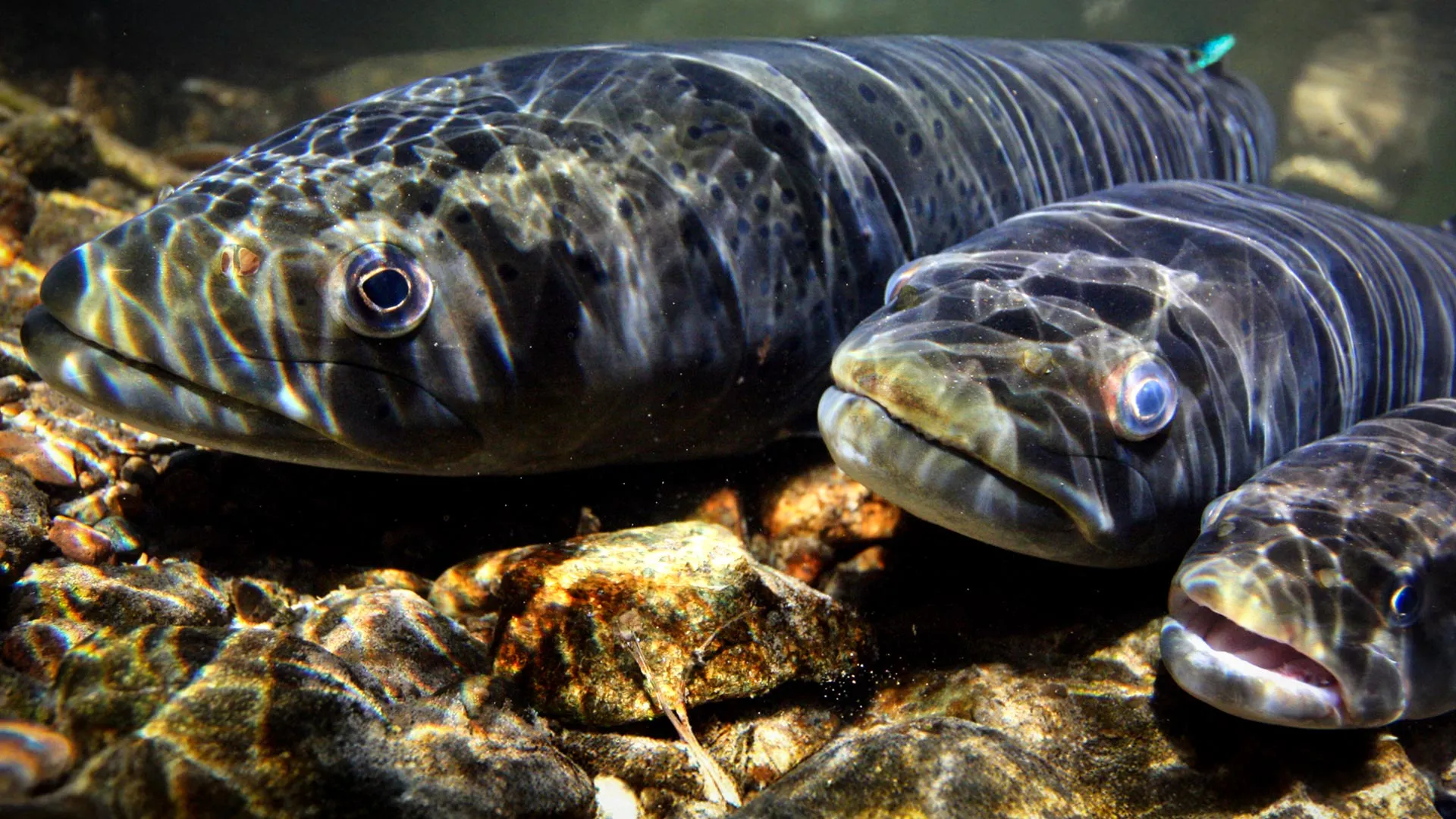
Some of the longest and most essential animal migrations on Earth take place beneath the surface of rivers, a vital, often unseen network of movement now rapidly breaking down, according to a major new report from the Convention on the Conservation of Migratory Species of Wild Animals (CMS), a United Nations environmental treaty. The alarming findings, released at the CMS 15th Meeting of the Conference of the Parties (COP15) in Brazil, highlight that migratory freshwater fish are among the most threatened species globally, facing an overlooked biodiversity crisis with profound ecological and socio-economic consequences.
The Unseen Crisis: Migratory Fish Populations in Peril
The "Global Assessment of Migratory Freshwater Fishes" paints a stark picture of declining fish populations crucial for the health of river ecosystems, the sustenance of major inland fisheries, and the livelihoods of hundreds of millions of people worldwide. The report, drawing on extensive global datasets and IUCN assessments of nearly 15,000 freshwater fish species, represents the most comprehensive overview to date of the conservation challenges confronting these critical aquatic migrants. It reveals that migratory freshwater fish populations have plummeted by an estimated 81% globally since 1970. Even more concerning, nearly all (97%) of the 58 migratory fish species (encompassing both freshwater and saltwater species) currently listed under CMS Appendices are now threatened with extinction.
The assessment identifies a staggering 325 migratory freshwater fish species as candidates requiring urgent, coordinated international action. These species, which rely on interconnected rivers often spanning national borders, are experiencing rapid declines driven by a confluence of anthropogenic pressures: extensive dam construction, severe habitat fragmentation, pervasive pollution, unsustainable overfishing practices, and climate-related ecosystem changes. This largely overlooked crisis in freshwater biodiversity demands immediate attention, as animals living in freshwater ecosystems are declining at a faster rate than those in terrestrial or marine environments.
Chronology of Concern: CMS COP15 and the Call to Action
The CMS COP15, held in Brazil, served as the critical platform for the unveiling of this landmark report. The Convention on the Conservation of Migratory Species of Wild Animals (CMS), established under the United Nations Environment Programme, is an international treaty dedicated to conserving migratory species and their habitats globally. Its conferences of the parties are pivotal moments where member states come together to assess the state of migratory species, propose new conservation measures, and strengthen international cooperation. The decision to release this specific assessment at COP15 underscored the urgency of the freshwater fish crisis and aimed to galvanize political will among signatory nations.
The focus on migratory freshwater fish at this COP reflects a growing understanding within the scientific and conservation communities that these species, despite their ecological importance, have often been overshadowed by conservation efforts targeting more charismatic terrestrial or marine migrants. The report’s timing is critical, seeking to embed the conservation of river connectivity and migratory fish into broader global biodiversity frameworks and national development agendas.
Driving Forces of Decline: A Multifaceted Threat Landscape
The precipitous decline of migratory freshwater fish populations is not attributable to a single factor but rather a complex interplay of human activities:
- Dam Construction and Habitat Fragmentation: Dams are perhaps the most significant threat, acting as insurmountable barriers that block essential migration routes between spawning grounds, feeding areas, and floodplain nurseries. Globally, thousands of large dams have been constructed, fundamentally altering river flows, water temperatures, and sediment transport. These structures fragment once-continuous river systems into isolated segments, preventing fish from completing their life cycles. Even small dams or poorly designed culverts can have devastating localized impacts, accumulating to a basin-wide effect.
- Pollution: Rivers worldwide are conduits for a vast array of pollutants. Agricultural runoff, laden with pesticides and fertilizers, creates toxic environments and algal blooms that deplete oxygen. Industrial discharges introduce heavy metals and persistent organic pollutants, directly harming fish and accumulating in the food web. Untreated sewage from burgeoning urban areas contributes pathogens and nutrient overload, further degrading water quality and altering aquatic habitats.
- Overfishing: The demand for freshwater fish as a protein source has led to unsustainable fishing practices. Overfishing, particularly of breeding adults or during critical migration periods, can rapidly decimate populations that are already under stress from habitat loss and pollution. Illegal, unreported, and unregulated (IUU) fishing exacerbates the problem, making effective management and enforcement challenging.
- Climate Change: The impacts of climate change are manifold and increasingly evident in freshwater ecosystems. Altered precipitation patterns lead to more frequent and intense floods or droughts, disrupting natural flow regimes vital for fish reproduction and migration. Rising water temperatures can stress fish, reduce oxygen levels, and alter the timing of spawning. Extreme weather events can destroy habitats and further fragment populations.
These threats often interact synergistically, creating a "perfect storm" that pushes vulnerable species closer to extinction.
Global Hotspots and Regional Imperatives
The report identifies several key river systems as global priorities for conservation, underscoring the transboundary nature of the crisis. These include South America’s Amazon and La Plata-Paraná, Europe’s Danube, Asia’s Mekong, Africa’s Nile, and the Indian sub-continent’s Ganges-Brahmaputra. Each of these mighty rivers, vital arteries of their respective continents, supports unique and diverse migratory fish faunas but faces immense development pressures.
The Amazon Basin, as the host of COP15, received particular attention. It remains one of the last major strongholds for migratory freshwater fish, boasting unparalleled biodiversity. However, increasing development pressures, including new dam projects, mining, and deforestation, are placing this status at grave risk. A dedicated case study released alongside the global assessment highlights 20 migratory fish species in the Amazon that meet the criteria for potential CMS Appendix II listing. These long-distance migrants are not merely ecological components; they are central to regional fisheries, constituting approximately 93% of total landings and underpinning an industry valued at an estimated US$436 million annually.
Among these, the Dorado (gilded) catfish (Brachyplatystoma rousseauxii) stands out. This impressive bottom-dwelling species, characterized by its metallic gold/silver coloring and substantial size (up to 2 meters or 6.5 ft), undertakes the longest known freshwater migration of any fish on Earth. Its remarkable life cycle involves an epic journey of 11,000 kilometers from the Andean headwaters to coastal nursery areas, a testament to the incredible resilience and migratory drive that is now severely threatened. To safeguard such iconic species, Brazil and other regional countries are championing a Multi-species Action Plan for Amazonian Migratory Catfish (2026-2036), developed through cooperative regional efforts.
Furthermore, Brazil has proposed the addition of the spotted sorubim catfish (Pseudoplatystoma corruscans) to CMS Appendix II. This initiative emphasizes the urgent need for coordinated action in the La Plata Basin, where these fish confront similar threats from dams, altered water flows, and intense fishing pressure. These proposals exemplify the core principle of CMS: effective conservation solutions must encompass the full geographic range of migratory species and are inherently dependent on robust cooperation between nations sharing these vital river systems.
From Data to Action: Practical Steps for Governments
The report is not merely a diagnostic tool; it also outlines practical, immediate steps that governments can take to reverse the alarming trend. These include:
- Removing Obsolete Dams: Prioritizing the removal of dams that no longer serve their original purpose or whose ecological costs far outweigh their benefits. This process, often termed "dam removal" or "decommissioning," can restore river connectivity and natural flow regimes.
- Improving Fish Passage: For essential dams that cannot be removed, implementing and upgrading effective fish passage solutions, such as fish ladders, elevators, or bypass channels, to allow fish to navigate around obstacles.
- Restoring River Habitats: Undertaking extensive habitat restoration projects, including re-establishing riparian vegetation, reconnecting floodplains, and improving in-stream habitats to support all life stages of migratory fish.
- Implementing Sustainable Fisheries Management: Adopting and enforcing scientifically sound fisheries management plans that include catch limits, seasonal closures during spawning, gear restrictions, and robust monitoring to prevent overexploitation.
- Controlling Pollution Sources: Strengthening regulations and enforcement to reduce industrial and agricultural pollution, improving wastewater treatment, and promoting sustainable land management practices to minimize runoff into rivers.
- Integrating Climate Change Adaptation: Incorporating climate change projections into water resource management and conservation planning, developing strategies to enhance the resilience of freshwater ecosystems to changing conditions.
- Strengthening International Cooperation: Forging and reinforcing transboundary agreements and joint management initiatives for shared river basins, recognizing that rivers and fish do not adhere to political borders.
Expert Voices Echo the Urgency
The scientific and conservation communities are united in their call for immediate action. Dr. Zeb Hogan, the lead author of the assessment, emphasized the scale of the challenge: "Many of the world’s great wildlife migrations take place underwater. This assessment shows that migratory freshwater fish are in serious trouble, and that protecting them will require countries to work together to keep rivers connected, productive, and full of life."
Amy Fraenkel, CMS Executive Secretary, highlighted the report’s significance in shaping conservation priorities: "This new assessment highlights a major priority for the conservation of migratory species and their habitats, that has not had adequate focus to date. By aligning science, policy and international cooperation, governments can safeguard the world’s remaining great freshwater fish migrations and the communities and ecosystems that depend on them."
Michele Thieme, Vice President and Deputy Lead of Freshwater at World Wildlife Fund-US, underscored the interconnectedness of river systems: "Rivers don’t recognize borders – and neither do the fish that depend on them. The crisis unfolding beneath our waterways is far more severe than most people realize, and we are running out of time. Rivers need to be managed as connected systems, with coordination across borders, and investments in basin-wide solutions now before these migrations are lost forever."
Beyond these expert voices, the implications resonate deeply with indigenous communities and local fishing populations for whom these migrations are not just an ecological phenomenon but a cornerstone of their cultural heritage, food security, and economic well-being. Their traditional knowledge and direct reliance on these resources make them invaluable partners in conservation efforts, yet they are often the first to suffer the consequences of declining fish stocks.
Broader Impact and Implications
The collapse of migratory freshwater fish populations carries far-reaching implications that extend beyond the aquatic realm.
- Ecological Impact: These fish play vital roles in river ecosystems, acting as key components of food webs, transferring nutrients between different habitats, and influencing ecosystem structure. Their decline can trigger trophic cascades, impacting other aquatic and terrestrial species that depend on them for food, leading to a broader degradation of river health and biodiversity.
- Socio-economic Impact: For hundreds of millions of people, particularly in developing nations, migratory freshwater fish are a primary source of protein and income. The breakdown of these migrations threatens food security, exacerbates poverty, and undermines the livelihoods of fishing communities. The economic value of inland fisheries, estimated in billions of dollars globally, is at risk, with direct consequences for national economies and rural development.
- Policy Implications: The crisis underscores the urgent need for a paradigm shift in how river systems are managed. It demands a move away from fragmented, sector-specific approaches towards integrated river basin management that considers the entire hydrological and ecological network. This requires enhanced cross-sectoral collaboration (energy, agriculture, water, environment) and robust international legal and policy frameworks to ensure transboundary cooperation.
- Cultural Significance: Many migratory fish species hold deep cultural and spiritual significance for indigenous peoples and local communities, woven into their traditions, stories, and identities. Their disappearance represents an irreplaceable loss of cultural heritage.
The "Global Assessment of Migratory Freshwater Fishes" serves as an urgent wake-up call, emphasizing that the health of our rivers and the survival of their remarkable migratory inhabitants are inextricably linked to human well-being. The time for piecemeal solutions is over; what is needed now is a coordinated, comprehensive global effort to restore river connectivity, mitigate threats, and safeguard these essential underwater migrations for future generations. The success of these efforts will determine not only the fate of hundreds of fish species but also the ecological integrity of our planet’s freshwater systems and the sustenance of countless communities that depend on them.
