
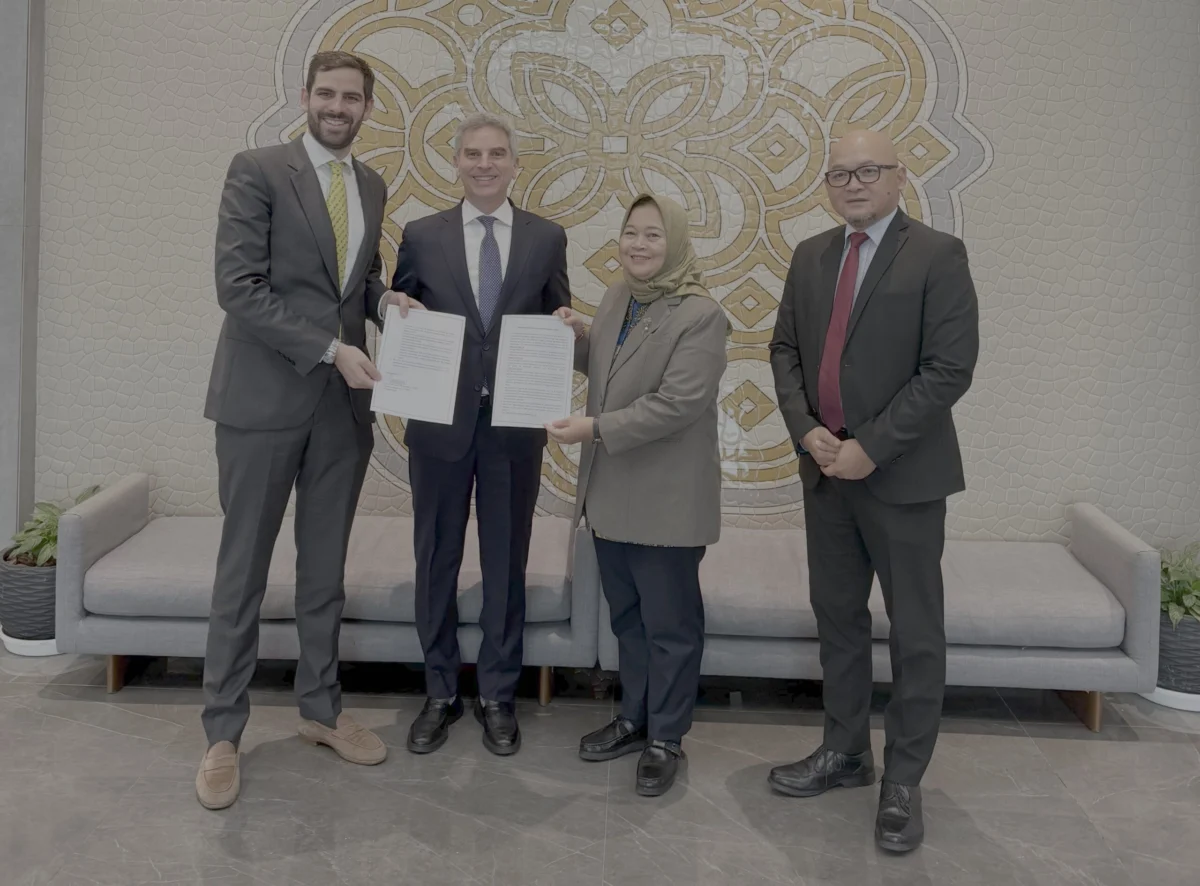
Abu Dhabi, UAE – January 15, 2026 – The Mangrove Breakthrough initiative has commenced 2026 by achieving a significant endorsement from the Government of Indonesia, a nation possessing the world’s most extensive mangrove ecosystems. This pivotal agreement was formalized on the sidelines of Abu Dhabi Sustainability Week, marking a substantial advancement for global mangrove protection and restoration efforts. Indonesia’s commitment places it at the forefront of nations actively participating in the initiative’s ambitious goal of safeguarding and revitalizing these vital coastal forests.
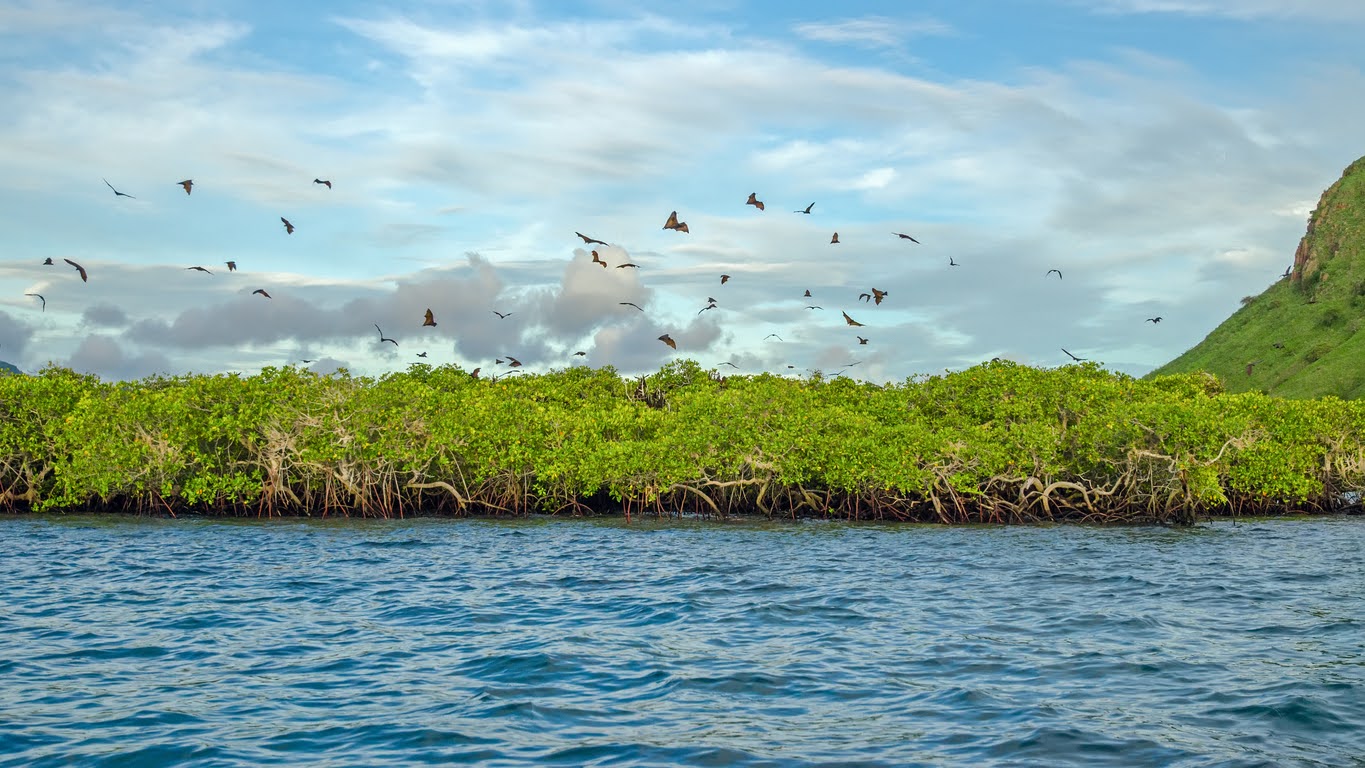
Indonesia is a global leader in mangrove conservation, boasting approximately 23% of the world’s total mangrove reserves, an estimated 3.44 million hectares. These ecologically rich areas are intrinsically linked to the well-being of a substantial portion of the Indonesian population. With around 60% of the country’s citizens residing in coastal regions, mangroves serve as critical natural defenses against the escalating threats of storms and sea-level rise. Furthermore, they are indispensable for ensuring food security and sustaining the livelihoods of countless frontline communities. The ecological and economic significance of these ecosystems for Indonesia cannot be overstated.
A New Era for Mangrove Protection: Indonesia Joins the Breakthrough
The endorsement by Indonesia, home to the largest mangrove extent globally, signifies a monumental step for the Mangrove Breakthrough. This initiative, launched in 2022, is dedicated to mobilizing USD 4 billion in funding to protect and restore 15 million hectares of mangroves worldwide by the year 2030. Indonesia’s accession makes it the 48th government to officially support the Breakthrough, a testament to the growing international recognition of mangroves’ critical role in climate resilience and biodiversity.
"The Indonesian government welcomes good intentions and endorses the Mangrove Breakthrough, which targets the protection and restoration of 15 million hectares of mangroves globally and the mobilization of USD 4 billion in funding by 2030," stated Zulkifli Hasan, Coordinating Minister for Food Affairs of Indonesia. He further emphasized the importance of this partnership: "Indonesia, with 3.44 million hectares of mangroves, therefore, appreciates the support pledged by the Mangrove Breakthrough." This statement highlights Indonesia’s understanding of its crucial role within the global mangrove landscape and its commitment to contributing to the Breakthrough’s objectives.
Voices from the Frontlines: Commitment to Conservation
The endorsement has been met with enthusiasm and a renewed sense of purpose by organizations actively engaged in mangrove conservation within Indonesia. Yus Rusila Noor, representing Wetlands International Indonesia and serving as the Chairperson of the Global Mangrove Alliance Indonesia Chapter, articulated the shared commitment: "We are committed to supporting the Government of Indonesia in conserving and restoring Indonesia’s mangrove ecosystems. Mangroves protect our coastlines, support food security and sustain coastal livelihoods. Our efforts today secure essential ecosystem services for people, nature, and future generations." This sentiment underscores the deep-rooted connection between mangrove health and human well-being in coastal Indonesia.
Meizani Irmadhiany, Senior Vice President and Executive Chair of Konservasi Indonesia, echoed these sentiments, highlighting the importance of local implementation and community engagement: "We support the Government of Indonesia’s endorsement of the Mangrove Breakthrough as a meaningful step toward scaling science- and community-based mangrove protection. Turning this commitment into impact will require strong local implementation, direct engagement of coastal communities, and sustained partnerships. Konservasi Indonesia stands ready to work with the government and local partners to deliver measurable ecological gains and sustainable economic benefits." This perspective emphasizes that the success of such ambitious initiatives hinges on effective on-the-ground action and inclusive partnerships.
The Global Mangrove Alliance: A Catalyst for Action
Wetlands International, Konservasi Indonesia (CI), The Nature Conservancy (TNC) Indonesia, and WWF Indonesia form the core of the Global Mangrove Alliance Indonesia Chapter. This alliance serves as the primary implementation partner for the Mangrove Breakthrough within Indonesia, translating global commitments into tangible local actions. Their collaborative efforts are crucial for the effective execution of conservation and restoration projects, ensuring that scientific expertise and community-based approaches are integrated seamlessly.
A Crucial Juncture: The Midpoint of the Breakthrough
The year 2026 represents a critical midpoint for the Mangrove Breakthrough, situated between its 2022 launch and its ambitious 2030 targets. Indonesia’s endorsement arrives at a pivotal moment, signaling that the initiative is gaining significant traction and entering its full implementation phase. This timing is crucial for assessing progress, recalibrating strategies, and intensifying efforts to meet the overarching goals.
Expanding Global Momentum: A Growing Coalition of Support
Indonesia’s accession further bolsters the global momentum behind the Mangrove Breakthrough. To date, 48 national, state, and municipal governments have formally endorsed the initiative. The year 2025 witnessed a notable surge in support, with 12 new governments joining, including the national governments of Brazil, Mexico, and Papua New Guinea. This expanding coalition reflects a growing political will across diverse regions that are home to significant mangrove coverage, underscoring a shared understanding of the urgency and importance of mangrove conservation.
Building Financial Architecture: Investment Readiness and Mobilization
The Breakthrough’s progress in 2025 was further highlighted by the announcement of the Mangrove Catalytic Facility. This facility is designed to act as the initiative’s engine for investment readiness, aiming to streamline and accelerate the flow of funding towards mangrove conservation and restoration projects. To date, the initiative has tracked over 40 large-scale operations, each exceeding USD 1 million in value, which have collectively mobilized more than USD 750 million in mangrove-positive investments since 2020. This demonstrates a tangible financial commitment to the cause. Furthermore, partners at Capital for Climate have identified over USD 840 million in nature-positive investments across 56 projects that specifically include mangrove ecosystems, indicating a growing appetite for investing in natural climate solutions.
"With this news, Mangrove Breakthrough-endorsing countries are now home to more than 60% of the world’s mangrove extent," stated Jennifer Howard, Mangrove Breakthrough Council Chair and Vice President of Natural Climate Solutions at Conservation International. "Working with these countries, we are building the financial architecture and generating the political will needed to meet our collective 2030 targets." This statement underscores the significant geographic coverage now encompassed by the Breakthrough and its strategic approach to both financial mobilization and political advocacy.
Indonesia’s Leadership and the Road Ahead
Indonesia’s endorsement serves as a powerful signal of the nation’s leadership in advancing nature-based solutions. Coming ahead of a series of key global climate and biodiversity milestones anticipated in 2026, this commitment underscores the country’s dedication to international environmental stewardship. It positions Indonesia as a key player in the global effort to address climate change and biodiversity loss through the protection and restoration of critical ecosystems.
The success of the Mangrove Breakthrough hinges on sustained collaboration, innovative financing mechanisms, and robust policy frameworks. As the initiative moves forward, the focus will increasingly shift towards effective implementation, ensuring that the allocated funds translate into measurable ecological gains and tangible benefits for coastal communities. The involvement of all stakeholders, from national governments to local communities and international organizations, will be paramount in achieving the ambitious goals set for 2030.
Background and Context: The Critical Role of Mangroves
Mangrove forests are unique coastal ecosystems found in tropical and subtropical regions. They are characterized by salt-tolerant trees and shrubs that thrive in intertidal zones, where freshwater rivers meet saltwater seas. These environments are incredibly productive and play a vital role in supporting a vast array of marine and terrestrial life, acting as nurseries for countless fish and invertebrate species.
Beyond their biodiversity value, mangroves are indispensable for coastal protection. Their dense root systems act as natural barriers, dissipating wave energy and reducing the impact of storm surges and tsunamis. This protective function is becoming increasingly critical in the face of rising sea levels and more frequent extreme weather events associated with climate change.
Economically, mangroves support vital industries such as fisheries and tourism. They also provide valuable ecosystem services like carbon sequestration, playing a significant role in mitigating climate change. The loss of mangroves worldwide, driven by factors such as coastal development, aquaculture expansion, and pollution, has severe environmental and socioeconomic consequences.
The Mangrove Breakthrough: A Global Response to a Growing Crisis
The Mangrove Breakthrough was established in response to the alarming rate of mangrove degradation and loss globally. Recognizing the urgent need for a coordinated and scaled-up response, the initiative brings together governments, NGOs, private sector entities, and local communities to address the multifaceted challenges facing these ecosystems.

Key objectives of the Mangrove Breakthrough include:
- Protection and Restoration: To safeguard existing mangrove forests and restore degraded areas, aiming to bring 15 million hectares under effective conservation by 2030.
- Financial Mobilization: To raise USD 4 billion in funding from public and private sources to support these efforts.
- Policy and Governance: To advocate for supportive policies and governance frameworks that enable sustainable mangrove management.
- Community Empowerment: To ensure the active participation and benefit of local communities in mangrove conservation initiatives.
- Knowledge Sharing and Science: To promote research, data collection, and the dissemination of best practices in mangrove science and management.
The initiative’s strategy involves fostering "radical collaboration" among diverse stakeholders, advancing science-based financial and regulatory decisions, and investing in local leadership to ensure the long-term sustainability of conservation efforts.
Timeline of Key Developments:
- 2022: The Mangrove Breakthrough initiative is officially launched, setting ambitious targets for mangrove protection and restoration.
- 2023-2024: Early efforts focus on building partnerships, raising awareness, and developing initial funding mechanisms. Several governments express early interest and commitment.
- 2025: The Mangrove Catalytic Facility is announced, designed to enhance investment readiness for mangrove projects. Twelve new national governments, including Brazil, Mexico, and Papua New Guinea, endorse the Breakthrough. Tracking of mangrove-positive investments begins to show significant mobilization of capital.
- January 14, 2026: The Government of Indonesia officially endorses the Mangrove Breakthrough on the sidelines of Abu Dhabi Sustainability Week. This marks a significant expansion of the initiative’s geographic reach and a critical midpoint in its journey towards 2030 targets.
Broader Implications and Future Outlook
Indonesia’s endorsement of the Mangrove Breakthrough is more than just a diplomatic achievement; it represents a critical investment in the nation’s resilience and a significant contribution to global climate action. By prioritizing mangrove conservation, Indonesia is safeguarding its vulnerable coastal populations, protecting invaluable biodiversity, and reinforcing its commitment to sustainable development.
The increased coverage of mangrove ecosystems within endorsing countries – now exceeding 60% of the global total – signifies a powerful collective commitment. This unified front is essential for attracting further investment, influencing international policy, and driving innovation in conservation finance and implementation.
As 2026 progresses, the focus will intensify on translating these endorsements into concrete actions on the ground. The success of the Mangrove Breakthrough will ultimately be measured by the tangible improvements in mangrove health, the enhanced resilience of coastal communities, and the lasting legacy of conservation for future generations. The partnership with Indonesia, given its immense mangrove resources and coastal population, is a crucial element in achieving these vital objectives.
About the Mangrove Breakthrough
The Mangrove Breakthrough is a pioneering global movement dedicated to valuing, financing, and safeguarding mangrove ecosystems. It champions a collaborative approach to nature conservation, aiming to build resilient communities by protecting these vital coastal forests. The initiative’s core ambition is to mobilize USD 4 billion to protect and restore 15 million hectares of mangroves by 2030. It achieves this through fostering radical collaboration, advancing science-based financial and regulatory decisions, and investing in local leadership. More information can be found at www.mangrovebreakthrough.com.
