

The Amazon Basin remains one of the most ecologically intricate regions on Earth, characterized by an expansive, interconnected network of thousands of rivers, streams, and floodplain lakes. Beneath the surface of this vast waterscape lies a staggering diversity of freshwater fauna, featuring more than 2,700 documented fish species. Scientists continue to add dozens of newly discovered species to this inventory each year through ongoing exploratory expeditions. Despite this wealth of aquatic life, the region’s freshwater ecosystems face mounting anthropogenic pressures that threaten both biodiversity and human livelihoods. A comprehensive new assessment, titled Amazon Forgotten Fishes, plunges beneath the surface to examine the complex life histories, ecological niches, behavioral adaptations, and geographic ranges of these aquatic organisms, while underscoring their deep-seated role in regional human societies and Indigenous cultural heritage.
Background Context of the Amazonian Waterscape
The ecological health of the Amazon Basin is inextricably linked to the seasonal pulse of its river systems. During annual wet seasons, rising waters spill over riverbanks, inundating millions of hectares of floodplain forests. This seasonal flooding creates vital foraging habitats for a wide array of fish species. Many of these aquatic organisms have evolved specialized feeding behaviors, such as frugivory, where they consume fruits and seeds dropped by rainforest canopy trees. In return, these migratory fish act as essential seed dispersal agents, carrying genetic material across vast distances and facilitating the continuous regeneration of vital tree cover. Other species function as mobile nutrient pumps, driving primary productivity and maintaining the complex trophic webs that support apex predators, birds, and large mammals.
This aquatic biodiversity is equally fundamental to human populations across South America. Millions of people, particularly low-income rural households, rely on Amazonian fishes as an affordable, highly reliable source of essential animal protein and micronutrients that support community health and childhood development. Furthermore, localized economic activities such as sport fishing generate substantial revenue for remote settlements. When managed sustainably through structured catch-and-release ecotourism initiatives, recreational fisheries can yield economic returns in a matter of days that rival an entire year of commercial fishing yields within the same water bodies. However, historical management gaps and escalating commercial demands have placed these socio-economic pillars under severe stress.
A Timeline of Escalating Pressures on Freshwater Biodiversity

The threats facing Amazonian freshwater ecosystems have evolved over decades, driven primarily by industrial expansion, infrastructure development, and climate variability. The historical timeline of these pressures highlights a compounding crisis for the basin’s aquatic species:
- Pre-1970s: Traditional subsistence fishing and localized commercial harvest maintained a relatively stable equilibrium with natural fish reproduction cycles, supported by intact forest canopies and unobstructed migratory routes.
- 1970s to 1990s: Commercial fishing operations expanded rapidly across the basin, often operating in the absence of comprehensive monitoring systems, catch quotas, or effective enforcement mechanisms. Simultaneously, large-scale deforestation for cattle ranching and agricultural conversion began altering local hydrological cycles.
- 2000s to 2020: The rapid proliferation of large hydroelectric dam projects across major Amazonian tributaries fragmented primary river networks, blocking vital migration pathways for spawning species and drastically altering downstream sediment flows and water temperatures.
- 2020 to Present: Intensified climate change projections, compounded by unprecedented droughts, severe deforestation rates, and expanding industrial activities such as illegal mining and oil extraction, have driven aquatic habitats to critical thresholds.
Current Data and Conservation Status
Scientific assessments coordinated by international conservation bodies reveal a sobering reality regarding the status of Amazonian fishes. According to the International Union for Conservation of Nature (IUCN) Red List of Threatened Species, 144 Amazonian fish species are currently classified as threatened with extinction. More concerningly, 334 species are categorized as Data Deficient, indicating that researchers lack sufficient information to determine their population trajectories. Experts warn that the true number of imperiled species is likely much higher due to persistent geographic and institutional gaps in national monitoring frameworks, as well as a historical lack of coordinated, cross-border research initiatives.
Crucially, geographic endemism remains a defining characteristic of the basin. Two-thirds of the freshwater fishes found in the Amazon exist nowhere else on Earth. This high degree of specialization makes local populations exceptionally vulnerable to localized habitat destruction and environmental changes.
Direct Drivers of Freshwater Degradation
The degradation of the Amazon Basin’s freshwater systems stems directly from human activities that alter water quality, quantity, and connectivity.
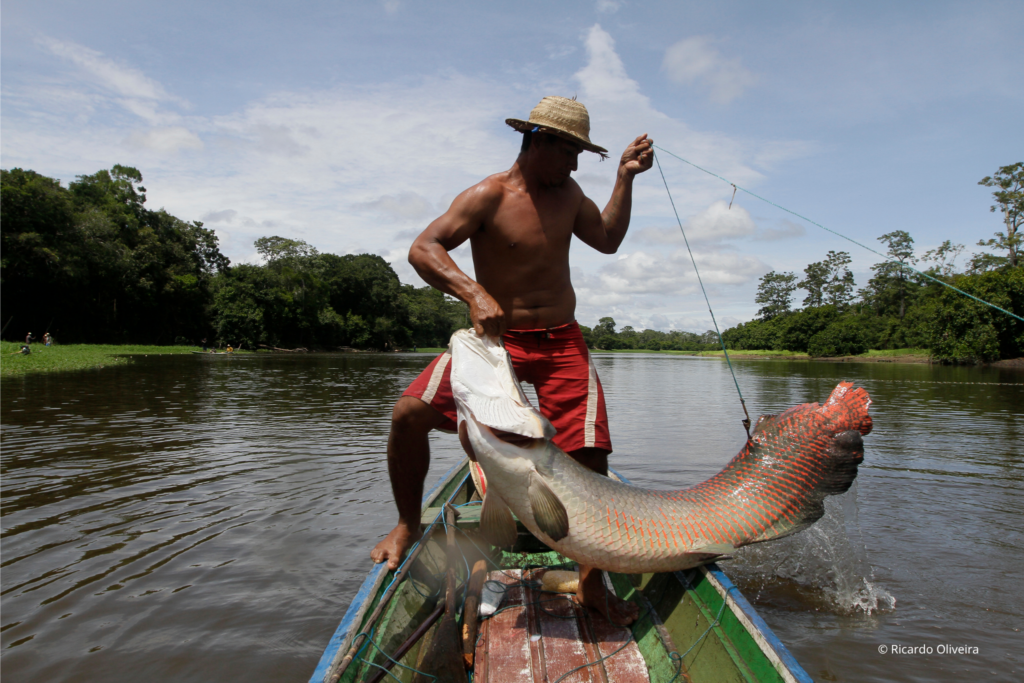
Dams, drainage systems, and water diversions continue to multiply across the region. These engineering projects fundamentally transform natural aquatic dynamics by breaking continuous river corridors into isolated segments, disrupting the seasonal cues required for fish migration, physiological maturation, and spawning behavior.
Deforestation acts as another major catalyst for decline. Driven by agriculture, cattle ranching, infrastructure projects, and hydroelectric construction, large-scale land clearing severs the reciprocal ecological relationships between flooded forests and frugivorous fish species. Furthermore, stripped soils wash into waterways during heavy rains, significantly increasing turbidity. This heavy sediment load limits light penetration—disrupting aquatic plant growth—and clogs the delicate gill structures of native fish, impairing respiration.
Chemical pollution from industrial activities, including gold mining and oil extraction, introduces heavy metals and toxic contaminants into aquatic food chains. These substances accumulate in fish tissues, severely inhibiting feeding efficiency, growth rates, reproductive success, and overall survival, while posing serious downstream risks to human health.
Compounding these localized pressures, global climate change is projected to drive consistent warming and severe hydrological shifts across Amazonia through the year 2050. Predictive models indicate that prolonged dry seasons and reduced dry-season water volumes will disproportionately impact floodplain-dependent species, threatening both biodiversity and the food security of communities that depend on seasonal fisheries.
Statements and Perspectives from Conservation and Indigenous Leaders
Conservation scientists and Indigenous representatives emphasize that halting this decline requires a fundamental departure from business-as-usual approaches. Environmental policy experts stress that safeguarding the Amazon’s aquatic wealth cannot be achieved through fragmented, single-country initiatives.
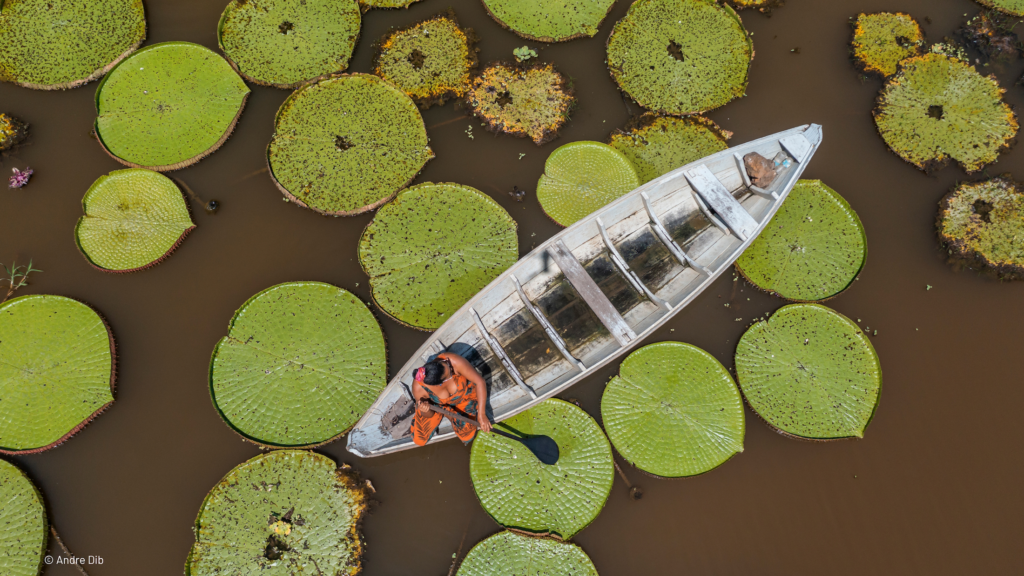
Representatives from regional Indigenous coalitions have repeatedly highlighted that traditional stewardship practices hold the key to sustainable resource management. Indigenous communities have accumulated centuries of empirical knowledge regarding hydrological cycles, fish behavior, and habitat protection. Leaders argue that any effective conservation framework must formally recognize Indigenous territorial rights and integrate traditional ecological knowledge with modern scientific methodologies.
Global environmental organizations point to the Emergency Recovery Plan for Freshwater Ecosystems as an adaptable blueprint for the Amazon. This strategic framework calls for six coordinated actions: letting rivers flow naturally, improving water quality, protecting critical habitats, managing exploitation sustainably, restoring degraded spaces, and safeguarding aquatic connectivity.
Broader Implications and the Path Forward
The implications of failing to protect Amazonian freshwater ecosystems extend far beyond regional biodiversity loss. An unmanaged collapse of Amazon fisheries would destabilize food security for millions of vulnerable urban and rural residents, erase cultural traditions central to Indigenous identity, and eliminate economic opportunities tied to sustainable ecotourism.
Addressing these systemic threats requires a paradigm shift toward unified, transboundary governance. Because water, sediments, nutrients, and migratory fish species cross international boundaries without regard for political borders, governance models must be established at a basin-wide scale. Governments across the Amazon Basin must collaborate closely with academic institutions, the private sector, civil society organizations, and local communities to harmonize monitoring standards, enforce sustainable fishing regulations, and manage cumulative environmental impacts.
Ultimately, the Amazon Forgotten Fishes report demonstrates that securing the future of the basin’s aquatic life depends on humanity’s ability to perceive the region as the fish do: as a single, indivisible, and flowing entity. By aligning rigorous scientific research, global cooperation, robust transboundary policies, and ancestral stewardship, regional stakeholders can preserve the Amazon as a resilient and thriving freshwater ecosystem for generations to come.
