
Washington, D.C. (April 7, 2026) – The National Audubon Society today announced it has been awarded a significant $4 million grant from the National Fish and Wildlife Foundation (NFWF) through its landmark Grassland Resilience and Conservation Initiative. This crucial funding is earmarked to substantially scale up bird-friendly ranching practices across an additional 500,000 acres within the Central Grasslands, a vast and vital ecosystem spanning 13 states that is both one of North America’s most important and most imperiled regions for avian biodiversity. This expansion is projected to bring 32 new ranches into the Audubon Conservation Ranching program over the next three years, marking a pivotal moment in the ongoing efforts to reverse the alarming decline of grassland bird populations while simultaneously bolstering the economic and ecological resilience of working landscapes.
Addressing a Crisis: The Plight of Grassland Birds
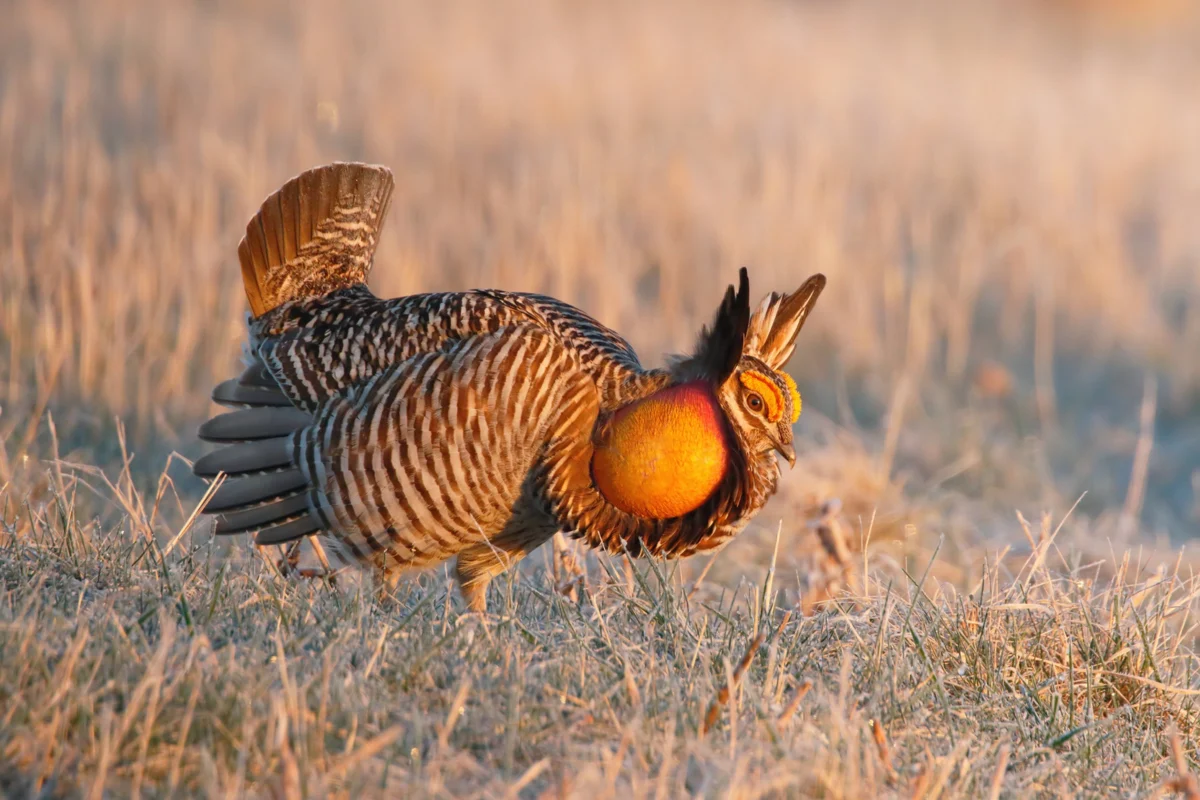
Grassland birds represent one of the most rapidly declining avian groups on the continent, having suffered a staggering loss of over 50% of their populations since 1970, according to data from the Cornell Lab of Ornithology and Partners in Flight. Species like the Greater Prairie-Chicken, Eastern Meadowlark, Bobolink, and Henslow’s Sparrow face existential threats primarily due to widespread habitat loss and degradation, intensified by conventional agricultural practices, urban sprawl, and climate change. The Central Grasslands, often referred to as North America’s breadbasket, once stretched from Canada to Mexico, supporting an unparalleled diversity of life. Today, less than a quarter of this historical ecosystem remains intact, making every conservation effort critically important. The decline of these birds serves as a potent indicator of the overall health of these vital grasslands, which also play a crucial role in carbon sequestration, water filtration, and supporting rural economies.
The Regenerative Solution: Audubon Conservation Ranching
At the core of Audubon’s strategy is its highly successful Audubon Conservation Ranching (ACR) program. Established less than a decade ago, ACR has rapidly evolved into one of the most recognizable and impactful grassland conservation initiatives in the U.S. The program partners directly with farmers and ranchers to implement regenerative grazing and habitat management practices that are scientifically proven to restore the structural complexity and biodiversity essential for grassland birds to thrive. These practices include rotational grazing, which mimics the historical movement of vast bison herds across the plains. This approach allows pastures to rest and recover, promoting deeper root growth, enhancing soil health, increasing forage production, and creating varied grass heights and densities crucial for different bird species for nesting, foraging, and shelter.
Ranchers participating in ACR commit to a set of land management standards developed by Audubon scientists and experts. Upon meeting these rigorous criteria, their operations earn the unique Audubon Certified Bird-Friendly Land certification. This certification not only signifies their commitment to conservation but also offers a market-based incentive, allowing consumers to choose products from ranches actively contributing to bird habitat restoration. The program thus creates a direct link between sustainable agricultural practices, ecological health, and consumer choice, fostering a self-reinforcing cycle of conservation.
A Proven Model for Success
Currently, the Audubon Conservation Ranching program encompasses approximately 150 farms and ranches, collectively managing nearly 4.5 million acres across the Central Grasslands. This impressive scale underscores the program’s effectiveness and the growing willingness of producers to embrace conservation-minded practices. Marshall Johnson, Audubon’s Chief Conservation Officer, highlighted the significance of this momentum, stating, "The 150 farms and ranches already in the Audubon Conservation Ranching program signal a true producer-led conservation movement, one that this funding will continue to grow. Thanks to NFWF and program partners, this project increases the power and profile of voluntary, rancher-led conservation efforts to deliver measurable benefits for working lands, wildlife, and rural communities on half a million acres in America’s Central Grasslands."
Dave Haubein, owner of Round Rock Ranch in Missouri and the pioneering rancher to achieve Audubon Certified Bird-Friendly Land certification, emphasized the intrinsic connection between healthy land and successful operations. "It’s heartening to see growing support for partnerships that center on ranchers as conservation stewards for our nation’s grasslands," Haubein commented. "Ranchers know if soil, water, and grasslands aren’t healthy, neither are our operations. Being part of Audubon Conservation Ranching helped us put a name and a framework around practices we believe in, while showing that proper grazing can not only support birds and wildlife, but can increase productivity of the land and the animals." His testimony underscores the dual benefits of regenerative grazing: ecological restoration and enhanced agricultural viability.
The NFWF Grassland Resilience and Conservation Initiative
The $4 million grant to Audubon is part of a much larger, ambitious undertaking: the NFWF Grassland Resilience and Conservation Initiative. This landmark public-private partnership is designed to invest over $200 million over seven years into voluntary conservation efforts across working lands, specifically targeting the health and resilience of grassland ecosystems. The initiative represents a collaborative effort, bringing together federal agencies, corporations, and non-profit conservation organizations to achieve landscape-scale impact.
Audubon is one of six initial grantees selected through this initiative. Other prominent conservation and agricultural organizations receiving initial funding include the American Bird Conservancy, American Farmland Trust, Mule Deer Foundation, Sand County Foundation, and the University of Missouri. Collectively, these initial six grantees are expected to engage with more than 750 private cattle ranch operations across 26 states, signifying a broad, coordinated approach to grassland conservation. The initiative’s funding is bolstered by significant contributions from McDonald’s USA, the USDA Natural Resources Conservation Service (NRCS), and several key McDonald’s USA beef and beverage suppliers, highlighting a growing trend of corporate responsibility in environmental stewardship.
Expanding Impact: Project Scope and Expected Outcomes
Audubon’s specific project, titled "Implementing regenerative grazing and habitat conservation practices to enhance the biodiversity and resilience of grassland ecosystems in the Central Grasslands through the Audubon Conservation Ranching program," outlines clear objectives and anticipated outcomes. Over the next three years, the $4 million NFWF grant will enable Audubon to:
- Enroll 32 new farms and ranches: Significantly expanding the footprint of bird-friendly land management.
- Impact an additional 500,000 acres: Bringing the total acreage under Audubon Certified Bird-Friendly Land management to approximately 5 million acres.
- Cover 13 states: Concentrating efforts within the critical Central Grasslands region.
- Enhance biodiversity: Through improved habitat structure and forage diversity, leading to increased populations of threatened grassland birds.
- Improve soil health: Leading to better water infiltration, reduced erosion, and increased carbon sequestration.
- Strengthen agricultural resilience: By demonstrating that regenerative practices enhance productivity, reduce input costs, and mitigate climate risks for grass-based operations.
This targeted expansion is not merely about acreage; it’s about fostering a robust network of conservation-minded producers who serve as examples and mentors within their communities, accelerating the adoption of sustainable practices across the region.
Voices from the Field and Leadership
Jeff Trandahl, executive director and CEO of NFWF, articulated the broader vision for the initiative. "Today is a great day for America’s wildlife, its ranching communities, and its beef supply chain," Trandahl remarked. "This first round of grants from the Grassland Resilience and Conservation Initiative shows what can happen when corporations, federal agencies, conservation organizations, and private landowners join forces to support both wildlife conservation and economic prosperity. This initiative is just getting started. We are confident it will play a leading role in grasslands conservation across the nation for years to come." His statement underscores the multi-faceted benefits of this partnership, touching upon ecological, economic, and supply chain sustainability.
A representative from the USDA Natural Resources Conservation Service (NRCS) could add, "The NRCS is proud to support initiatives like the Grassland Resilience and Conservation Initiative. Our mission aligns perfectly with empowering landowners to implement voluntary conservation practices that benefit both agricultural productivity and natural resources. This collaboration with NFWF and partners like Audubon provides vital technical and financial assistance to ranchers, helping them adopt practices that build healthier soils, cleaner water, and thriving wildlife habitats across working lands."
Similarly, a spokesperson for McDonald’s USA might comment, "As a leading purchaser of beef, McDonald’s USA recognizes its responsibility to support sustainable practices throughout our supply chain. Our investment in the Grassland Resilience and Conservation Initiative reflects our commitment to environmental stewardship and ensuring the long-term viability of the beef industry. By supporting regenerative ranching, we are helping to protect vital ecosystems, promote biodiversity, and secure a resilient future for the communities and landscapes that produce our food."
Broader Implications: A Model for Sustainable Futures
The NFWF grant to the National Audubon Society and the broader Grassland Resilience and Conservation Initiative carry significant implications across several dimensions.
Environmental Impact: Beyond direct bird habitat restoration, the widespread adoption of regenerative grazing practices offers substantial environmental benefits. Healthier grasslands act as natural carbon sinks, helping to mitigate climate change by drawing carbon dioxide from the atmosphere and storing it in the soil. Improved soil health also enhances water infiltration and retention, reducing runoff and improving water quality in rivers and streams. This holistic approach supports a wider array of biodiversity, from insects and pollinators to small mammals and other wildlife that rely on healthy grassland ecosystems.
Economic Resilience for Ranchers: The program provides a tangible pathway for ranchers to enhance the long-term sustainability and profitability of their operations. Regenerative practices can lead to reduced reliance on costly external inputs like fertilizers and herbicides, while simultaneously increasing forage production and improving livestock health. The "Audubon Certified Bird-Friendly Land" label offers a unique market differentiator, potentially opening doors to premium markets and increasing consumer loyalty among environmentally conscious buyers. This economic resilience is crucial for sustaining rural communities and ensuring the viability of family-owned ranches for future generations.
Scaling Solutions Through Partnership: This initiative exemplifies the power of public-private partnerships in tackling complex environmental challenges. By pooling resources and expertise from government agencies, corporate entities, and non-profit organizations, it demonstrates a scalable model for conservation that transcends traditional boundaries. The collaborative nature of the initiative allows for a broader reach, more comprehensive scientific backing, and greater financial leverage than any single entity could achieve alone. It sets a precedent for how diverse stakeholders can unite to address pressing ecological crises while supporting economic prosperity.
Consumer Empowerment: For consumers, the Audubon Certified Bird-Friendly Land label provides a clear and trustworthy signal that their purchasing decisions can directly contribute to conservation. By choosing products from these certified ranches, consumers become active participants in the conservation movement, fostering a direct link between their values and their shopping cart. This increased awareness and demand for sustainably produced goods can further incentivize more ranchers to adopt bird-friendly practices, creating a positive feedback loop for conservation.
Ranchers interested in participating with Audubon through the Grassland Resilience and Conservation Initiative are encouraged to contact Thomas Schroeder, Senior Partnership Manager with the Audubon Conservation Ranching program, at [email protected]. This initiative represents not just a financial investment, but a profound commitment to the future of North America’s grasslands, its iconic birdlife, and the resilient ranching communities that steward these vital landscapes.
About Audubon Conservation Ranching
Audubon Conservation Ranching partners with ranchers to sustain healthy grasslands, abundant birdlife, and resilient rural communities. Through its bird-friendly land certification and science-based approach, the program empowers land stewards to enhance habitat, improve soil health and water quality, and strengthen the connection between conservation and ranching. By purchasing products from Audubon Certified Bird-Friendly Land, consumers become conservationists, helping protect America’s grasslands and the birds, wildlife, and people that depend on them. For more information, visit www.audubon.org/ranching.
About the National Fish and Wildlife Foundation (NFWF)
The National Fish and Wildlife Foundation (NFWF) works with partners to foster sustainable and impactful conservation solutions so that people and nature thrive together. Chartered by Congress in 1984, NFWF has grown to become the nation’s largest conservation foundation. Since its founding, NFWF has funded more than 23,900 projects that have generated a total conservation impact of more than $12 billion. Learn more at nfwf.org.
