
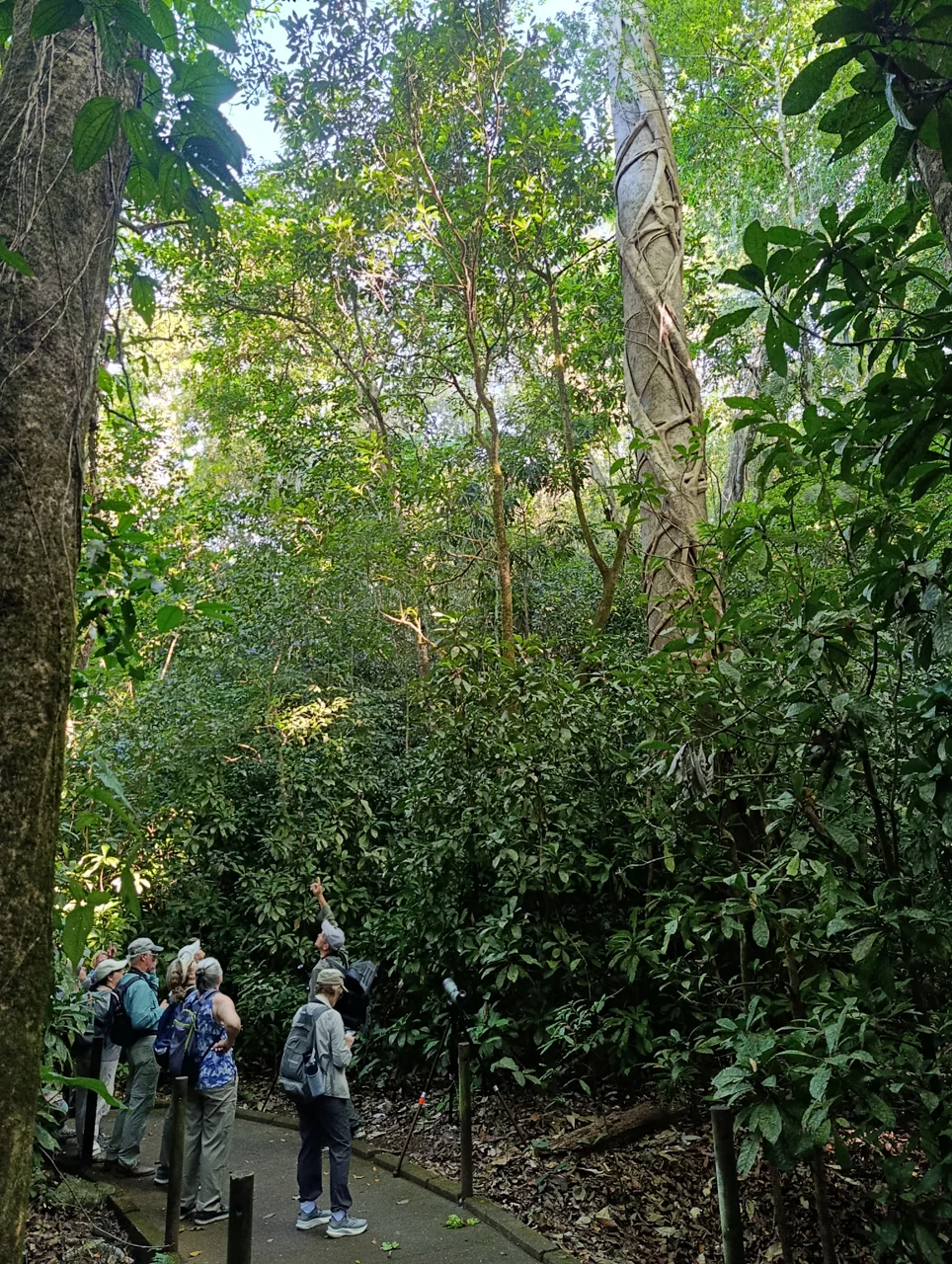
An extensive 11-day ornithological expedition across Costa Rica has concluded, providing a detailed snapshot of the nation’s current avian biodiversity and the health of its varied ecosystems. Led by renowned naturalist Ernesto Carman, the survey spanned the Central Valley, the Pacific mangroves, the high-altitude Talamanca Mountains, and the Caribbean lowlands. The findings underscore the critical importance of protected corridors and sustainable agricultural practices in maintaining populations of both endemic species and neotropical migrants. The expedition documented a vast array of species, including the critically endangered Great Green Macaw and the endangered Mangrove Hummingbird, offering significant data points for conservationists monitoring the impact of climate change and habitat fragmentation in the region.
Regional Biodiversity Overview and Expedition Framework
Costa Rica, despite occupying only 0.03% of the world’s landmass, is home to nearly 5% of global biodiversity. The expedition was designed to sample several of the country’s distinct life zones, moving from the volcanic soils of the Central Valley to the transition forests of the Pacific coast and eventually the cloud forests of the highlands. This transect allowed the team to observe how different species utilize specific microclimates and how local conservation efforts, such as shade-grown coffee plantations and community-led mangrove protection, are supporting these populations.
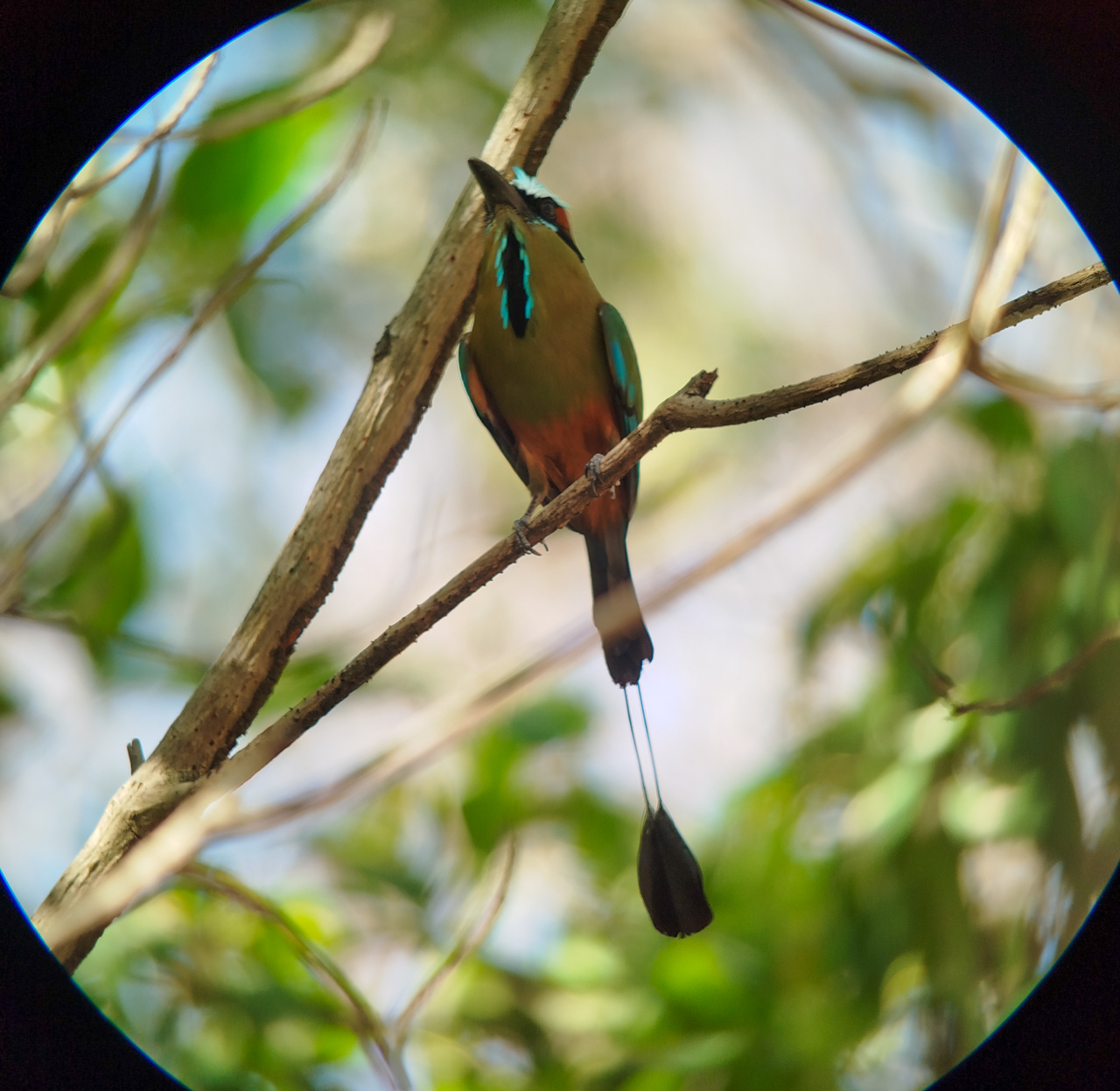
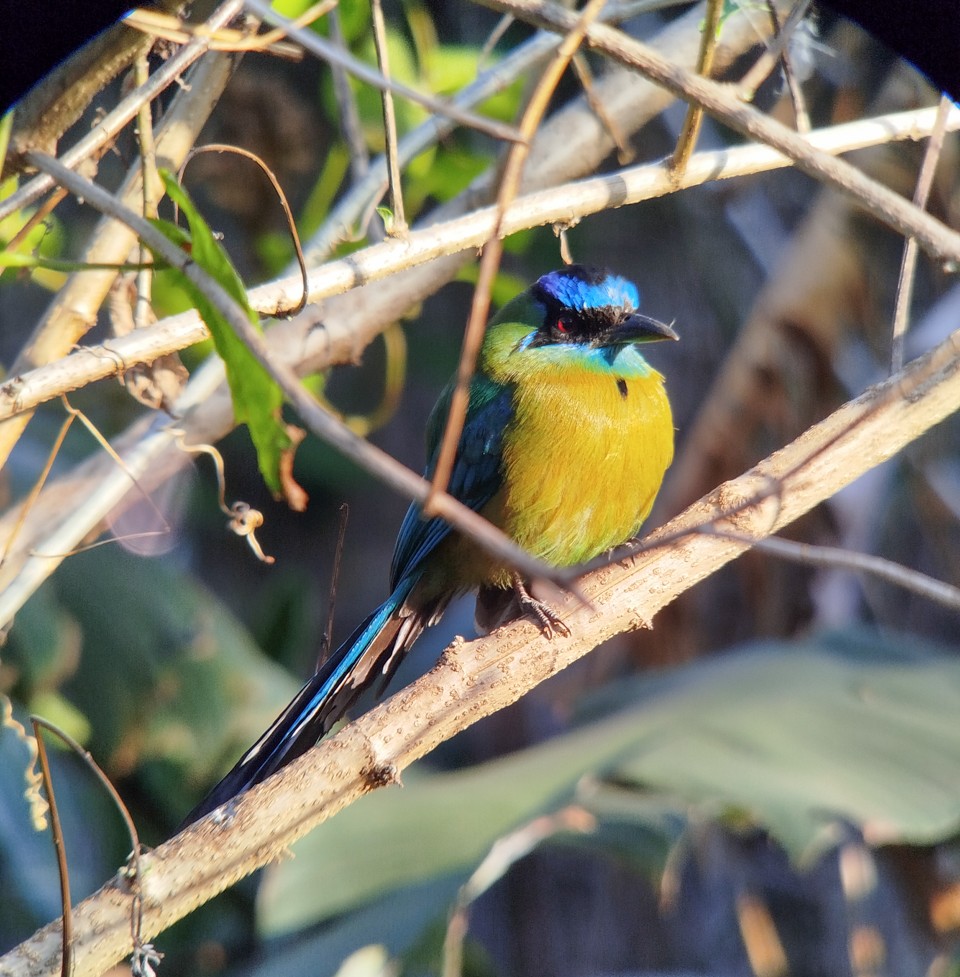
The survey began in the Central Valley at the Hotel Bougainvillea, where the presence of species like Lesson’s Motmot and the resident Mottled Owl indicated the value of urban green spaces. Even within densely populated regions, the maintenance of mature botanical gardens provides essential refugia for resident birds. However, the true depth of the region’s biodiversity became more apparent as the team moved toward more specialized habitats.
The Pacific Coast: Mangroves and Transition Forests
On the second day of the survey, the focus shifted to the Caldera mangroves and the Tárcoles region. Mangrove ecosystems are recognized globally as critical carbon sinks and nurseries for marine life, but they are also home to highly specialized avian species. The team’s arrival coincided with the blooming of the native Chameleon Vines (Combretum farinosum), a high-energy nectar source that attracts a dense concentration of hummingbirds and warblers.
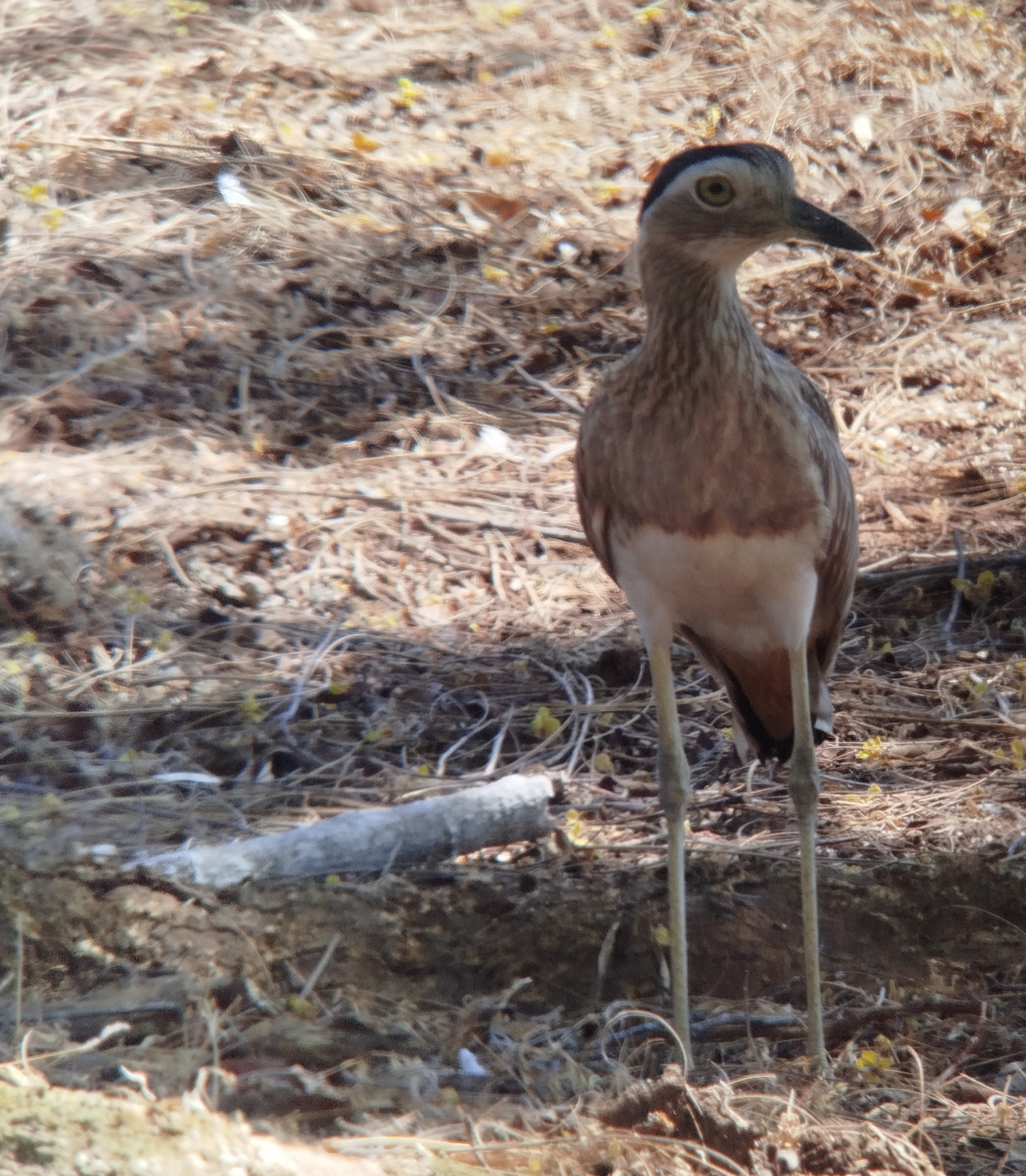
Among the sightings was the Mangrove Hummingbird, a species endemic to Costa Rica and currently listed as endangered by the IUCN due to habitat loss. The documentation of this species, alongside the Panama Flycatcher and Mangrove Yellow Warbler, highlights the necessity of the country’s Marine Managed Areas. Further inland, along the Guácimo Road and the village of Tárcoles, the team recorded the Double-striped Thick-knee and the iconic Scarlet Macaw. The Scarlet Macaw populations in this region have seen a notable recovery over the last two decades, a success story often attributed to strict anti-poaching laws and community-based nesting programs.

The transition forest at Carara National Park provided further evidence of the region’s ecological complexity. As a "bridge" between the dry forests of the north and the humid forests of the south, Carara supports species from both biomes. Observations of White-necked Puffbirds and various antbirds—species that follow army ant swarms—indicate a stable and functioning forest floor ecosystem.
Sustainable Agriculture as a Conservation Tool
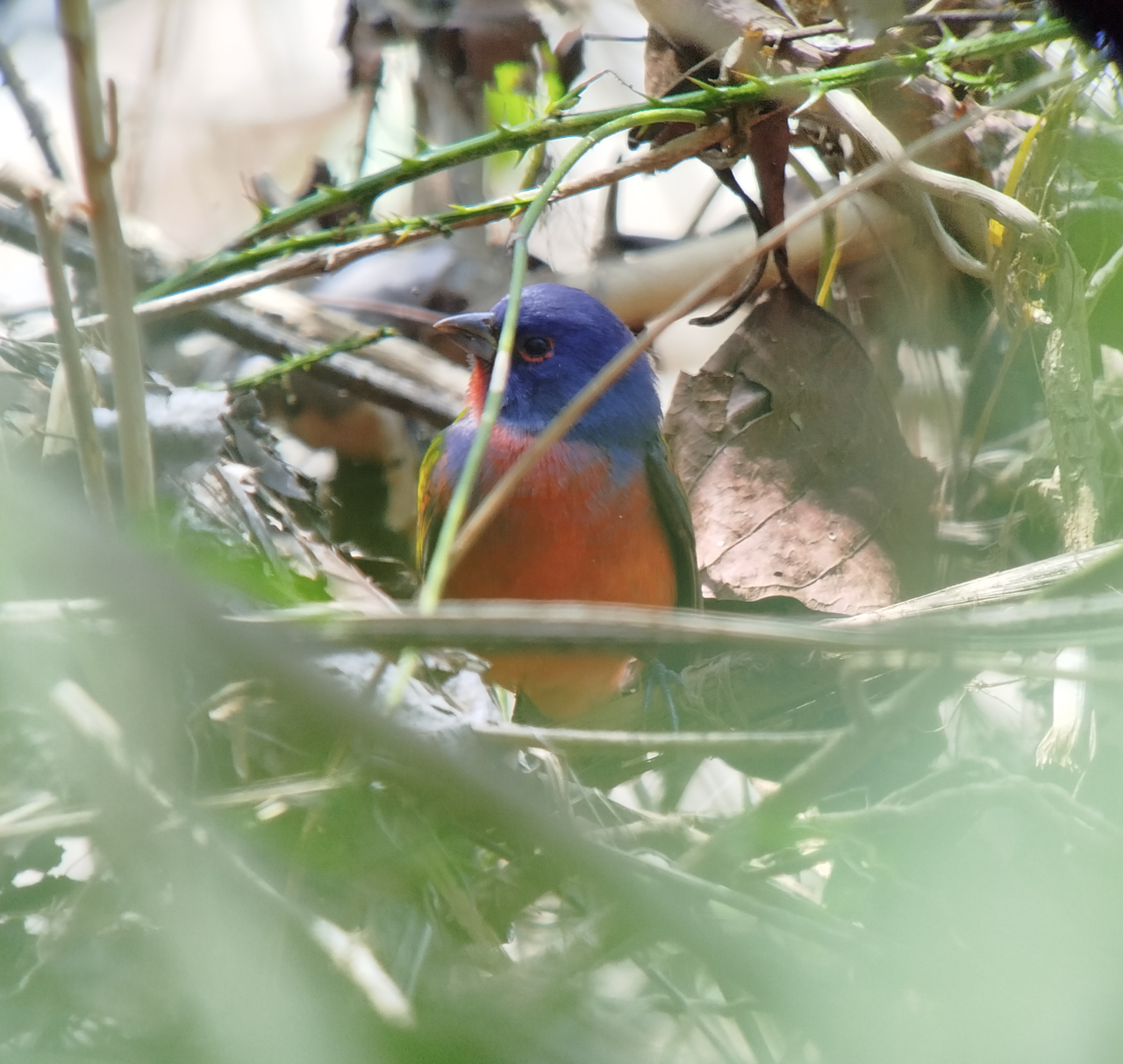
A pivotal moment of the expedition occurred on Day 5 at Café Cristina, an organic, shade-grown coffee farm in Paraíso. This site served as a case study for the "land-sharing" model of conservation. Unlike sun-grown coffee monocultures, shade-grown plantations maintain a canopy of native trees, which provides a habitat for both resident birds and neotropical migrants like the Tennessee Warbler and Summer Tanager.
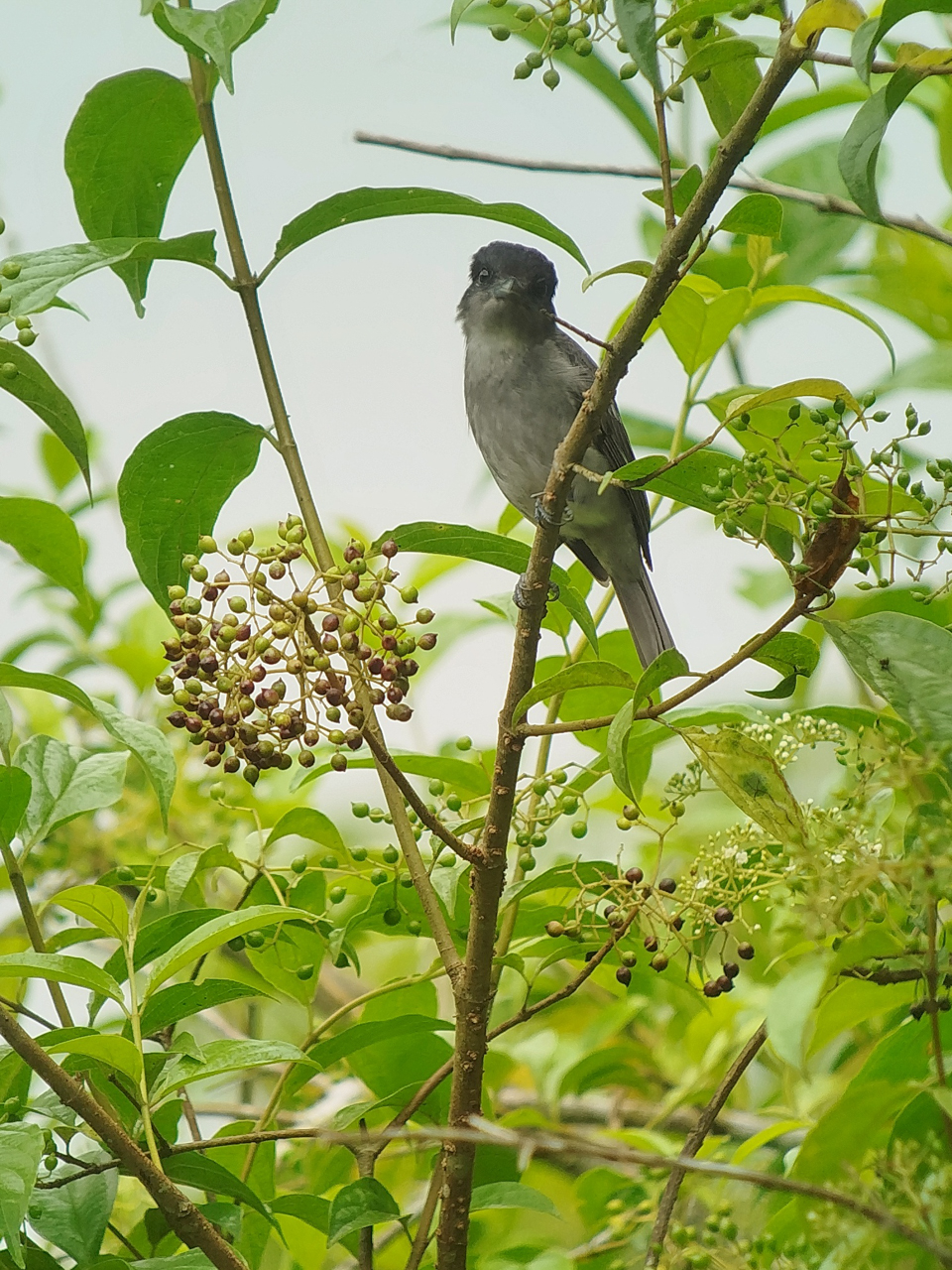
The presence of the Cabanis’s Ground-Sparrow, a species endemic to the Central Valley of Costa Rica, was a major highlight. With a dwindling population restricted to small fragments of scrub and coffee plantations, the sparrow has become a flagship species for local conservation. The county of Paraíso has even elevated the bird to a local symbol, reflecting a growing cultural shift toward environmental stewardship. The data gathered here suggests that sustainable agriculture is not merely an economic choice but a biological necessity for the survival of endemic species in fragmented landscapes.

High-Altitude Ecosystems and the Talamanca Range
The expedition moved into the Talamanca Mountains, reaching elevations of up to 3,400 meters above sea level at Cerro de la Muerte. These high-altitude ecosystems, including the páramo (alpine tundra) and cloud forests, are home to a distinct suite of "highland specialties."

The most significant find in this region was the Resplendent Quetzal. Observations of the Quetzal feeding on wild avocados (Lauraceae) provide essential data on the fruiting phenology of the forest. Because the Quetzal depends on a specific range of trees, its presence is often used as an indicator of the overall health of the cloud forest. Additionally, the team recorded the Volcano Junco, a species restricted to the highest peaks of Costa Rica and western Panama. These high-altitude species are considered the most vulnerable to the "escalator to extinction" effect, where rising temperatures force species to move higher until they run out of habitat.

The Caribbean Slopes and the Northern Lowlands
The latter half of the survey focused on the Caribbean slopes, following the Reventazón River to the Arenal and Sarapiquí regions. The Reventazón River valley is a crucial biological corridor, particularly for the Cerulean Warbler, a migratory species that has experienced significant population declines in its North American breeding grounds. Conservation efforts in this region focus on maintaining "stepping stones" of forest to facilitate long-distance migration.

At the Arenal Observatory Lodge, the team documented the Ornate Hawk-Eagle and the Black-and-yellow Tanager, species that require large tracts of mature forest. The lodge’s proximity to Arenal Volcano National Park creates a massive protected area that supports top predators and range-restricted species. The survey also noted the presence of the Great Curassow and Crested Guan, large cracids that are often the first to disappear in areas with high hunting pressure. Their abundance in Arenal suggests that the park’s enforcement measures are effectively deterring poaching.

Scientific Research at La Selva Biological Station
The final leg of the expedition took place at the La Selva Biological Station, operated by the Organization for Tropical Studies (OTS). La Selva is one of the most important sites for tropical research in the world, having produced thousands of scientific papers on forest ecology and climate change.
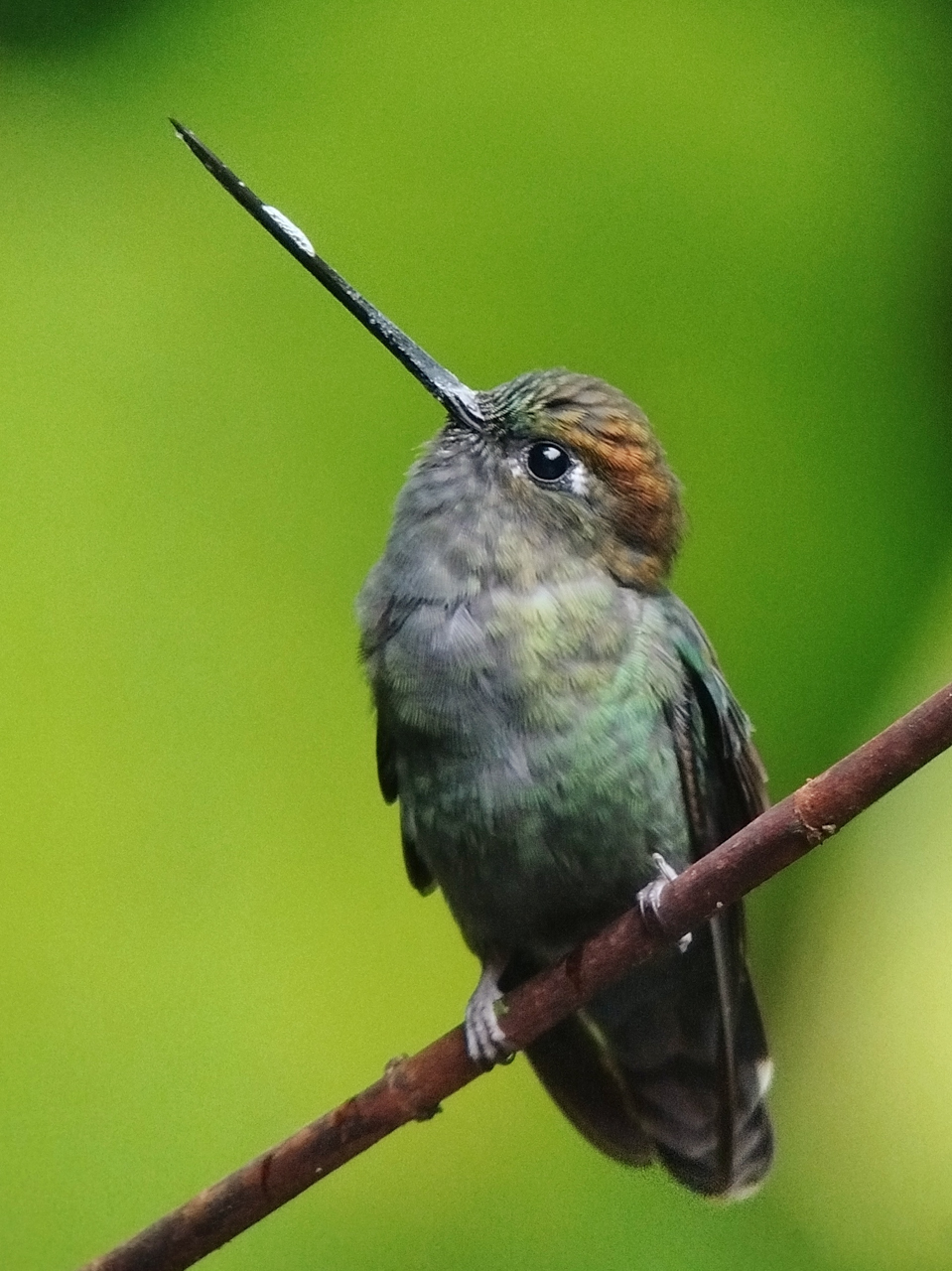
The team met with resident guides and researchers to discuss the station’s ongoing monitoring of the Great Green Macaw. This species is critically endangered, with a population that has been decimated by the clearing of the Mountain Almond tree (Dipteryx oleifera), its primary food source and nesting site. The documentation of these macaws at La Selva is a testament to the success of binational conservation efforts between Costa Rica and Nicaragua to protect the remaining Atlantic lowland forests.

In addition to avian data, the team recorded sightings of White Tent-making Bats and the Strawberry Poison Frog, illustrating the interconnectedness of the rainforest’s flora and fauna. These observations reinforce the idea that bird conservation cannot be isolated from the protection of the entire ecosystem.

Broader Implications and Economic Impact
The findings of this 11-day expedition have several broader implications for Costa Rica’s environmental and economic policies. First, the data confirms that the National System of Conservation Areas (SINAC) remains the backbone of the country’s biodiversity. However, the survey also highlights the vital role of private reserves and sustainable farms in connecting these protected blocks.

From an economic perspective, birding tourism is a major driver of the Costa Rican economy. According to the Costa Rican Tourism Board (ICT), birdwatchers are among the highest-spending tourists, often staying longer and visiting more remote areas than the average traveler. This "green currency" provides a direct financial incentive for rural communities to protect their natural resources rather than exploit them for timber or cattle ranching.

The survey concluded at Hotel Robledal with a final tally of species that represents a significant portion of Costa Rica’s total avian list. While the expedition was a success, the challenges of habitat fragmentation, climate change, and the illegal pet trade remain. Naturalists and researchers like Ernesto Carman emphasize that while Costa Rica is a global leader in conservation, the work is far from over. The continued monitoring of these populations is essential to ensure that the "rich coast" remains a sanctuary for the world’s avian wonders.

As the data from this trip is uploaded to global databases like eBird, it will contribute to a larger body of knowledge used by scientists worldwide to track bird populations and migration patterns. The 11-day journey serves as a reminder that in the face of global environmental challenges, targeted conservation, scientific research, and sustainable tourism can create a path forward for the planet’s most vulnerable species.
