
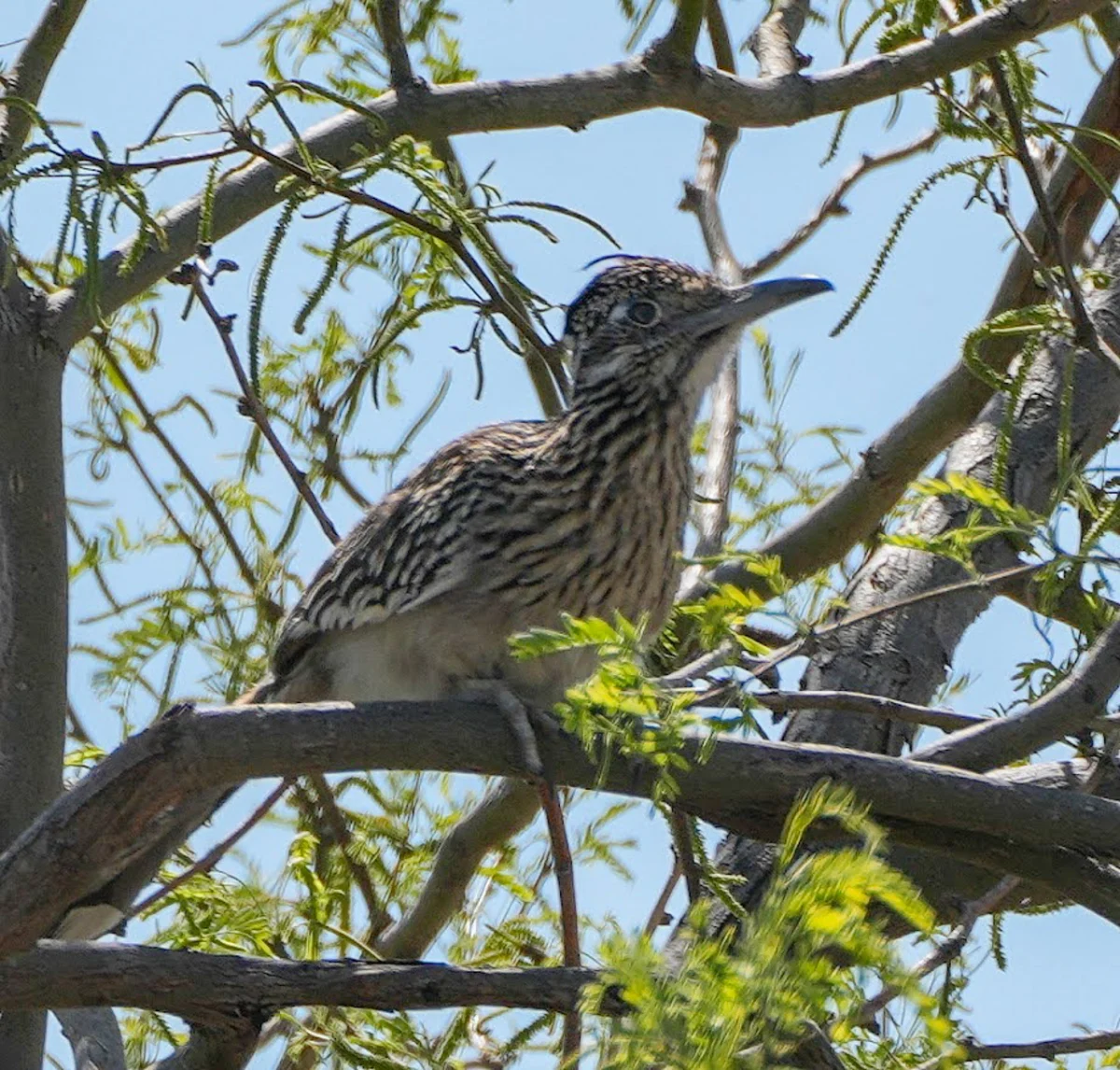
The recent "Arizona in Winter" biological expedition across the southeastern quadrant of the state has concluded with the documentation of 174 avian species, representing one of the most taxonomically diverse surveys in the program’s history. Spanning a rigorous seven-day itinerary, the tour navigated a series of "Sky Islands"—isolated mountain ranges rising from desert basins—that facilitate unique ecological niches and high levels of endemism. The expedition moved from the Sonoran Desert lowlands of Tucson through the Santa Rita and Patagonia regions, culminating in the high-altitude coniferous forests of the Chiricahua Mountains.
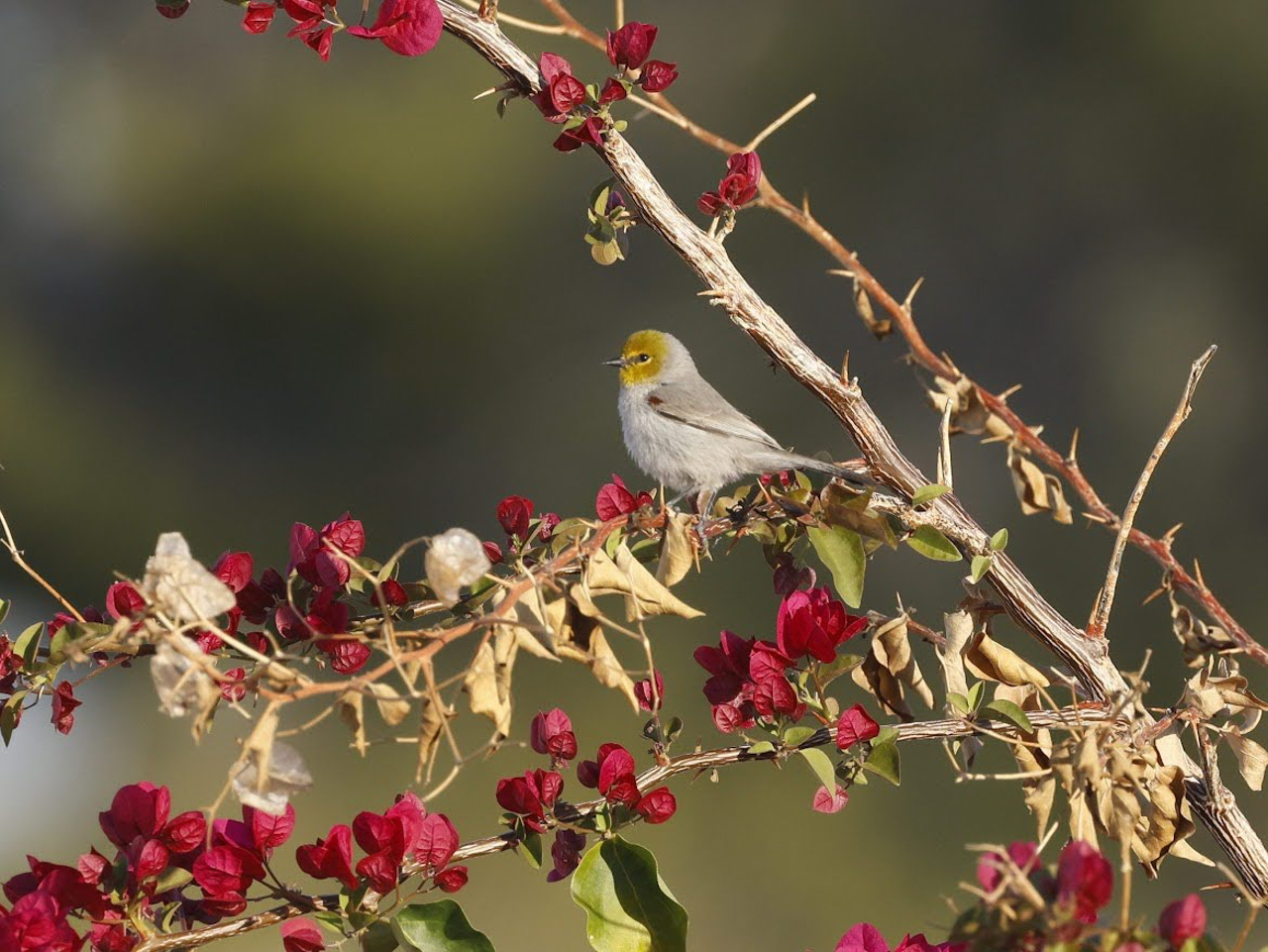
The high species count is particularly significant given the timing of the survey, which captured the intersection of overwintering populations and the commencement of spring migration. Notable tallies included 14 species of ducks, 20 species of sparrows, and nine species each of hummingbirds, shorebirds, and icterids. In addition to the avian focus, the team recorded 13 mammal species, including Pronghorn, White-collared Peccary (Javelina), and the regionally endemic Mexican Fox Squirrel.

Ecological Context: The Sky Islands and Diverse Ecotones
Southeastern Arizona is recognized globally as a biodiversity hotspot due to its position at the convergence of four major ecological provinces: the Rocky Mountains, the Sierra Madre Occidental, and the Sonoran and Chihuahuan Deserts. The "Sky Island" mountains—ranges such as the Santa Ritas and the Chiricahuas—act as biological refugia, where elevation gain mimics latitudinal changes.
During the expedition, observers moved through a succession of ecotones. The lowlands were characterized by cottonwood riparian zones and mesquite bosques, while mid-elevations featured sycamore-juniper-oak woodlands. The highest reaches, exceeding 8,000 feet, provided habitat for tall conifers such as Douglas-fir and Ponderosa Pine. This verticality allows for a high concentration of species that would otherwise be separated by thousands of miles of latitude.

Chronology of the Expedition
Phase I: Tucson and the Riparian Success Story
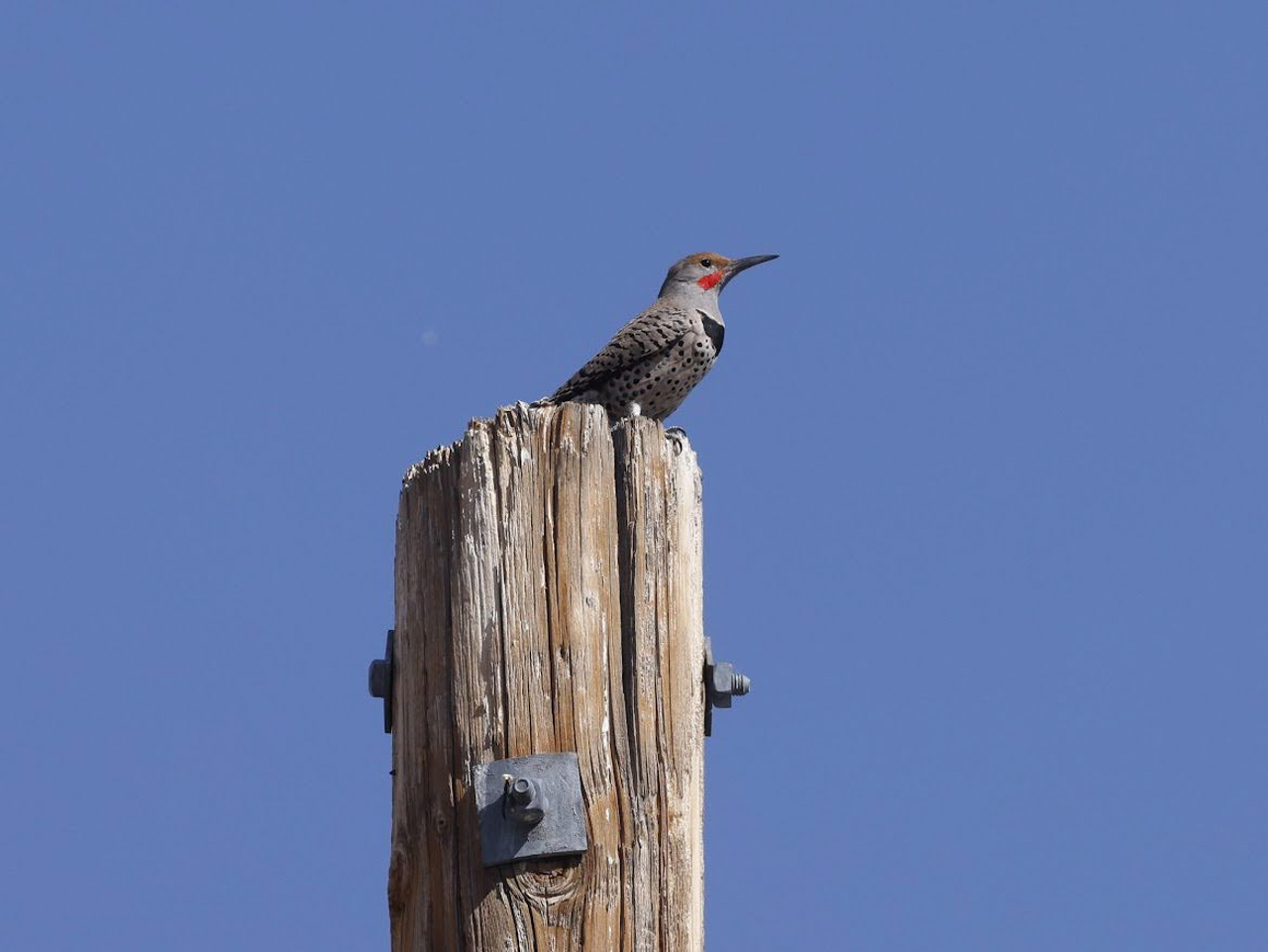
The survey began in the Tucson Mountain Park, where researchers observed classic Sonoran Desert residents. Key sightings included the Gilded Flicker—a desert specialty—and the Ash-throated Flycatcher. A significant portion of the first day was dedicated to the Sweetwater Wetlands. Originally established in 1996 to recharge Tucson’s aquifer with treated effluent, the site has evolved into a critical man-made marshland.
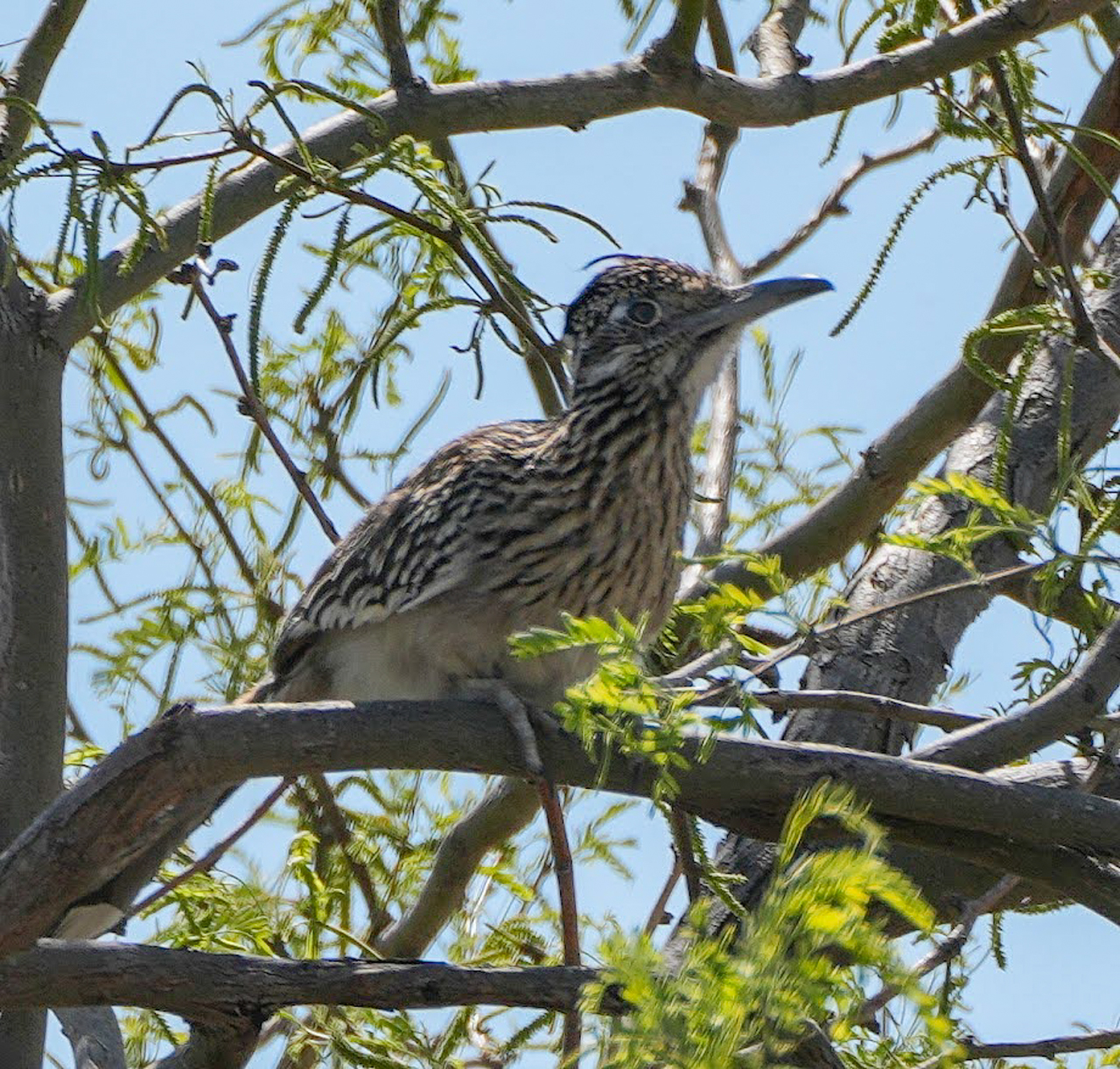
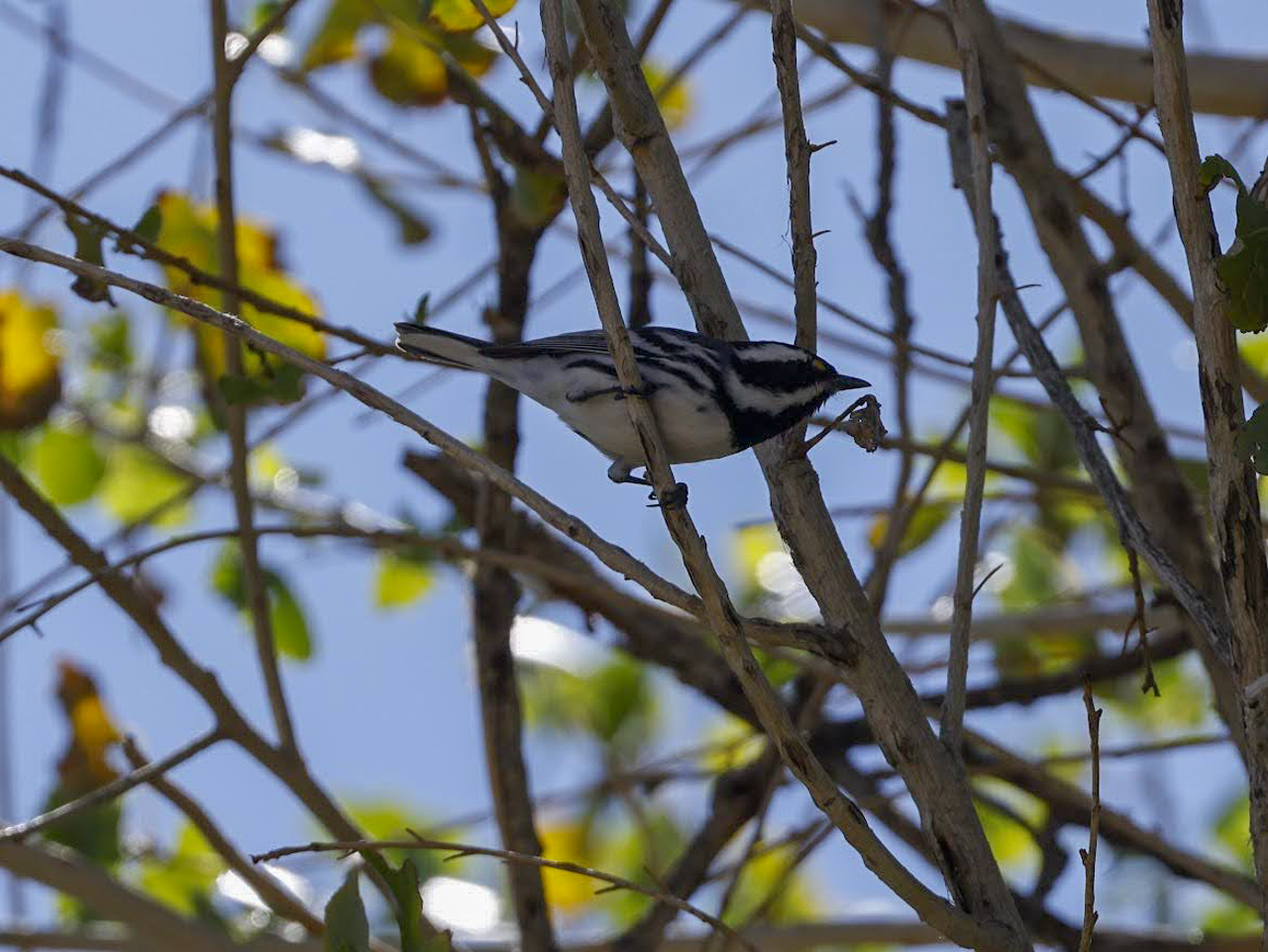
At Sweetwater, the team documented successful breeding among American Coots and observed courting behavior in Northern Shovelers and American Wigeons. The presence of the Cinnamon Teal and the Black-throated Gray Warbler underscored the importance of artificial wetlands in arid environments, where natural water sources are increasingly scarce.
Phase II: The Santa Rita Mountains and Raptor Migration
Moving south to the Santa Rita Mountains, the expedition visited the Tubac Hawk Watch. This site is internationally recognized as the premier location for monitoring the northward migration of the Common Black Hawk. During a single hour of observation, the team tallied 11 individuals, alongside a Gray Hawk.

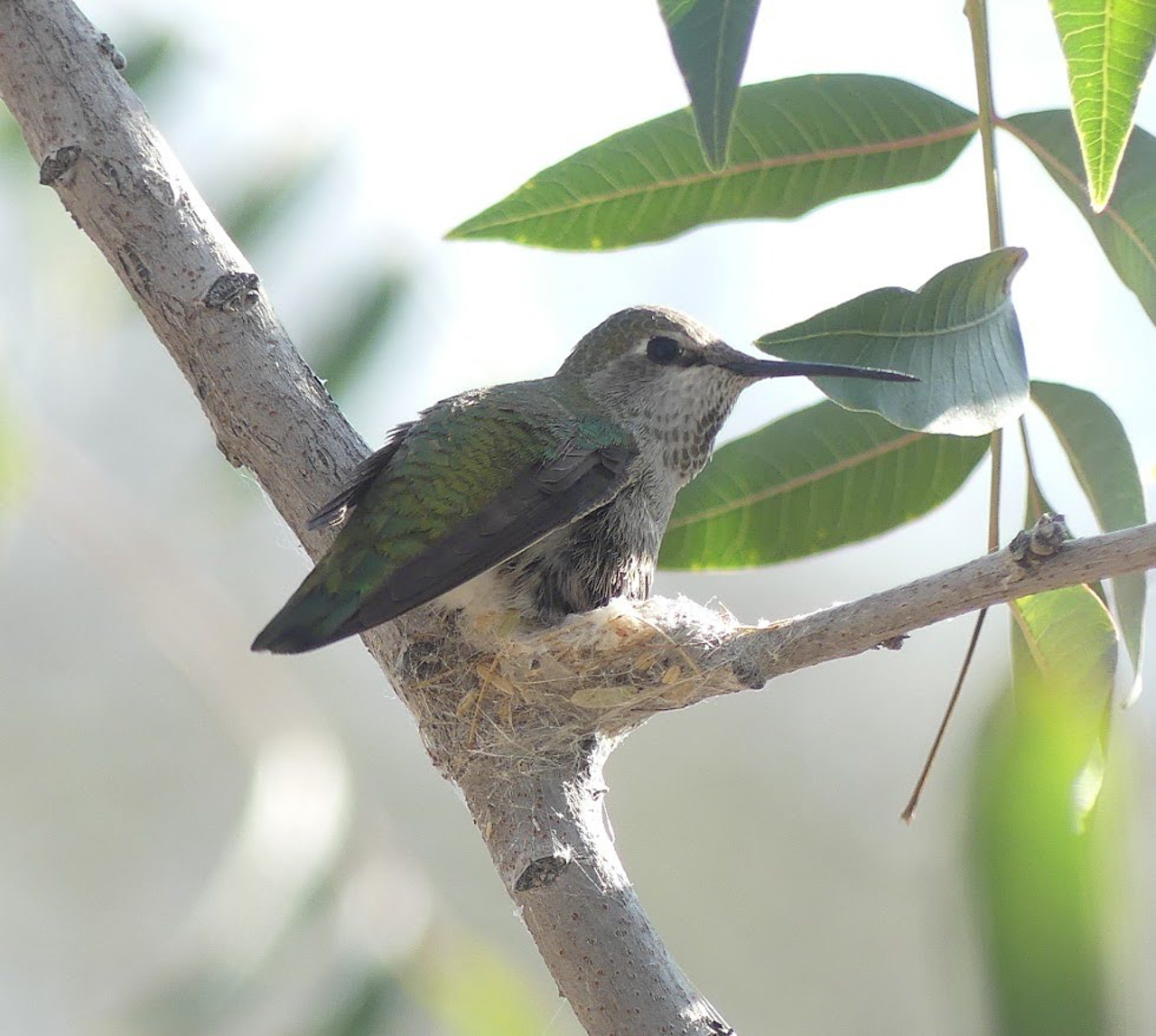
In the higher elevations of Madera Canyon, the survey recorded "Sky Island" specialties that draw ornithologists from across the globe. These included the Arizona Woodpecker, Painted Redstart, and Yellow-eyed Junco. A rare hybrid—a Broad-billed x Berylline Hummingbird—was also documented, providing valuable data on interspecies breeding in the region.

Phase III: Patagonia and the Grassland Crisis
The third and fourth days focused on the Patagonia region, including the San Pedro Riparian National Conservation Area. This area is a critical corridor for Neotropical migrants. The expedition recorded a high-density mixed songbird flock at Patagonia Lake State Park, including Bell’s, Cassin’s, and Plumbeous Vireos.

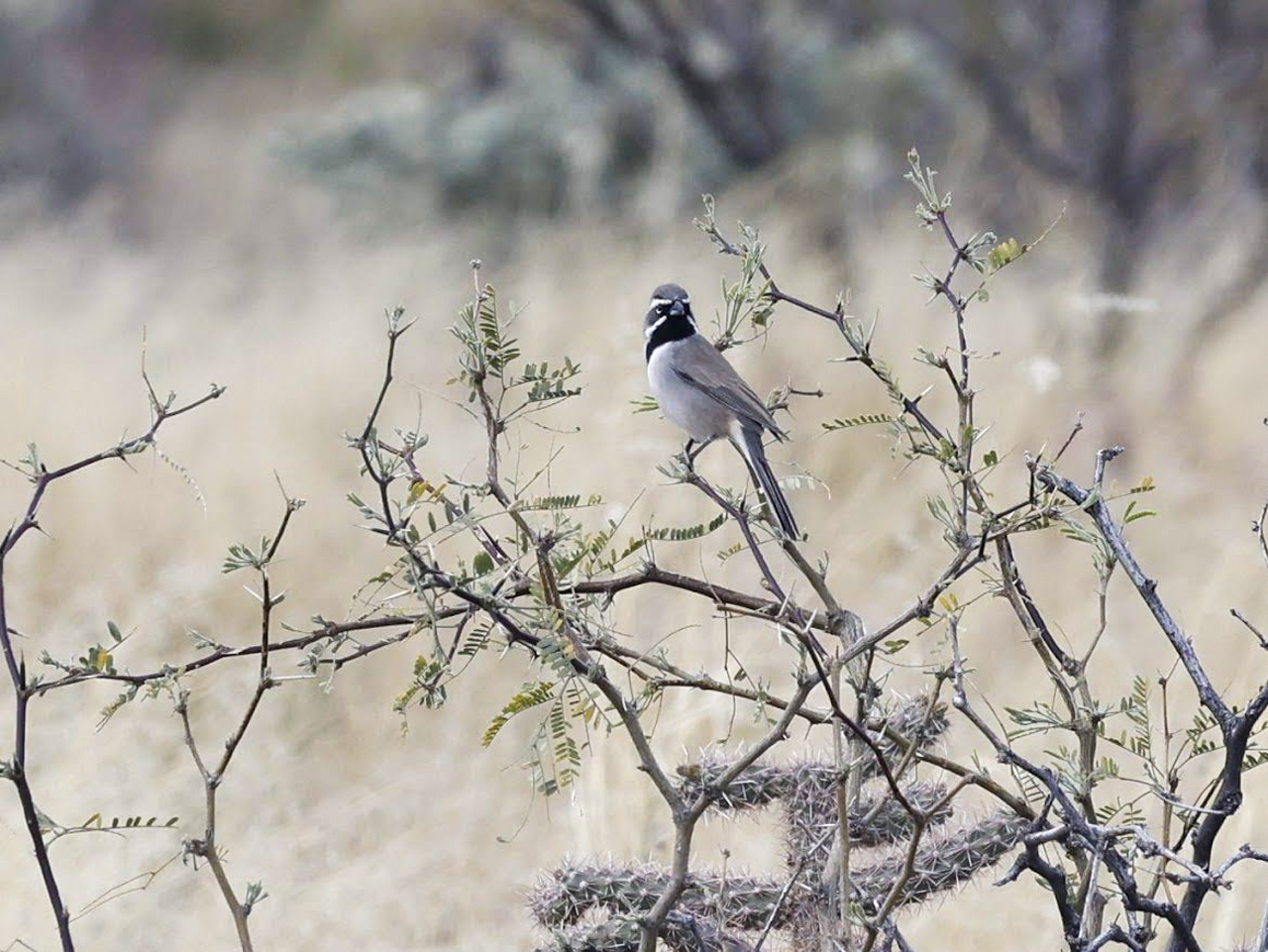
The survey also extended into the Las Cienegas National Conservation Area to assess grassland health. Grassland birds are currently the fastest-declining avian group in North America due to habitat fragmentation and agricultural expansion. The team noted the presence of Chestnut-collared Longspurs and Chihuahuan Meadowlarks, species that rely on the dwindling shortgrass prairies of the Southwest. The day concluded with an "owl prowl" on Harshaw Creek Road, which successfully located five Elf Owls—the world’s smallest owl species—marking their seasonal return to breeding territories.

Phase IV: The Chiricahua Mountains and High-Altitude Endemism
The final phase of the expedition centered on the Chiricahua Mountains, the largest of Arizona’s Sky Islands. Starting in the town of Portal, the team performed a "Full Towhee Sweep," documenting Abert’s, Canyon, Green-tailed, and Spotted Towhees in a single location.
The ascent to Rustler Park, at an elevation of 8,500 feet, revealed a starkly different suite of species adapted to cool, coniferous environments. Key observations included the Mexican Chickadee, which finds its northernmost range limit in these mountains, as well as Pygmy Nuthatches and Brown Creepers.

The survey concluded at Lake Cochise in Willcox, a vital stopover for shorebirds and cranes. While the overwintering Sandhill Crane population had dwindled from thousands to approximately 600—consistent with their early spring migration patterns—the team successfully located the Bendire’s Thrasher, a species currently classified as Globally Threatened.

Data Analysis and Conservation Implications
The documentation of 174 species serves as a vital data point for regional conservation efforts. Several key themes emerged from the expedition’s findings:
- The Role of Artificial Water Sources: The high productivity of sites like the Sweetwater Wetlands and the Green Valley Water Retention Facility highlights the necessity of managed water features in sustaining avian populations as natural riparian zones face drought-related pressures.
- Climate Change and Phenology: The early arrival of species like the Summer Tanager and Scott’s Oriole, combined with the drying of ephemeral ponds at Whitewater Draw, suggests shifting phenological patterns. The observation that a pond used by 80 Least Sandpipers dried up just 48 hours after the team’s visit underscores the precarious nature of stopover habitats.
- Habitat Protection: The Tubac Hawk Watch and the San Pedro Riparian NCA remain essential for the survival of raptors and migratory songbirds. Conservationists continue to advocate for the expansion of these protected areas to ensure the integrity of the "green corridors" through the desert.
- Community Science and Tourism: The expedition relied heavily on the cooperation of local "bird-feeding hosts" in Portal and Patagonia. This synergy between private landowners and scientific observers is a hallmark of Arizona’s conservation model, where ecotourism provides a direct economic incentive for habitat preservation.
Summary of Taxonomic Diversity
The expedition’s final report highlighted the following concentrations of diversity:

- Waterfowl: 14 species, with Cinnamon Teal being a primary highlight.
- Raptors: 11 species, including a significant migration count for Common Black Hawks.
- Passerines: 20 species of sparrows and nine species of icterids, demonstrating the richness of the region’s wintering grounds.
- Hummingbirds: 9 species, including the Blue-throated Mountain-gem, North America’s largest hummingbird.
The success of the "Arizona in Winter" tour is attributed not only to the region’s inherent biodiversity but also to the timing of the survey during the transition from wintering to breeding seasons. The 174 species recorded will be uploaded to global databases such as eBird, contributing to the broader understanding of avian distribution and population trends in the American Southwest. This expedition confirms that despite environmental challenges, the Sky Islands of Arizona remain one of the most critical and diverse biological corridors in North America.
