
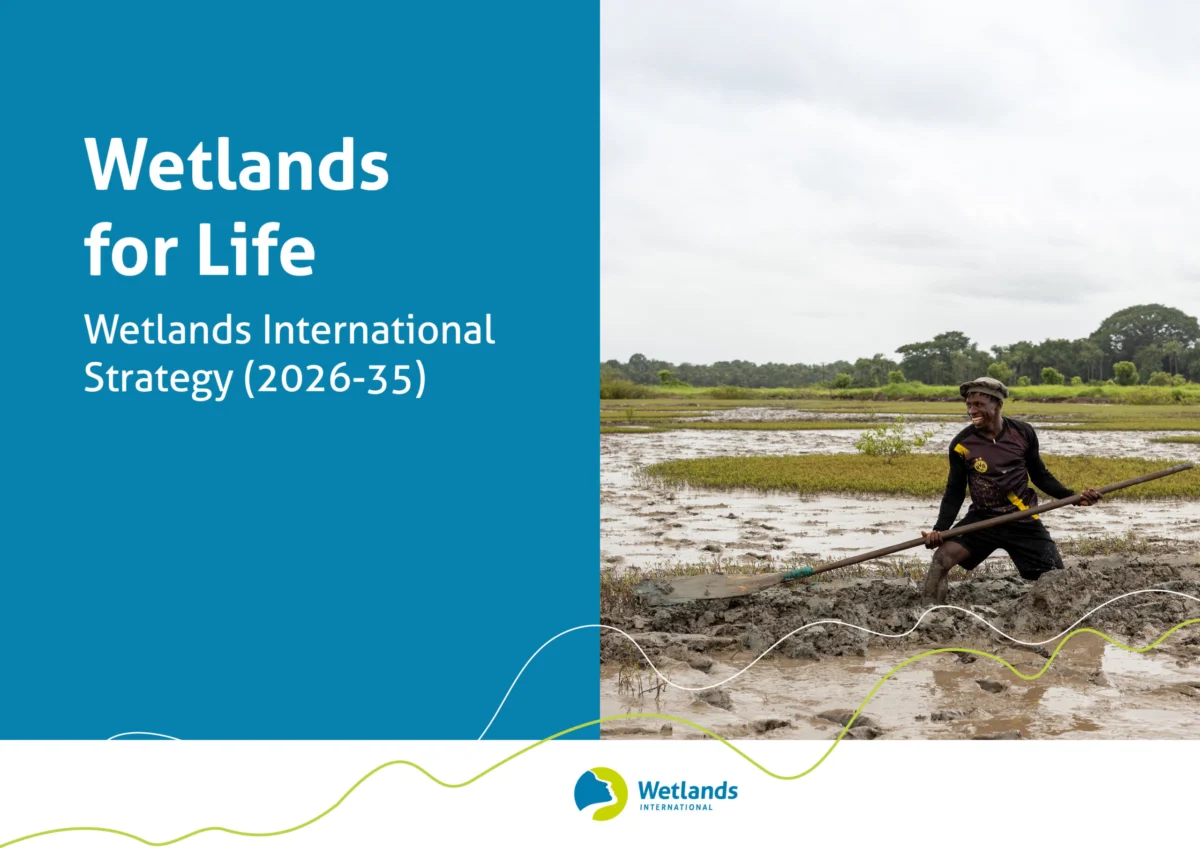
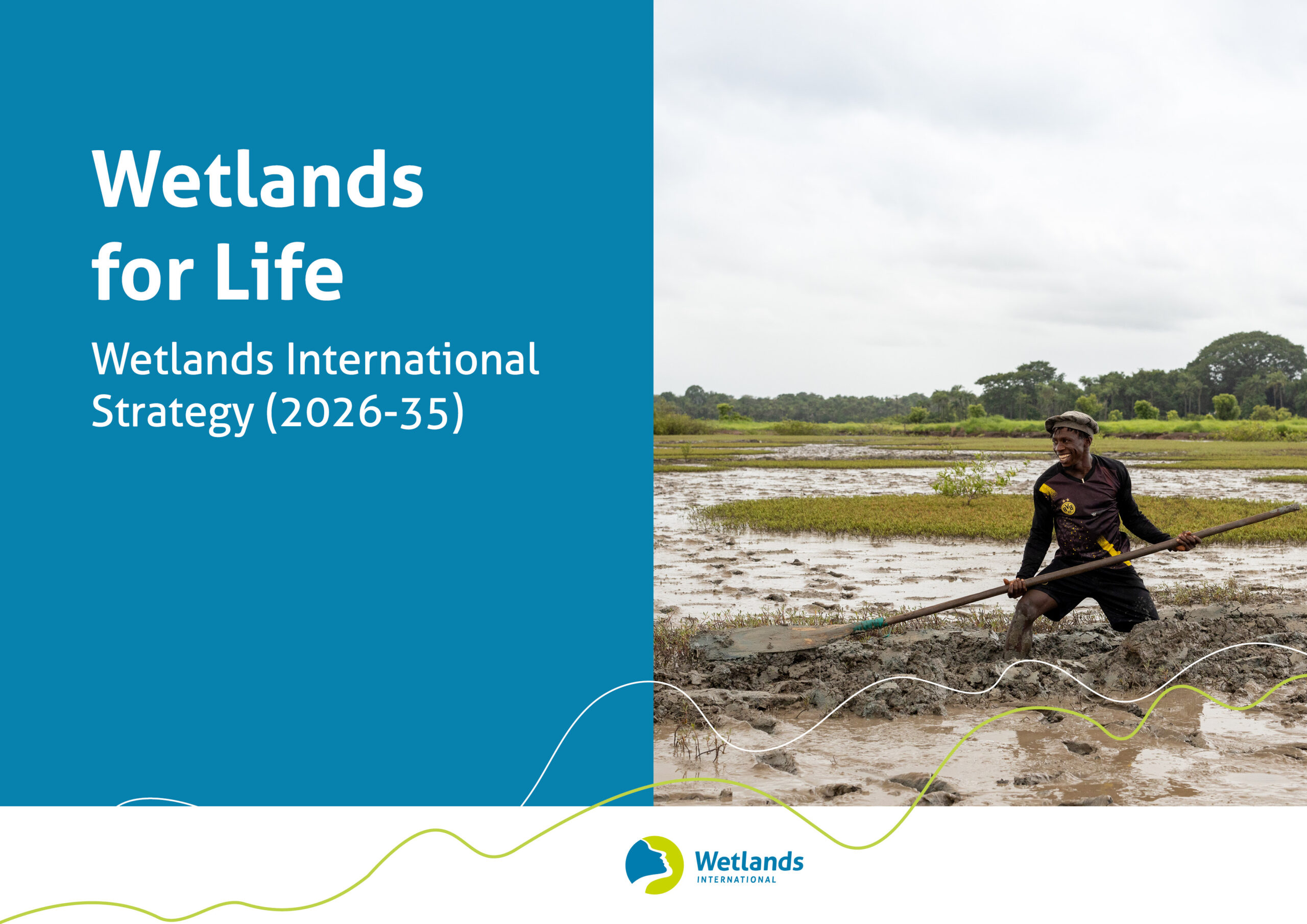
February 2, 2026 – On World Wetlands Day, Wetlands International officially unveiled its comprehensive and ambitious strategy for the next decade, marking a pivotal moment for the organization and the global movement to safeguard, restore, and sustainably manage the planet’s vital wetlands. The strategy, titled "Wetlands for Life (2026-35)," outlines a bold new approach designed to catalyze transformative change for the benefit of people, nature, and climate.
The launch signifies a renewed commitment to addressing the alarming rate at which these critical ecosystems are being degraded. Wetlands International emphasizes that these environments, encompassing everything from rivers and reefs to peatlands and mangroves, are fundamental to societal and economic well-being. However, they are currently facing unprecedented threats from drainage, damming, dredging, and depletion, posing not only an environmental crisis but an existential one. Despite the gravity of the situation, the organization highlights that scalable solutions and "wetland-positive" policies and practices exist and can be widely adopted.
A Decade of Transformative Action: The "Wetlands for Life" Strategy
The "Wetlands for Life (2026-35)" strategy is built upon Wetlands International’s three decades of experience as a locally led, global network. It details a roadmap of strategic approaches and ambitious goals aimed at accelerating action for wetlands. The organization plans to continue its collaborative approach, working hand-in-hand with communities, partners, corporations, and governments to co-create solutions and achieve significant wetland impact at the site level.
By 2035, Wetlands International aims to have directly contributed, in collaboration with its partners, to several key outcomes:
- Restoration of 100,000 hectares of degraded peatlands: This initiative is crucial given that peatlands store approximately 30% of the world’s terrestrial carbon and their degradation contributes significantly to global greenhouse gas emissions.
- Restoration of 500,000 hectares of coastal wetlands, including mangroves and saltmarshes: These ecosystems provide essential coastal protection, support fisheries, and harbor rich biodiversity.
- Improved management of 10 million hectares of freshwater wetlands: This encompasses rivers, lakes, marshes, and inland deltas, which are vital for water security, food production, and transportation.
- Establishment of 25 new wetland-smart cities and 50 new wetland-smart landscapes: This aims to integrate wetland conservation and restoration into urban planning and regional development.
While these direct impacts are substantial, Wetlands International stresses that they represent a fraction of the global goals for wetlands. Their true value lies in demonstrating tangible solutions that can catalyze systemic change in policies, business practices, and financial investments necessary to scale up wetland action worldwide.
Driving Systemic Change: Beyond Site-Level Interventions
Coenraad Krijger, CEO of Wetlands International, articulated the organization’s evolving role: "While we continue to deliver significant wetland impact at site level, our primary added value is not as an implementing agency but as a driver of systemic change at national, landscape and global levels." This philosophy underpins the strategy’s focus on influencing the policies and systems that continue to drive wetland degradation.
By 2035, the organization, in partnership with others, aims to achieve systemic contributions such as:
- Integration of wetland values into national policies and budgets of at least 30 countries: This will ensure that wetlands are recognized and prioritized in national development agendas.
- Commitment of at least $10 billion in new finance for wetland conservation and restoration from public and private sources: This financial commitment is essential for sustaining long-term conservation efforts.
- Adoption of wetland-positive business practices by 100 major corporations: This will encourage the private sector to integrate sustainability into their operations and supply chains.
- Increased public awareness and engagement on the importance of wetlands, reaching 100 million people: This aims to foster a global movement of wetland advocates.
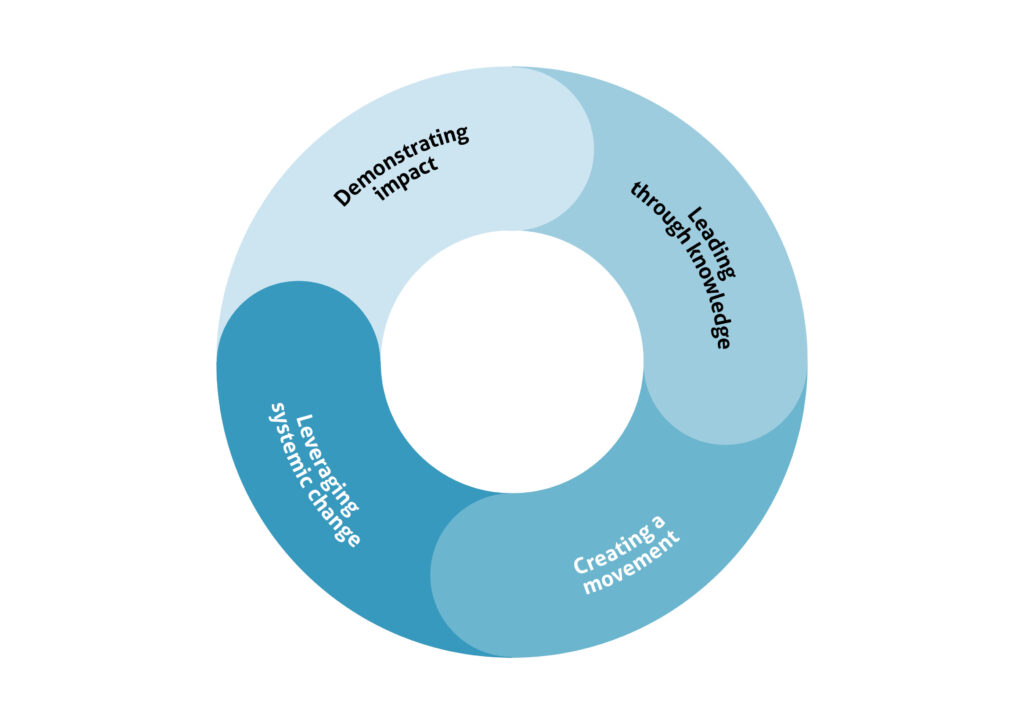
To achieve these ambitious objectives, Wetlands International will focus on four key pillars: demonstrating impact through site and landscape interventions, leading through knowledge generation and dissemination, creating a global movement for wetlands, and leveraging systemic change in policy, business, and finance.
Flagship Landscapes and Ecosystem Focus
The strategy will deepen existing work in 12 flagship landscapes across Africa, Asia, Europe, and Latin America. The overarching goal for these landscapes by 2035 is to ensure they are under holistic management. This will involve innovative financing mechanisms and regenerative land-use practices, serving as living laboratories to prove that sustainable and prosperous wetland-based societies and economies are achievable. This approach integrates site-level action with collective efforts to transform governance, business, and investment frameworks.
Wetlands International will continue to work across a diverse range of freshwater and inland wetlands, recognizing their critical roles in providing water, food, fisheries, and transportation, while also connecting terrestrial and marine ecosystems and serving as biodiversity hotspots.

A particular emphasis will be placed on:
- Peatlands: Recognized for their role in nourishing other ecosystems, storing vast amounts of carbon, and acting as natural sponges. The strategy acknowledges the ongoing threats to peatlands from drainage and conversion, which contribute to greenhouse gas emissions, wildfires, and loss of water, biodiversity, and resilience.
- Coastal Wetlands: Including mangroves, saltmarshes, and seagrass beds, which are crucial for buffering communities and cities from coastal hazards, supporting agriculture and fisheries, and hosting exceptional biodiversity. The strategy addresses the loss of these vital ecosystems due to urbanization, unsustainable infrastructure, and rising sea levels.
- Migratory Waterbirds and Fishes: Recognizing their role as connectors, indicators of wetland health, and their increasing vulnerability. The strategy will pay specific attention to protecting migratory waterbirds and their flyways, as well as migratory fish and their swimways.
Global Initiatives and Inclusivity
Wetlands International will maintain its central role in three voluntary global initiatives: the Freshwater Challenge, the Mangrove Breakthrough, and the Peatland Breakthrough. These initiatives serve as platforms for sharing solutions, best practices, and driving impactful change for wetlands globally.
A core principle of the strategy is the prioritization of working with and ensuring benefits for Indigenous Peoples and local communities, as well as vulnerable groups, including women and youth. This commitment is deeply rooted in Wetlands International’s history of local engagement and inclusive collaboration. The development of "Wetlands for Life" itself has been shaped through extensive consultations with partners, members, donors, and colleagues across the global network, fostering a shared commitment to translating the strategy into tangible action.
The Decisive Decade Ahead
The strategy is founded on the understanding that scaling up efforts to safeguard and restore wetlands represents a significant leap towards stabilizing the climate, restoring biodiversity, enhancing food and water security, strengthening peace and security, and building more resilient societies and economies. The coming decade is identified as decisive, and Wetlands International believes its new strategy positions the organization to lead a new era of wetland action, working collaboratively with partners to protect and restore the world’s invaluable wetlands. The message is clear: together, the challenge can be met.
Background and Context
World Wetlands Day, celebrated annually on February 2nd, commemorates the adoption of the Ramsar Convention on Wetlands in 1971. This international treaty provides a framework for national action and international cooperation for the conservation and wise use of wetlands and their resources. The date signifies the importance of these ecosystems, which cover over 6% of the Earth’s land surface and are vital for biodiversity, climate regulation, and human well-being.
The launch of Wetlands International’s strategy on this significant day underscores the urgency and global relevance of wetland conservation. The organization’s long-standing expertise, combined with its new strategic direction, aims to address the escalating environmental challenges and capitalize on emerging opportunities for sustainable wetland management. The strategy’s emphasis on systemic change reflects a growing understanding that isolated conservation efforts, while important, are insufficient without broader shifts in policy, economic models, and societal behavior.
Analysis of Implications
The implications of the "Wetlands for Life (2026-35)" strategy are far-reaching. By focusing on both direct impact and systemic change, Wetlands International aims to create a ripple effect that extends beyond the direct beneficiaries of wetland restoration projects. The emphasis on influencing policy, business, and finance is particularly critical, as these sectors often drive the degradation of wetlands.
The success of this strategy hinges on its ability to foster unprecedented levels of collaboration and mobilize significant financial resources. The ambitious targets for peatland and coastal wetland restoration, for instance, require substantial investment and coordinated action from governments, the private sector, and civil society. The strategy’s potential to trigger systemic change could lead to a paradigm shift in how wetlands are valued and managed globally, moving from a perception of them as wastelands to recognizing them as essential natural infrastructure.
The inclusion of flagship landscapes as demonstration sites is a smart approach, allowing for the testing and refinement of integrated management models that can then be replicated. This practical, evidence-based approach, combined with advocacy for policy reform, offers a robust pathway towards achieving the global goals for wetlands. The explicit commitment to Indigenous Peoples and local communities also aligns with best practices in conservation, recognizing their invaluable knowledge and role in sustainable resource management.
Ultimately, the success of Wetlands International’s strategy could contribute significantly to achieving multiple Sustainable Development Goals (SDGs), including those related to climate action, biodiversity conservation, clean water and sanitation, and sustainable cities and communities. The coming decade will indeed be a crucial test for the world’s wetlands, and this new strategy provides a clear and ambitious vision for how to meet that challenge.
