
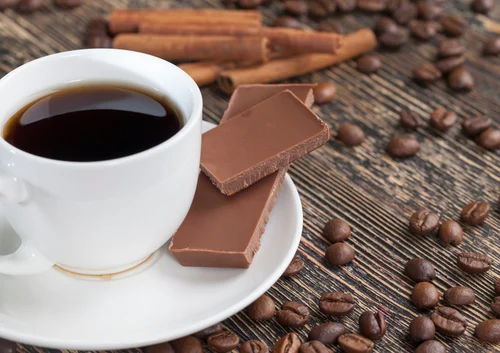
The rise of backyard poultry keeping has transformed suburban landscapes across the globe, turning casual gardeners into amateur livestock managers. However, as the popularity of keeping chickens for fresh eggs and companionship grows, so does the risk of accidental poisoning through the feeding of household scraps. While chickens are often celebrated as the "ultimate composters" due to their ability to consume a wide variety of kitchen waste, veterinary experts and poultry specialists are issuing urgent warnings regarding certain common human foods. Among the most dangerous substances frequently found in modern kitchens are chocolate and various sources of caffeine, both of which contain chemical compounds that can prove fatal to avian species even in minute quantities.
The Chemical Profile of Danger: Methylxanthines and Theobromine
The primary threat posed by chocolate and caffeine stems from a class of alkaloid molecules known as methylxanthines. In humans, these substances act as mild central nervous system stimulants, providing the familiar "energy boost" associated with a morning cup of coffee or a piece of dark chocolate. However, the physiological makeup of a chicken is significantly different from that of a human, or even larger mammals.
Caffeine is the most well-known methylxanthine, found in coffee grounds, tea leaves, energy drinks, and some sodas. When a chicken ingests caffeine, its heart rate accelerates dramatically. Because chickens already have a high resting heart rate—typically ranging between 250 and 350 beats per minute—the added stimulation can quickly push the organ beyond its physical limits. This often results in tachycardia, arrhythmias, and ultimately, sudden cardiac arrest.
Chocolate presents a dual threat. In addition to caffeine, it contains theobromine, another methylxanthine. While humans can metabolize theobromine relatively quickly, chickens (much like dogs and cats) lack the specific metabolic pathways to process this compound efficiently. As theobromine builds up in the bird’s bloodstream, it acts as a toxin, affecting the central nervous system, the respiratory system, and the kidneys. The concentration of these compounds varies; for instance, dark chocolate and cocoa powder contain significantly higher levels of theobromine than milk chocolate, but experts maintain that no amount of chocolate is considered safe for poultry consumption.

Clinical Progression: A Timeline of Ingestion and Toxicity
The reaction of a chicken to chocolate or caffeine ingestion is often rapid, leaving owners with little time for intervention. Understanding the chronology of toxicity is vital for recognizing an emergency within the flock.
Within 30 to 60 minutes of ingestion, a chicken may begin to show signs of hyper-excitability. This is the initial stage of central nervous system stimulation. The bird may appear restless, pacing the coop or flapping its wings erratically. During this window, the heart rate begins to climb, and the bird’s body temperature may rise as a result of increased metabolic activity.
Two to four hours post-ingestion, the digestive and neurological symptoms typically intensify. Owners may observe vomiting or diarrhea as the body attempts to expel the toxins. However, because birds have a unique digestive anatomy involving the crop and gizzard, the toxic substances are often absorbed before they can be purged. Neurological distress becomes evident through tremors, loss of coordination (ataxia), or a "drunken" gait.
In the final stages, which can occur anywhere from six to twelve hours after consumption, the bird may suffer from seizures or fall into a coma. If the dose of caffeine or theobromine was high enough, the heart eventually fails. Death from cardiac arrest is the most common outcome in untreated cases of severe methylxanthine poisoning in poultry.
Hidden Sources of Caffeine in the Backyard Environment
One of the most significant challenges for chicken keepers is the accidental exposure to these toxins. While few owners would intentionally hand a chocolate bar to a hen, common gardening and waste-management practices can create unintended hazards.

Coffee grounds are a frequent culprit. Many gardeners use spent coffee grounds as a nitrogen-rich soil amendment or as a deterrent for slugs and snails. If chickens are allowed to free-range in a garden where coffee grounds have been spread, they may ingest them while scratching for seeds or insects. Even "spent" grounds retain enough residual caffeine to be toxic to a small bird.
Similarly, tea bags discarded in compost piles can attract curious chickens. The mesh of the bag may be easily torn, exposing the concentrated tea leaves inside. Sports drinks and sodas, often left unattended during outdoor gatherings, also pose a risk. These beverages contain not only caffeine but also high levels of citric acid and sodium, which can further dehydrate a bird already suffering from a racing heart.
Secondary Health Risks: The Impact of Sugar and Fats
Beyond the immediate toxic threat of methylxanthines, processed human treats like chocolate donuts, cakes, and cookies present long-term health risks for poultry. Chickens require a precisely balanced diet of protein, carbohydrates, vitamins, and minerals to maintain egg production and feather health.
Baked goods are typically high in refined sugars and trans fats. In chickens, excessive sugar intake can lead to a disruption of the gut microbiome, potentially causing sour crop or an overgrowth of harmful bacteria. Long-term consumption of high-fat foods contributes to Fatty Liver Hemorrhagic Syndrome (FLHS), a condition where the liver becomes soft and prone to rupture. A bird with FLHS may appear healthy until it suddenly dies from internal bleeding, often triggered by the strain of laying an egg.
Expert Lisa Steele, a fifth-generation chicken keeper and founder of Fresh Eggs Daily, emphasizes that "junk food" has no place in a coop. Steele, who has authored multiple books on natural poultry care, advocates for a diet that mimics what a bird would find in the wild—primarily greens, seeds, and insects—rather than the highly processed leftovers of a modern human diet.

Expert Perspectives and Veterinary Analysis
Veterinary toxicologists note that the small body mass of the average laying hen (typically 4 to 6 pounds) makes them exceptionally vulnerable to poisoning. While a large dog might survive a single chocolate chip, that same amount of chocolate represents a much higher percentage of a chicken’s body weight.
"The avian cardiovascular system is a marvel of efficiency, designed to support the high metabolic demands of flight and egg production," says Dr. Aris Thorne, a specialist in avian medicine. "But that same efficiency means that stimulants like caffeine are distributed through the system with terrifying speed. We often see cases where the owner didn’t even realize the bird had scavenged something until it was too late for a gastric lavage or activated charcoal treatment."
The consensus among the veterinary community is a "zero-tolerance" policy for chocolate and caffeine. Because there is no established "safe" threshold for these substances in poultry, any ingestion should be treated as a potential medical emergency.
Broader Implications for Flock Management and Food Safety
The danger of toxic treats extends beyond the individual bird to the overall productivity and safety of the flock. A hen suffering from sub-lethal toxicity will experience a significant drop in egg production. The stress on her internal organs diverts energy away from the reproductive system, and it may take weeks for a bird to return to her normal laying cycle—if she recovers at all.
Furthermore, there is the question of food safety for human consumers. While research on the transfer of methylxanthines from a hen’s diet into her eggs is limited, the general principle of poultry management is that "what goes into the chicken goes into the egg." Maintaining a clean, toxin-free diet is essential for ensuring that backyard eggs remain a healthy and safe food source for the family.

Establishing a Safe Treat Protocol
To prevent accidental poisoning, poultry owners are encouraged to implement strict guidelines for what is allowed into the coop. Educational resources, such as the comprehensive lists provided by experts like Lisa Steele, offer a roadmap for safe supplementation.
Safe alternatives to chocolate and sugary snacks include:
- Leafy Greens: Kale, spinach, and Swiss chard provide essential vitamins.
- Berries: Blueberries and raspberries are high in antioxidants and are highly prized by chickens.
- Melons: Watermelon and cantaloupe provide hydration and nutrients during summer months.
- Mealworms: A high-protein treat that mimics a chicken’s natural diet.
Owners should also ensure that compost bins are securely covered and that garden amendments are integrated into the soil in areas where chickens do not have access.
Conclusion
The responsibility of keeping backyard chickens involves more than just providing a coop and water; it requires a diligent understanding of avian physiology and the hidden dangers of the human environment. Chocolate and caffeine represent a clear and present danger to poultry, capable of causing rapid distress and death through cardiac and neurological failure. By viewing chickens as specialized livestock with unique dietary needs—rather than avian trash cans—owners can ensure the longevity, health, and productivity of their flocks. In the world of poultry care, the most loving treat an owner can provide is one that aligns with the bird’s natural biology, keeping the "dark side" of the kitchen safely out of reach.
