
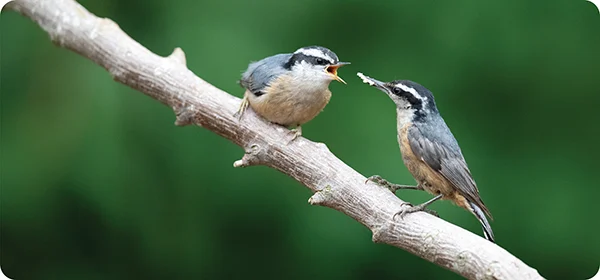
The subtle yet profound rhythms of nature offer a constant source of wonder, and among its most heartwarming spectacles is the emergence of young birds, their tentative first flights and eager chirps filling our backyards. This annual event, a testament to nature’s enduring cycle of life, not only brings aesthetic pleasure but also highlights the crucial role human intervention can play in ensuring the survival and prosperity of avian populations. From the bold bluebirds venturing to feeders under parental guidance to the boisterous chickadees and goldfinches playfully demanding sustenance, the sights and sounds of fledgling birds are a powerful reminder of the interconnectedness of our ecosystems. Even the clumsy efforts of young woodpeckers learning to navigate feeders, or their patient waiting for a share of suet or specialized blends like Bark Butter®, underscore a fundamental truth: a new generation is entering the world, and the provisions we offer can significantly impact their ability to thrive.
The Impact of Supplemental Feeding on Avian Reproduction
Scientific research consistently demonstrates a strong correlation between the availability of supplemental food sources and the reproductive success of wild birds. Studies, such as those documented in ornithological journals focusing on avian ecology, reveal that birds with reliable access to feeders tend to initiate their nesting cycles earlier in the season. This seemingly small temporal shift carries significant weight. Earlier broods often face less competition for resources and occupy prime nesting territories, leading to demonstrably better survival and fledging rates compared to those that nest later. This advantage is particularly pronounced in environments where natural food sources might be scarce or unpredictable.
Furthermore, the presence of readily available bird feeders liberates breeding females from the arduous task of constant foraging. This newfound freedom allows them to dedicate more time and energy to critical aspects of nest preparation, including selecting optimal nesting sites and constructing sturdier, more protective nests. The reduction in foraging time also translates to increased vigilance, enabling parents to better defend their nests, eggs, and vulnerable young from a myriad of predators.
The benefits extend beyond mere time allocation. When parent birds have access to abundant and easily accessible feeder food, they are empowered to expand their dietary search for a wider array of natural food resources for their offspring. This enhanced nutritional intake has been scientifically observed to mitigate aggression among nest siblings, fostering a more harmonious and cooperative environment within the nest. Crucially, this improved nutrition directly contributes to accelerated growth rates in young birds, equipping them with a greater chance of survival once they leave the nest. For instance, research published in avian nutrition journals has detailed how increased protein and calcium intake, readily available in specialized bird foods, can significantly improve bone density and feather development in fledglings.
Beyond Food: Creating Bird-Friendly Habitats
While supplemental feeding plays a vital role, it is only one piece of the puzzle in supporting successful nesting. The provision of appropriately designed and installed nesting boxes can dramatically enhance nesting success rates, especially during periods of inclement weather, such as prolonged cold snaps or persistent damp conditions. These structures offer crucial shelter and a secure environment, shielding birds from the elements and predators. The design considerations for nesting boxes are paramount, with features like appropriate entrance hole size, ventilation, drainage, and predator guards being essential for maximizing their utility. Different species have specific requirements, and understanding these nuances can lead to a higher occupancy rate and greater success. For example, a properly sized entrance hole for a chickadee will deter larger, more aggressive species, ensuring the intended occupants have a better chance.
Equally indispensable is the quality of a yard’s natural habitat. Contrary to the often-held belief that immaculate landscaping is ideal, a slightly "messier" yard can be a boon for nesting birds. Birds frequently struggle to find the natural materials necessary for nest construction in meticulously manicured environments. The inclusion of native trees, shrubs, and wildflowers is paramount. These elements not only provide essential nesting space, offering concealment and structural support, but also serve as vital food resources. Native plants are often specifically adapted to local insect populations, which form a significant part of the diet for many bird species, particularly during the breeding season. For example, a study by the Audubon Society indicated that yards with a high diversity of native plants can support a significantly larger number of breeding bird species than those dominated by non-native ornamental plants.
Specialized Nutrition for Nesting Families
Recognizing the specific dietary needs of nesting birds, companies like Wild Birds Unlimited have developed specialized products designed to provide the essential nutrients required for successful breeding and chick rearing. Their Nesting SuperBlend®, for instance, is a carefully formulated mix packed with high-energy ingredients. This blend typically includes sunflower chips, peanuts, mealworms, Bark Butter Bits, Nutrasaff, tree nuts, and crucially, calcium. Sunflower chips and peanuts offer valuable fats and proteins, while mealworms are an excellent source of protein and essential amino acids, mirroring a natural insect diet. Calcium is particularly vital for egg production in females and for the rapid bone development of chicks. This comprehensive blend is ideally suited for birds in all stages of the nesting cycle – from pre-nesting preparation and egg-laying to the demanding period of feeding hungry broods and supporting young birds as they transition to independence.

Bark Butter®, another key offering, provides a high-energy, protein-rich food source that appeals to a wide variety of bird species. Its unique formulation makes it easily digestible and palatable, ensuring that birds can efficiently convert it into energy needed for nesting and feeding. The inclusion of Bark Butter Bits further enhances the nutritional profile, offering concentrated bursts of energy and essential nutrients.
The Chronology of a Nesting Season
The nesting season is a dynamic period, unfolding over several months and marked by distinct stages:
-
Late Winter to Early Spring (February-April): This is a critical preparatory phase. Birds begin to assess potential nesting sites and territories. Supplemental feeding during this time is crucial for building up the energy reserves necessary for migration (for some species) and for the demanding onset of breeding. Early access to feeders can encourage birds to nest earlier, as noted by research. The availability of high-quality food at this stage can also influence mate selection and pair bonding.
-
Spring (April-June): This period marks the peak of nesting activity. Birds are actively building nests, laying eggs, and incubating. Parent birds are engaged in constant foraging to feed themselves and their developing young. The provision of specialized nesting foods becomes most impactful during these weeks. Nesting boxes also become essential shelters against unpredictable spring weather.
-
Late Spring to Summer (May-August): As chicks hatch, the demand for food intensifies dramatically. Parents work tirelessly to meet the voracious appetites of their broods. Fledglings begin to emerge from nests, initially dependent on their parents for food, but quickly learning to utilize feeders themselves. This is a period of intense activity at feeders, with young birds learning the ropes and parents continuing to provide essential nourishment.
-
Late Summer to Fall (August-October): While some species may attempt a second brood, many birds begin preparing for migration or the leaner months ahead. Juveniles are now independent and actively foraging. Continued feeding can help them build up fat reserves for their journey or for surviving the winter. The focus shifts from supporting active nesting to aiding in post-fledging survival.
Broader Implications and the Human Connection
The act of providing for nesting birds extends beyond mere ecological support; it fosters a deeper connection between humans and the natural world. In an increasingly urbanized and technologically driven society, these interactions offer a tangible link to the fundamental cycles of life. The simple act of observing a parent bird diligently feeding its young, or witnessing a fledgling’s first hesitant flight, can cultivate empathy and a profound appreciation for biodiversity.
From an ecological perspective, supporting healthy bird populations has far-reaching implications. Birds play vital roles in their ecosystems, including seed dispersal, pollination, and insect control. By creating bird-friendly habitats and providing supplemental nutrition, individuals contribute to the overall health and resilience of local environments. This proactive approach can help mitigate the impacts of habitat loss and fragmentation, which are significant threats to avian populations globally. For example, a 2019 report by the Cornell Lab of Ornithology highlighted a significant decline in North American bird populations, underscoring the urgent need for conservation efforts at all levels, including individual backyard actions.

The insights gained from observing bird behavior can also inform broader conservation strategies. Citizen science initiatives, often facilitated by organizations like Wild Birds Unlimited, where individuals report bird sightings and behaviors, contribute invaluable data that aids researchers in understanding population trends, migratory patterns, and the impact of environmental changes. This collaborative effort empowers individuals to become active participants in scientific discovery and conservation.
The initiative to support nesting birds is not merely about providing food; it is about cultivating a holistic environment that nurtures life. It involves a conscious effort to create spaces that offer shelter, sustenance, and safety. The success of these efforts is reflected in the vibrant chorus of birdsong that enriches our lives and the visible evidence of a thriving new generation, a testament to the powerful synergy between nature’s resilience and human stewardship. As research continues to illuminate the intricate dependencies within our natural world, the role of informed and engaged individuals in supporting avian life becomes ever more critical, fostering not only the joy of nesting birds but also the health of our shared planet.
To further explore the nuances of supporting avian life during the summer months and understanding the broader context of these natural phenomena, the latest episode of the Nature Centered Podcast, "Joy of Summer Birds," offers valuable insights and expert perspectives. This episode, available for streaming, delves deeper into the science and practical applications of backyard bird conservation, providing listeners with actionable advice and a richer understanding of the avian world.
