
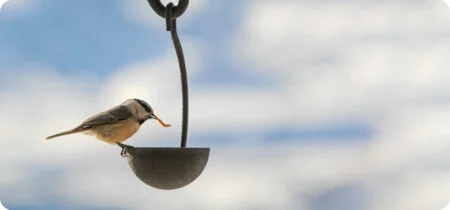
The seemingly unconventional suggestion of gifting "bugs for birds" for Mother’s Day presents a compelling, nature-centric approach to celebrating maternal figures, according to insights from Wild Birds Unlimited (WBU). While initially raising eyebrows, this concept is rooted in the fundamental needs of avian populations, particularly during the crucial nesting and migratory seasons, and offers a unique way to connect with nature and appreciate the environment.
The Biological Imperative: Bugs as the Ultimate Bird Food
At the heart of this proposition lies the undeniable fact that insects are a cornerstone of avian diets, especially for young birds. May marks a peak period for avian reproduction across many regions. During these weeks, virtually every bird species relies heavily on a diet rich in insects to fuel the rapid growth and development of their offspring. Providing a consistent and abundant source of insect-based food, such as mealworms, can significantly enhance the success rate of fledglings and attract a wider diversity of songbirds to a backyard environment.
This principle extends to the vast numbers of migratory songbirds that traverse landscapes during spring. For these journeying avian travelers, insects are not merely a food source; they are critical for accumulating the essential fats and energy reserves required to sustain their arduous migrations. A yard that offers a plentiful supply of insect-based sustenance can become a vital refueling station, contributing to the survival and successful completion of these epic journeys. The joy derived from observing a vibrant influx of warblers, vireos, thrushes, and tanagers, all drawn to the promise of readily available insect food, can be a profoundly rewarding experience for any bird enthusiast, including mothers who often find solace and fascination in backyard wildlife.
A Two-Pronged Approach to Avian Abundance
Wild Birds Unlimited outlines a two-part strategy to ensure a yard becomes an inviting haven for insect-seeking birds, thereby indirectly providing a unique "gift" for mothers who cherish birdwatching:
-
Cultivating Native Plant Habitats: The first component involves the thoughtful selection and planting of native flora. Instead of ephemeral cut flowers, the recommendation is for durable, perennial native plants that can be cultivated in yards or containers. These plants not only add aesthetic appeal and year-round interest but, more importantly, serve as natural attractors for a wide array of native insects. These indigenous insect populations are precisely what wild birds actively seek as a primary food source for themselves and their young. The ecological benefit of native plants extends beyond immediate bird feeding; they support entire local ecosystems, providing habitat and sustenance for various invertebrates, which in turn support bird populations.
-
Supplementing with High-Quality Insect Foods: The second, complementary element is the direct provision of supplemental insect-based foods. Mealworms, both dried and live, are highlighted as particularly effective supplements. They offer a concentrated source of protein and fat, mimicking the nutritional value of naturally occurring insects. This supplementation is crucial because natural insect populations can fluctuate due to environmental factors, and supplemental feeding ensures a consistent food supply, especially during critical breeding and migratory periods.
Product Offerings: Tailored Solutions for Bird Nutrition
Wild Birds Unlimited offers a range of specialized products designed to facilitate the provision of insect-based foods for birds:
-
Nesting SuperBlend®: Available as a loose seed blend or a seed cylinder, this product is formulated with dried mealworms, catering specifically to the nutritional needs of nesting birds and their young. Its composition aims to provide a balanced diet during the demanding nesting season.
-
Bug, Nut & Berry Cylinder®: This popular offering is designed to attract a broad spectrum of insectivorous birds. The combination of insects, nuts, and berries provides a diverse and appealing food source, encouraging frequent visits from a variety of avian species.

-
Live Mealworms: For those seeking the most direct and effective way to attract songbirds, live mealworms are presented as an exceptional choice. Their natural appeal and high nutritional content make them a powerful attractant, particularly for birds that are more discerning in their food preferences.
The availability of these products underscores WBU’s commitment to providing accessible and effective solutions for backyard bird feeding enthusiasts, enabling them to actively contribute to the well-being of local bird populations.
The Broader Ecological Context and Mother’s Day Significance
The concept of "bugs for birds" transcends a mere novelty gift; it taps into a deeper appreciation for ecological interconnectedness. Mother’s Day, traditionally a time for acknowledging care and nurturing, can be extended to encompass a broader sense of environmental stewardship. By encouraging the creation of bird-friendly habitats and providing essential food sources, individuals can actively participate in supporting local biodiversity. This approach offers a tangible way to give back to nature, creating a living, dynamic gift that benefits wildlife and provides ongoing enjoyment for the recipient.
The act of observing birds, a pastime often associated with peace and relaxation, can be significantly enhanced by a vibrant and healthy bird population. For many, particularly mothers who may seek moments of respite and connection with the natural world, a backyard teeming with diverse avian life offers a unique form of enrichment. The sight and sound of birds actively foraging, nesting, and raising their young can be a source of profound joy and a constant reminder of the delicate beauty of the natural world.
Data Supporting Avian Insect Dependency
Scientific research consistently underscores the critical role of insects in avian diets. Studies have shown that the protein, fat, and calcium content of insects are vital for egg production, chick development, and adult bird health. For instance, research published in journals such as The Auk: Ornithological Advances has documented the high percentage of insect biomass consumed by various songbird species during the breeding season. A single brood of tree swallows, for example, can consume thousands of insects daily. The decline in insect populations globally, often attributed to habitat loss, pesticide use, and climate change, has had a demonstrable negative impact on bird populations. Providing supplemental insect food can help mitigate some of these effects, offering a direct intervention that supports bird survival.
Data from ornithological organizations, such as the Cornell Lab of Ornithology, highlights the importance of specific food sources for different bird species. For many migratory songbirds, like warblers and vireos, the spring migration is an energetically demanding period, and access to high-energy food, such as insects and their larvae, is paramount. The energy expenditure during migration can be immense, with some birds flying for hundreds of miles non-stop. Therefore, well-stocked "rest stops" with abundant insect food can significantly improve migratory success rates.
Expert Perspectives and the WBU Mission
The philosophy behind "bugs for birds" aligns with Wild Birds Unlimited’s overarching mission: "to bring people and nature together." By educating consumers about the ecological needs of birds and offering practical solutions, WBU empowers individuals to become active participants in conservation. The company’s founder, John E. James, has often emphasized the importance of understanding the intricate relationships within ecosystems and how backyard habitats can play a crucial role in supporting wildlife.
"We believe that by providing the right food and habitat, people can make a real difference in the lives of birds and other wildlife," a WBU representative might state. "Mother’s Day is a perfect opportunity to think about the gifts that keep on giving – gifts that not only bring joy but also contribute to the health of our planet. And for many moms, the gift of a vibrant, active bird garden is incredibly rewarding."
The Implications for Backyard Ecosystems and Human Well-being
The implications of encouraging "bugs for birds" extend beyond the immediate benefits to avian populations. Creating a yard that attracts insects also supports other beneficial wildlife, such as pollinators like bees and butterflies, as well as natural pest controllers like ladybugs and lacewings. This fosters a more robust and balanced backyard ecosystem.
Furthermore, the act of engaging with nature, whether through planting flowers, observing birds, or tending to a bird feeder, has well-documented benefits for human well-being. Studies have linked spending time in nature to reduced stress, improved mood, and enhanced cognitive function. For mothers, who often juggle numerous responsibilities, these moments of connection with the natural world can be particularly restorative. The "gift" of a thriving bird garden, fueled by thoughtful food choices, therefore, offers a dual benefit: environmental support and personal enrichment.

Conclusion: A Thoughtful, Eco-Conscious Gift
In conclusion, the suggestion to "Give Mom Bugs for Birds" for Mother’s Day is a sophisticated and ecologically conscious idea. It encourages a deeper understanding of avian biology and the vital role of insects in supporting bird populations. By embracing this concept, individuals can move beyond conventional gifts to offer something truly meaningful: a contribution to nature’s intricate web, a source of ongoing joy, and a tangible demonstration of care for both wildlife and the maternal figures in their lives. It’s a gift that cultivates life, beauty, and a deeper connection to the natural world, making it a fitting tribute for any mother who cherishes the wonders of nature. While the idea of gifting insects might initially seem unusual, its underlying ecological rationale and the potential for creating a vibrant, bird-friendly habitat make it a profoundly thoughtful and impactful choice.
