
The arrival of hummingbirds each spring marks a cherished moment for nature enthusiasts, signaling the end of winter’s dormancy and the vibrant return of life to gardens and backyards across North America. While their journey from wintering grounds is arduous, spanning thousands of miles, the anticipation for these dazzling avian jewels is a testament to their captivating presence. This year, as in previous seasons, bird watchers are reminded that patience is a virtue, as these tiny marvels are indeed on their way, bringing with them a promise of wonder and a splash of iridescent color.
The Epic Journey of the Hummingbird
The journey undertaken by hummingbirds is nothing short of extraordinary. Many species, such as the Ruby-throated Hummingbird in the eastern United States and Canada, embark on a migration of up to 2,000 miles from their wintering grounds in Central America. This perilous trek requires immense energy reserves and precise navigation, often taking them over vast expanses of water, including the Gulf of Mexico. Their ability to survive and complete this migration highlights their remarkable physiological adaptations and innate survival instincts.
The timing of their arrival is influenced by a complex interplay of factors, including photoperiod (day length), food availability, and prevailing weather patterns. As temperatures rise and flowering plants begin to bloom, the natural cues trigger their migratory impulse. For those eagerly awaiting their return, this means understanding that the precise date of arrival can vary slightly from year to year, underscoring the importance of consistent feeding and habitat provision.
Regional Variations in Hummingbird Presence
While the migratory spectacle is a shared experience for many, the specific hummingbird species encountered and their presence can vary significantly by region. In the eastern United States, the Ruby-throated Hummingbird is the most common and widely recognized migratory species. Their arrival typically begins in early to mid-spring, with the peak migration often occurring in April and May.
Conversely, the western United States hosts a greater diversity of hummingbird species, some of which may be year-round residents or undertake shorter, altitudinal migrations. Species such as the Black-chinned, Rufous, Anna’s, and Allen’s hummingbirds are prevalent in the west. Anna’s Hummingbirds, for instance, are unique in that they are year-round residents in many parts of their range along the Pacific coast, even breeding through the winter months. This means that in some western locales, the anticipation might not be for the first glimpse of a hummingbird, but for the emergence of newly fledged young from local nests.
Creating a Welcoming Haven: Best Practices for Hummingbird Attraction
Attracting these energetic visitors requires more than just setting out a feeder. Providing a consistent and reliable food source, alongside a habitat that meets their specific needs, is crucial for their well-being and for maximizing viewing opportunities.
Nectar Feeders: The primary attractant for hummingbirds is nectar. A homemade nectar solution of one part refined white sugar to four parts boiled and cooled water is generally recommended. It is imperative to use white granulated sugar only, as other sweeteners, such as honey or artificial sweeteners, can be harmful or even fatal to hummingbirds. The solution should be changed every 2-3 days, especially in warmer weather, to prevent fermentation and the growth of mold, which can cause illness. Red dye is unnecessary and should be avoided, as it can also be detrimental to their health.

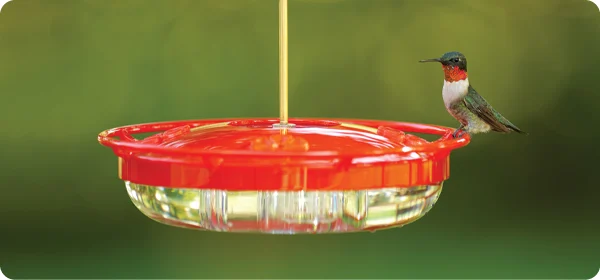
Window Feeders: For those seeking an up-close viewing experience, window feeders offer a unique advantage. These feeders are designed to be mounted directly on a windowpane, allowing observers to witness the birds’ feeding behaviors from mere inches away. The clear plastic bases of many of these feeders, such as those offered by Wild Birds Unlimited, are particularly effective in showcasing the intricate mechanics of hummingbird feeding.
Native Plants: Beyond feeders, creating a hummingbird-friendly garden with a variety of native flowering plants is essential. These plants not only provide natural nectar sources but also offer shelter, nesting sites, and attract small insects, which are a vital source of protein, especially for nestlings. Hummingbirds have preferences for certain flower shapes and colors, often favoring tubular, brightly colored blossoms in shades of red, orange, and pink. Examples of plants that are highly attractive to hummingbirds include Bee Balm (Monarda), Cardinal Flower (Lobelia cardinalis), Trumpet Vine (Campsis radicans), Columbine (Aquilegia), and Salvia.
Understanding Hummingbird Feeding Behavior
The feeding mechanism of hummingbirds is a marvel of biological engineering. Contrary to a common misconception, they do not "suck" nectar through their bills. Instead, they employ a sophisticated lapping action with their specialized tongues. These tongues are grooved and can extend far beyond the tip of their beaks. As they rapidly dip their tongues into a nectar source, capillary action draws the liquid up the grooves. This process can involve up to 12 lapping motions per second, a testament to their incredible metabolic rate and agility. Observing this rapid tongue movement, particularly with the aid of transparent feeder bases, provides a fascinating glimpse into their intricate feeding strategy.
The Joy of Observation: More Than Just a Feeding Frenzy
The appeal of hummingbirds extends far beyond their need for sustenance. Watching these tiny birds engage in their daily activities is a source of immense pleasure and wonder. Their aerial acrobatics are legendary. They are capable of hovering in place, flying backward, and reaching speeds of up to 30 miles per hour, with dives that can exceed 60 miles per hour during courtship displays.
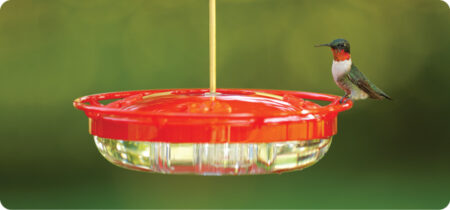
Observing their interactions at feeders or in the garden offers a window into their complex social behaviors. Males, particularly territorial species like the Rufous Hummingbird, may engage in aggressive aerial displays to defend prime feeding territories, fanning their tails and darting at rivals. A keen eye might also spot the subtle signs of their foraging, such as a faint dusting of yellow pollen on their foreheads, indicating recent visits to flowers. Their vocalizations, often a series of high-pitched chirps and squeaks, add another layer to the sensory experience of their presence.
Expert Insights and Further Exploration
For those seeking to deepen their understanding and enhance their hummingbird-watching experience, resources are readily available. Podcasts, such as the "Nature Centered" podcast from Wild Birds Unlimited, offer dedicated episodes, like "Hooray for Hummingbirds," featuring expert discussions on attracting, identifying, and enjoying these fascinating birds. These platforms provide valuable insights, practical tips, and engaging anecdotes from seasoned ornithologists and bird feeding specialists.
The Broader Implications: Conservation and Connection
The presence of hummingbirds in our backyards is not just a source of personal enjoyment; it also serves as an indicator of environmental health. Their migratory patterns and reliance on specific habitats highlight the interconnectedness of ecosystems across vast distances. As climate change and habitat loss continue to pose threats to migratory species, efforts to provide suitable feeding grounds and conserve natural habitats become increasingly critical.
The simple act of setting up a hummingbird feeder and planting native flowers can have a ripple effect, supporting not only these iconic birds but also a multitude of other pollinators and beneficial insects. It fosters a deeper connection with the natural world, encouraging observation, learning, and a sense of stewardship. The patience required to await their arrival is ultimately rewarded with a vibrant display of nature’s resilience and beauty, a reminder that even the smallest creatures can inspire the greatest wonder. The continued presence of hummingbirds in our shared landscapes is a testament to the importance of conservation efforts and the enduring appeal of these winged jewels. Their arduous journey, their delicate feeding habits, and their dazzling presence all contribute to making the wait for their return profoundly worthwhile, enriching our lives and deepening our appreciation for the natural world.
