
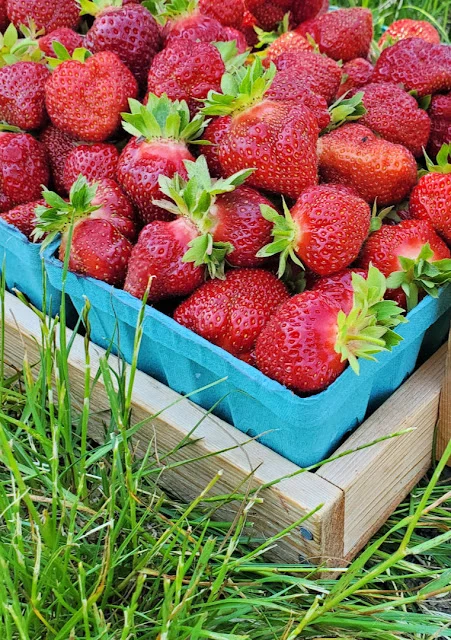
The practice of supplementing commercial poultry feed with fresh produce has seen a significant resurgence as backyard chicken keeping transitions from a niche hobby to a mainstream agricultural movement. Among the various fruits and vegetables offered to domestic flocks, strawberries (Fragaria × ananassa) have emerged as a premier choice for poultry enthusiasts seeking to enhance the nutritional intake and mental stimulation of their birds. Experts in avian nutrition and experienced homesteaders, such as Lisa Steele of Fresh Eggs Daily, emphasize that while strawberries are an excellent source of essential vitamins and minerals, their integration into a chicken’s diet must be managed with scientific precision to ensure optimal health and egg production.
The Nutritional Science of Strawberries in Avian Diets
Strawberries are categorized as a nutrient-dense "superfood" for humans, and many of these benefits translate directly to the avian physiology. The fruit is notably high in Vitamin C (ascorbic acid), which, while synthesized naturally by chickens in their kidneys, can become depleted during periods of heat stress or illness. Providing supplemental Vitamin C through strawberries can bolster the immune system and improve the bird’s ability to cope with environmental stressors.
Furthermore, strawberries are a rich source of Vitamin K and Vitamin B6. Vitamin K is essential for blood clotting and bone metabolism, ensuring that hens maintain skeletal integrity even under the high calcium demands of daily egg laying. Vitamin B6, or pyridoxine, plays a critical role in protein metabolism and the development of the nervous system. The presence of manganese, potassium, and folate in strawberries further supports metabolic functions, including the synthesis of enzymes and the maintenance of electrolyte balance.

Antioxidants, specifically anthocyanins which give strawberries their vibrant red color, serve to neutralize free radicals within the chicken’s body. This cellular protection is vital for long-lived heritage breeds and high-production hybrids alike, potentially reducing the incidence of systemic inflammation and age-related decline.
The Ten Percent Rule and Dietary Balance
Despite the clear benefits, avian nutritionists maintain a strict "10% rule" regarding treats and supplements. Commercial poultry feeds are formulated as complete diets, containing a precise ratio of proteins, fats, carbohydrates, vitamins, and minerals required for a chicken to survive and thrive. When owners introduce treats like strawberries, they risk diluting these essential nutrients.
The standard recommendation for an adult chicken is that supplemental treats should not exceed 10% of their total daily caloric intake. In practical terms, this equates to approximately one to two tablespoons of fruit per bird per day. Exceeding this limit can lead to a condition known as nutritional dilution, where the bird fills its crop with low-protein treats, leading to a deficiency in the amino acids required for feather growth and egg synthesis.
Botanical Safety: Utilizing the Entire Strawberry Plant
One of the unique advantages of strawberries in a poultry setting is the safety and utility of the entire plant. Unlike some garden plants where only the fruit is edible—such as the nightshade family (tomatoes, potatoes, and peppers) which possess toxic leaves—the strawberry plant is non-toxic from root to fruit.

The "caps" or calyx (the green leafy top), the stems, and the leaves are all safe for consumption. Interestingly, the green portions of the plant offer distinct benefits that the fruit lacks. Strawberry leaves and caps contain iron and tannins. In the context of avian digestion, tannins act as a mild digestive aid and possess antimicrobial properties that may help regulate gut flora. For the frugal homesteader, utilizing the strawberry tops that are typically discarded during human food preparation provides a zero-waste method of enriching the flock’s diet.
Risks of High Sugar Intake and Digestive Disturbance
While strawberries are healthful, they contain significant amounts of fructose (fruit sugar). The digestive system of a chicken is optimized for processing complex carbohydrates and fibers found in grains and foraged greens. An overabundance of simple sugars can lead to several health complications:
- Diarrhea and Gut Dysbiosis: Excess sugar can ferment in the digestive tract or cause an osmotic imbalance, leading to loose droppings. Persistent diarrhea in poultry is a serious concern as it leads to dehydration and can soil the vent area, increasing the risk of flystrike.
- Obesity: Chickens are prone to "fatty liver hemorrhagic syndrome," a condition often exacerbated by a diet high in calories and low in exercise. While strawberries are lower in calories than cracked corn, they still contribute to the overall caloric load.
- Crop Issues: High-sugar diets can occasionally contribute to the overgrowth of yeast (Candida) in the crop, a condition commonly referred to as "sour crop."
Environmental and Chemical Considerations
A critical aspect of feeding strawberries to poultry involves the source and preparation of the fruit. According to the Environmental Working Group (EWG), strawberries frequently top the list of produce with the highest pesticide residues. The porous skin of the berry allows chemicals to penetrate deep into the flesh, which cannot be easily washed away.
For poultry owners, this presents a significant risk. Chickens have high metabolic rates and small body masses, making them more sensitive to chemical toxins than humans. Chronic exposure to pesticides can interfere with reproductive health and egg quality. To mitigate this, experts recommend the following hierarchy of sourcing:

- Homegrown: Growing strawberries in the backyard allows for total control over fertilizers and pest management.
- Organic Certified: Purchasing organic berries ensures the absence of synthetic pesticides.
- Thorough Rinsing: If using conventionally grown store-bought berries, they must be washed vigorously in a vinegar-water solution to reduce surface residues.
Chronology of Supplemental Feeding Trends
The shift toward feeding fruits like strawberries reflects a broader timeline in the history of poultry husbandry. In the early 20th century, farm chickens were largely scavengers, supplemented with kitchen scraps regardless of nutritional value. As the mid-century saw the rise of industrial poultry science, the focus shifted exclusively to "complete feeds," and many farmers were discouraged from offering any supplements.
In the last two decades, the "Backyard Chicken Revolution" has brought a more holistic approach. Modern keepers view chickens as both livestock and companions, leading to a demand for information on how to safely provide "enrichment foods." Strawberries have become a symbol of this era—a treat that provides both physical nutrition and behavioral stimulation, as chickens often engage in "food transition" behaviors (chasing and pecking) when presented with the bright, rolling berries.
Expert Perspectives and Community Impact
Veterinary professionals specializing in exotic and avian medicine generally support the inclusion of strawberries when guidelines are followed. Dr. Harrison, a noted avian veterinarian, suggests that the "psychological health of a bird is often overlooked; the act of foraging for different textures and flavors like those found in a strawberry patch can reduce feather picking and other stress-induced behaviors."
Lisa Steele, a fifth-generation chicken keeper and author, has been a vocal advocate for natural poultry management. Her focus on "old-timer methods" combined with modern research has influenced thousands of flock owners to move away from processed treats and toward whole-food supplementation. The reaction from the homesteading community has been overwhelmingly positive, with many reporting improved plumage and more active birds after incorporating fresh berries and greens into a regulated diet.

Broader Implications for the Poultry Industry
The trend of feeding fresh, high-quality produce to backyard flocks has broader implications for the agricultural industry. As consumers become more aware of what their "egg-makers" eat, there is a rising demand for organic and non-GMO feed options. Furthermore, the practice of "pasture-raised" poultry, where birds have access to fallen fruit and garden forage, is setting new standards for animal welfare and nutrient density in eggs.
Analysis of egg yolks from hens fed a diet rich in antioxidants and varied greens often reveals a deeper orange color and higher levels of Omega-3 fatty acids. While strawberries alone are not a silver bullet for egg quality, they are a vital component of a diverse dietary profile that mirrors the natural foraging habits of the Red Jungle Fowl, the wild ancestor of the domestic chicken.
Summary of Best Practices for Poultry Owners
To maximize the benefits of strawberries while minimizing risk, poultry owners should adhere to a structured feeding protocol. Berries should be sliced or mashed for smaller birds or chicks to prevent choking, although adult hens are generally capable of pecking apart whole fruit. During the summer months, freezing strawberries before feeding can provide a cooling mechanism for the flock, helping to prevent heat exhaustion.
In conclusion, strawberries represent a safe, nutritious, and highly palatable supplement for chickens. By respecting the 10% dietary threshold, ensuring the fruit is free from chemical contaminants, and utilizing the entire plant, keepers can enhance the lives of their birds. As the backyard poultry movement continues to evolve, the integration of such "superfoods" serves as a testament to the increasing sophistication of small-scale animal husbandry and a commitment to the holistic health of the domestic flock.
