
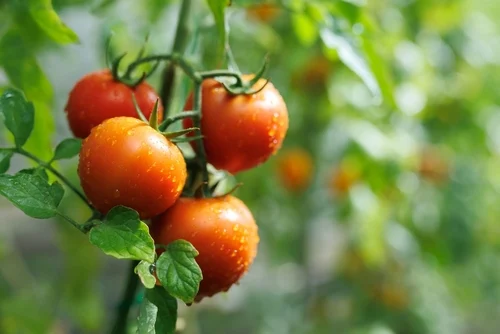
The rise of backyard poultry farming as a global trend has necessitated a deeper understanding of avian nutrition, particularly regarding the safety of common garden produce such as tomatoes. While chickens are often celebrated as natural foragers capable of consuming a wide variety of kitchen scraps, the inclusion of tomatoes in their diet is a subject of significant nuance due to the biological composition of the plant. As members of the Solanaceae family, commonly known as nightshades, tomato plants contain specific alkaloids that can be toxic to birds if ingested in improper forms or quantities. Consequently, poultry management experts emphasize a disciplined approach to feeding tomatoes, distinguishing between the hazardous green components of the plant and the beneficial nutrients found in the ripe fruit.
The Biological Profile of the Solanaceae Family
To understand the risks associated with tomatoes, one must examine the chemical defenses of the nightshade family. This botanical group includes not only tomatoes but also potatoes, peppers, and eggplants. These plants have evolved to produce secondary metabolites known as glycoalkaloids, which serve as natural pesticides to deter insects and fungi. The primary toxins of concern in this context are solanine and tomatine.
Solanine is a steroidal glycoalkaloid found throughout the nightshade family. It is a potent neurotoxin and gastrointestinal irritant. In poultry, solanine interferes with the nervous system by inhibiting cholinesterase, an enzyme essential for the breakdown of neurotransmitters. When this enzyme is suppressed, the bird’s nervous system can become overstimulated, leading to a range of physiological failures.

Tomatine, while similar, is more specific to the tomato plant. It is found in high concentrations in the leaves, stems, and green, unripe fruit. While some studies suggest tomatine is slightly less toxic than solanine, it remains a significant threat to avian health, particularly when consumed by smaller or younger birds whose metabolic systems are less equipped to process complex alkaloids.
Identifying the Toxicity Gradient in Tomato Plants
The distribution of toxins within a tomato plant is not uniform, creating a toxicity gradient that poultry owners must navigate. The highest concentrations of solanine and tomatine are found in the vegetative parts of the plant.
Stems and Leaves
The foliage and skeletal structure of the tomato plant are strictly off-limits for chickens. These parts contain the highest density of glycoalkaloids. In a typical garden setting, chickens may be tempted to peck at low-hanging leaves, but consistent ingestion can lead to acute poisoning. Agricultural experts recommend that tomato patches be fenced off or that spent plants be removed promptly from areas where chickens are allowed to range.
Unripe Green Fruit
Immature tomatoes contain high levels of tomatine to protect the developing seeds. As the fruit undergoes the ripening process, the concentration of these alkaloids naturally dissipates. Feeding "green" tomatoes—those that are physiologically immature rather than specific green-ripening heirloom varieties—poses a direct risk of tomatine poisoning.

Ripe Fruit
Once a tomato reaches full maturity, the levels of solanine and tomatine drop to negligible amounts that are generally considered safe for healthy adult chickens. However, even ripe fruit must be offered with caution, as the plant’s "green bits," such as the calyx (the green leafy top) and the stem attachment, should be removed before feeding.
Clinical Manifestations of Glycoalkaloid Poisoning
The impact of solanine and tomatine on a chicken’s physiology is profound and can manifest in several ways depending on the dosage and the bird’s overall health. Understanding these symptoms is critical for early intervention.
Symptoms of Solanine Poisoning
Solanine poisoning often presents as a systemic failure. Owners may observe a slowed pulse or respiratory distress as the toxin affects the autonomic nervous system. Gastrointestinal distress is also common, characterized by severe diarrhea and abdominal pain. In advanced cases, the bird may experience a drop in body temperature (hypothermia) and may exhibit lethargy or paralysis before succumbing to the toxin.
Symptoms of Tomatine Poisoning
Tomatine poisoning is primarily localized to the digestive tract but can still be debilitating. Common signs include nausea, visible cramping, and persistent diarrhea. While rarely fatal in isolation for a healthy adult bird, the resulting dehydration and nutrient malabsorption can lead to secondary health issues, such as a drop in egg production or increased susceptibility to environmental pathogens.

Nutritional Benefits and the "10 Percent Rule"
Despite the risks associated with the plant’s green parts, ripe tomatoes are a nutrient-dense supplement for poultry when managed correctly. They are rich in several key components that support avian longevity and productivity.
- Antioxidants and Carotenoids: Tomatoes are a primary source of lycopene and beta-carotene. These antioxidants help neutralize free radicals in the bird’s body, supporting the immune system. Furthermore, carotenoids are essential for the pigmentation of egg yolks, often resulting in the deep orange color prized by backyard egg producers.
- Vitamins A, C, and K: Vitamin A is vital for respiratory and reproductive health, while Vitamin C acts as a stress-reducer, particularly during heat waves. Vitamin K plays a crucial role in bone mineralization and blood clotting.
- Potassium: This essential mineral aids in maintaining fluid balance and muscle function, which is particularly important for active, free-ranging hens.
To reap these benefits without compromising safety, the "10 Percent Rule" of poultry nutrition must be applied. This rule dictates that treats—defined as anything other than a balanced commercial poultry feed—should not exceed 10% of a chicken’s total daily caloric intake. For an average hen, this translates to roughly one to two tablespoons of ripe tomato per day. Overfeeding tomatoes can lead to an imbalance in the diet, as they lack the necessary protein and calcium concentrations found in formulated pellets or mash.
Vulnerable Populations: Chicks and Compromised Birds
A critical distinction in poultry management is the age and health status of the flock. While a healthy adult hen might tolerate a small amount of dietary indiscretion, certain birds are at much higher risk.
Chicks should never be fed tomatoes or any nightshade products. Their digestive systems are in a state of rapid development, and their internal organs are too small to filter out even trace amounts of glycoalkaloids. Furthermore, chicks require a very specific protein-to-fat ratio for skeletal growth; introducing watery, acidic treats like tomatoes can lead to "pasty butt" or other digestive blockages that are often fatal in the brooder.

Similarly, senior birds or those recovering from illness (such as respiratory infections or egg yolk peritonitis) should be kept on a strict diet of high-quality layer feed. The stress of processing plant toxins can divert energy away from the immune response, hindering recovery.
Chronology of Seasonal Management
Effective flock management follows the lifecycle of the garden. A chronological approach to tomato safety ensures that risks are mitigated year-round.
- Spring (Planting Season): As seedlings are started, they must be kept in protected areas. Young tomato starts are tender and highly attractive to chickens but contain concentrated toxins.
- Summer (Growing and Harvest): This is the period of highest risk. Fencing is essential to prevent chickens from stripping the leaves. Owners should hand-pick ripe tomatoes for the flock rather than allowing birds to forage in the patch.
- Late Autumn (Garden Cleanup): When the first frost hits, tomato plants die back, but the toxins remain in the wilted foliage. It is imperative to remove and compost these plants in an area inaccessible to the birds.
Expert Analysis and Broader Implications
The debate over tomatoes in poultry diets reflects a broader shift in the agricultural community toward "natural" or "homestead" feeding models. While the desire to reduce food waste is commendable, avian veterinarians warn against the "trash can" mentality.
Data from agricultural extensions suggest that a significant percentage of backyard poultry deaths attributed to "unknown causes" may actually be linked to the ingestion of toxic garden plants or moldy scraps. The implication for the modern poultry keeper is clear: dietary management must be as rigorous as predator protection.

From an economic perspective, maintaining a healthy flock through disciplined feeding reduces veterinary costs and ensures a stable supply of eggs. While tomatoes can be a valuable tool for hydration and vitamin supplementation during the summer months, they must be viewed as a high-value, high-risk supplement rather than a dietary staple.
In conclusion, chickens can safely enjoy the nutritional bounty of tomatoes provided that owners adhere to strict safety protocols. By excluding green fruit, leaves, and stems, and by limiting intake to ripe fruit in moderation, poultry keepers can enhance their birds’ health while avoiding the neurological and gastrointestinal pitfalls of glycoalkaloid poisoning. The key to a thriving backyard flock lies in the balance between the variety of the garden and the precision of scientific nutrition.
