
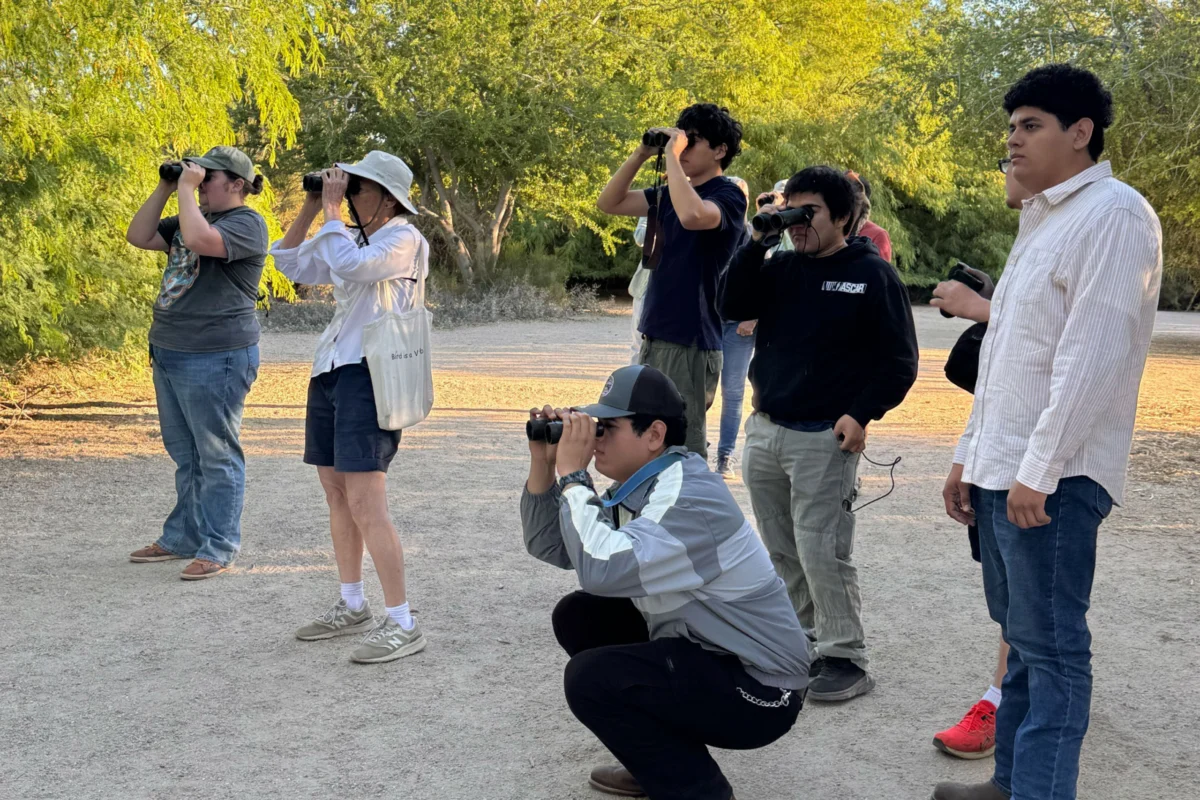
PHOENIX, AZ – In a significant demonstration of regional collaboration and commitment to avian conservation, more than fifty chapter members representing nine of the twelve independent chapters within the Audubon Southwest region recently convened in Phoenix for their biannual gathering, held from April 2-4. This pivotal meeting served as a forum for strategic planning, knowledge sharing, and fostering stronger ties among the grassroots conservation efforts spanning Arizona and New Mexico. The gathering highlighted a renewed focus on National Audubon Society’s overarching Flight Plan, innovative conservation strategies such as the Audubon Conservation Ranching Program, and critical initiatives aimed at increasing membership diversity and youth engagement.
The Audubon Southwest region, a vital component of the National Audubon Society, oversees and supports independent chapters dedicated to protecting birds and the places they need, today and tomorrow. These chapters operate at the local level, addressing specific environmental challenges and engaging communities directly in conservation efforts. The diverse ecosystems of Arizona and New Mexico, ranging from arid deserts and sky islands to vital riparian corridors and vast grasslands, support an extraordinary array of bird species, many of which face increasing threats from climate change, habitat degradation, and water scarcity. The biannual meeting provides a crucial platform for these chapters to align their efforts with broader regional and national conservation goals, ensuring a cohesive and impactful approach to protecting the unique biodiversity of the American Southwest.
The 2026 Joint State Chapter Gathering: A Hub for Collaboration and Innovation
The recent gathering in Phoenix underscored the dynamic spirit and dedication of Audubon’s volunteer network. The event facilitated robust discussions, rekindled old friendships, and forged new connections, particularly with representatives from the newest campus chapter at Arizona Western College (AWC) in Yuma. Their participation marked a significant step in Audubon’s ongoing efforts to engage younger generations and diversify its membership base, bringing fresh perspectives and energy to the movement.
The agenda for the three-day meeting was packed with insightful presentations and interactive workshops designed to equip chapter leaders with the tools and knowledge necessary for effective conservation action. Key presentations included a deep dive into National Audubon’s ambitious Flight Plan, which outlines strategic priorities for bird conservation across the continent. This plan emphasizes protecting priority bird species through habitat restoration, policy advocacy, and community engagement, with a strong focus on addressing the impacts of climate change. For the Southwest, this translates into urgent action on water conservation, protecting migratory pathways, and restoring crucial riparian habitats that serve as lifelines for countless species.
Another cornerstone presentation focused on the Audubon Conservation Ranching Program (ACR). This innovative, market-based approach works with ranchers to implement bird-friendly land management practices on their properties. In a region where vast landscapes are dedicated to ranching, ACR plays a critical role in preserving and enhancing grassland bird habitats, which are among the most imperiled ecosystems globally. By certifying ranches that meet specific bird-friendly criteria, Audubon helps consumers make informed choices that support both sustainable agriculture and wildlife conservation. The program also provides technical assistance and financial incentives to ranchers, fostering a collaborative model that benefits both ecological health and economic viability. Discussions during the gathering centered on how Southwest chapters could expand the reach and impact of ACR within their respective states, particularly in areas critical for species like the Lesser Prairie-Chicken and various sparrows.
Further presentations covered the power of storytelling as a tool for elevating conservation action. Effective communication is paramount in building public awareness, garnering support for policy initiatives, and inspiring individual action. Chapters explored techniques for crafting compelling narratives that resonate with diverse audiences, transforming scientific data into relatable stories of birds, habitats, and the communities that depend on them. This session emphasized the importance of local voices in advocating for regional conservation priorities and translating national goals into tangible local impacts.
A critical focus area was strategies for increasing membership and diversity. Recognizing the need to expand its reach and ensure its relevance for future generations, Audubon is actively working to attract a broader demographic of members, including younger individuals and communities of color. Break-out groups delved into practical approaches for fundraising, developing innovative local conservation activities, and fostering the growth of campus chapters like the one at AWC. These discussions highlighted the importance of inclusivity and creating welcoming environments for all who share a passion for birds and nature.
A memorable highlight of the gathering was the Saturday birding excursions, which offered participants a chance to experience the rich avian diversity of central Arizona firsthand. The team that visited the Gilbert Riparian Preserve tallied an impressive 47 species, a testament to the ecological value of these vital urban oases. The excursion also yielded an unexpected, yet endearing, discovery: a wayward rooster, affectionately dubbed "Gilbert," who quickly became the unofficial mascot of the event. In a heartwarming gesture, a student from the Arizona Western College campus chapter adopted Gilbert, who is now reportedly settling in with his new "flock" in Yuma, symbolizing the unique connections forged between people and nature at these events. A student from AWC, who preferred to remain anonymous but was beaming with enthusiasm, reportedly stated, "Adopting Gilbert was such an unexpected joy. It truly captures the spirit of our new chapter – embracing the unexpected and bringing nature into our lives, even if it’s a rooster!"
Western Yellow-billed Cuckoo Surveying Internship: Nurturing Future Conservationists
Beyond the chapter gathering, Audubon Southwest is actively fostering the next generation of conservation professionals through programs like the Western Yellow-billed Cuckoo Survey Certification Paid Internship Program. The Sonoran Audubon Society (SAS), one of the prominent chapters in the region, is currently recruiting recent college graduates and upper-level college students for the 2026 iteration of this vital program. Running from mid-June through mid-August 2026 (exact dates to be determined), the internship offers unparalleled hands-on experience in ornithological fieldwork.
Interns will accompany experienced Audubon biologists on established survey transects in central Arizona, contributing directly to the monitoring and conservation of the Western Yellow-billed Cuckoo (Coccyzus americanus occidentalis). This species is listed as federally threatened by the U.S. Fish and Wildlife Service, primarily due to severe habitat loss and degradation of its preferred riparian woodlands. These narrow strips of dense vegetation along rivers and streams are critical for the cuckoo’s breeding success and serve as important migratory stopovers for numerous other bird species. The surveys are crucial for understanding population trends, identifying critical breeding areas, and informing habitat restoration efforts.
"Our Western Yellow-billed Cuckoo internship is more than just a job; it’s an immersive learning experience that provides invaluable field skills and contributes directly to the recovery of a threatened species," remarked a spokesperson for the Sonoran Audubon Society, emphasizing the dual benefit for both conservation and career development. "We are committed to training the next generation of biologists and conservationists, and this program offers a unique opportunity to work alongside experts in some of Arizona’s most important riparian habitats."
Applicants for the paid internship are required to have reliable transportation, though carpooling options will be facilitated to support participation. This program exemplifies Audubon’s commitment to scientific research and applied conservation, translating data collection into actionable strategies for species protection.
Continental Divide Trail Days: Connecting Hikers with Avian Wonders
In New Mexico, the Bird Alliance of Southwestern New Mexico chapter is extending Audubon’s outreach to a different audience: outdoor enthusiasts and long-distance hikers. On April 24, the chapter will participate in the Continental Divide Trail Days Speaker Series in Silver City, a community recognized as a gateway to the iconic Continental Divide National Scenic Trail (CDT).
The CDT, often referred to as the "backbone of North America," stretches over 3,100 miles from Mexico to Canada, traversing some of the most remote and biologically diverse landscapes in the United States. It passes through five states, including a significant portion of New Mexico. The annual Continental Divide Trail Days event in Silver City celebrates the trail and its community, drawing hikers, outdoor enthusiasts, and local residents.
Brian Dolton, a highly regarded birder extraordinaire, will be the featured speaker for the Bird Alliance of Southwestern New Mexico. He will share fascinating insights into the diverse array of bird species that hikers and nature enthusiasts might encounter along the southern New Mexico section of the CDT. This segment of the trail traverses a variety of habitats, including Chihuahuan Desert grasslands, ponderosa pine forests, and high-elevation sky islands, each supporting a unique avian community. Hikers might spot raptors soaring overhead, various sparrows foraging in grasslands, or even rare species in remote mountain ranges.
"Our participation in Continental Divide Trail Days is a fantastic opportunity to connect with a passionate outdoor community and highlight the incredible birdlife along the CDT," stated a representative from the Bird Alliance of Southwestern New Mexico. "Brian Dolton’s expertise will not only enhance hikers’ trail experience but also raise awareness about the importance of protecting these wild spaces for both birds and people."
Providing information on bird identification, behavior, and the ecological significance of the habitats along the CDT encourages a deeper appreciation for the natural world and promotes responsible outdoor ethics. It also serves as an informal citizen science initiative, empowering hikers to become more observant and potentially contribute valuable data on bird sightings.
Broader Impact and Future Implications
The combined activities of Audubon Southwest, from the strategic biannual chapter gathering to specialized internships and public outreach events, underscore a comprehensive approach to conservation. The emphasis on regional collaboration ensures that local efforts are amplified by a broader network, tackling issues like habitat loss, water scarcity, and climate change with greater collective strength.
The focus on youth engagement, as exemplified by the Arizona Western College campus chapter and the Cuckoo internship, is critical for the long-term sustainability of conservation efforts. By inspiring and training future generations, Audubon is building a resilient movement capable of addressing evolving environmental challenges. Furthermore, initiatives to increase membership diversity reflect a broader understanding that effective conservation requires a multitude of voices, perspectives, and experiences.
The Audubon Conservation Ranching Program is a testament to the power of collaborative solutions, bridging the gap between agriculture and conservation. In a region where private lands play a significant role in habitat provision, such programs are indispensable for creating large-scale, sustainable impacts. Similarly, engaging diverse public audiences through events like Continental Divide Trail Days demonstrates the importance of making conservation accessible and relevant to everyone, from dedicated birders to casual hikers.
As the Southwest faces increasing pressures from climate change, including prolonged droughts and extreme heat, the work of Audubon chapters in Arizona and New Mexico becomes even more vital. Their efforts in habitat restoration, policy advocacy, scientific research, and community education are essential for protecting the region’s unique avian heritage and ensuring a healthy environment for both birds and people for generations to come. The success of these initiatives relies heavily on continued volunteer dedication, community support, and strategic partnerships, all of which were strongly reinforced during the recent Phoenix gathering.
