
The rising popularity of backyard chicken keeping has led to an increased interest in sustainable feeding practices, particularly the repurposing of kitchen scraps. Among the most common household staples are various types of potatoes, yet poultry nutritionists and agricultural experts warn that not all tubers are created equal. While sweet potatoes and yams offer significant nutritional benefits to a flock, the common white potato poses a potential toxicological risk due to the presence of solanine, a naturally occurring glycoalkaloid. Understanding the botanical distinctions between these plants is essential for maintaining flock health and ensuring optimal egg production.

The Botanical Distinction and Nutritional Profiles
To understand the safety of feeding potatoes to chickens, one must first recognize that white potatoes, sweet potatoes, and yams belong to entirely different botanical families. Despite their similar culinary uses, their chemical compositions vary significantly.
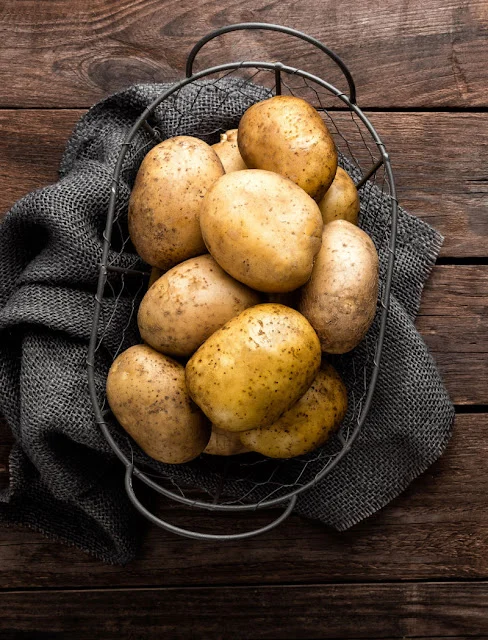
The common white potato (Solanum tuberosum), including red, yellow, and Russet varieties, is a member of the Solanaceae, or nightshade, family. This family also includes tomatoes, eggplants, and peppers. The defining characteristic of the nightshade family is the production of alkaloids, specifically solanine, which serves as a natural pesticide for the plant.

In contrast, the sweet potato (Ipomoea batatas) belongs to the Convolvulaceae family, commonly known as the morning glory family. Unlike nightshades, sweet potatoes do not produce solanine. They are rich in beta-carotene, vitamins, and minerals, making them a "superfood" for both humans and poultry.
True yams (Dioscorea) are part of the Dioscoreaceae family. While they are often confused with sweet potatoes in North American markets, they are genetically distinct and more closely related to lilies and grasses. Yams are generally safe for poultry but require specific preparation to neutralize anti-nutritional factors.

The Risks of Solanine in White Potatoes
The primary concern with feeding white potatoes to chickens is solanine poisoning. Solanine is a neurotoxin that the plant concentrates in its green skin, eyes (sprouts), stems, and leaves. Even the flesh of the potato contains trace amounts of the toxin.
Agricultural data suggests that solanine levels increase significantly when potatoes are exposed to light, a process known as "greening." For a chicken, which has a much smaller body mass than a human or larger livestock, even moderate amounts of solanine can lead to adverse health effects. The symptoms of solanine toxicity in poultry include:

- Gastrointestinal Distress: Severe diarrhea, loss of appetite, and crop stasis.
- Neurological Impairment: Lethargy, paralysis, or loss of coordination.
- Respiratory Issues: Labored breathing or respiratory distress.
- Organ Damage: Chronic exposure can lead to the accumulation of toxins in the liver and kidneys.
A common misconception among hobbyists is that boiling white potatoes renders them safe. However, chemical analysis shows that while high-heat frying or baking (above 400 degrees Fahrenheit) may reduce solanine levels, boiling has a negligible effect on the toxin’s stability. Consequently, even cooked white potato scraps can harbor enough solanine to impact a bird’s long-term health. While a single feeding might not be fatal, toxins can accumulate in the body, leading to "invisible" damage that manifests as reduced egg production or a weakened immune system.
Sweet Potatoes: A Nutritional Powerhouse for Poultry
Veterinary experts frequently recommend sweet potatoes as a safe alternative for supplemental feeding. Because they lack solanine, every part of the sweet potato plant—including the vines, leaves, and peels—can be fed to chickens raw or cooked.

The nutritional density of sweet potatoes provides several key benefits for laying hens:
- Vitamin A: Essential for vision, growth, and the integrity of mucous membranes.
- Vitamin C: An antioxidant that helps birds manage heat stress and supports immune function.
- Vitamin B6: Vital for amino acid metabolism and neurological health.
- Potassium and Manganese: Minerals necessary for bone strength and the formation of sturdy eggshells.
- Fiber: Aids in digestive health and maintains a healthy gut microbiome.
Furthermore, sweet potatoes are lower in carbohydrates and calories compared to white potatoes, reducing the risk of obesity in the flock. Obesity in hens is a leading cause of "fatty liver hemorrhagic syndrome," a condition that can result in sudden death.

The Complexity of Yams and Oxalic Acid
While true yams are safe for chickens, they carry their own set of precautions. Raw yams contain various plant proteins that can be difficult for chickens to digest and may even be mildly toxic in their uncooked state. Therefore, yams should always be peeled and thoroughly cooked before being offered to a flock.
Another factor to consider is the presence of oxalic acid in yams. Similar to spinach and beet greens, yams contain oxalates which can bind to calcium in the digestive tract. If fed in excessive quantities, this can interfere with calcium absorption, leading to soft-shelled eggs or metabolic bone disease in high-producing layers. When fed in moderation and properly prepared, however, yams contribute beneficial fiber and potassium to a bird’s diet.

The Chronology of Dietary Management in Poultry
The shift toward a more cautious approach to feeding kitchen scraps has evolved over the last several decades. Historically, farm chickens were often fed "slop" or whatever refuse was available. However, as the science of avian nutrition has advanced, researchers have identified clear links between specific toxins and mortality rates in small-scale flocks.
- Mid-20th Century: General practice involved feeding all table scraps to chickens with little regard for botanical families.
- 1980s-1990s: Increased veterinary reporting of solanine poisoning in livestock led to stricter guidelines for commercial poultry feed.
- 2000s-Present: The backyard poultry movement has necessitated better education for non-commercial keepers. Digital platforms and agricultural extensions now emphasize the "10% Rule"—the principle that treats and scraps should never exceed 10% of a chicken’s total daily caloric intake.
Guidelines for Safe Supplemental Feeding
For poultry keepers looking to incorporate potatoes or other vegetables into their flock’s diet, experts suggest a disciplined approach to waste management:

- Identify the Tuber: Ensure the scraps are from the morning glory family (sweet potatoes) rather than the nightshade family (white potatoes).
- Inspect for Mold: Regardless of the type of potato, moldy food should never be fed to chickens. Mycotoxins produced by mold can be rapidly fatal to birds.
- Preparation Matters: While sweet potatoes can be fed raw, yams must be cooked. If a keeper insists on feeding white potatoes, they must be fully ripe, peeled, and baked at high temperatures to minimize risk.
- Portion Control: A standard hen requires approximately 120 grams of balanced feed per day. Scraps should be limited to roughly one tablespoon per bird to ensure they do not skip their nutritionally complete layer pellets.
Broader Implications for Flock Health and Sustainability
The debate over feeding potatoes to chickens touches on broader themes of agricultural sustainability and animal welfare. Utilizing kitchen waste reduces the environmental impact of landfills and lowers the cost of maintaining a backyard flock. However, sustainability must be balanced with the physiological needs of the animals.
Poultry are efficient upcyclers of nutrients, but their digestive systems are sensitive to chemical imbalances. A diet high in solanine or oxalates can lead to a "thrifty" phenotype where the bird survives but fails to thrive, resulting in lower quality eggs and a shorter lifespan. By choosing sweet potatoes over white potatoes, keepers can enhance the nutrient profile of the eggs they harvest, as the vitamins consumed by the hen are often passed into the yolk.

Conclusion
The question of whether chickens can eat potatoes is one that requires a nuanced understanding of botany and toxicology. While the white potato is a staple of the human diet, its membership in the nightshade family makes it a risky choice for avian consumption. The potential for solanine poisoning, while not always immediate or fatal, poses a significant threat to the long-term vitality of a flock.
Conversely, the sweet potato stands out as a safe, highly nutritious, and versatile supplement that supports various aspects of poultry health, from immune response to eggshell quality. Yams, while safe if cooked, require more careful management due to their oxalate content. By adhering to scientific guidelines and prioritizing the use of sweet potatoes, backyard poultry enthusiasts can ensure their birds remain healthy, productive, and well-nourished. As the agricultural community continues to bridge the gap between traditional farming and modern nutritional science, the health of the backyard flock remains dependent on the informed choices of the keeper.
