
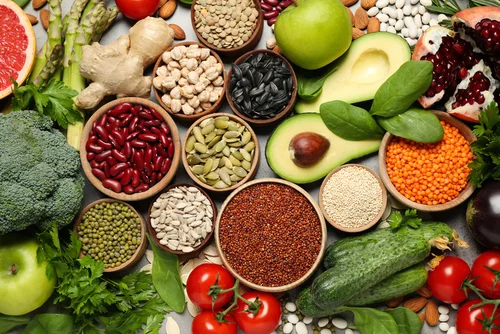
The practice of raising backyard poultry has seen a significant resurgence across North America and Europe over the last decade, transitioning from a rural necessity to a popular urban and suburban hobby. While chickens are biologically classified as omnivores and are often celebrated for their ability to eliminate household food waste, veterinary experts and agricultural scientists warn that their digestive systems are not equivalent to industrial garbage disposals. Understanding the specific nutritional requirements and the potential lethality of common household scraps is essential for maintaining a healthy, productive flock.

As avian health becomes a focal point for millions of new poultry owners, the distinction between "edible" and "safe" has become a critical area of study. Organizations such as the Merck Veterinary Manual and various university agricultural extension services have identified a range of common foods that contain naturally occurring toxins which can lead to illness, reduced egg production, or sudden mortality in birds.

The Rise of Backyard Poultry and Waste Management
The contemporary shift toward self-sufficiency and organic food production has positioned chickens as a centerpiece of the modern homestead. Beyond the production of fresh eggs, chickens provide secondary benefits including natural pest control, weed management, and the generation of high-nitrogen manure for garden fertilization. Perhaps most appealing to the environmentally conscious homeowner is the chicken’s role in a circular food economy.

Historically, farmstead chickens were fed a combination of foraged insects, grains, and kitchen scraps. However, modern culinary habits involve a wider variety of processed and exotic foods that were not present in the traditional farm environment. This evolution in the human diet necessitates a more rigorous screening process for the scraps that enter the poultry coop. Experts suggest that while chickens are opportunistic feeders, their diet should primarily consist of high-quality poultry feed, with supplemental treats comprising no more than 10 percent of their total caloric intake.

Identification of High-Risk Toxic Substances
The most dangerous dietary hazards for chickens are those containing specific chemical compounds that the avian metabolism cannot process. According to veterinary toxicologists, several common fruits and vegetables contain defense mechanisms that, while often harmless to humans in small quantities, can be catastrophic for birds.

Persin and the Avocado Risk
One of the most potent threats to avian health is persin, a fungicidal toxin present in the avocado tree. Persin is found in the fruit’s flesh, pits, and skin, as well as the leaves and bark of the tree. The Merck Veterinary Manual notes that ingestion of avocado has been directly associated with myocardial necrosis—the premature death of heart muscle cells—in various bird species. For a small bird, consuming even 5 percent of an avocado can lead to death within 48 hours. Symptoms of persin poisoning in poultry include respiratory distress, increased heart rate, and sudden collapse.
.jpg)
Solanine in Nightshade Plants
The Solanaceae family, commonly known as nightshades, includes potatoes, tomatoes, eggplants, and peppers. These plants produce solanine, a glycoalkaloid poison that acts as a natural pesticide. In white potatoes, solanine is concentrated in the skins, "eyes," and any green portions of the tuber. Unlike some other toxins, solanine is not consistently neutralized by boiling, meaning that even cooked potato peels can remain hazardous. Solanine poisoning in chickens manifests as diarrhea, heart failure, and the destruction of red blood cells, leading to severe anemia.

While ripe tomatoes and peppers contain significantly lower levels of solanine and are generally considered safe in moderation, the green portions of the plants—the stems, leaves, and unripe fruit—should be strictly avoided. The toxin levels decrease as the fruit ripens, but the vegetative parts of the plant remain high-risk throughout the growing season.

Cyanide in Pits and Seeds
Many popular stone fruits, including peaches, plums, apricots, and cherries, as well as apples, contain trace amounts of cyanide-producing compounds in their seeds or pits. Cyanide is a rapid-acting toxin that interferes with the body’s ability to use oxygen at a cellular level. In poultry, cyanide poisoning can cause a "bluish" tint to the comb and wattles, respiratory failure, and cardiac arrest. While the flesh of these fruits is safe and nutritious, poultry owners are advised to core or pit the fruit before offering it to their flock.

Chemical Hazards in Processed Foods and Legumes
The danger to backyard flocks extends beyond fresh produce to include dry goods and stimulants commonly found in human kitchens.

Phytohaemagglutinin in Raw Beans
Raw or undercooked dried beans, particularly kidney beans, contain a lectin known as phytohaemagglutinin. This compound is toxic to most mammals and birds. In chickens, the consumption of as few as three or four raw beans can be fatal. The toxin causes severe gastric distress and can lead to rapid death. To make dried beans safe for poultry, they must be soaked for several hours and then boiled at high temperatures to neutralize the lectin. Conversely, sprouted legumes and canned beans are typically safe, as the sprouting or canning process reduces the toxin to negligible levels.

Methylxanthines in Caffeine and Chocolate
Caffeine and theobromine, both members of the methylxanthine chemical family, are found in coffee, tea, and chocolate. These substances act as powerful stimulants that the avian heart is not equipped to handle. Ingestion can lead to heart arrhythmias, seizures, and sudden cardiac failure. Poultry owners are cautioned to ensure that compost piles containing coffee grounds or tea bags are secured from foraging birds.

Thiosulphate in Onions
Onions contain thiosulphate, a compound that can cause hemolytic anemia in chickens by destroying red blood cells. While garlic is a member of the same Allium family, it contains significantly lower levels of thiosulphate and is generally regarded as a beneficial supplement when used in controlled amounts. Onions, however, present a cumulative risk; even if they do not cause immediate death, consistent exposure can weaken the bird’s immune system and affect the flavor of the eggs produced.

Nutritional Imbalances and Secondary Health Risks
Not all prohibited foods are "toxic" in the sense of containing poison; some are dangerous because of their physiological impact on the bird’s ability to absorb nutrients or maintain organ function.

- Oxalic Acid Interference: Foods high in oxalic acid, such as rhubarb and spinach, can interfere with calcium absorption. Since calcium is the primary component of eggshells, an excess of oxalic acid can lead to "rubber eggs" (soft-shelled eggs) and can eventually deplete the bird’s bone density.
- Sodium and Sugar Levels: Highly processed "junk foods," including salty snacks and sugary desserts, can lead to obesity and kidney damage. Chickens have a very low tolerance for salt; excessive intake can lead to salt poisoning and dehydration.
- The Dairy Paradox: While chickens often enjoy yogurt or cheese, they lack the enzymes necessary to digest lactose efficiently. Excessive dairy consumption can lead to severe diarrhea and digestive tract inflammation.
Broader Implications for the Poultry Industry and Environment
The management of backyard poultry nutrition has broader implications for public health and environmental safety. The use of chemical pesticides and herbicides on lawns where chickens forage is a significant concern for the "One Health" initiative, which recognizes the link between animal health, human health, and the environment. Chemicals ingested by chickens can be sequestered in their fatty tissues and passed into the eggs consumed by humans.

Furthermore, the rise of the "backyard chicken" movement has prompted agricultural extension offices to expand their outreach. Dr. Michael Darre, a retired poultry specialist, has frequently emphasized that the health of a backyard flock is the first line of defense against larger avian disease outbreaks. Proper nutrition is the cornerstone of a robust immune system, enabling birds to resist common pathogens like Coccidiosis or Avian Influenza.

Chronology of Avian Dietary Research
The understanding of avian toxicology has evolved significantly over the last century. In the early 20th century, poultry nutrition was largely focused on maximize growth in meat birds and egg volume in layers using grain-heavy diets. By the 1970s, as avian medicine became a specialized field, researchers began identifying the specific metabolic pathways that made certain human foods dangerous to birds.

The 1990s saw a surge in research regarding mycotoxins—toxins produced by molds on grain—which led to stricter regulations in commercial feed production. In the last 15 years, the focus has shifted toward the "hobbyist" sector, as veterinarians noticed a rise in "lifestyle diseases" in backyard chickens, such as fatty liver hemorrhagic syndrome, often caused by an overabundance of high-calorie, low-nutrient treats.

Expert Recommendations for Flock Management
To ensure the longevity and productivity of a backyard flock, agricultural experts recommend a "safety-first" approach to supplemental feeding. A logical framework for scrap management includes:

- The 10% Rule: Treats should never displace the balanced nutrition found in commercial layer pellets.
- Source Verification: Only provide scraps that are free from mold and have not been treated with pesticides.
- The "When in Doubt" Protocol: If a food item appears on a toxic list or its safety is unknown, it should be relegated to the compost bin rather than the chicken run.
- Hydration Awareness: Avoid watery, low-nutrient foods like iceberg lettuce in large quantities, as they can cause diarrhea, though they may provide hydration benefits during extreme heat waves.
By adhering to these guidelines and recognizing that chickens are biologically distinct from humans and other domestic pets, poultry keepers can maintain a thriving environment. The goal of raising backyard chickens is often to return to a more natural way of living; however, in a world of complex food chemistry, a return to nature requires a modern understanding of science and safety. Feeding a wide variety of fresh vegetables, whole grains, and safe proteins in moderation will ensure that the backyard flock remains a healthy and rewarding component of the modern homestead.
