
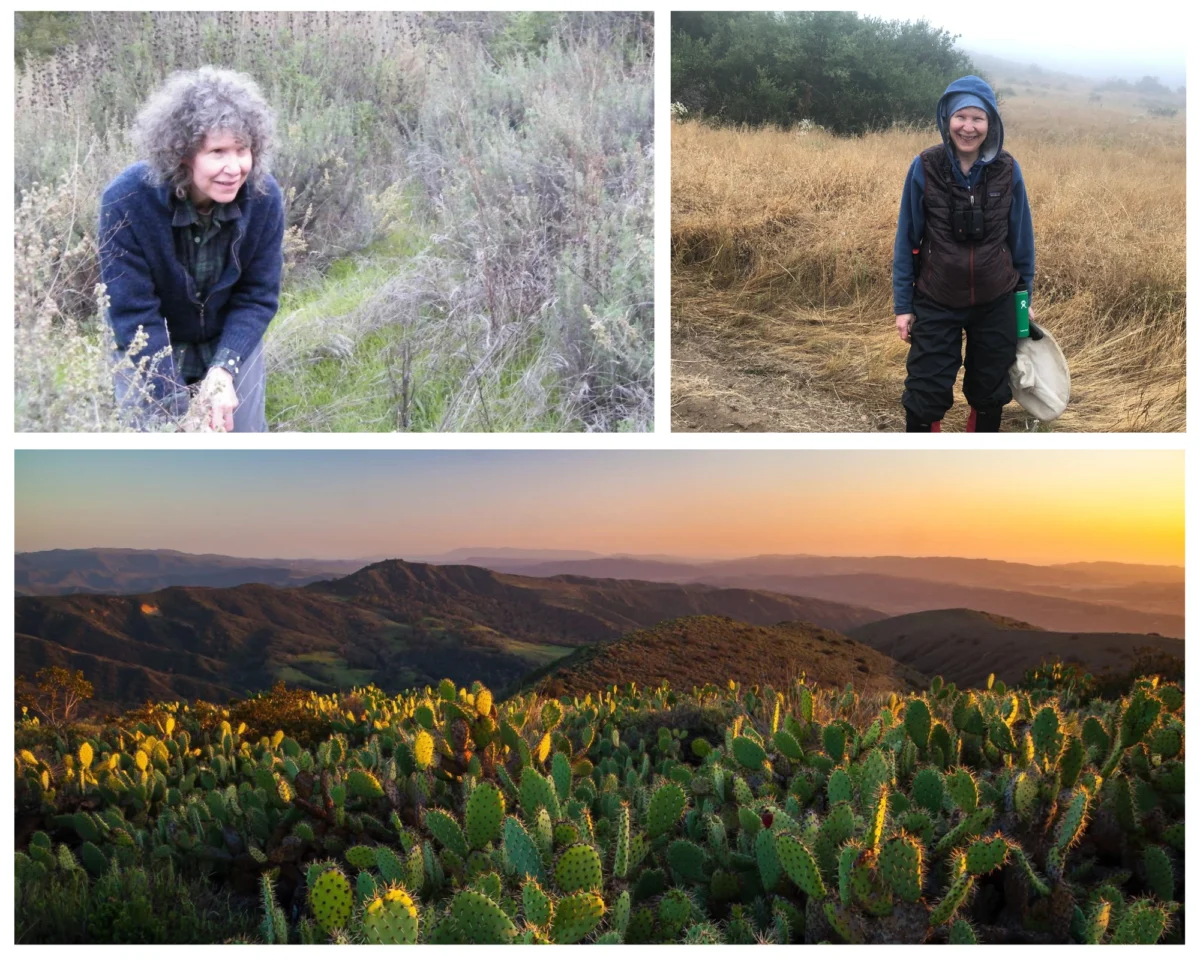
The conservation community mourns the loss of Dr. Sandy DeSimone, the revered Director of Research, Education, and Land Management at Starr Ranch Sanctuary, who recently passed away. Her departure leaves an immense void, but her three decades of unwavering commitment and profound passion for conservation have forged an indelible legacy of impact, touching countless lives and thousands of acres of critical habitat. Deepest sympathies are extended to her husband and Starr Ranch Manager, Pete DeSimone, during this exceptionally difficult time. Dr. DeSimone was not merely a director; she was the very heart of the 4,000-acre Audubon Sanctuary nestled in southeast Orange County, shaping its scientific endeavors, educational outreach, and ecological restoration efforts with visionary leadership and an unparalleled dedication to the natural world.
A Life Dedicated to the Wild Heart of Orange County
Dr. Sandy DeSimone’s connection to Starr Ranch was deeply rooted, beginning even before her official directorship. Her academic pursuits led her to the sanctuary, where she conducted her thesis and dissertation research focused on the critically important coastal sage scrub ecosystem. This unique habitat, native to California and Baja California, is characterized by drought-deciduous shrubs like California sagebrush (Artemisia californica), California buckwheat (Eriogonum fasciculatum), and various salvias (Salvia spp.). It is recognized as a globally imperiled habitat, crucial for a diverse array of flora and fauna, including numerous endemic species and several federally listed endangered species such as the California gnatcatcher (Polioptila californica) and the San Diego fairy shrimp (Branchinecta sandiegonensis). Her foundational research provided invaluable insights into the ecology and conservation needs of this fragile environment, laying the groundwork for her future stewardship. The significance of coastal sage scrub in Southern California cannot be overstated; it represents a biodiversity hotspot under constant threat from urban development, habitat fragmentation, and invasive species, making Starr Ranch’s role in its preservation even more critical.
In 1997, Dr. DeSimone transitioned from a dedicated researcher to the pivotal role of Director of Research, Education, and Land Management. This appointment marked the beginning of an extraordinary chapter for Starr Ranch. From that moment, she became the driving force behind the sanctuary’s mission, meticulously balancing the intricate demands of scientific inquiry, public engagement, and hands-on land stewardship. Her leadership transformed Starr Ranch into a beacon of conservation, renowned for its innovative approaches and its profound commitment to both ecological integrity and community involvement. The sanctuary, located in the foothills of the Santa Ana Mountains, serves as a vital wildlife corridor and an essential educational resource for one of the most densely populated regions in the United States.
Three Decades of Pioneering Conservation: A Chronology of Impact
Dr. DeSimone’s career at Starr Ranch can be chronicled through a series of significant achievements and steadfast dedication:
- Pre-1997: Foundational Research and Early Engagement: Her initial years at Starr Ranch were defined by intensive scientific study. Her thesis and dissertation research on coastal sage scrub provided a critical understanding of this ecosystem’s dynamics, preparing her for the complex challenges of managing such a vital habitat. This period established her as an expert in regional ecology and the specific environmental pressures facing Southern California’s unique landscapes, including the impacts of urbanization and climate variability.
- 1997: Ascending to Leadership and Programmatic Expansion: Her appointment as Director consolidated her influence, allowing her to implement her research findings directly into sanctuary management. This transition empowered her to bridge the gap between academic understanding and practical conservation, a hallmark of her career. Immediately, she began to expand the sanctuary’s reach.
- Post-1997: Holistic Sanctuary Development and Broader Influence:
- Educational Programs: Under her guidance, Starr Ranch developed and expanded popular education programs that brought the wonders of the natural world to thousands. These programs were meticulously crafted to be accessible and engaging for all ages, from kindergarteners learning about local wildlife to graduate students conducting advanced ecological studies, fostering a deep appreciation for local ecosystems.
- Scientific Research Partnerships: Dr. DeSimone was instrumental in forging robust partnerships with academic institutions like the University of California system and independent biologists. These collaborations facilitated long-term bird and wildlife research, contributing vital data to broader conservation efforts. Projects often included extensive bird banding operations to monitor avian populations, long-term studies on population dynamics of sensitive species, habitat connectivity assessments crucial for wildlife movement, and ecological responses to environmental changes, all critical for adaptive management strategies in a rapidly changing climate.
- Ecological Restoration Innovation: She introduced groundbreaking methodologies for ecological restoration and wildlife habitat management. Her approach was characterized by an emphasis on natural processes, such as native plant succession and fire ecology, and a keen understanding of ecosystem resilience in the face of anthropogenic pressures.
- Invasive Species Management: A recognized statewide authority on non-chemical invasive weed control, Dr. DeSimone championed innovative experiments to test and refine sustainable methods. Her work provided alternatives to conventional herbicide use, demonstrating effective, environmentally friendly strategies for combating species that threaten native biodiversity, such as perennial pepperweed (Lepidium latifolium) and various non-native annual grasses.
- Habitat Restoration: Her efforts directly led to the restoration of vast expanses of native grasslands and globally endangered coastal scrublands. These restored areas now serve as crucial refuges for native wildlife, enhancing biodiversity and ecological function within the sanctuary and beyond, creating pockets of ecological health amidst a highly developed landscape.
- Wider Influence and Replication: The "land management ethos" she developed at Starr Ranch, centered on sustainable, ecologically sound practices, was not confined to the sanctuary’s borders. It was successfully replicated on over 100,000 acres of habitat across Orange County and in other regions of Southern California, demonstrating the scalability and effectiveness of her pioneering work. This widespread adoption underscored the practical applicability and widespread recognition of her methods within the broader conservation community.
- Field Ecology Programs: Designed and personally led by Dr. DeSimone, these programs offered immersive experiences in the "mosaic of imperiled habitats" found at Starr Ranch. They served as a living laboratory, inspiring future generations of conservationists and instilling a sense of stewardship in community members through direct engagement with the environment.
Innovative Approaches to Ecological Restoration and Land Management
Dr. DeSimone’s impact on land management was particularly profound. California faces immense challenges from invasive species, which outcompete native flora, alter natural fire regimes, and disrupt delicate ecological balances. Historically, chemical herbicides have been a primary tool for managing these invaders, but their environmental drawbacks—potential harm to non-target species, water contamination, and human health concerns—are well documented. Dr. DeSimone recognized the urgent need for sustainable alternatives that aligned with Audubon’s broader conservation principles.
Her innovative experiments at Starr Ranch focused on non-chemical methods for controlling invasive weeds, a field where she became a recognized expert across the state. These methods included strategic manual removal, targeted mechanical treatments, competitive planting of fast-growing native species to outcompete invaders, and, where appropriate, controlled burns to mimic natural disturbance regimes that once shaped California’s landscapes. For instance, she tackled pervasive invasive species such as black mustard (Brassica nigra) and various non-native grasses like Bromus spp. (brome grasses) that choke out native wildflowers and grasses, which are crucial for pollinators, ground-nesting birds, and small mammals. By meticulously restoring native plant communities, she not only suppressed invasives but also enhanced the overall resilience and biodiversity of the ecosystem.
The restoration of large swaths of grasslands and globally endangered coastal scrublands stands as a testament to her vision and perseverance. Coastal sage scrub, in particular, is one of the most threatened plant communities in North America, with an estimated 70-90% lost to urban development since European settlement. Dr. DeSimone’s work at Starr Ranch provided a critical blueprint for how these degraded areas could be rehabilitated. Her "land management ethos" was comprehensive, integrating rigorous scientific research, adaptive management strategies that allowed for flexibility based on monitoring results, and long-term monitoring to assess effectiveness. This holistic approach, emphasizing ecosystem health and natural processes, proved remarkably effective. The fact that her methods were adopted across more than 100,000 acres—an area significantly larger than Starr Ranch itself—underscores the practical applicability and widespread recognition of her pioneering work within the conservation community of Southern California. This region, facing intense development pressure and habitat loss, relies heavily on such innovative strategies to preserve its remaining natural heritage and ecological functionality.
Nurturing Future Conservationists: Education and Mentorship
Beyond her direct ecological interventions, Dr. DeSimone possessed an extraordinary talent for inspiring and educating. The Field Ecology Programs she conceptualized and led were a cornerstone of Starr Ranch’s public outreach. These programs were meticulously designed to offer hands-on experiences, enabling participants to directly engage with the complex and beautiful "mosaic of imperiled habitats" at the sanctuary. From the intricate life cycles of local owls, such as the Western Screech-Owl (Megascops kennicottii), to the delicate balance of coastal scrub ecosystems, participants gained a tangible understanding of conservation challenges and solutions.
The breadth of these programs was remarkable, catering to an incredibly diverse audience. They provided rigorous mentorship for PhD students, guiding them through complex ecological research, experimental design, and data analysis, preparing them for advanced scientific careers. Simultaneously, she crafted engaging curricula for elementary-aged children, fostering an early love for nature through direct encounters with wildlife and habitats, often focusing on charismatic species that captured young imaginations. This dual focus highlights her belief in the power of education at all levels, recognizing that both scientific rigor and public awareness are essential for long-term conservation success.
Andrea Jones, Vice President of Audubon California, eloquently articulated Dr. DeSimone’s profound impact on the next generation of environmental stewards. "I had the privilege of working with Sandy for almost 20 years," Jones shared, "her love of Starr Ranch ran deep and influenced everyone around her. But Sandy’s greatest impact was on the hundreds of students and early career biologists that she mentored annually through her internship and field ecology programs. Sandy would often share with me letters and emails from past staff, many going on to get PhDs and work in conservation, while staying in touch and expressing deep appreciation for all she taught them. Her impact on so many early career biologists was immeasurable."
This testimonial underscores a critical aspect of Dr. DeSimone’s legacy: her role as a mentor. She didn’t just manage land; she cultivated human potential. Her programs provided invaluable real-world experience, bridging the gap between theoretical knowledge and practical application. Mentees learned directly from her expertise in field techniques, data collection protocols, species identification, and the nuances of adaptive land management. The ripple effect of this mentorship is profound, as countless individuals she guided are now contributing to conservation efforts in various capacities, from academic research to government agencies and non-profit organizations, carrying forward her principles and passion for environmental stewardship.
Official Tributes and Broader Recognition
The news of Dr. DeSimone’s passing resonated deeply within the Audubon community and the broader conservation network. Andrea Jones’s tribute captures the sentiment shared by many: a profound respect for her dedication and an acknowledgment of her unique ability to inspire. Other colleagues and partners echoed these sentiments. Dr. Sarah G. Allen, a prominent conservation biologist who collaborated with Starr Ranch on several research initiatives, noted, "Sandy was a rare blend of rigorous scientist and compassionate educator. Her ability to translate complex ecological principles into actionable conservation strategies, and then teach those strategies to others, was truly exceptional. Her work at Starr Ranch has served as a model for how local sanctuaries can have a global impact, demonstrating that effective, hands-on conservation is possible even in highly urbanized areas."
University partners, whose students benefited immensely from Starr Ranch’s research opportunities and Dr. DeSimone’s direct guidance, also expressed their sorrow and gratitude. Dr. Mark A. Smith, a professor of environmental studies at a nearby university, commented, "Starr Ranch, under Sandy’s leadership, was an indispensable field site for our students. She didn’t just provide access; she provided mentorship, challenging our emerging scientists to think critically, solve real-world ecological problems, and apply their knowledge in practical, impactful ways. Her passing is a significant loss not just for the sanctuary, but for the entire academic conservation pipeline in Southern California." Local conservation organizations in Orange County, many of whom have benefited from her land management philosophies and collaborative spirit, also conveyed their condolences, recognizing her as a foundational figure in regional environmental protection.
The recognition of Dr. DeSimone’s impact extended beyond professional circles into the public domain. The short film, "Nature’s Notebook: Help Our Planet in a Changing Climate," prominently featured her work, showcasing her innovative approaches to land management and her unwavering dedication to environmental education. Such a feature film serves not only as a poignant tribute but also as a powerful educational tool, disseminating her valuable lessons and inspiring a wider audience to engage with conservation. This public acknowledgment solidified her status as a true "conservation hero," whose efforts had tangible, measurable benefits for the environment and whose spirit ignited a passion for nature in others. All who knew her at Audubon California and beyond feel honored to have witnessed her work, humor, and intelligence, and acknowledge that she will be greatly missed.
Implications and The Road Ahead for Starr Ranch
The departure of Dr. Sandy DeSimone creates a significant void at Starr Ranch Sanctuary. Her three decades of leadership imbued the sanctuary with a unique institutional knowledge, a continuity of vision, and an unwavering commitment to its mission. Replacing a figure of her caliber—one who combined scientific expertise, administrative acumen, a profound ability to inspire, and a deep, personal connection to the land—will undoubtedly be a formidable challenge. The immediate implication is the need for a careful and thoughtful transition to ensure the seamless continuation of the vital research, education, and land management programs she so meticulously built and championed.
However, Dr. DeSimone’s legacy is robust and enduring, designed to persist beyond her lifetime. Her innovative land management ethos, which has already been replicated across over 100,000 acres, will continue to guide restoration efforts far beyond Starr Ranch’s boundaries, influencing conservation practices throughout Southern California. The native grasslands and coastal scrublands she meticulously restored stand as living monuments to her vision, providing essential habitat for countless species and demonstrating the power of ecological restoration. The scientific partnerships she fostered have established long-term data sets and research trajectories that will continue to yield valuable insights for conservation science, ensuring the sanctuary remains a hub for critical ecological study.
Perhaps her most profound and lasting impact lies in the hundreds of students and early career biologists she mentored. These individuals, now dispersed across the conservation landscape, carry forward her teachings, her scientific rigor, and her passion for environmental stewardship. They represent a living network of her influence, perpetuating her ideals and methods in their own careers, from field biologists to policy makers. Starr Ranch Sanctuary, therefore, remains a vibrant testament to her life’s work. The commitment to continue her pioneering research, robust education programs, and adaptive land management strategies will be paramount. Her work ensures that Starr Ranch will persist as a vital ecological preserve, a dynamic outdoor classroom, and a beacon of hope for conservation in Southern California and beyond, continuing to inspire and educate for generations to come. Her spirit will undoubtedly continue to guide the sanctuary she loved so deeply.
