
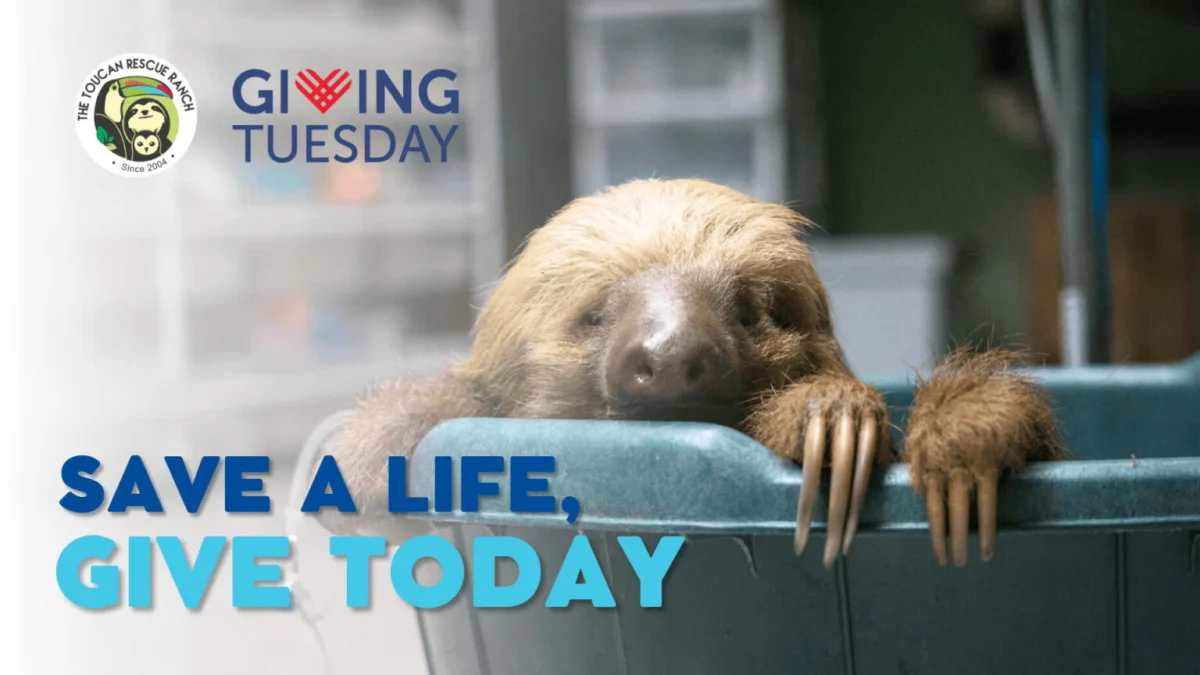
The Toucan Rescue Ranch, a prominent wildlife conservation organization based in Costa Rica, has officially launched its annual Giving Tuesday fundraising campaign, marking a critical juncture in its 20-year history. This year’s initiative arrives as the nonprofit grapples with a record-breaking influx of injured and orphaned animals, driven by an alarming rise in human-wildlife conflicts across the region. According to internal data released by the organization, the facility has already surpassed its total 2023 intake of 400 animals as of July 2024, placing it on a trajectory to record the highest number of wildlife emergencies since its founding two decades ago.
The organization, which operates as a donor-funded entity, specializes in the rescue, rehabilitation, and eventual release—or "rewilding"—of Costa Rica’s native species. The 2024 Giving Tuesday appeal seeks to raise $8,000 to bolster its medical and rehabilitative capacities. These funds are designated for the immediate care of a population that is increasingly dominated by vulnerable young animals; currently, 41.8% of the residents at the ranch are classified as orphans. This demographic shift necessitates specialized, long-term care and resource-intensive rewilding protocols to ensure that these animals can survive independently in the wild once they reach maturity.
The Global Context of Giving Tuesday and Conservation
Giving Tuesday, established in 2012 as a response to the consumer-centric traditions of Black Friday and Cyber Monday, has evolved into a global movement that mobilizes billions of dollars for charitable causes. For specialized conservation groups like the Toucan Rescue Ranch, this single day of international focus represents a vital financial pillar. Unlike larger international NGOs, small-scale operations often lack consistent government subsidies, making them entirely dependent on the fluctuating generosity of private donors and the success of digital fundraising cycles.
The timing of this year’s campaign is particularly significant given the broader environmental challenges facing Central America. As Costa Rica continues to expand its infrastructure to support a growing population and a robust tourism sector, the intersection between human development and wildlife habitats has become increasingly hazardous. The Toucan Rescue Ranch reports that the majority of their emergency cases are rooted in preventable human-induced incidents. These include electrocutions from uninsulated power lines, high-speed vehicle collisions on expanding highway networks, and the persistent issue of the illegal wildlife trade, where animals are removed from their natural environments to be sold as exotic pets.
A Statistical Overview of Rising Wildlife Emergencies
The data provided by the Toucan Rescue Ranch underscores a systemic shift in the pressure placed on wildlife rescue infrastructure. In 2023, the organization managed over 400 cases, a number that was considered a high watermark for the facility at the time. However, the 2024 mid-year report indicates that the demand for veterinary intervention has doubled. By reaching the 400-animal threshold before the end of the third quarter, the ranch is facing an operational strain that requires a significant scaling of its medical staff, food supplies, and enclosure space.
The high percentage of orphans—nearly 42% of the current intake—presents a unique set of challenges. Unlike adult animals that may require short-term surgery and recuperation, orphans often remain in the care of the ranch for months or even years. These animals require round-the-clock feeding, specialized nutritional formulas that mimic their mother’s milk, and a carefully managed socialization process that prevents habituation to humans. The goal of rewilding is to ensure that these creatures do not become dependent on human intervention, a process that is both time-consuming and costly.
The Anatomy of Human-Wildlife Conflict in Costa Rica
The surge in emergencies can be traced to several key factors that have intensified over the last decade. Professional analysis of the ranch’s intake records reveals three primary "conflict zones" that contribute to the rising numbers:
- Electrocutions: As urban sprawl reaches further into forested areas, monkeys, sloths, and climbing birds frequently use power lines as "aerial bridges" to navigate fragmented habitats. Without proper insulation, these lines cause catastrophic burns and internal injuries.
- Road Mortality: Increased traffic and the expansion of rural roads have led to a rise in vehicle strikes. Species such as anteaters, sloths, and various wild cats are particularly vulnerable when attempting to cross roads that bisect their territories.
- The Illegal Pet Trade: Despite strict environmental laws in Costa Rica, the poaching of young birds and primates for the domestic and international pet trade remains a persistent threat. Animals confiscated from the trade often arrive at the ranch with severe psychological trauma and nutritional deficiencies.
"Every case we see is a reflection of the challenges our wildlife faces in a modernizing world," a spokesperson for the ranch stated. "Twenty years ago, we were a small bird rescue. Today, we are a high-volume trauma center for biodiversity. Our commitment has stayed the same, but the scale of the crisis has changed."
The Rewilding Mission: Beyond Rescue
At the heart of the Toucan Rescue Ranch’s philosophy is the concept of rewilding. While many sanctuaries provide permanent homes for displaced animals, the ranch prioritizes the return of every healthy individual to its natural habitat. This process is divided into several rigorous stages:
- Emergency Stabilization: Immediate veterinary care, including surgery, wound management, and diagnostic imaging.
- Rehabilitation: A period of recovery where animals regain strength and mobility in controlled environments.
- Pre-Release Assessment: Animals are moved to larger enclosures that simulate their natural environment, where their ability to hunt, forage, and interact with conspecifics is monitored.
- Release and Post-Release Monitoring: The final transition back to the wild, often involving tracking technology to ensure the animal successfully reintegrates into the ecosystem.
The $8,000 fundraising goal for this Giving Tuesday is specifically tailored to support these stages. For example, a donation of $100 can cover the cost of specialized medicine for a month, while smaller contributions of $10 or $25 are directed toward the high-protein diets required for growing orphans.
Institutional Resilience and Future Implications
The 20-year history of the Toucan Rescue Ranch serves as a testament to the resilience of grassroots conservation. What began as a focused effort to protect toucans has expanded into a multi-species facility that serves as a critical component of Costa Rica’s environmental protection framework. The ranch’s work in research and education further amplifies its impact, providing data to government agencies on where "hotspots" of wildlife electrocution occur, which can then lead to the installation of wildlife bridges and insulated wiring.
However, the current trend of rising emergencies suggests that rescue alone is not a sustainable long-term solution. Conservation experts argue that while facilities like the Toucan Rescue Ranch are essential for treating the "symptoms" of habitat encroachment, broader policy changes are needed to address the root causes. The data gathered by the ranch—showing record numbers of intakes—provides the empirical evidence needed to lobby for safer infrastructure and stricter enforcement of wildlife protection laws.
Broader Environmental and Economic Impact
The health of Costa Rica’s wildlife is inextricably linked to the nation’s economic stability. As a global leader in ecotourism, Costa Rica relies on its reputation as a haven for biodiversity to attract millions of visitors annually. The loss of iconic species like the sloth, the scarlet macaw, or the spider monkey would represent not only an ecological disaster but a significant blow to the national economy. By rescuing and rewilding these animals, the Toucan Rescue Ranch plays a direct role in maintaining the biological assets that drive the country’s tourism industry.
Furthermore, the ranch’s focus on education ensures that the next generation of Costa Ricans and international visitors understands the importance of coexistence. Through outreach programs, the organization teaches local communities how to respond to wildlife sightings and the dangers of keeping wild animals as pets.
Conclusion and Call to Action
As Giving Tuesday approaches, the Toucan Rescue Ranch stands as a frontline defender of Costa Rica’s natural heritage. The unprecedented demand for its services in 2024 has created a financial gap that must be bridged to maintain the high standard of care required for successful rewilding. The organization emphasizes that all donations are tax-deductible, providing an incentive for international supporters to contribute to this localized but globally significant mission.
The success of the $8,000 campaign will determine the ranch’s ability to navigate the remainder of its busiest year on record. With nearly half of its residents being orphans, the stakes for the future of Costa Rica’s wildlife have never been higher. By supporting the ranch, donors are not merely funding a medical facility; they are investing in the continued vitality of one of the world’s most biodiverse regions. The Toucan Rescue Ranch remains committed to giving a voice to the voiceless, ensuring that the wildlife of Costa Rica can continue to thrive for generations to come.
