
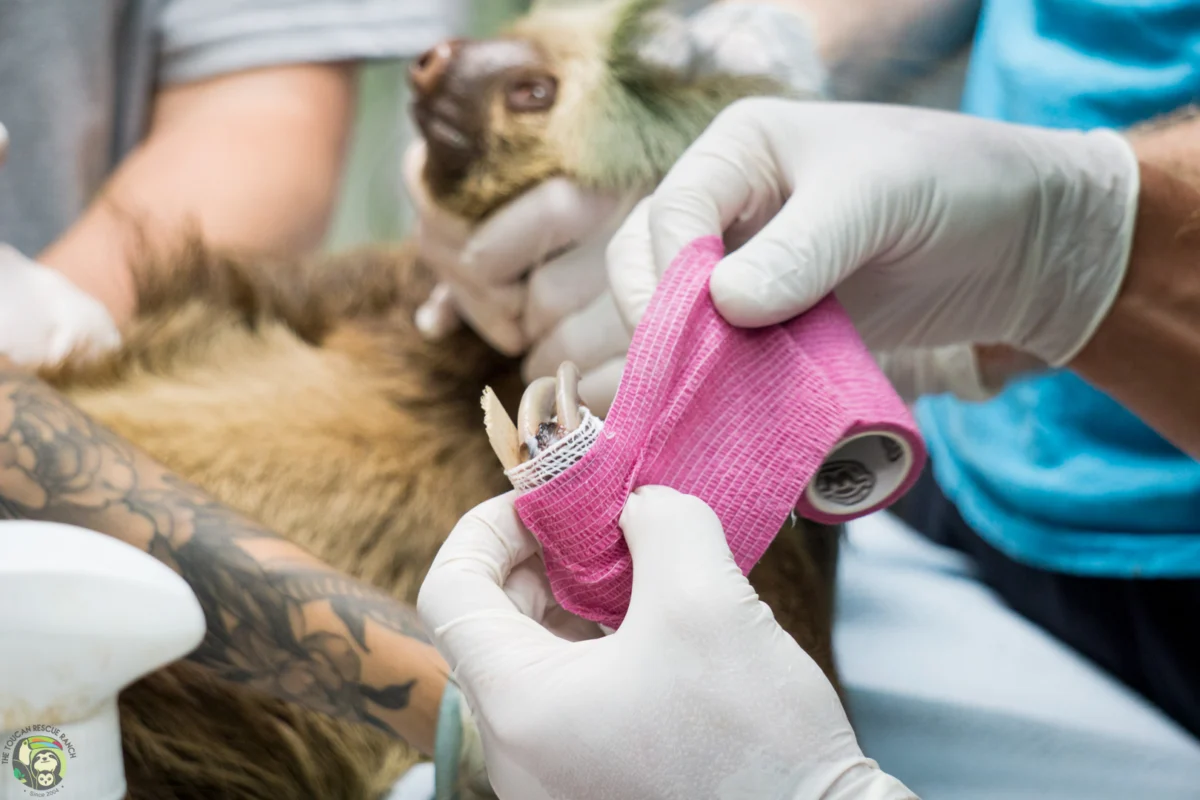
The Toucan Rescue Ranch (TRR), a prominent wildlife rescue and rehabilitation center based in Costa Rica, has announced a comprehensive update to its international procurement and logistics strategy. This initiative aims to streamline the influx of critical medical and operational supplies necessary to sustain its mission of rescuing, rehabilitating, and releasing indigenous wildlife. By leveraging a multi-tiered approach that includes digital wish lists, international shipping partnerships, and a unique "hand-carry" volunteer network, the organization is addressing the complex logistical hurdles inherent in operating a high-capacity conservation facility in Central America.
The necessity for this strategic overhaul stems from the increasing volume of animals requiring specialized care. As Costa Rica continues to balance urban development with its commitment to biodiversity, the interactions between human infrastructure and wildlife have intensified. TRR currently manages a diverse array of species, ranging from orphaned three-toed sloths to injured keel-billed toucans and various raptors. The specialized nature of their care requires medical equipment and nutritional supplements that are often difficult to source within the domestic Costa Rican market, necessitating a robust pipeline from international donors.
Contextual Background: Wildlife Conservation in a Biodiversity Hotspot
Costa Rica, despite its small geographic footprint, accounts for nearly 5% of the world’s total biodiversity. This ecological wealth places a significant burden of responsibility on local NGOs like the Toucan Rescue Ranch. Founded in 2004, TRR has evolved from a small rescue center for birds into a sophisticated medical and educational complex. The organization operates a main headquarters in San Isidro, Heredia, and a dedicated Release Site in Sarapiquí, where animals undergo a rigorous rewilding process.
The operational demands of such a facility are substantial. In 2023 alone, the center handled hundreds of emergency cases, many resulting from electrocutions on uninsulated power lines, dog attacks, and habitat displacement. The veterinary team requires a constant supply of surgical instruments, diagnostic tools, and species-specific milk replacers. Because many of these products are manufactured in the United States or Europe, the ranch has historically faced challenges regarding availability and the high cost of importation.
Navigating the Logistical Challenges of Central American Shipping
A primary driver of the new logistics strategy is the unreliability of standard postal services for time-sensitive or high-value medical goods. The Costa Rican postal system, while functional for standard mail, often presents significant delays and complexities for international packages, including rigorous customs inspections and unpredictable duty fees.
To mitigate these risks, TRR has issued a formal advisory to its global network of supporters. The organization now explicitly recommends avoiding direct shipments via standard mail, instead favoring a tiered logistics model:
- Direct DHL Shipments: For donors who prefer to ship directly to the facility in Costa Rica, TRR has designated DHL as the only recommended carrier. This preference is based on the carrier’s superior tracking capabilities and more efficient customs clearance processes, which ensure that sensitive medical supplies reach the veterinary team without the risk of being lost in transit.
- The Knoxville Hub: In a strategic partnership, a member of the TRR Board of Directors has established a storage and consolidation warehouse in Knoxville, Tennessee. This U.S.-based address serves as a domestic collection point for donors within North America. By centralizing donations in the United States, the organization can coordinate larger, more efficient shipments or wait for traveling staff and volunteers to transport the items personally.
- The "Checked Luggage" Initiative: Perhaps the most innovative aspect of the strategy is the utilization of the ranch’s volunteer and intern network. Visitors traveling to Costa Rica for internships, volunteer work, or educational tours are encouraged to utilize their checked luggage allowance to transport donated supplies. This "hand-carry" method is cited as the most cost-effective and reliable way to move goods across borders, as it bypasses the traditional shipping infrastructure entirely.
Strategic Procurement through Digital Wish Lists
To ensure that the influx of supplies matches the actual needs of the clinic and animal care teams, TRR has curated specialized inventories on the Amazon and Cuddly platforms. This data-driven approach to procurement allows the organization to update its requirements in real-time based on the current patient census.
The inventory is categorized by priority levels to guide donor behavior. High-priority items typically include veterinary-grade medications, specialized feeding tubes, and high-protein milk replacers for neonate sloths. Medium-priority items often encompass maintenance tools for enclosures and office supplies, while lower-priority items include enrichment toys for permanent residents.
The use of the Cuddly platform, in particular, provides a transparent mechanism for supporters to see exactly how their contributions are being utilized. As a crowdfunding platform specifically designed for animal shelters, Cuddly allows TRR to create "campaigns" for specific animals, linking the donation of a physical item—such as a heating pad or a specific antibiotic—directly to the recovery of an individual patient.
Financial Transparency and Legal Framework
As an international NGO, the Toucan Rescue Ranch operates under a dual legal structure to maximize its fundraising potential and ensure fiscal accountability. In the United States, the organization is a registered 501(c)(3) nonprofit (EIN: 80-0516453). This status allows American donors to claim tax deductions for their contributions, including the fair market value of donated physical goods.
Domestically, the organization is a registered Costa Rican foundation (#300667701803), ensuring compliance with local labor laws, environmental regulations, and non-profit governance standards. This dual-registration is critical for maintaining the trust of international institutional donors and private contributors alike.
Economic analysts noting the trends in "conservation philanthropy" suggest that this model of direct-item donation is becoming increasingly popular. It offers donors a sense of tangible impact that cash donations sometimes lack. By providing a clear list of needed items and a roadmap for how to get them to the jungle, TRR is tapping into a more engaged and committed donor base.
Broader Implications for Regional Conservation
The success of TRR’s logistics model has broader implications for other conservation organizations in Central and South America. Many small-to-medium-sized rescue centers struggle with the same "last-mile" delivery problems. By establishing a U.S. hub and a volunteer transport network, TRR provides a blueprint for how NGOs can circumvent inefficient national infrastructure to maintain a high standard of care.
Furthermore, the emphasis on high-quality medical supplies reflects a shift in the philosophy of wildlife rehabilitation in the region. There is a moving away from simple "rescue and hold" mentalities toward a more clinical, "hospital-to-wild" approach. This requires a professionalization of the supply chain that matches the professionalization of the veterinary care being provided.
Timeline of Implementation and Future Outlook
The current logistics strategy was refined throughout the early months of 2024 and is now fully operational. The organization has indicated that the Knoxville warehouse is currently accepting items, and the Amazon and Cuddly wish lists are being monitored daily by the administrative staff in Costa Rica.
Looking ahead, TRR aims to further digitize its inventory management system to provide even greater granularity in its reporting. The goal is to create a seamless link between a donor clicking "purchase" on a wish list in London or New York and the arrival of that item at the clinic in Heredia.
The organization’s leadership expressed gratitude for the "TRR family"—a global community of supporters whose contributions are essential for the daily operations of the ranch. As the facility prepares for the upcoming "baby season," a period when the number of orphaned animals typically spikes due to seasonal weather patterns and increased wildlife movement, the efficiency of this supply chain will be put to its most rigorous test.
In conclusion, the Toucan Rescue Ranch’s updated donation and shipping protocols represent a sophisticated response to the logistical realities of international conservation. By combining modern e-commerce tools with a grassroots network of travelers and a strategic U.S. presence, the organization ensures that its medical team has the tools necessary to provide world-class care to Costa Rica’s most vulnerable wildlife. This structured approach not only saves lives in the short term but also strengthens the long-term viability of conservation efforts in one of the world’s most ecologically significant regions.
