
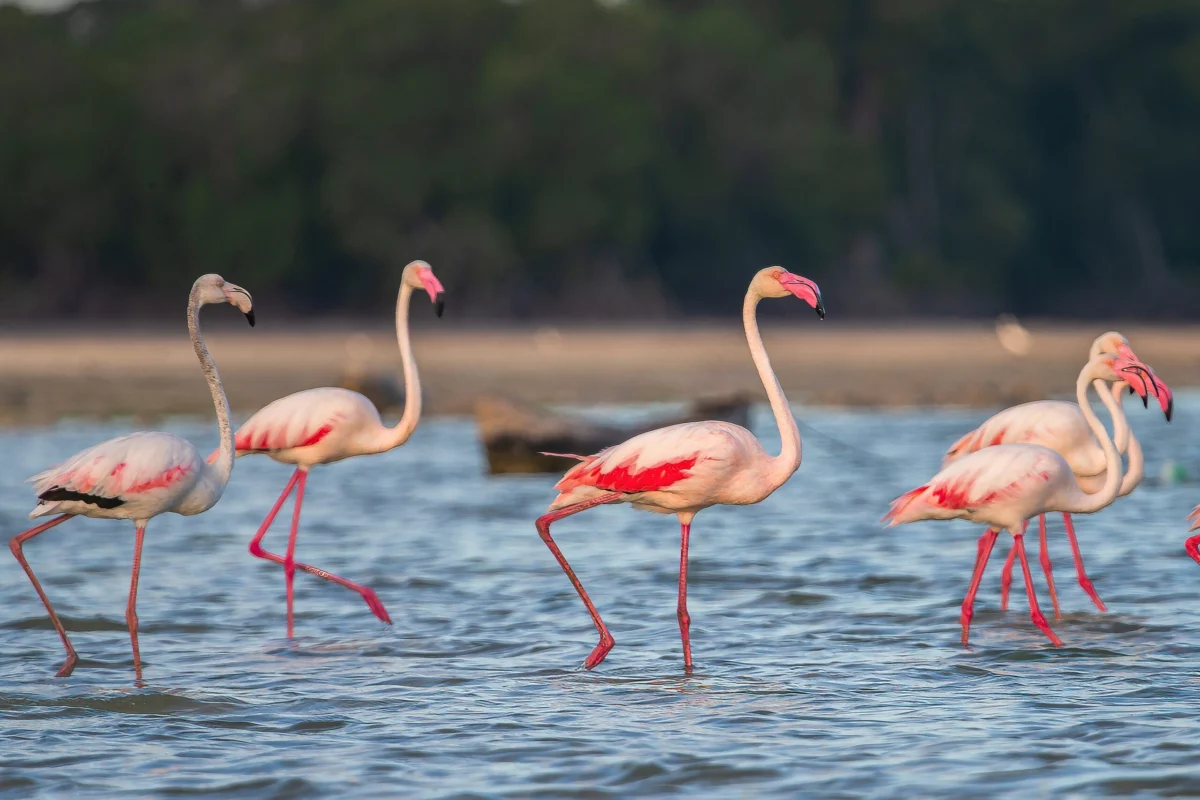
Wetlands International is proud to announce its designation as an official campaign partner for the European Association of Zoos and Aquaria (EAZA)’s impactful "Wetlands for Life Conservation Campaign," scheduled to run from 2026 to 2027. This significant collaboration will see Wetlands International working in concert with the extensive EAZA network of zoos and aquariums to amplify the reach, visibility, and overall impact of vital wetland conservation initiatives across Europe and on a global scale.
The "Wetlands for Life" campaign is a comprehensive initiative designed to unite hundreds of zoos and aquariums, collectively reaching millions of visitors annually. Its overarching objective is to cultivate widespread awareness regarding the critical importance of wetlands and to galvanize tangible actions aimed at their protection, restoration, and the creation of new wetland habitats. This campaign underscores a shared commitment to safeguarding these indispensable ecosystems, recognizing their profound benefits for both the natural world and human societies.
A Unified Vision for Wetlands and Humanity
Founded in 1992, the European Association of Zoos and Aquaria (EAZA) has evolved into the world’s largest regional association of zoos and aquariums. Guided by its ambitious vision, "Progressive zoos and aquariums saving species together with you," EAZA fosters robust collaboration among its more than 400 member institutions spanning 47 countries. This collaborative framework supports critical work in areas such as animal population management, animal care and welfare standards, science-based species conservation programs, public education, scientific research, and policy advocacy. Membership within EAZA is contingent upon adherence to stringent accreditation standards, ensuring a high level of operational excellence and commitment to conservation.
Wetlands International stands as the sole global not-for-profit organization exclusively dedicated to the conservation and restoration of wetlands. With a strategically dispersed network of offices across Europe, Africa, Asia, and Latin America, the organization collaborates with a diverse array of partners. These partnerships range from local communities and grassroots civil society organizations to multinational corporations and national governments, all united by the common goal of protecting wetlands for the benefit of both biodiversity and human well-being.
From the carbon-rich depths of peatlands and the vibrant biodiversity of marshes to the critical coastal buffers of mangroves and the life-sustaining cycles of floodplains, wetlands provide indispensable ecosystem services. They are crucial reservoirs of biodiversity, significant carbon sinks that play a role in mitigating climate change, natural defenses against disaster risks, and essential providers of livelihoods for millions of people. Despite their immense value, wetlands are regrettably among the most threatened ecosystems on Earth, facing unprecedented pressures from habitat destruction, pollution, and climate change. By joining forces with EAZA, Wetlands International aims to significantly accelerate public understanding of these critical ecosystems and to drive meaningful, on-the-ground conservation outcomes.
Coenraad Krijger, CEO of Wetlands International, expressed his enthusiasm for the partnership: "We are thrilled to partner with EAZA on the Wetlands for Life campaign. Healthy wetlands underpin our societies and economies, and are central to reversing nature loss and tackling climate change. Together, we will campaign with EAZA to raise awareness about these extraordinary ecosystems and inspire wetland action for the benefit of people, nature and climate in Europe and across the globe."
Synergistic Contributions to the Campaign
This collaboration between Wetlands International and EAZA is poised to leverage the unique strengths of each organization to create a powerful, synergistic impact on wetland conservation. Wetlands International will contribute its extensive global expertise in wetland science, policy, and on-the-ground restoration projects. This includes deep knowledge of specific wetland types, their ecological functions, and the socio-economic factors influencing their health. Their experience in working with diverse stakeholders, from local communities to international governmental bodies, will be invaluable in shaping effective conservation strategies and advocacy efforts.
EAZA, in turn, brings an unparalleled public reach through its member institutions. Zoos and aquariums serve as vital educational hubs, engaging millions of visitors annually with compelling exhibits and educational programs. This partnership will enable the "Wetlands for Life" campaign to connect with a broad and diverse audience, raising awareness about the often-unseen importance of wetlands. The campaign will likely utilize the visual appeal and storytelling power of zoo and aquarium exhibits to highlight wetland species and their habitats, fostering emotional connections and a sense of responsibility among visitors.
Key areas of collaboration will include:
- Coordinated Communications: Developing unified messaging and outreach materials that clearly articulate the importance of wetlands and the urgent need for conservation. This will likely involve joint press releases, social media campaigns, website content, and public service announcements.
- Shared Campaign Moments: Planning and executing synchronized events and activities across EAZA institutions to maximize public engagement. This could include themed weeks, special educational programs, fundraising initiatives, and citizen science projects focused on local wetland monitoring.
- Educational Resource Development: Creating and disseminating high-quality educational materials for schools, families, and the general public. These resources will be designed to be accessible and engaging, explaining complex ecological concepts in an understandable manner.
- Advocacy and Policy Engagement: Working together to influence policy decisions at local, national, and European levels to ensure better protection and management of wetland ecosystems. This might involve joint position papers, stakeholder dialogues, and lobbying efforts.
- Field Conservation Support: While EAZA institutions primarily focus on education and conservation within their grounds, the partnership can channel public awareness and fundraising towards specific wetland restoration and protection projects managed by Wetlands International and its partners in the field.
The "Wetlands for Life" campaign aims to transform public perception, moving wetlands from being viewed as mere "wastelands" to being recognized as essential, life-sustaining ecosystems. By combining EAZA’s extensive public interface with Wetlands International’s global scientific and practical expertise, the campaign is strategically positioned to inspire widespread recognition and, crucially, concrete action towards the protection, restoration, and creation of these vital habitats.
Myfanwy Griffith, Executive Director of the European Association of Zoos and Aquaria, articulated the synergy of the partnership: "This collaboration reflects what EAZA campaigns do best: unite our community, engage the public, and support credible, impactful conservation in the field."
Catherine King, Chair of the EAZA "Wetlands for Life" Campaign, further emphasized the complementary strengths: "The partnership with Wetlands International will employ our complementary strengths as organisations to have a synergetic impact on wetland conservation and community engagement. We look forward to this opportunity!"
A Timeline of Action: 2026-2027 and Beyond
The "Wetlands for Life" campaign, launching in 2026, is envisioned as a two-year intensive effort, with the potential for its principles and impact to extend well beyond this initial period. The campaign will unfold through a series of strategic phases, building momentum and deepening public engagement.
- Phase 1: Launch and Awareness Building (Early 2026): The campaign will commence with a formal launch event, likely involving key representatives from Wetlands International and EAZA, alongside participating zoos and aquariums. This phase will focus on introducing the campaign’s objectives, highlighting the critical state of global wetlands, and initiating broad public awareness efforts through media outreach and initial digital content. EAZA institutions will begin integrating "Wetlands for Life" messaging into their visitor experiences.
- Phase 2: Deepening Engagement and Education (Mid-2026 to Mid-2027): This phase will see the rollout of more in-depth educational programs and interactive experiences. Zoos and aquariums will host special events, workshops, and behind-the-scenes tours focused on wetland ecosystems and species. Wetlands International will provide scientific expertise to develop these materials and may organize public lectures or webinars. Citizen science initiatives, such as local water quality monitoring or invasive species reporting, could be launched to empower the public to contribute directly to conservation efforts. Storytelling will be a key element, focusing on the diverse benefits of wetlands, from flood control in urban areas to climate regulation in peatlands.
- Phase 3: Mobilizing Action and Advocacy (Late 2026 to End of 2027): As awareness grows, the campaign will transition to actively mobilizing action. This could involve targeted fundraising appeals for specific wetland restoration projects, calls to action for individuals to reduce their environmental footprint, and advocacy efforts directed at policymakers. EAZA’s political engagement capabilities, combined with Wetlands International’s policy expertise, will be crucial in this phase. The campaign will aim to secure commitments from governments and corporations for enhanced wetland protection.
- Phase 4: Legacy and Future Planning (End of 2027 onwards): While the formal campaign concludes in 2027, the aim is to create a lasting legacy. This will involve evaluating the campaign’s impact, disseminating best practices, and establishing ongoing collaborations. The educational resources and public awareness generated are expected to foster a long-term commitment to wetland conservation within the EAZA community and among the wider public.
Spotlighting Europe’s Wetland Treasures and Global Significance
Throughout 2026 and 2027, the "Wetlands for Life" campaign will dedicate significant attention to showcasing the extraordinary value of wetlands, with a particular focus on both European landscapes and globally vital wetland systems. In Europe, the campaign will spotlight a diverse range of habitats, from the increasingly vital urban marshes and river floodplains that provide essential ecosystem services to densely populated areas, to the vast peatlands of Northern Europe that hold immense stores of carbon. The intricate beauty and ecological significance of coastal lagoons, salt marshes, and fen systems will also be brought to the fore.
Beyond Europe, the campaign will draw attention to globally significant wetland landscapes that play a critical role in regulating the Earth’s climate and sustaining unparalleled biodiversity. This includes the vast deltas of major rivers, the Amazon basin’s extensive flooded forests, and the vital mangrove ecosystems that protect coastlines and serve as nurseries for marine life. The campaign will emphasize the interconnectedness of these systems, illustrating how local wetland health can have far-reaching global implications.
Through a strategic blend of coordinated storytelling, immersive public engagement initiatives, and evidence-based advocacy, the "Wetlands for Life" campaign is designed to empower individuals, institutions, and decision-makers alike. The ultimate goal is to foster a collective understanding and commitment that ensures wetlands will continue to sustain life – not only for the present generation but for all future generations to come. This ambitious undertaking seeks to create a tangible shift in how wetlands are perceived and valued, paving the way for their effective conservation and restoration on a global scale.
Supporting Data and Context
The urgency of the "Wetlands for Life" campaign is underscored by alarming global statistics regarding wetland loss. According to the Ramsar Convention on Wetlands, a global treaty for wetland conservation, wetlands are disappearing at a rate three times faster than forests. Estimates suggest that as much as 64% of the world’s wetlands have disappeared since 1900. In Europe, the situation is equally concerning, with significant degradation of freshwater wetlands, coastal wetlands, and peatlands due to agricultural expansion, urban development, drainage, and pollution.
Peatlands, which cover only 3% of the Earth’s land surface, store twice as much carbon as all the world’s forests combined. Their degradation releases vast amounts of greenhouse gases, contributing significantly to climate change. Similarly, coastal wetlands like mangroves and salt marshes are highly effective at sequestering carbon, often at rates far exceeding terrestrial forests, and provide crucial natural defenses against storm surges and coastal erosion, protecting millions of people worldwide. The economic benefits of healthy wetlands are also substantial, encompassing water purification, flood control, fisheries, and tourism, with estimates suggesting they provide trillions of dollars in ecosystem services annually.
The EAZA network, with its extensive reach, is uniquely positioned to communicate these vital messages. Zoos and aquariums are often the first point of contact for many people with the natural world, and their educational efforts can foster a profound appreciation for biodiversity and ecological interconnectedness. By focusing on wetlands, a critically underappreciated ecosystem type, the "Wetlands for Life" campaign aims to fill a significant knowledge gap and inspire a new generation of wetland stewards.
Implications and Future Outlook
The partnership between Wetlands International and EAZA for the "Wetlands for Life" campaign carries significant implications for the future of wetland conservation. Firstly, it signals a growing recognition within the broader conservation community of the critical role that zoos and aquariums can play beyond species-specific conservation, extending their influence to habitat protection and ecosystem restoration.
Secondly, the campaign’s focus on Europe provides a crucial opportunity to strengthen wetland protection policies and practices within the European Union and surrounding countries. By engaging millions of visitors and influencing public opinion, the campaign can create a powerful mandate for governments to prioritize wetland conservation in land-use planning, water management, and climate mitigation strategies.
Furthermore, the collaboration has the potential to foster innovative educational approaches. By leveraging the engaging platforms of zoos and aquariums, complex scientific information about wetland functions and threats can be translated into accessible and compelling narratives, inspiring a deeper connection with nature.
The success of "Wetlands for Life" could serve as a model for future collaborations between scientific conservation organizations and public-facing institutions, demonstrating how diverse strengths can be harnessed for greater collective impact. The campaign’s emphasis on the interconnectedness of wetlands with human well-being and climate stability is also timely, aligning with global efforts to achieve the Sustainable Development Goals and address the twin crises of biodiversity loss and climate change. The long-term vision is to cultivate a lasting legacy of informed public engagement and robust policy support for wetlands, ensuring their survival and the myriad benefits they provide for generations to come.
