
Wetlands International, a leading global organization dedicated to the protection and restoration of wetlands, has announced a significant strategic partnership with SHOAL, a global collaborative ecosystem focused on safeguarding Earth’s freshwater habitats and conserving its most imperiled freshwater species. This alliance marks a pivotal moment in the escalating efforts to address the critical biodiversity crisis facing freshwater environments worldwide. The partnership, formalized on March 17, 2026, aims to leverage the combined strengths and extensive networks of both organizations to drive ambitious, collaborative conservation initiatives.
The Urgent Plight of Freshwater Ecosystems
Freshwater ecosystems, including rivers, lakes, wetlands, and groundwater, are the lifeblood of our planet, supporting an unparalleled diversity of life and providing essential services to billions of people. However, these vital environments are facing unprecedented threats. Decades of neglect, coupled with the accelerating impacts of climate change, pollution, habitat degradation, and over-extraction of water resources, have pushed freshwater biodiversity to the brink.
Scientific data paints a stark picture: freshwater species are disappearing at a rate up to six times faster than terrestrial or marine species. The Living Planet Report 2022, published by the World Wide Fund for Nature (WWF), highlighted a staggering 83% average decline in the populations of freshwater species between 1970 and 2016. Freshwater fish and amphibians are identified as the most threatened vertebrate groups, with thousands of species facing the imminent threat of extinction. This crisis not only signifies an irreversible loss of natural heritage but also jeopardizes the critical ecosystem services that underpin human well-being, including clean water provision, food security, and climate regulation.
A Shared Vision for Collaborative Action
Wetlands International has long championed a partnership-driven approach to conservation, recognizing that lasting change can only be achieved through collective action. Their work spans from grassroots initiatives with local communities and Indigenous Peoples to high-level policy advocacy on a global scale. This philosophy resonates deeply with SHOAL’s operational model, which is built on mobilizing, coordinating, and catalyzing a diverse network of partners to amplify conservation efforts for freshwater species, habitats, and the communities that depend on them.
Coenraad Krijger, CEO of Wetlands International, expressed enthusiasm for the new alliance, stating, "We are proud to partner with SHOAL to accelerate global efforts to protect and restore freshwater ecosystems and the astonishing biodiversity within them. We’ve already joined forces on publications such as Africa’s Forgotten Fishes and are looking forward to ramping up our collaboration to deliver greater impact together." This sentiment underscores the immediate potential for synergistic action and the shared commitment to tangible outcomes.
Strategic Pillars of the Partnership
Under the framework of this strategic partnership, Wetlands International and SHOAL will focus on several key areas of collaboration. These include:
- Enhancing Freshwater Biodiversity Monitoring and Research: Pooling expertise and resources to improve our understanding of freshwater species populations, distribution, and threats. This will involve supporting critical research projects and developing standardized monitoring protocols.
- Developing and Implementing Targeted Conservation Strategies: Collaborating on the design and execution of site-specific and landscape-level conservation plans for critically endangered freshwater species and their habitats. This will involve innovative approaches to habitat restoration, species recovery programs, and the establishment of protected areas.
- Advocating for Policy Reform and Investment: Working together to influence national and international policies that impact freshwater ecosystems, advocating for increased investment in freshwater conservation, and promoting sustainable water management practices.
- Strengthening Community Engagement and Livelihoods: Supporting local communities and Indigenous Peoples in their efforts to conserve freshwater resources and develop sustainable livelihoods that are compatible with healthy ecosystems. This includes recognizing and integrating traditional ecological knowledge.
- Raising Global Awareness and Mobilizing Support: Jointly launching campaigns and initiatives to educate the public about the freshwater biodiversity crisis and mobilize broader support for conservation action.
Leveraging Complementary Strengths
Wetlands International brings to the partnership its extensive global network, accumulated over decades of dedicated work in protecting and restoring freshwater ecosystems. Their ongoing projects demonstrate a proven track record, ranging from dam and barrier removal initiatives in Europe that reconnect rivers and restore fish migration routes, to critical work on water governance in Ethiopia aimed at ensuring equitable and sustainable water use, and the development of alternative sustainable livelihoods in Latin America that reduce pressure on sensitive freshwater environments.
The organization’s new 10-year strategy further solidifies its commitment to freshwater conservation, with a planned scale-up of efforts from site-specific actions to holistic landscape-level approaches. This includes significant engagement in global initiatives such as the Freshwater Challenge, which aims to restore 300,000 kilometers of the world’s free-flowing rivers and 30% of degraded wetlands by 2030, and the Peatland Breakthrough, focused on protecting and restoring vital peatland ecosystems.
SHOAL, in turn, provides a unique platform that mobilizes, coordinates, and catalyzes a diverse array of partners – from scientific institutions and NGOs to governments and private sector entities – to escalate and accelerate action. Their collaborative ecosystem model is designed to overcome fragmentation and foster a unified front for freshwater conservation.

A New Focus on Migratory Freshwater Fish
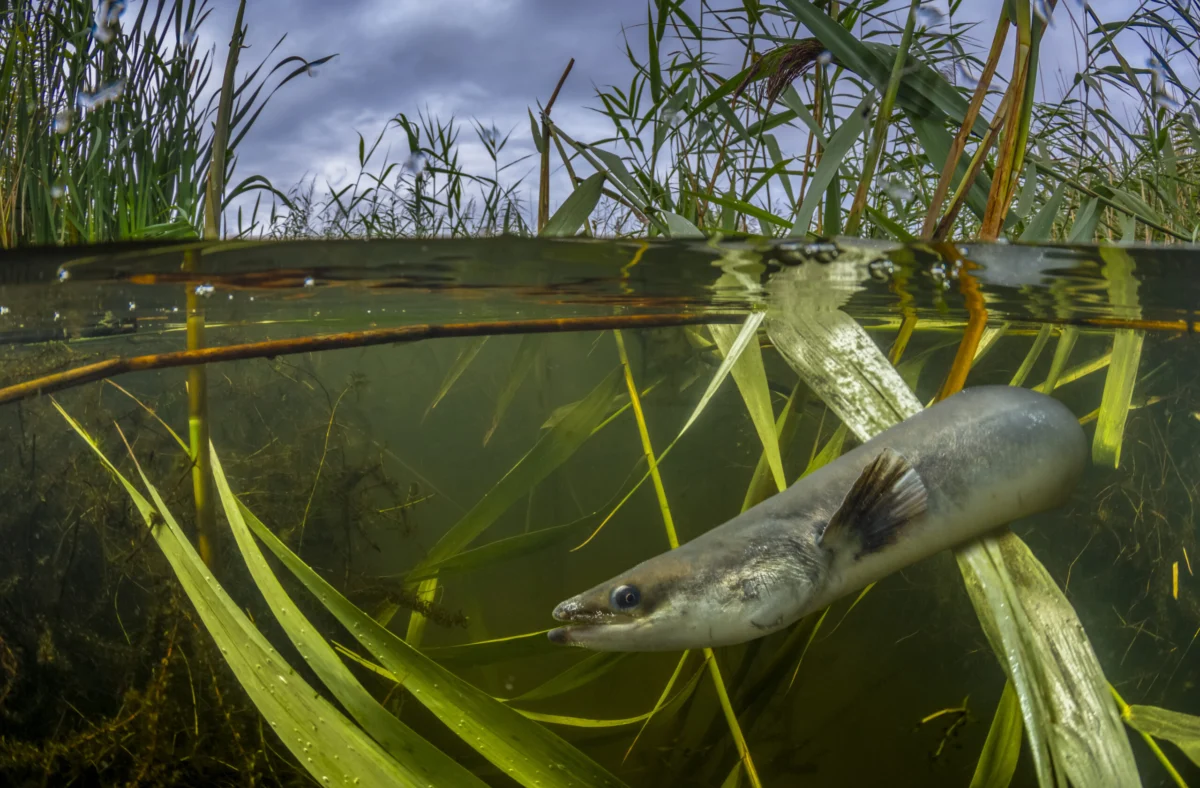
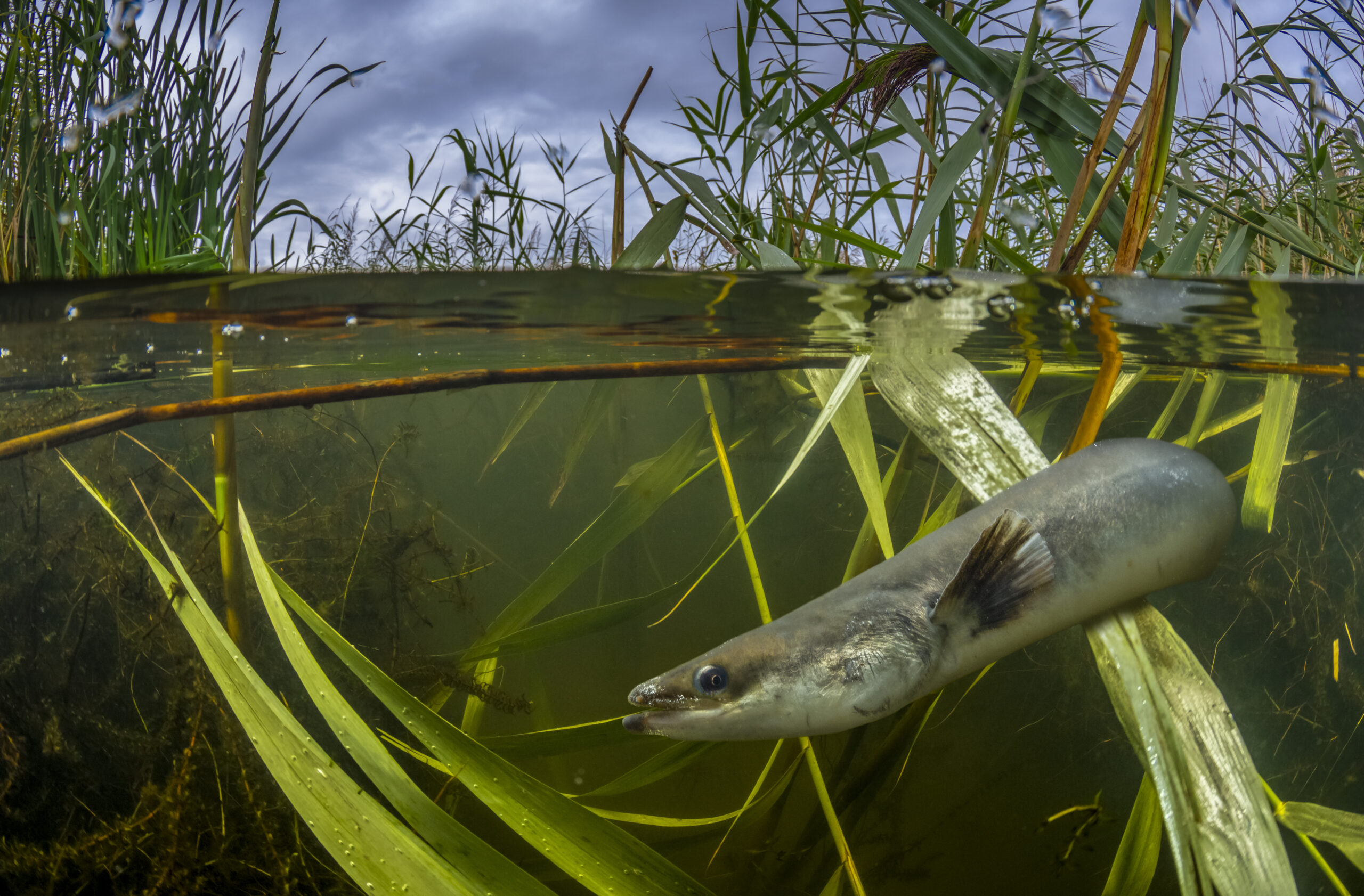
A particularly exciting development within this partnership is Wetlands International’s strategic decision to focus, for the first time, on migratory freshwater fish and their "Swimways" as a key priority under their new strategy. These migratory pathways are vital corridors that allow fish to move between breeding, feeding, and nursery grounds, often crossing national borders and facing numerous obstacles along the way.
Coenraad Krijger further elaborated on this new direction: "Under our new strategy, Wetlands International will focus strategically on migratory freshwater fish and their Swimways for the first time. Our new partnership with SHOAL is a key step towards delivering on this priority. Together, we can do far more to save threatened freshwater species and safeguard their freshwater wetlands – wetlands that underpin societies and economies."
The plight of migratory freshwater fish is a critical indicator of freshwater ecosystem health. Threats such as dams, pollution, and overfishing disrupt their life cycles, leading to population declines and threatening the ecological balance of entire river systems. By focusing on these "Swimways," the partnership aims to address a fundamental driver of freshwater biodiversity loss and create a ripple effect of positive change across connected aquatic environments.
Broader Implications for Global Conservation
The strategic partnership between Wetlands International and SHOAL holds significant implications for the broader conservation landscape. By uniting two influential organizations with complementary expertise and networks, this alliance is poised to:
- Increase Impact and Efficiency: The combined resources, knowledge, and reach of both organizations will allow for more ambitious projects and greater efficiency in conservation delivery.
- Drive Innovation: The collaborative environment is likely to foster the development and adoption of innovative conservation techniques and approaches.
- Amplify Advocacy Efforts: A united voice will carry greater weight in policy discussions, pushing for stronger legal protections and increased financial commitments for freshwater ecosystems.
- Strengthen Global Cooperation: The partnership serves as a model for how different actors can come together to tackle complex global environmental challenges.
As Coenraad Krijger aptly put it, "We firmly believe that the bigger and broader the SHOAL, the stronger it becomes, and the greater our shared impact will be." This sentiment encapsulates the optimistic outlook for this crucial collaboration, which promises to be a significant force in the global fight to save our planet’s most precious freshwater resources and the irreplaceable life they sustain. The coming years will undoubtedly see this partnership translate into tangible victories for freshwater biodiversity and the millions of people who rely on these vital ecosystems.
