

The comprehensive evidence is now unequivocally clear: the restoration of rivers and other freshwater wetlands offers a profound and wide-ranging array of benefits, encompassing ecological health, human well-being, and economic stability. These vital ecosystems are crucial for bolstering biodiversity, ensuring reliable water supplies, mitigating pollution, reducing flood risks, sequestering carbon, enhancing food security, and providing essential recreational opportunities. This compelling conclusion is detailed in a landmark report, commissioned by the World Wildlife Fund (WWF), which meticulously gathered evidence and case studies from over 30 countries spanning six continents. The report not only underscores the environmental significance of rivers and wetlands but also highlights their substantial fiscal value and the proven efficacy of their restoration. In light of these findings, experts are urgently advocating for a substantial increase in funding dedicated to river and wetland restoration initiatives, coupled with a robust commitment from governments and corporations to support the global Freshwater Challenge, thereby accelerating the pace of action.
A Compelling Case for Investment in Freshwater Ecosystems
The report, titled "Societal Benefits of Large-Scale River and Wetland Restoration," serves as an indispensable resource for policymakers and business leaders. It presents irrefutable evidence that investing in the worldwide restoration of rivers and wetlands constitutes a critical natural solution for both climate adaptation and sustainable development. The document elaborates on the diverse positive impacts that such investments yield, painting a vivid picture of a healthier planet and more resilient societies.
Christine Colvin, Global Policy Lead at WWF, emphasized the immediate and far-reaching advantages of prioritizing restoration. "Investment into restoration efforts provide greater access to clean water, more sustainable food systems, and greater climate resilience against natural disasters," Colvin stated. "As water becomes a scarcer resource in the face of increasing demand from agriculture and more erratic supplies in the teeth of the climate crisis, investment in restoration is urgently needed for our future water security." Her statement underscores the critical nexus between freshwater ecosystem health and global water security, a challenge amplified by the escalating impacts of climate change.
A Global Mandate for Action: The Freshwater Challenge
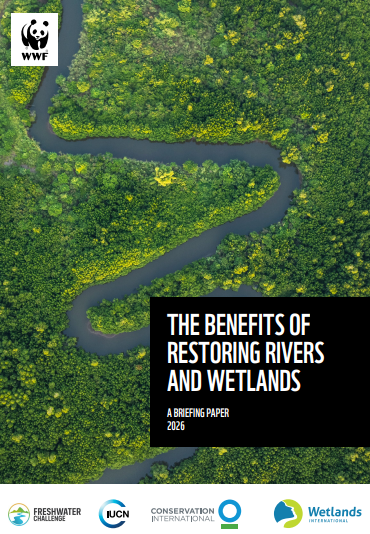
The report is further complemented by a joint briefing paper, developed in collaboration with Conservation International, the International Union for Conservation of Nature (IUCN), and Wetlands International. This collaborative document delves into the multifaceted approaches to achieving effective restoration. Examples cited include the re-establishment of natural water flows, stringent measures to reduce pollution from agricultural fertilizers, the replanting of native trees, and the reconnection of rivers to their natural floodplains. These interventions are not theoretical; they are practical, evidence-based strategies that have demonstrated tangible results in diverse environmental contexts.
Coenraad Krijger, CEO of Wetlands International, articulated the fundamental importance of these ecosystems. "Restoring degraded rivers, lakes and other freshwater wetlands is central to tackling the greatest challenges of our era: water and food security, nature loss, climate change and sustainable development," Krijger asserted. "This report shows that restoration works and that it benefits societies and economies. It’s time for governments and businesses to prioritise our freshwater life support systems and drastically increase investment to accelerate wetland action." His call to action highlights the interconnectedness of global challenges and the pivotal role that freshwater ecosystems play in addressing them.
The Alarming Decline of Global Wetlands
The urgency for intensified restoration efforts is underscored by the dire state of the world’s wetlands. Since 1970, a staggering one-third of the world’s healthy wetlands have been lost, and freshwater wildlife populations have plummeted by an alarming 85%. This represents the most severe decline experienced by any habitat type globally. The relentless degradation of these vital ecosystems is driven by a confluence of factors, including the over-abstraction of water for human use, the fragmentation of river systems by dams and other infrastructure projects, detrimental land-use changes, pervasive pollution, the proliferation of aquatic invasive species, unsustainable harvesting practices, and the overarching threat of the climate crisis.
The consequences of this widespread decline extend far beyond the loss of biodiversity. They translate into significant material risks for human well-being, jeopardizing economic development and undermining international water security. The economic implications alone are substantial, as healthy wetlands provide invaluable ecosystem services that underpin numerous industries, from agriculture and fisheries to tourism and flood management. The economic cost of inaction, therefore, far outweighs the investment required for restoration.
A Call for Accelerated Funding and Global Commitment
In response to this critical situation, experts are issuing a resounding call for a massive scaling up of investment in river and wetland restoration. This includes a strong plea for governments and corporations to actively support the Freshwater Challenge. This ambitious initiative, endorsed by 54 countries, aims to restore 300,000 kilometers of degraded rivers and 350 million hectares of degraded wetlands by the year 2030. The overarching goal of the Challenge is to substantiate, elevate, and accelerate targeted interventions for rivers, lakes, and other inland wetlands, ensuring their integration into national development plans and strategies.
Dave Tickner, Chief Advisor, Freshwater at WWF-UK, emphasized the human dimension of this crisis. "Most of the world’s population lives near rivers or wetlands. And to benefit people, nature and economies those rivers and wetlands must be healthy," Tickner stated. "While we have seen a steady rise in global freshwater restoration, what is needed now is for governments and businesses to accelerate these efforts. The Freshwater Challenge provides a perfect opportunity for this, and this opportunity must be taken." His perspective highlights the direct link between the health of freshwater ecosystems and the prosperity and well-being of human populations.

Data-Driven Insights into Restoration Successes
The report details numerous successful restoration initiatives that offer valuable blueprints for future endeavors. While specific examples were not enumerated in the initial provided content, the overarching narrative points to a wealth of evidence demonstrating the efficacy of various restoration techniques. These techniques often involve a holistic approach, considering the entire river basin and its interconnected wetland systems.
For instance, the reintroduction of natural flood pulses can revitalize riparian ecosystems, enhancing biodiversity and improving water quality. Similarly, efforts to reduce nutrient runoff from agricultural lands not only mitigate eutrophication in water bodies but also contribute to healthier terrestrial environments. The replanting of native vegetation along riverbanks and in wetland areas provides crucial habitat for wildlife, stabilizes soil, and helps filter pollutants. Furthermore, reconnecting rivers to their floodplains allows for natural water storage and sediment deposition, which are essential for maintaining healthy riverine and coastal ecosystems, and for buffering communities against flood events.
Economic and Social Implications of Restoration
The economic rationale for investing in freshwater ecosystem restoration is increasingly robust. Beyond the direct benefits of improved water quality for human consumption and industrial use, restoration efforts can unlock significant economic opportunities. Thriving wetlands support commercially valuable fisheries, ecotourism, and recreational activities, generating employment and revenue. Moreover, by enhancing natural flood defenses, restoration can reduce the substantial economic costs associated with flood damage and disaster recovery.
From a social perspective, the restoration of rivers and wetlands contributes to community resilience. Access to clean and reliable water sources is fundamental for public health and agricultural productivity. The enhanced biodiversity and natural beauty of restored landscapes also contribute to the quality of life and provide opportunities for education and scientific research. The report implicitly argues that these benefits accrue not only to local communities but also to national and international economies, reinforcing the interconnectedness of environmental health and economic prosperity.
A Timeline of Urgent Need and Growing Momentum
The history of wetland degradation is a long and concerning one, marked by a steady loss of these vital ecosystems over decades. The recognition of their importance, however, has gained momentum in recent years, particularly with the escalating impacts of climate change and increasing awareness of biodiversity loss. The publication of this report in March 2026 signifies a critical juncture, where accumulated evidence converges with a growing global consensus on the need for urgent action.
The Freshwater Challenge, launched with the ambitious targets of 2030, represents a concrete manifestation of this momentum. It provides a framework for coordinated international action, encouraging countries to set their own national targets and implement effective restoration strategies. The involvement of major international organizations like WWF, Conservation International, and IUCN lends significant weight and expertise to these efforts, fostering collaboration and knowledge sharing across borders. The timeline is clear: the window for significant impact is closing, and accelerated action is paramount.
Broader Implications for Global Sustainability
The implications of the findings in this report extend to the very core of global sustainability efforts. The achievement of the United Nations Sustainable Development Goals (SDGs), particularly those related to clean water and sanitation (SDG 6), life below water (SDG 14), and life on land (SDG 15), is intrinsically linked to the health of freshwater ecosystems. By investing in restoration, nations can make significant strides towards achieving these global targets, fostering a more sustainable and equitable future for all.
Furthermore, the report implicitly contributes to the broader discourse on nature-based solutions to climate change. Wetlands, particularly peatlands, are significant carbon sinks, and their restoration can play a crucial role in mitigating greenhouse gas emissions and enhancing carbon sequestration. This dual benefit – climate mitigation and adaptation – makes freshwater ecosystem restoration a particularly powerful tool in the fight against global warming. The ongoing development of frameworks like the Freshwater Challenge demonstrates a growing understanding that environmental protection and economic development are not mutually exclusive but rather deeply intertwined, with healthy ecosystems serving as the foundation for both. The evidence presented in this report serves as a powerful reminder that investing in nature is, in fact, investing in our own future.
