
The Toucan Rescue Ranch, a prominent wildlife rescue and rehabilitation facility in Costa Rica, has officially announced the rebranding of its flagship creative fundraising campaign to Share to Save. This transition marks a significant evolution for an initiative that has spent the last five years mobilizing a global community of photographers, artists, and nature enthusiasts under various digital banners, including #TRRShareYourShot, #CallForArtists, and #TunesForToucans. The new identity, Share to Save, is designed to consolidate these efforts into a single, cohesive movement that emphasizes the direct link between creative expression and the preservation of biodiversity. Under the 2026 theme, "Creatives for Conservation," the organization is inviting artists from across the globe to submit visual works inspired by wildlife, with the dual goals of raising public awareness and generating the critical funds necessary to maintain the ranch’s extensive operations.
The Financial Reality of Wildlife Conservation in Costa Rica
The rebranding comes at a pivotal moment for the Toucan Rescue Ranch (TRR), as the organization faces escalating operational costs and a growing influx of animals in need of specialized care. According to official data provided by the facility, more than 500 animals arrive at the center annually. These individuals are often victims of displacement, orphanhood, or severe injuries resulting from human-wildlife conflict, including electrocutions on uninsulated power lines, domestic animal attacks, and the illegal pet trade.
Operating a multifaceted organization that includes a rescue center, a permanent sanctuary, and a dedicated release site requires a substantial financial commitment. TRR reports that its monthly operational expenses exceed $50,000. These funds cover a wide spectrum of essential services, including advanced veterinary surgery, specialized neonatal nutrition, the maintenance of high-standard enclosures, and the labor-intensive process of rewilding animals for eventual release.
A critical point of the organization’s advocacy is the clarification of its funding sources. Despite Costa Rica’s international reputation as a leader in environmental policy, wildlife rescue centers within the country do not receive government subsidies. They operate as non-profit entities that rely entirely on private donations, educational tours, and community-driven initiatives like Share to Save. The lack of state funding places the burden of preserving the nation’s natural heritage on the shoulders of private organizations and their global supporters.
Evolution and Chronology of the Initiative
The Share to Save initiative is the culmination of a half-decade of experimentation with digital engagement. The timeline of this evolution reflects the broader shift in how non-governmental organizations (NGOs) utilize social media to bypass traditional fundraising barriers.
- Phase One: The Hashtag Movement: Five years ago, the ranch launched #TRRShareYourShot, a simple social media campaign aimed at encouraging amateur and professional photographers to share their images of Costa Rican fauna.
- Phase Two: Diversification: Recognizing the potential of other creative mediums, the ranch introduced #CallForArtists and #TunesForToucans, expanding the reach of the campaign to illustrators and musicians.
- Phase Three: Structural Integration: As the volume of submissions grew, the ranch began hosting digital galleries and small-scale exhibitions, realizing that the art itself was a powerful tool for storytelling and education.
- Phase Four: The Launch of Share to Save: In 2026, the ranch officially unified these disparate projects under the Share to Save brand, introducing a structured voting system and a physical exhibition component to increase the impact of the program.
The current iteration of the program allows artists to retain full ownership of their work while participating in a global contest. Selected pieces are printed locally in Costa Rica for display in a live gallery, reducing the carbon footprint associated with international shipping and ensuring that the focus remains on supporting the local conservation economy.
Creatives for Conservation: A Global Gallery of Impact
The 2026 "Creatives for Conservation" theme has already attracted a diverse array of international talent, ranging from digital illustrators in Europe to traditional painters in Latin America. The submissions serve as a visual record of the species that TRR works to protect, providing a narrative bridge between the public and the clinical reality of wildlife rehabilitation.
Among the notable participants is Cibele Manfredini, whose work "Coexist" is driven by the philosophy that increased knowledge leads to deeper environmental stewardship. Similarly, Francesca Larrain’s "Manta" focuses on marine conservation, highlighting the interconnectedness of terrestrial and aquatic ecosystems. The photography submissions often capture rare moments of wild health, such as Felix Hinsch’s "Unexpected Visitor," which features a healthy sloth in a residential area—a poignant reminder of the urban-wildlife interface.
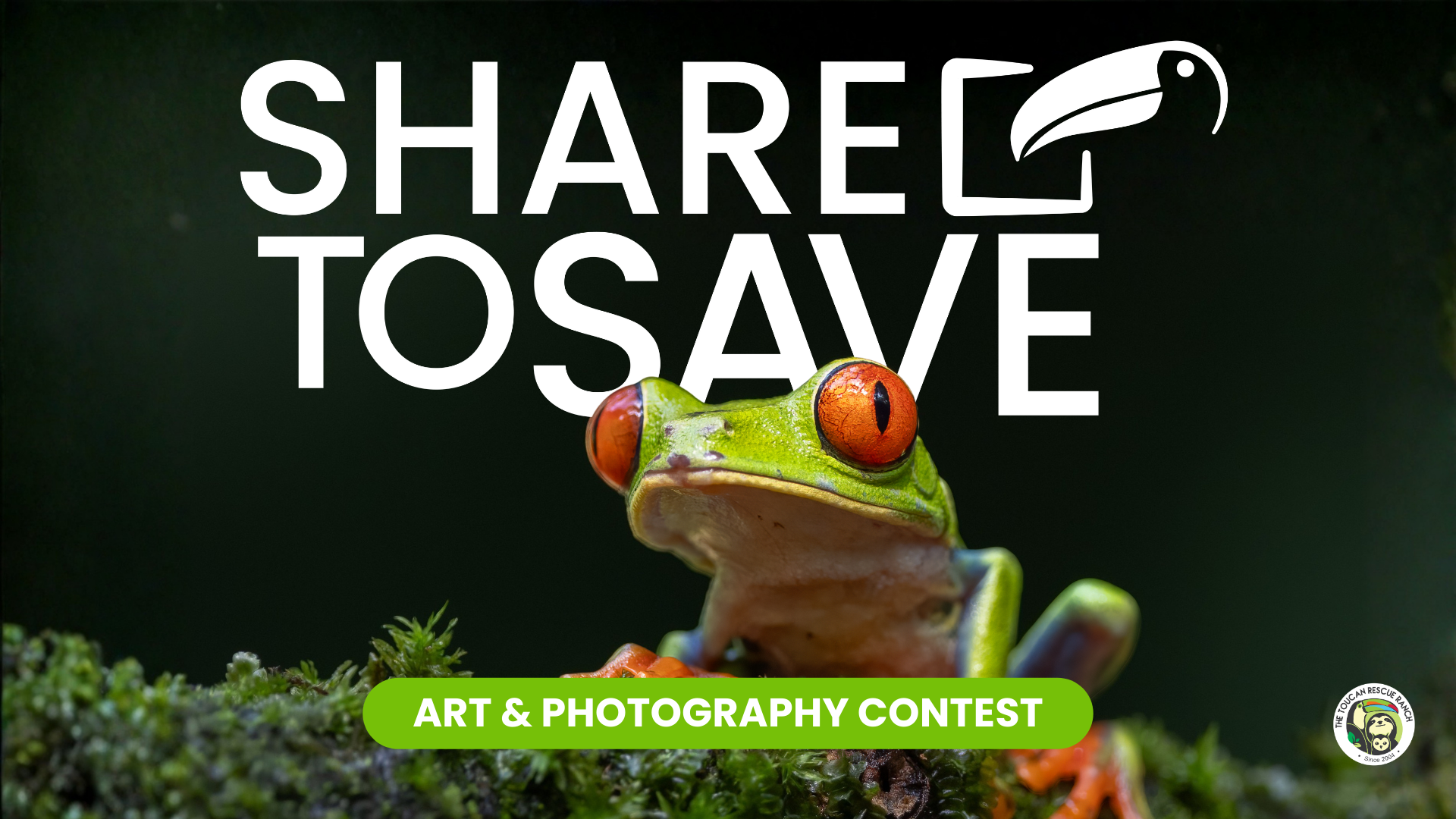
The diversity of the art reflects the diversity of the ranch’s patients. Submissions such as "La Belleza de las Mariposas" by Maruquel Gill and "Sin polinizadores no hay alimentos" by Adriana Blanco Rojas draw attention to invertebrates and pollinators, which are often overlooked in major conservation campaigns despite their ecological necessity. Larger mammals and iconic birds also feature prominently, with works like "Kings Landing" by Leonardo Hall and "Entre Alas Escarlata" by Alyson Rodríguez showcasing the majestic King Vulture and Scarlet Macaw, respectively.
Several artists have used the platform to highlight specific conservation challenges. Katia Hougaard’s "Protecting The Future of Sloths" illustrates the use of wildlife bridges—artificial rope crossings that allow sloths and monkeys to navigate fragmented habitats without descending to the ground or using dangerous power lines. This artistic representation aligns directly with TRR’s "Sloth Backpack" and bridge-building programs, which are funded by initiatives like this one.
The Philanthropic Mechanism: $1 for 1 Vote
The Share to Save campaign utilizes a "vote-to-donate" model, which has become an increasingly popular method for NGOs to engage supporters who may not be able to provide large-scale grants but wish to contribute meaningfully. In this system, every $1 donated to the Toucan Rescue Ranch constitutes one vote for a specific art piece.
This model serves three primary functions:
- Fundraising: It provides a steady stream of micro-donations that contribute to the $50,000 monthly operational goal.
- Engagement: It encourages artists to share their entries with their own networks, exponentially increasing the ranch’s digital reach and bringing new donors into the fold.
- Education: Each art piece is accompanied by the artist’s inspiration and information about the species depicted, turning the voting process into an educational experience.
Furthermore, the ranch has ensured that all contributions made through the Share to Save Art and Photography Contest are tax-deductible, providing an additional incentive for donors in jurisdictions where such regulations apply.
Broader Implications and Conservation Analysis
The rebranding to Share to Save represents a strategic shift toward "artivism"—the intersection of art and activism. In a crowded digital landscape, traditional pleas for donations can often fall victim to "compassion fatigue." By framing conservation through the lens of creativity and beauty, TRR is able to engage a broader demographic, including the global creative community and art collectors.
From a conservation standpoint, the initiative addresses the "funding gap" that plagues many biodiversity hotspots. Costa Rica contains nearly 6% of the world’s biodiversity, yet the cost of protecting this wealth is largely borne by non-profit organizations. The Share to Save model demonstrates how digital connectivity can be leveraged to create a decentralized support system for localized conservation efforts.
The success of the program also highlights the importance of storytelling in wildlife rehabilitation. When an artist like Teresa Clark submits a piece like "Little Ponyo," inspired by a specific baby howler monkey patient at the ranch, the animal ceases to be a statistic and becomes an individual with a story. This emotional connection is a proven driver of long-term philanthropic support.
As the voting period continues and preparations for the live gallery in Costa Rica move forward, the Toucan Rescue Ranch remains focused on its core mission: healing animals and giving them a second chance at life in the wild. The funds raised through Share to Save will go directly toward the veterinary supplies, high-quality diets, and rehabilitation infrastructure that make these success stories possible. In a world where wildlife faces unprecedented threats from climate change and habitat loss, initiatives like Share to Save provide a vital lifeline, proving that the collective power of global creativity can indeed translate into tangible survival for Costa Rica’s most vulnerable species.
