
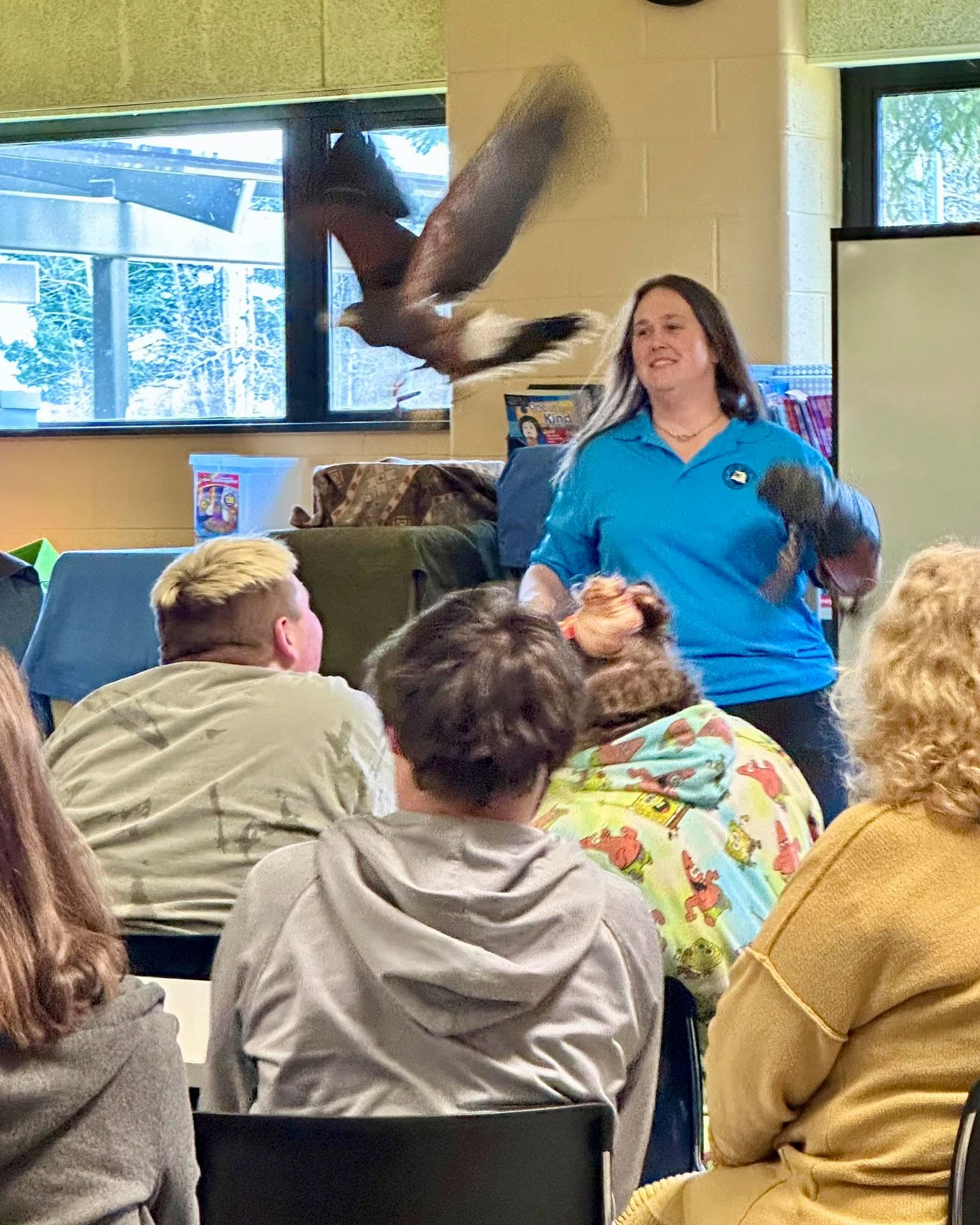
Students at the Hewes Educational Center recently experienced an immersive educational encounter with the natural world, courtesy of a captivating visit from the Hawk Creek Wildlife Center Inc. The organization, renowned for its commitment to wildlife rehabilitation, conservation, and education, brought a dynamic and engaging program to the students, aiming to foster compassion and understanding for various species. The initiative underscores the growing importance of experiential learning in environmental education, particularly for younger generations.
A Day of Discovery and Connection
The educational program, designed to bring the natural world to life, featured a diverse array of animals, including impressive raptors, intriguing mammals, and fascinating snakes. Wildlife naturalists from Hawk Creek guided the students through an exploration of each species’ unique characteristics, delving into their natural habitats and intricate behaviors. This hands-on approach to learning aims to move beyond textbook knowledge, allowing students to connect with wildlife on a more personal and memorable level. The program’s core objective is to cultivate a sense of empathy and respect for the animal kingdom, a crucial element in promoting conservation efforts.
A particularly exhilarating moment for the students occurred when a raptor, likely a trained ambassador animal from the center, gracefully soared directly over their heads. Such dynamic demonstrations are a hallmark of Hawk Creek’s educational outreach, designed to create awe-inspiring moments that leave a lasting impression. These experiences are vital in igniting curiosity and a passion for wildlife, potentially inspiring future conservationists and advocates. The center’s philosophy emphasizes that direct interaction, when conducted responsibly and educationally, can be a powerful tool in shaping attitudes towards wildlife and their habitats.
Background and Context: The Role of Wildlife Centers in Education
Hawk Creek Wildlife Center Inc. has a long-standing tradition of providing vital services to injured, orphaned, and ill wildlife. Beyond their rehabilitation efforts, the center places a significant emphasis on educational programming. These programs are crucial in bridging the gap between urban or suburban life and the natural environment, often offering students their first meaningful encounters with native wildlife.
The Hewes Educational Center, by hosting such an event, demonstrates a commitment to a well-rounded curriculum that includes science, environmental studies, and character development. Educational institutions are increasingly recognizing the value of partnerships with organizations like Hawk Creek to enrich student learning experiences. These partnerships provide access to specialized knowledge and resources that might otherwise be unavailable.

The history of wildlife education in schools has evolved significantly. Early approaches often relied on static displays or limited animal presentations. However, modern educational methodologies prioritize interactive, engaging, and ethically sound encounters. Hawk Creek’s approach aligns with these contemporary best practices, ensuring that educational programs are not only informative but also promote the welfare of the animals involved. The use of ambassador animals, carefully selected and trained for educational purposes, allows for safe and impactful interactions that highlight the importance of these species in their ecosystems.
Supporting Data and Educational Impact
The effectiveness of such programs is often measured by their ability to increase student knowledge, foster positive attitudes towards wildlife, and encourage pro-environmental behaviors. Studies on wildlife education consistently show that direct encounters with animals, particularly when coupled with expert guidance, lead to higher retention rates of information and a more profound emotional connection to the subject matter.
For instance, research published in journals like the Journal of Environmental Education has indicated that programs featuring live animals can significantly improve students’ understanding of ecological concepts, such as predator-prey relationships, habitat needs, and the impact of human activities on wildlife. Furthermore, the emotional resonance of seeing a raptor fly overhead or observing the unique characteristics of a mammal up close can create a lasting sense of wonder and a desire to protect these creatures.
Hawk Creek Wildlife Center likely utilizes a curriculum that aligns with educational standards, ensuring that the information presented is accurate and age-appropriate. Their programs often cover topics such as:
- Biodiversity: Highlighting the variety of life in local ecosystems and the importance of each species.
- Ecosystem Services: Explaining the roles that animals play in maintaining healthy environments, such as pollination, seed dispersal, and pest control.
- Conservation Challenges: Discussing threats to wildlife, including habitat loss, pollution, and climate change, and the steps individuals can take to help.
- Animal Adaptations: Exploring how different animals have evolved unique physical and behavioral traits to survive in their environments.
The presence of trained naturalists who can answer questions and engage students in discussions is critical. This interactive element transforms passive observation into active learning, encouraging critical thinking and problem-solving skills. The soaring raptor, in this context, is not just a spectacle but a living illustration of avian adaptation and the power of flight, a concept that can be further explored through scientific inquiry.

Chronology of a Wild Encounter
While a precise timeline for the Hewes Educational Center visit is not detailed in the provided content, a typical educational program from Hawk Creek Wildlife Center would likely follow a structured sequence:
- Pre-Visit Preparation: Educators at Hewes Educational Center might have prepared students by introducing them to the concept of wildlife rehabilitation and the animals they might encounter. This could involve discussing the importance of respecting wildlife and understanding their needs.
- Arrival and Welcome: The Hawk Creek Wildlife Center team, including their naturalists and ambassador animals, would arrive at the school. A welcoming introduction would set the stage for the program.
- Introduction to Species: Naturalists would begin by introducing the various animals, starting with general information about the center’s mission and the importance of wildlife conservation.
- Individual Animal Presentations: Each animal or group of animals would be presented, with naturalists sharing detailed information about their species, natural history, adaptations, and conservation status. This segment would likely include demonstrations of natural behaviors.
- Interactive Learning: Opportunities for students to ask questions would be integrated throughout the presentations. This fosters engagement and allows students to explore specific areas of interest.
- The "Wow" Moment: The raptor flight demonstration would likely occur at a strategic point in the program, designed to create maximum impact and awe. This could be followed by discussions about avian flight mechanics, predatory behavior, or the role of raptors in the food web.
- Mammal and Reptile Encounters: Presentations would continue with mammals and snakes, highlighting their unique ecological roles and adaptations. For instance, discussions about nocturnal mammals or the importance of snakes in controlling rodent populations.
- Conservation Call to Action: The program would likely conclude with a summary of key takeaways and a discussion on how students can contribute to wildlife conservation in their daily lives, perhaps by reducing waste, conserving water, or supporting local conservation initiatives.
- Post-Visit Engagement: Teachers at Hewes Educational Center would likely follow up with classroom activities, reinforcing the lessons learned and encouraging further research or creative projects related to wildlife.
Official Responses and Inferred Reactions
While no direct quotes from school officials or parents are available, the decision to host such an event suggests a positive reception and strong endorsement of Hawk Creek’s educational mission. It can be logically inferred that the administration and faculty at Hewes Educational Center recognized the significant pedagogical value of the program.
The organizers at Hawk Creek Wildlife Center would undoubtedly view this visit as a successful fulfillment of their outreach objectives. Their goal is to educate and inspire, and the enthusiastic engagement of students, evidenced by the raptor’s flight demonstration captivating the audience, indicates a high level of success. The presence of the Hawk Creek Wildlife Center Inc. logo and branding throughout their online presence, including their website and social media, signifies a commitment to transparency and a desire to connect with their community. The "Donate" icon prominently displayed on their website further indicates a reliance on public support to sustain their crucial work, suggesting that successful educational outreach events can also serve as a catalyst for community engagement and financial contributions.
Broader Impact and Implications
The visit from Hawk Creek Wildlife Center Inc. to the Hewes Educational Center has several broader implications:
- Environmental Literacy: Such programs contribute significantly to building environmental literacy among young people. In an era where environmental challenges are increasingly pressing, fostering an informed and engaged citizenry from an early age is paramount.
- Wildlife Conservation: By educating students about the importance of wildlife and the threats they face, these programs lay the groundwork for future conservation efforts. Students who develop a connection with nature are more likely to become responsible stewards of the environment.
- Educational Innovation: The success of programs like Hawk Creek’s encourages other educational institutions to seek out similar partnerships, driving innovation in how environmental education is delivered. It highlights the effectiveness of experiential learning and the power of real-world encounters.
- Community Engagement: Wildlife centers often serve as vital community resources. Educational programs not only benefit the students but also raise awareness among parents and the wider community about the importance of local wildlife and conservation efforts. The "Share This Story" prompt further emphasizes the desire to extend the reach of this educational experience beyond the immediate attendees.
The visit serves as a powerful reminder of the interconnectedness of humans and the natural world. By bringing wildlife directly to the students, Hawk Creek Wildlife Center Inc. is not just providing an educational experience; they are nurturing a generation that is more likely to understand, appreciate, and protect the planet’s biodiversity. The author of the original post, identified as "Amanda," and likely a staff member of Hawk Creek, plays a crucial role in documenting and disseminating these impactful outreach efforts, contributing to the center’s ongoing mission of fostering compassion and saving species.
