
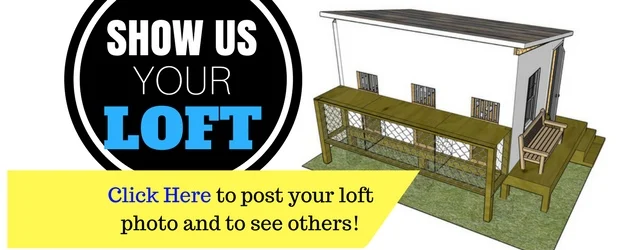
The Pigeon Insider Community, a prominent global network for pigeon racing enthusiasts, has launched a collaborative digital initiative titled "Show Us Your Loft!" designed to foster transparency, education, and community engagement among fanciers worldwide. By inviting members to share photographic documentation of their avian facilities, the organization aims to create a living archive of contemporary loft design, ranging from modest backyard setups to high-tech professional installations. This initiative reflects a broader shift within the sport of pigeon racing, as traditional local clubs increasingly leverage social media and digital platforms to exchange specialized knowledge and celebrate the diverse architectural approaches to columbiculture.
The Digital Transformation of Pigeon Racing Communities
The "Show Us Your Loft" campaign is hosted primarily through the Pigeon Insider’s social media channels, specifically targeting their Facebook following of thousands of active members. This move signifies the growing importance of digital connectivity in a sport that was historically localized. For decades, the nuances of loft construction and management were passed down through word-of-mouth or within the confines of regional clubs. However, the rise of online communities has democratized this information, allowing a beginner in Southeast Asia to observe and replicate the ventilation systems used by champion racers in Belgium or the United Kingdom.
By encouraging members to post images of their lofts, Pigeon Insider is facilitating a peer-to-peer learning environment. These visual contributions serve as practical case studies in spatial management, hygiene protocols, and security measures. The initiative acknowledges that the "loft" is the heartbeat of the sport; it is the laboratory where breeding, training, and recovery occur. Consequently, the sharing of these spaces provides invaluable insights into the daily operations that lead to competitive success.
The Architectural Anatomy of a Racing Loft
To understand the significance of the "Show Us Your Loft" initiative, one must consider the complex requirements of a functional racing pigeon loft. Unlike standard poultry housing, a racing loft must meet rigorous standards to ensure the peak athletic performance of its inhabitants. The photographic submissions seen thus far highlight several critical architectural elements that define modern loft design.
Ventilation and Airflow Dynamics
Perhaps the most scrutinized feature in any shared loft photo is the ventilation system. Expert fanciers emphasize that "air is the most important food for a pigeon." A well-designed loft must facilitate a constant exchange of air without creating drafts, which can lead to respiratory issues. Professional-grade lofts often feature "open-front" designs or intricate ceiling vents that utilize the stack effect to pull stale air upward and out. The visual data provided by the community allows others to see how different climates—ranging from the humid tropics to the arid desert—dictate variations in airflow management.
Orientation and Sunlight Exposure
Another key takeaway from the community-contributed images is the strategic orientation of the structures. In the Northern Hemisphere, lofts are predominantly south or southeast-facing to maximize morning sunlight. Sunlight is a natural disinfectant and provides essential Vitamin D to the birds. The "Show Us Your Loft" entries demonstrate how fanciers utilize translucent roofing materials or large windows to harness solar energy, which helps keep the loft dry and maintains the birds’ circadian rhythms.
The Trap and Landing System
The "trap" is the mechanism through which pigeons enter the loft after a race. Modern designs frequently feature electronic timing sensors integrated into the landing board. Community photos often showcase various trap designs, such as the "Sputnik" trap, which allows birds to enter easily but prevents them from exiting or allowing predators to gain access. These images serve as a gallery of innovation, showing how fanciers customize their landing zones to reduce the critical seconds lost between a bird arriving and its arrival being officially recorded.
Seasonal Management and Environmental Adaptations
The timing of the "Show Us Your Loft" initiative coincides with critical seasonal shifts in the pigeon racing calendar. As noted in related guidance from the Pigeon Insider, management practices in months like August are pivotal for the health of the flock. During this period, many fanciers are navigating the "moult"—the process by which pigeons shed their old feathers and grow new ones.
The shared photos often reveal how lofts are adapted for seasonal needs. For instance, during the moult or the peak heat of summer, fanciers may install additional shade cloths or misting systems, which are visible in the background of their community posts. This seasonal context is vital; a loft that performs exceptionally well in the winter may require significant modifications to remain viable during the summer racing season. The initiative allows for a real-time dialogue on how physical structures are managed to combat environmental stressors.
Health and Biosecurity: The Foundation of Performance
A recurring theme in the discussions surrounding the "Show Us Your Loft" campaign is the role of the environment in maintaining a "Realistic Health Program." Disease prevention is the cornerstone of pigeon racing, and the cleanliness of the loft is the first line of defense.

Supporting data from avian health studies suggests that overcrowding and dampness are the primary drivers of loft-borne illnesses such as Coccidiosis and Trichomoniasis. By viewing the interiors of successful lofts through the Pigeon Insider platform, newcomers can observe the high standards of hygiene required for success. This includes the use of "deep litter" systems versus scraped floors, the placement of water fountains to prevent contamination, and the isolation of "widowhood" sections to reduce stress among racing cocks.
The initiative also highlights the importance of biosecurity. Many shared photos show double-entry systems or wire-mesh floors that prevent the birds from coming into contact with their own droppings. These visual cues reinforce the "10 Commandments of Performance" often cited by the community, which place health and environment at the top of the priority list.
Cultural Significance and the Documentary Perspective
The interest in loft aesthetics and functionality is not merely technical; it is deeply cultural. This was explored in the "American Pigeon Racing" documentary, which highlighted the diversity of the sport across the United States. From the rooftop lofts of New York City to the sprawling rural compounds of the Midwest, the "Show Us Your Loft" initiative continues this narrative of cultural diversity.
For many fanciers, the loft is a sanctuary and a point of personal pride. The investment in these structures can range from a few hundred dollars for a repurposed garden shed to tens of thousands of dollars for custom-built, climate-controlled facilities. By sharing these spaces, members of the Pigeon Insider Community are sharing a piece of their personal history and their dedication to the craft. This emotional connection is what sustains the sport across generations, as evidenced by the "Beginners" section of the community, which frequently utilizes these photos to inspire the next generation of racers.
Broader Impact and Global Implications
The "Show Us Your Loft" initiative has implications that extend beyond simple social media engagement. It serves as a form of "citizen science" and collective intelligence. When hundreds of fanciers share their setups, patterns emerge regarding what works and what does not in specific geographic regions.
Standardization of Best Practices
The visual archive created by this initiative contributes to a global standardization of best practices. As fanciers observe the success of certain designs, those designs are replicated, leading to an overall improvement in the welfare of racing pigeons globally. This is particularly important as the sport faces increasing scrutiny regarding animal welfare; transparently showing the high-quality living conditions of these birds helps to counter negative stereotypes.
Economic and Industry Growth
Furthermore, the initiative provides a window into the auxiliary industries that support pigeon racing. Visible in the photos are specific brands of feed, supplements (such as those from Bare Organics, as seen in the source material), and specialized hardware. This organic product placement within the community drives economic activity and informs manufacturers about the evolving needs of the modern fancier.
Conclusion: The Future of Collaborative Columbiculture
The Pigeon Insider’s "Show Us Your Loft" campaign is more than a request for photos; it is a testament to the power of community in the digital age. By breaking down the walls of the individual loft and inviting the world to look inside, fanciers are contributing to a more informed, connected, and successful sporting community.
As the initiative continues to grow, it is expected to generate a massive repository of architectural and management data that will serve as a reference for years to come. Whether it is a simple "Simple Plan to Keeping Your Racing Pigeons Healthy" or a complex discussion on "August Management," the loft remains the central character in the story of pigeon racing. Through this open exchange, the Pigeon Insider Community ensures that the secrets of the masters are available to all, ensuring the sport’s longevity and the birds’ continued health and performance. The invitation remains open to all members: share your space, tell your story, and contribute to the global legacy of pigeon racing.

