
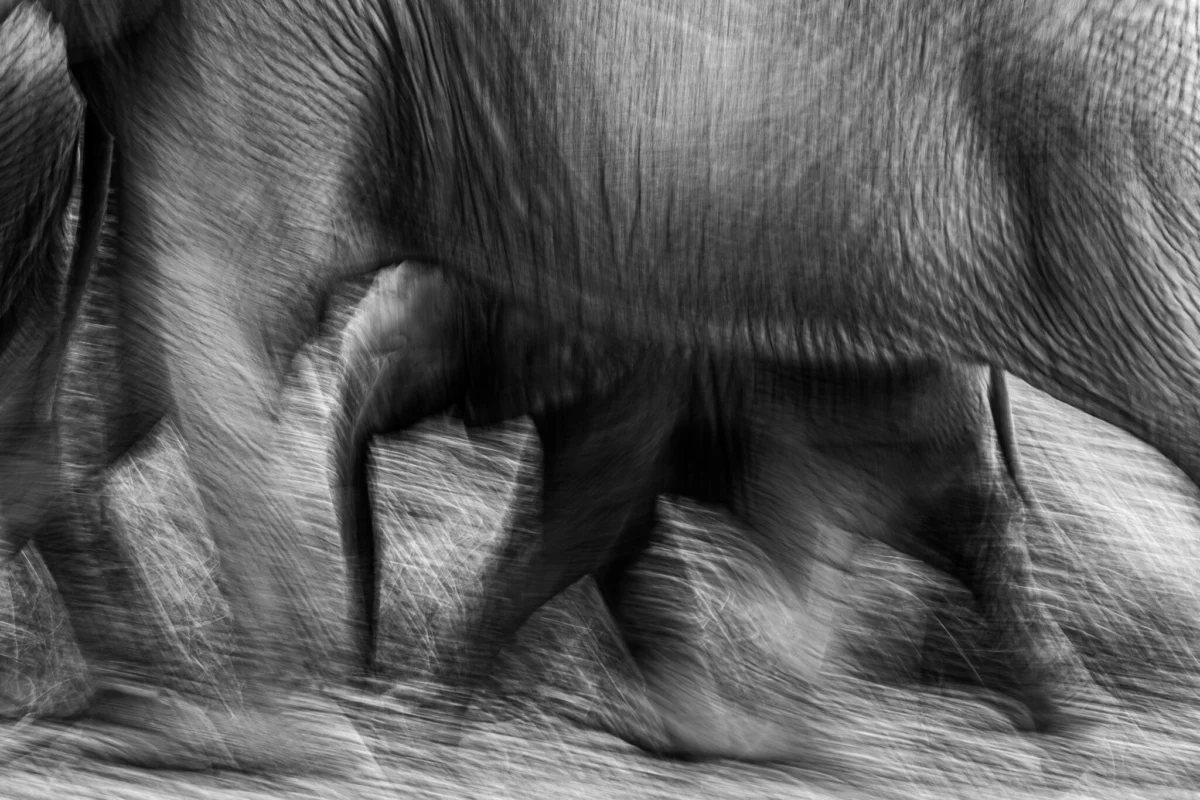
In an era increasingly dominated by the pursuit of technical perfection and hyper-sharp imagery, acclaimed wildlife photographer Mohammad Murad has carved a distinctive path, advocating for an artistic approach that prioritizes motion, light, and raw emotion over mere documentation. Murad, a Canon EMEA Ambassador, interprets the natural world through a lens that seeks to convey the pulse and narrative of wildlife, inviting viewers into a deeper, more visceral connection with the stories unfolding in the wild. His innovative techniques and profound respect for his subjects position his work as a compelling dialogue between art and nature, challenging conventional boundaries in wildlife photography and subtly championing conservation through emotional resonance.

The Philosophy of Fluidity: Redefining Wildlife Documentation

Murad’s artistic journey took a pivotal turn with a seemingly simple observation: a flock of cormorants gliding across water. This moment, characterized by fluid movement rather than static precision, sparked an experimental phase that would redefine his photographic signature. By intentionally lowering his shutter speed, Murad discovered a means to transform scenes into dynamic, painterly renditions of life. This deliberate embrace of techniques such as slow shutter speeds, panning, and Intentional Camera Movement (ICM) became more than a technical choice; it evolved into a fundamental language for articulating the inherent energy and continuous flow of nature.

Traditional wildlife photography often emphasizes capturing subjects with immaculate sharpness, freezing a moment in time to reveal intricate details. While this approach offers invaluable scientific and documentary insights, Murad’s work suggests an alternative, equally powerful engagement. His method, by blurring elements and accentuating streaks of light, aims to evoke the feeling of movement, the essence of the animal’s existence within its environment, rather than just its static form. This distinction is crucial; it shifts the viewer’s perception from analytical observation to emotional immersion. For instance, his image of zebras fleeing a cheetah, rendered with a slow shutter speed, transforms a high-stakes moment into an abstract ballet of survival, emphasizing the chaotic energy and speed rather than individual anatomical details. Similarly, a herd of gazelles racing across the Mara plains becomes a blur of determination and urgency, the variation between light and shadow accentuating their desperate flight. This deliberate artistic choice underscores the narrative power of motion, creating images that are not just seen but felt.

Light as Narrative: Crafting Emotional Depth

Beyond motion, light serves as a primary storyteller in Murad’s photographic repertoire. He views light not merely as illumination but as a dynamic element capable of shaping mood, tension, and poetry within a scene. His astute understanding of natural light allows him to transform familiar landscapes and subjects into profound emotional experiences. Golden light, for example, can soften the harshest contours of a wilderness, imbuing it with warmth and tranquility. Shadows, conversely, are employed to introduce an element of mystery or impending drama, creating depth and intrigue. Backlight, a technique he frequently utilizes, can turn a common bird into an ethereal silhouette, its edges glowing with a luminous halo, elevating the subject to an almost mythical status.

Murad often demonstrates immense patience, waiting for hours for the precise quality of light to manifest. This waiting is not for perfection in exposure but for an honest capture of the scene’s emotional weight. His sunset photographs exemplify this philosophy. A hyena, full-bellied and solitary against the setting sun, is more than an image of an animal; it’s a poignant portrayal of resilience and solitude at the close of day. The herd of blue wildebeest, kicking up dust under a dramatic, warm yellow glow of the setting sun, evokes the raw energy and precariousness of life on the plains. In another striking example, a White (Pied) Wagtail is surrounded by flying mosquitoes at sunset in a Kuwaiti nature reserve. By positioning the sun behind the subject, Murad crafts a glowing backdrop, transforming a mundane scene into a moment of natural magic. This mastery of light allows him to transcend mere representation, crafting visual narratives that resonate deeply with the human experience of wonder and awe in the face of nature.

Urban Wilderness: The Foxes of Kuwait City

One of Murad’s most compelling projects delves into the unexpected realm of urban wildlife, documenting Arabian red foxes thriving amidst the sprawling cityscape of Kuwait. This series, captured along the Doha shore near Kuwait City, beautifully illustrates his commitment to finding profound stories in unconventional settings. For over two months, Murad dedicated four days a week to visiting the foxes’ den after sunset, meticulously observing and patiently earning the trust of the fox family.

The setting itself presented a unique challenge and opportunity: the vibrant, multi-colored street and car lights of Kuwait City reflecting off the sea. Murad ingeniously leveraged these urban light sources, augmenting them with two small handheld flashlights to create a distinct rim light effect on the foxes. This technique not only illuminated his subjects but also integrated them into their urban backdrop, creating a magical glow that highlighted their presence in a human-dominated environment. His photographs from this series, featuring Arabian red fox cubs gazing into the camera with streetlights creating a beautiful bokeh, or kits exploring the night outside their den, are a testament to nature’s adaptability.

This project was deeply personal for Murad, a father of five, who felt a strong kinship and responsibility towards the fox family. His dedication paid off, as the foxes gradually grew accustomed to his presence, even approaching his gear and licking his camera and feet. This intimate bond allowed him to capture incredibly tender moments, such as the mother fox digging up hidden food for her five curious kits—a ritual of survival and care played out against the backdrop of a bustling city. The Arabian red fox (Vulpes vulpes arabica), a subspecies known for its adaptability, has successfully colonized urban areas across the Arabian Peninsula, often scavenging for food scraps. Murad’s work not only documents this fascinating coexistence but also serves as a powerful reminder of the resilience of wildlife and the often-overlooked biodiversity within urban landscapes. It implicitly advocates for better understanding and protection of these urban dwellers, fostering a sense of shared responsibility for their well-being within the community.

Global Expeditions and Enduring Lessons

Murad’s artistic quest has led him far beyond the urban edges of Kuwait, taking him to the remote deserts of Mongolia and the icy expanses of Iceland. These global expeditions are not just opportunities to photograph diverse wildlife but profound lessons in resilience, adaptability, and the unpredictable nature of the wild. He recounts facing numerous challenges, including lost luggage in remote areas, battling arctic winds, and enduring extreme temperatures that plummeted to -34°C. Yet, he views these obstacles not as impediments but as essential teachers, shaping his approach and deepening his connection to the environments he explores.

In Hornstrandir Nature Reserve, an untouched wilderness in Iceland reachable only by boat, Murad encountered Arctic foxes (Vulpes lagopus). His images from this pristine landscape capture the solitary grace of these animals, like a fox curled up peacefully behind snow-covered dry plants, seemingly looking into his lens. This reserve, depopulated since the 1950s, offers unparalleled tranquility and a glimpse into pure nature, underscoring the importance of preserving such isolated ecosystems. Similarly, his arduous journey to Mongolia’s Altai Mountains yielded a rare and awe-inspiring encounter with the elusive snow leopard (Panthera uncia). Enduring fierce winds and extreme cold, Murad was rewarded with a photograph of this endangered predator, perfectly camouflaged against fiery orange lichens and rugged rocks. The snow leopard, listed as Vulnerable by the IUCN, faces threats from poaching and habitat loss, making such photographic captures not only artistic achievements but also vital tools for raising awareness about their precarious existence.

These experiences have solidified Murad’s belief that the most profound images often emerge when one ceases to control every variable and instead allows the scene to unfold organically. His philosophy is to move with nature, not against it, embracing serendipity and the unexpected moments that reveal the true character of the wilderness. This ethos is reflected in his patient pursuit of the snow leopard, the respectful distance he maintained with the Arctic fox, and the long hours spent with the urban foxes. Each journey, each challenge, reinforces the idea that true connection with nature requires presence, humility, and an openness to its inherent unpredictability.

Beyond the Visible: The Quest for Creative Expression and Conservation

At the core of Mohammad Murad’s photographic practice lies a fundamental desire to transcend mere visual representation. He aims for his images to be felt, to resonate on an emotional frequency that connects viewers to the intrinsic value and fragility of the natural world. This ambition drives his continuous experimentation with techniques that move beyond conventional documentation. Whether translating the delicate dance of a bird in flight into an abstract blur, capturing the stoic resilience of a herd, or hinting at the silent, primal conversation between predator and prey, Murad seeks to interpret life itself through his lens.

His role as a Canon EMEA Ambassador further amplifies his message, allowing him to inspire a wider audience to explore their own creative voices. Murad consistently encourages fellow photographers to step away from the relentless pursuit of technical perfection and instead trust their instincts, to embrace subjectivity and emotional depth in their work. This perspective is gaining increasing traction within the broader photographic community, as artists and conservationists alike recognize the power of evocative imagery to foster empathy and drive engagement. By presenting wildlife not just as subjects but as characters in an unfolding narrative, Murad’s photography builds a bridge between human emotion and the wild. This emotional connection is a powerful catalyst for conservation, as people are more likely to protect what they feel deeply connected to. His artistic reinvention of scenes, adding mystery and personal interpretation, is akin to a musician playing a personal melody, leaving the final resonance to the listener, or in this case, the viewer. His slow shutter shot of a baby elephant and its mother in Tanzania, for instance, is not just a picture; it’s an invitation to ponder the profound bonds of nature, framed through an artistic lens that emphasizes their enduring journey.

Conclusion: An Ongoing Dialogue with Nature

For Mohammad Murad, photography is an enduring journey, a perpetual dance between light and shadow, motion and stillness, precision and the beautiful chaos of chance. Through his distinctive images, he extends an open invitation to viewers to join this dance, to feel the world’s rhythmic heartbeat, and to look beyond the surface of what is seen. Every frame Murad captures is imbued with a piece of his personal story—his challenges, his wonder, and his profound respect for the natural world.

His work stands as a compelling testament to the idea that wildlife photography can be both a powerful artistic medium and a potent tool for environmental advocacy. By consciously moving away from purely documentary styles, Murad enriches the visual narrative of nature, encouraging a deeper, more empathetic understanding of its inhabitants. It is a call to action, not through stark warnings, but through the gentle, persistent allure of beauty and emotional resonance. He hopes his unique perspective inspires others to seek their own rhythm in the wild, to discover their creative voice, and to perceive photography not merely as a technical craft, but as an ever-evolving, deeply personal conversation with the living, breathing world around us. His legacy will be defined not just by the stunning aesthetics of his images, but by the emotional bridges they build between humanity and the invaluable wild.
