
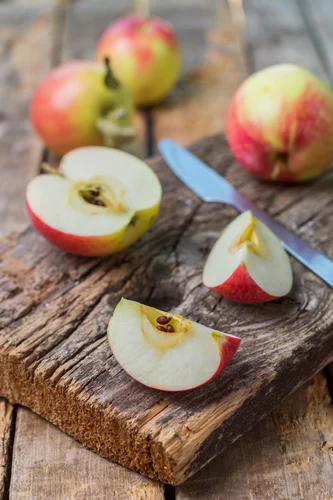
The practice of supplementing poultry diets with fresh produce has become a cornerstone of modern backyard flock management, with apples frequently serving as a favored treat among hobbyists and small-scale farmers. While apples offer a robust profile of vitamins, minerals, and dietary fiber, recent horticultural and veterinary insights emphasize a critical distinction between the fruit’s flesh and its seeds. While the flesh of the apple is a nutritional powerhouse for avian species, the seeds contain cyanogenic glycosides that pose a potential, albeit dose-dependent, risk to poultry health. Understanding the balance between nutritional enrichment and toxicological safety is essential for maintaining a healthy and productive flock.
The Nutritional Profile of Apples in Avian Diets
Apples are more than just a palatable snack for chickens; they are a source of vital micronutrients that can enhance the overall well-being of the birds. The primary benefits of incorporating apples into a chicken’s diet include high levels of fiber, antioxidants, and vitamins such as Vitamin C and Vitamin A. Dietary fiber, particularly the soluble fiber known as pectin, plays a significant role in promoting gut health. In poultry, a healthy microbiome is essential for efficient nutrient absorption and the prevention of pathogens like Salmonella or E. coli.

Antioxidants found in apples, such as quercetin and various flavonoids, help combat oxidative stress in chickens. This is particularly important for high-production laying hens, whose bodies undergo significant physiological stress during the egg-laying cycle. Furthermore, the hydration provided by the high water content in apples makes them an excellent supplemental treat during summer months, helping to mitigate heat stress in the coop.
The Chemical Composition of Apple Seeds and the Cyanide Risk
The primary concern regarding feeding whole apples to chickens lies in the seeds. Apple seeds contain a compound called amygdalin, a cyanogenic glycoside. When apple seeds are crushed, chewed, or digested, the amygdalin interacts with digestive enzymes to release hydrogen cyanide (HCN). Cyanide is a potent toxin that interferes with cellular respiration by inhibiting cytochrome c oxidase, an enzyme in the mitochondrial electron transport chain. Essentially, cyanide prevents cells from utilizing oxygen, leading to rapid cellular hypoxia.
While the amount of cyanide in a single apple seed is minute, the cumulative effect or the impact on smaller, younger, or immunocompromised birds can be significant. In the context of poultry, which have a much lower body mass than humans, the threshold for toxicity is significantly lower. Symptoms of cyanide poisoning in chickens can manifest rapidly and include:

- Cyanosis: Often visible as a blue-ish or purple tint to the comb and wattles, indicating a lack of oxygen in the blood.
- Respiratory Distress: Labored breathing or gasping for air as the body attempts to compensate for cellular oxygen starvation.
- Neurological Impairment: Loss of coordination, tremors, or lethargy.
- Cardiovascular Collapse: Rapid heart rate followed by cardiac arrest in severe cases.
Agricultural experts and toxicologists note that while a healthy adult hen might tolerate the occasional accidental ingestion of a few seeds, the risk of acute poisoning or chronic low-level toxicity makes the removal of seeds a necessary safety protocol for responsible poultry owners.
Broader Context: Cyanogenic Compounds in Stone Fruits
The risk associated with apple seeds is part of a broader category of dietary hazards involving "stone fruits" or the Prunus genus. This category includes peaches, plums, apricots, and cherries. The pits of these fruits contain the same cyanogenic compounds found in apple seeds, often in higher concentrations.
While the hard exterior of a peach or plum pit generally prevents a chicken from accessing the toxic kernel inside, the danger increases if the pits are cracked or if the fruit is overripe and the pit has split. For this reason, the standard recommendation for poultry enrichment involves pitting all stone fruits and coring apples before they are introduced to the coop environment. This preventative measure ensures that the birds can enjoy the succulent flesh of the fruit without exposure to internal toxins.

Chronology of Poultry Nutrition and the Shift Toward Enrichment
The approach to feeding backyard chickens has evolved significantly over the last several decades.
- Early 20th Century: Chickens were largely viewed as scavengers, fed primarily on kitchen scraps and grain byproducts with little regard for specific nutritional toxicology.
- Late 20th Century: The rise of commercial poultry farming led to the development of highly standardized "complete feeds," which prioritized egg and meat output but often lacked dietary variety.
- The 21st Century "Backyard Boom": With the resurgence of small-scale homesteading, there has been a renewed focus on "enrichment feeding." This involves using whole foods to stimulate natural foraging behaviors.
- Current Standards: Modern poultry science now emphasizes the "10% Rule," which dictates that treats and supplements should not exceed 10% of a bird’s total daily caloric intake. This ensures that the primary nutritional needs are met by balanced commercial feeds while allowing for the benefits of fresh produce.
Behavioral Benefits and Physical Stimulation
Beyond nutrition, apples serve as a tool for environmental enrichment. Chickens are highly intelligent and social animals that require mental stimulation to prevent behavioral issues such as feather picking or egg eating.
Poultry keepers often utilize apples in creative ways to encourage physical activity. One common method is the "apple tetherball," where a cored apple is hung from a string just above the birds’ head height. This forces the chickens to jump and peck at the moving target, providing both exercise and entertainment. Slicing or halving apples also allows birds lower in the pecking order to access the treat without being bullied away from a single source. This distribution of resources is key to maintaining flock harmony.

Expert Analysis: The Impact of Treats on Egg Production
While treats like apples are beneficial, an imbalance in the diet can have adverse effects on egg production. Excessive fruit consumption can lead to an intake of sugars that displaces the protein and calcium necessary for eggshell formation and yolk development.
According to Lisa Steele, a well-known expert in natural poultry keeping, treats should be limited to approximately one to two tablespoons per bird per day. This moderation ensures that the hens do not become overweight. Obesity in chickens can lead to "Fatty Liver Hemorrhagic Syndrome," a condition that is often fatal and significantly reduces laying capacity. By coring apples and limiting their intake, keepers provide the benefits of antioxidants and fiber without the risks associated with cyanide or caloric excess.
Safety Protocols and Best Practices for Fruit Supplementation
To maximize the benefits of apples while eliminating the risks, poultry owners are encouraged to follow a strict preparation protocol:

- Coring: Use an apple corer or a knife to remove the center of the apple, ensuring all seeds are discarded in a location inaccessible to the birds.
- Inspection: Ensure the apples are free from heavy mold. While chickens can eat slightly bruised fruit, moldy fruit can contain mycotoxins which are equally dangerous to avian respiratory and digestive systems.
- Slicing: For smaller flocks or younger pullets, slicing the apple into thin wedges prevents choking hazards and ensures even distribution among the birds.
- Cleaning: Remove any uneaten apple remains at the end of the day to prevent attracting rodents or allowing the fruit to ferment in the coop.
Broader Implications for Sustainable Farming
The integration of fruit supplements into poultry diets reflects a larger trend toward circular agriculture and sustainable homesteading. Utilizing "ugly" or surplus fruit that is unfit for human consumption reduces food waste while lowering feed costs for the farmer. However, this practice must be underpinned by a scientific understanding of avian physiology.
The distinction between the "edible" and "toxic" parts of common fruits is a vital piece of knowledge for the modern homesteader. As the popularity of backyard chickens continues to grow globally, the demand for clear, fact-based guidelines on poultry nutrition has never been higher. The case of the apple—a fruit that is simultaneously a health tonic and a potential toxin—serves as a perfect example of the nuances involved in animal husbandry.
Final Summary of Findings
In conclusion, apples are a highly recommended treat for chickens, offering significant health benefits including improved gut motility and antioxidant support. However, the presence of amygdalin in apple seeds presents a clear biological risk that cannot be ignored. By adopting a "safety-first" approach—removing seeds and pits from all Rosaceae family fruits—poultry keepers can provide their flocks with a diverse, stimulating, and healthy diet. The 10% rule remains the gold standard for supplemental feeding, ensuring that treats remain a positive addition to a balanced nutritional foundation. Through proper preparation and moderated feeding, the simple apple can continue to be a staple of avian enrichment.
