
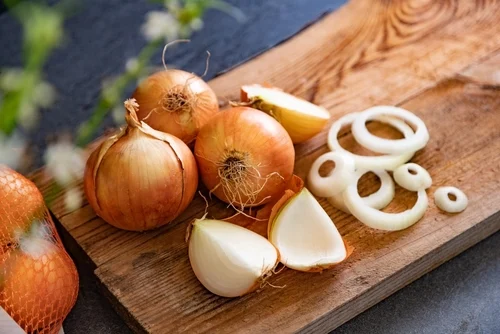
The practice of feeding kitchen scraps to backyard poultry has long been a staple of sustainable homesteading, yet veterinary experts are issuing a stern warning regarding the inclusion of onions and other members of the allium family in avian diets. While chickens are often viewed as opportunistic omnivores capable of processing a wide variety of organic waste, the chemical composition of onions presents a physiological challenge that can lead to debilitating illness or sudden mortality. The primary culprit is a compound known as thiosulphate, a toxin that triggers a cascade of hematological failures within the avian body, specifically targeting the integrity of red blood cells.
The Toxicological Mechanism of Thiosulphate
To understand why onions are hazardous to chickens, one must examine the specific interaction between thiosulphate and avian physiology. Thiosulphate is a sulfur-containing compound prevalent in onions, shallots, leeks, scallions, and chives. When ingested by poultry, this compound undergoes metabolic processes that result in the formation of highly reactive oxidants. These oxidants attack the hemoglobin within the chicken’s red blood cells, causing the protein to clump and form what are known as Heinz bodies.

The presence of Heinz bodies makes the red blood cells fragile and misshapen. As these damaged cells circulate through the bird’s system, the spleen identifies them as defective and removes them from the bloodstream at an accelerated rate. Because a chicken’s bone marrow cannot produce new red blood cells fast enough to replace those being destroyed, the bird enters a state of hemolytic anemia. This condition significantly impairs the blood’s ability to transport oxygen to vital organs, leading to a systemic decline in health.
Clinical Symptoms and Progression of Toxicity
The onset of onion toxicity in chickens can be subtle, often appearing as general malaise before progressing to more acute stages. Owners of backyard flocks are advised to monitor for a specific set of clinical signs that indicate the presence of Heinz body anemia. Initial symptoms frequently include lethargy and a noticeable reduction in activity levels, as the bird’s body struggles to maintain energy levels despite a lack of oxygen.
As the condition worsens, respiratory distress becomes evident. Chickens may exhibit rapid, shallow breathing or panting as they attempt to compensate for the reduced oxygen-carrying capacity of their blood. Digestive upset, specifically diarrhea, is another common indicator of systemic toxicity. In advanced cases, jaundice may occur, evidenced by a yellowish tint to the skin or the whites of the eyes, resulting from the excessive breakdown of red blood cells and the subsequent buildup of bilirubin. If a chicken consumes a large quantity of onions in a short period, or is fed small amounts consistently over time, the resulting internal stress can lead to heart failure and death.

The Allium Spectrum: From Onions to Garlic
The risk profile of the allium family is not uniform across all species, which often leads to confusion among poultry keepers. While onions (Allium cepa) contain the highest concentrations of thiosulphate and are considered the most dangerous, other plants in the genus also pose threats. Shallots, leeks, scallions, and chives all contain varying levels of the toxin and should generally be excluded from the diet to ensure flock safety.
Garlic (Allium sativum) occupies a unique and often debated position within this botanical group. While it is technically a member of the allium family and does contain thiosulphate, the concentration is significantly lower—roughly a fraction of what is found in a standard yellow or red onion. Furthermore, garlic is prized in the poultry community for its purported antimicrobial and immune-boosting properties. Veterinary consensus suggests that while fresh garlic should be administered with caution and in strictly controlled quantities, processed versions such as garlic powder carry a negligible toxic risk. The drying and heating processes involved in manufacturing garlic powder further reduce the volatile sulfur compounds, making it a common additive in commercial and artisanal poultry feeds intended to support respiratory health and deter parasites.
Historical Context and the Rise of Backyard Poultry Nutrition
The resurgence of backyard chicken keeping over the last two decades has shifted the focus from industrial production to domestic animal welfare. In earlier eras of agriculture, chickens were often left to forage freely, and supplemental feeding consisted of whatever was available in the farm kitchen. However, as the scale of domestic keeping has moved into suburban environments, the variety of "human foods" offered to birds has increased, raising the stakes for nutritional education.

Data from agricultural extensions and veterinary toxicology departments indicate an upward trend in accidental poisonings as new hobbyists enter the field. Unlike commercial poultry operations, which utilize precisely formulated pelleted diets, backyard keepers often rely on "treat-based" feeding. This shift has necessitated a more rigorous scientific understanding of avian dietary restrictions. The identification of thiosulphate as a specific threat to poultry mirrors similar findings in canine and feline medicine, where onions have long been recognized as a cause of life-threatening anemia.
Expert Analysis and Veterinary Recommendations
Leading poultry experts, including noted author and researcher Lisa Steele, emphasize that the potential health benefits of onions—such as their antioxidant content—are far outweighed by the physiological risks. The consensus among avian veterinarians is a policy of total avoidance. Unlike humans, who possess metabolic pathways capable of processing moderate amounts of these sulfur compounds, the avian metabolic rate and blood structure make them uniquely vulnerable to oxidative damage.
In response to the prevalence of onion-related health issues, veterinary organizations have established protocols for managing suspected toxicity. Treatment often involves the immediate removal of the toxin source and supportive care, including oxygen therapy and, in rare cases, blood transfusions for high-value or pet birds. However, the most effective strategy remains preventative education. Agricultural researchers suggest that keepers should treat their flocks’ diets with the same scrutiny applied to household pets like dogs or cats, recognizing that "natural" foods are not inherently safe.

Economic and Environmental Implications of Flock Health
The impact of dietary toxicity extends beyond the welfare of individual birds; it carries economic implications for the small-scale producer. The loss of a laying hen represents a loss of several years of egg production and the initial investment in brooding and raising the bird to maturity. Furthermore, chronic sub-lethal toxicity can lead to a decrease in egg quality and shell strength, as the bird’s body diverts resources away from reproduction to repair damaged tissues.
From an environmental perspective, the push for "zero-waste" kitchens has encouraged the feeding of all vegetable scraps to livestock. While this is a noble goal, it must be tempered with biological reality. Diversion of onion skins and ends to a compost pile rather than the chicken coop is the recommended course of action. This ensures that the nutrients eventually return to the soil without endangering the lives of the animals tasked with managing the homestead.
Safe Alternatives and Nutritional Best Practices
To satisfy the chicken’s natural instinct for foraging and variety, keepers are encouraged to provide safe, nutrient-dense alternatives that do not carry the risk of hemolytic anemia. Leafy greens such as kale, Swiss chard, and romaine lettuce offer high vitamin content without toxic compounds. Berries, melons, and squashes are also excellent sources of hydration and antioxidants.

The modern approach to poultry nutrition emphasizes a "90/10" rule: 90% of the diet should consist of a balanced, commercially prepared poultry feed, while the remaining 10% can be composed of safe treats and forage. By adhering to this ratio and strictly excluding high-risk foods like onions, chocolate, avocado pits, and dried beans, keepers can ensure the longevity and productivity of their flocks.
Conclusion: The Path Forward for Poultry Keepers
As the community of backyard poultry enthusiasts continues to grow, the dissemination of factual, science-based information remains critical. The case of onion toxicity serves as a reminder that while chickens are resilient animals, their internal chemistry is specialized and sensitive to specific botanical toxins. By recognizing the dangers of thiosulphate and the mechanics of Heinz body anemia, keepers can make informed decisions that prioritize the health of their birds. The transition from traditional "scrap feeding" to a sophisticated understanding of avian nutrition marks a significant step forward in the humane and efficient management of domestic poultry. For the modern homesteader, the message is clear: the onion, a staple of the human larder, has no place in the chicken coop.
