
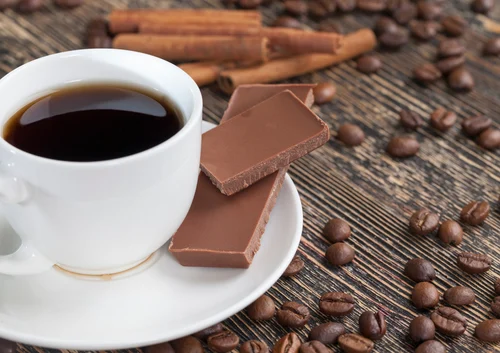
The rise of backyard poultry keeping over the last decade has transformed the humble chicken from a purely utilitarian livestock animal into a cherished household pet. However, this shift in status has brought with it a significant increase in accidental poisonings, as well-meaning owners often share kitchen scraps and snacks with their flocks without a full understanding of avian physiology. Among the most dangerous substances commonly found in households are chocolate and various sources of caffeine, both of which contain chemical compounds that are highly toxic to chickens. Veterinary experts and agricultural scientists warn that even minute quantities of these substances can lead to catastrophic health failures, ranging from severe gastrointestinal distress to sudden cardiac arrest.
The Chemical Profile of Toxicity: Methylxanthines and Theobromine
To understand why chocolate and caffeine are lethal to poultry, one must examine the chemical composition of these substances. Chocolate, coffee, and tea contain a class of alkaloids known as methylxanthines. In humans, these compounds act as mild central nervous system stimulants, providing the familiar "energy boost" associated with a morning cup of coffee or a piece of dark chocolate. However, the metabolic pathways of birds are significantly different from those of humans.
The primary methylxanthines of concern are caffeine and theobromine. Theobromine is the principal alkaloid found in the cacao bean and, consequently, in all chocolate products. While humans possess the necessary enzymes to metabolize theobromine relatively quickly, chickens—much like dogs and cats—process this compound at a much slower rate. This leads to a toxic buildup in the bloodstream. Theobromine acts as a vasodilator, a diuretic, and a heart stimulant. In birds, which already possess a naturally high resting heart rate and a high metabolic rate, the addition of a potent stimulant can push the cardiovascular system beyond its physiological limits.

Caffeine, while similar to theobromine, is more potent in its effect on the central nervous system. It works by antagonizing adenosine receptors, which prevents the bird’s body from signaling the need for rest and regulation. In a poultry context, this leads to an overstimulation of the heart and lungs, often resulting in tachycardia (abnormally rapid heart rate) and eventual organ failure.
Clinical Symptoms and the Progression of Toxicity
When a chicken ingests chocolate or caffeine-laden products, the onset of symptoms can be rapid, often appearing within one to four hours of consumption. The severity of the reaction is typically dose-dependent, influenced by the weight of the bird and the concentration of the toxin. For instance, dark chocolate and baking chocolate contain significantly higher levels of theobromine than milk chocolate, making them far more dangerous.
The initial stage of toxicity often manifests as gastrointestinal distress. Owners may observe vomiting or a sudden onset of diarrhea. As the toxins are absorbed into the bloodstream, the bird may show signs of extreme restlessness or hyperactivity. This is not a sign of "energy," but rather a neurological reaction to the overstimulation of the nervous system.
As the condition progresses, more severe symptoms emerge:

- Tachycardia and Arrhythmia: The heart rate increases to dangerous levels, and the rhythm becomes erratic. Because a chicken’s heart already beats between 250 and 350 times per minute under normal conditions, an induced increase can easily lead to heart failure.
- Tremors and Seizures: The nervous system begins to misfire, leading to involuntary muscle twitching and full-body seizures.
- Panting and Respiratory Distress: The bird may stand with its wings held away from its body and its beak open, struggling to oxygenate its blood as the heart fails to pump effectively.
- Coma and Death: In high-dose cases, the bird will eventually collapse into a comatose state. Death usually occurs via cardiac arrest or respiratory failure.
A History of Avian Dietary Science and the "Pet Chicken" Era
The understanding of avian toxicology has evolved significantly since the early 20th century. Historically, chickens were kept on large farms where their diet consisted primarily of foraged insects, seeds, and commercial grain. The concept of "treats" was largely non-existent. However, the "Backyard Chicken Revolution" of the early 2000s, which accelerated during the global pandemic of 2020, changed the landscape of poultry nutrition.
As chickens moved from the barnyard to the suburban backyard, they began to be treated more like companion animals. This transition led to an increase in "table scrapping"—the practice of feeding birds leftovers from the family meal. While many vegetables and grains are safe, the inclusion of processed human foods has introduced new risks. Agricultural extension offices and veterinary universities have had to increase public education efforts to combat the rising number of accidental poisonings.
Data from animal poison control centers suggest that chocolate ingestion is a seasonal risk, peaking during holidays such as Easter, Halloween, and Christmas, when chocolate is more prevalent in households and more likely to be accidentally dropped or intentionally fed to pets.
Identifying Hidden Sources of Caffeine and Toxins
The danger to poultry is not limited to the occasional piece of chocolate. Many common household items contain hidden sources of caffeine and methylxanthines that can be just as deadly:

- Coffee Grounds and Tea Bags: Many gardeners use spent coffee grounds as a nitrogen-rich fertilizer or compost additive. If chickens are allowed to forage in garden beds or compost piles where fresh grounds have been disposed of, they may ingest toxic levels of residual caffeine. Similarly, tea bags contain concentrated tea leaves that remain hazardous even after brewing.
- Energy and Sports Drinks: While it may seem unlikely that a chicken would consume these, spills in outdoor seating areas or the disposal of half-empty cans in accessible trash bins can lead to ingestion. These drinks often contain high levels of caffeine and synthetic stimulants.
- Baked Goods: Chocolate cakes, brownies, and donuts are double-threats. While they may have a lower concentration of theobromine than a pure chocolate bar, they are often high in fats and processed sugars. Chickens are not biologically equipped to process high-fat diets, which can lead to Fatty Liver Hemorrhagic Syndrome (FLHS), a leading cause of death in backyard hens.
- Cocoa Mulch: Some landscapers use cocoa bean shells as a decorative mulch. These shells retain significant amounts of theobromine and can be lethal if pecked at and swallowed by inquisitive birds.
Veterinary and Agricultural Perspectives
Professional responses to avian chocolate poisoning are generally focused on prevention, as there is no specific "antidote" for theobromine poisoning in birds. Dr. Lisa Steele, a well-known expert in natural poultry keeping and author of several books on the subject, emphasizes that the small size of chickens makes them particularly vulnerable. Unlike a large dog that might survive a small piece of milk chocolate, a five-pound hen has very little margin for error.
Agricultural extension specialists recommend a "strict no-exception" policy regarding caffeine and chocolate. They argue that because chickens are opportunistic omnivores, they will eat almost anything offered to them, regardless of its toxicity. Therefore, the burden of safety lies entirely on the owner to curate the environment.
In the event of suspected ingestion, veterinarians suggest immediate isolation of the bird to monitor for heart rate spikes and the administration of activated charcoal to help bind toxins in the digestive tract before they are fully absorbed. However, the success rate for treating methylxanthine poisoning in birds remains low once neurological symptoms have begun.
Broader Implications and Economic Impact
The loss of a bird to accidental poisoning has both emotional and economic consequences. For the backyard hobbyist, the death of a "pet" hen is a distressing event. For small-scale egg producers, the loss of a productive bird represents a direct hit to the efficiency and output of the flock. Replacing a point-of-lay hen can cost between $25 and $50, not including the labor and feed costs invested in raising the bird.

Furthermore, the prevalence of these toxins in the environment highlights a need for better waste management in backyard settings. The integration of chickens into permaculture and composting systems must be done with an awareness of what materials are being introduced. The "closed-loop" system of feeding kitchen scraps to chickens is only sustainable and safe if the scraps are vetted for toxic compounds.
Conclusion and Safe Alternatives
To ensure the health and longevity of a backyard flock, owners should pivot toward scientifically-backed treats that provide nutritional value without the risk of toxicity. Safe alternatives include leafy greens (such as kale and spinach), berries (blueberries and raspberries), non-citrus fruits, and protein sources like mealworms or black soldier fly larvae.
The consensus among avian health professionals is clear: chocolate and caffeine have no place in a chicken’s diet. By understanding the chemical mechanisms of these toxins and maintaining a vigilant eye on the flock’s environment, poultry keepers can prevent unnecessary tragedies and ensure their birds thrive in a safe, stimulant-free environment. Education remains the most effective tool in the prevention of avian toxicology, turning the tide against common but avoidable household hazards.
