
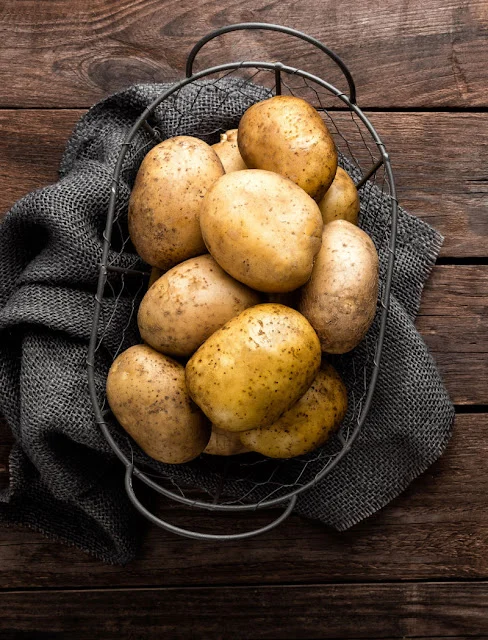
The rising popularity of backyard poultry farming has led to an increased focus on supplemental feeding practices, particularly the repurposing of kitchen scraps into "treats" for domestic hens. However, agricultural experts and avian nutritionists are issuing critical guidance regarding the common potato, a staple vegetable that poses varying degrees of risk and benefit depending on its botanical classification. While the term "potato" is used broadly in culinary contexts, the biological differences between white potatoes, sweet potatoes, and yams dictate whether they are a nutritious supplement or a potential neurotoxin for poultry. Understanding these distinctions is paramount for flock owners seeking to maintain avian health and optimize egg production.

The Taxonomy of Risk: The Nightshade Family and Solanine Toxicity
At the center of the debate over poultry nutrition is the white potato (Solanum tuberosum), along with its red and yellow varietals. Despite their ubiquity in the human diet, these vegetables belong to the Solanaceae or nightshade family. This botanical group, which also includes tomatoes, eggplants, and peppers, is characterized by the production of various alkaloids designed to protect the plants from pests and pathogens.
The primary concern for poultry is solanine, a glycoalkaloid poison. Solanine acts as a natural pesticide and neurotoxin. In chickens, the ingestion of solanine can lead to a range of physiological disruptions. According to veterinary reports, the toxin affects the nervous system and the gastrointestinal tract. Symptoms of solanine poisoning in poultry include lethargy, loss of appetite, severe diarrhea, respiratory distress, and in extreme cases, paralysis or death.

The concentration of solanine is not uniform throughout the plant. The highest levels are found in the green portions of the potato, specifically the leaves, stems, and vines. Within the tuber itself, solanine is concentrated in the skin—particularly if it has turned green due to light exposure—and the "eyes" or sprouts. While the flesh of a fully ripe, unsprouted white potato contains lower levels of the toxin, the cumulative effect of feeding raw peelings or sprouted tubers to a flock can be detrimental.
The Impact of Heat on Glycoalkaloids
A common misconception among poultry keepers is that cooking white potatoes renders them entirely safe for chickens. Journalistic investigations into agricultural data suggest that heat stability is a major factor in solanine persistence. While high-heat methods, such as baking or frying at temperatures exceeding 400 degrees Fahrenheit, may partially degrade solanine, standard boiling has a negligible effect.

Because boiling does not significantly reduce the glycoalkaloid content, the water used to boil potatoes can actually concentrate the toxins. If this water is then mixed into a poultry mash, the risk of toxicity remains high. Consequently, the consensus among avian experts is to avoid feeding white potatoes in any form, though well-cooked, peeled, and fully ripened tubers pose a lower risk than their raw or green counterparts.
The Sweet Potato Exception: A Nutritional Superfood
Contrasting sharply with the risks associated with white potatoes is the sweet potato (Ipomoea batatas). Despite the similarity in name, sweet potatoes are members of the Convolvulaceae or morning glory family and are entirely unrelated to the nightshade family. This botanical distinction is the reason sweet potatoes lack the toxic solanine found in white potatoes.

From a nutritional standpoint, sweet potatoes are considered a "superfood" for poultry. They are rich in beta-carotene, which the chicken’s body converts into Vitamin A—a crucial nutrient for immune function, growth, and the development of healthy feathers and skin. Furthermore, sweet potatoes provide a robust profile of:
- Vitamin C and Vitamin B6: Essential for metabolic health and stress management.
- Potassium and Manganese: Vital for bone density and eggshell quality.
- Fiber: Aids in digestive regularity.
Unlike white potatoes, every part of the sweet potato plant is safe for avian consumption. This includes the tubers (flesh and skin), the vines, and the leaves. Poultry can consume sweet potatoes raw or cooked, making them an ideal candidate for garden-to-coop feeding programs. Agricultural extension offices often recommend sweet potatoes as a carbohydrate source that provides more micronutrients and fewer "empty" calories than traditional white tubers.

Navigating the Complexity of Yams
The third category often conflated with potatoes is the true yam (Dioscorea). Primarily grown in Africa and parts of Asia, yams belong to the lily family (Dioscoreaceae). While they are safe for chickens under specific conditions, they require more careful preparation than sweet potatoes.
Yams contain various plant proteins and compounds that can be toxic when consumed raw. Specifically, certain species of yams contain dioscorine, an alkaloid that can cause gastrointestinal distress and neurological symptoms if not neutralized by heat. Therefore, it is an absolute requirement that yams be peeled and thoroughly cooked before being offered to a flock.

Additionally, yams—much like spinach and beet greens—contain oxalic acid. In high concentrations, oxalic acid can interfere with calcium absorption. For laying hens, calcium is the primary component of eggshells. Excessive intake of oxalates can lead to "calcium binding," resulting in soft-shelled eggs or, in severe cases, metabolic bone disease in the bird. While yams offer beneficial fiber, potassium, and Vitamin B5, they should be fed in moderation and always as a cooked supplement.
Comparative Chronology of Consumption and Health Outcomes
To better understand the implications of these feeding choices, agricultural researchers have observed the long-term effects of tuber consumption in domestic flocks.

- Immediate Response (0–24 hours): Chickens fed raw, green white potato skins may show immediate signs of gastrointestinal upset. In cases of high solanine intake, birds may appear uncoordinated or "drunk" as the neurotoxins affect their motor functions.
- Short-Term Impact (1–7 days): Flocks transitioning to a sweet potato-heavy supplement often show improved vigor and more vibrant yolk color due to the high carotenoid content.
- Long-Term Implications (Months/Years): Continuous low-level exposure to solanine from white potato scraps can lead to chronic organ stress. Conversely, a diet balanced with safe root vegetables like sweet potatoes supports sustained egg production and longevity.
Data Analysis: Nutritional Profiles of Tubers (Per 100g)
| Nutrient | White Potato (Boiled) | Sweet Potato (Boiled) | Yam (Boiled) |
|---|---|---|---|
| Calories | 87 kcal | 76 kcal | 116 kcal |
| Vitamin A | 0 IU | 14,187 IU | 138 IU |
| Vitamin C | 13 mg | 12.8 mg | 12.1 mg |
| Potassium | 379 mg | 230 mg | 670 mg |
| Fiber | 1.8 g | 2.5 g | 3.9 g |
| Toxin Risk | High (Solanine) | None | Medium (Dioscorine/Oxalates) |
This data underscores why the sweet potato is the preferred choice for poultry owners. The massive disparity in Vitamin A content alone makes the sweet potato a superior functional food for maintaining flock health.
The 10 Percent Rule: Maintaining a Balanced Avian Diet
Regardless of the safety profile of the vegetable, avian nutritionists emphasize the "10 Percent Rule." Modern commercial poultry feeds are precision-engineered to provide the exact ratio of protein, amino acids, and minerals required for a hen to produce an egg every 24 to 26 hours.

When owners supplement this diet with kitchen scraps, they risk diluting the necessary protein levels. Treats—including sweet potatoes and cooked yams—should never exceed 10% of the bird’s total daily caloric intake. This equates to approximately one tablespoon per bird per day. Overfeeding even "safe" vegetables can lead to obesity, reduced egg production, and fatty liver hemorrhagic syndrome (FLHS).
Broader Implications for Food Safety and Waste Management
The distinction between these tubers has broader implications for sustainable agriculture. As more households move toward "zero-waste" lifestyles, the chicken coop is often viewed as a living compost bin. However, this journalistic review highlights that the coop cannot be a catch-all for organic waste.

Agricultural experts suggest that white potato peels and sprouted tubers should be diverted to traditional composting piles rather than the poultry run. In a compost pile, the solanine eventually breaks down as the organic matter decomposes, posing no threat to the soil or future crops. By segregating waste—sending sweet potato scraps to the chickens and white potato scraps to the compost—homeowners can maximize their resource efficiency without compromising animal welfare.
Official Responses and Expert Recommendations
National poultry organizations and agricultural extensions have recently updated their literature to reflect these nuances. The general consensus among these bodies is a policy of caution. "If there is any doubt regarding the identity of a root vegetable or its state of ripeness, it is safer to withhold it from the flock," states a summary of recent veterinary guidelines.

The primary recommendations for poultry keepers are as follows:
- Eliminate white potatoes from the poultry treat list to avoid accidental solanine poisoning.
- Prioritize sweet potatoes as a primary supplemental carbohydrate and vitamin source.
- Always cook yams and feed them sparingly to avoid oxalate-related calcium issues.
- Inspect all food for mold, as mycotoxins in moldy potatoes are universally fatal to poultry, regardless of the vegetable type.
In conclusion, while chickens are hardy omnivores capable of processing a diverse array of foods, the biological reality of the "potato" is complex. By distinguishing between the toxic alkaloids of the nightshade family and the nutrient-dense profile of the morning glory family, poultry keepers can ensure their flocks remain healthy, productive, and safe from preventable nutritional hazards.
