
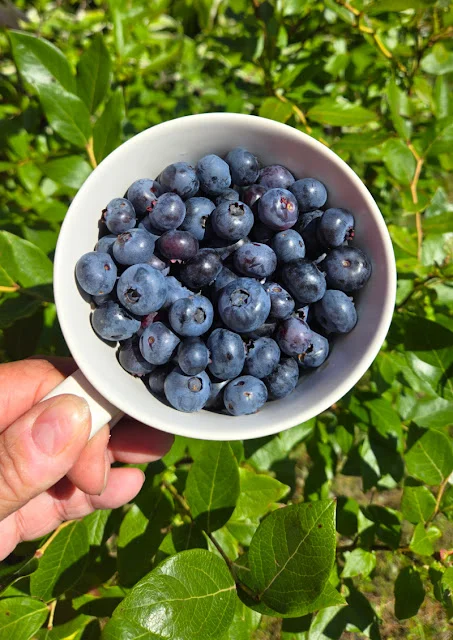
The integration of high-antioxidant fruit supplements into the diets of backyard poultry has emerged as a significant trend in small-scale agricultural management, with blueberries taking center stage as a premier "superfood" for domestic flocks. As the backyard chicken movement continues to expand across North America and Europe, poultry nutritionists and experienced keepers are increasingly advocating for the inclusion of nutrient-dense supplements that go beyond standard commercial feed. Blueberries, characterized by their high concentrations of vitamins, minerals, and phytochemicals, offer a diverse range of physiological benefits that contribute to the overall longevity, immune resilience, and reproductive health of chickens and ducks.
While commercial poultry pellets are formulated to provide a baseline of survival and production requirements, they often lack the complex phytonutrients found in fresh produce. Scientific analysis of the Vaccinium genus, which includes both the low-bush native varieties common in regions like Maine and the larger cultivated high-bush varieties, reveals a chemical composition that aligns exceptionally well with avian metabolic needs. These berries are not merely a caloric treat but serve as a functional food capable of modulating inflammation, supporting cognitive function, and enhancing the structural integrity of the skeletal system in birds.

The Biochemical Profile of Blueberries in Avian Nutrition
To understand the efficacy of blueberries as a poultry supplement, it is necessary to examine their specific nutritional components. Blueberries are primary sources of Vitamin C and Vitamin K. In poultry, Vitamin C serves as a vital antioxidant, particularly during periods of heat stress or environmental transition, helping to maintain cellular integrity. Vitamin K is essential for the synthesis of proteins required for blood coagulation and bone metabolism. Given that high-production laying hens utilize significant calcium reserves for eggshell formation, the bone-supporting properties of Vitamin K-rich supplements are of particular importance to prevent osteoporosis and cage layer fatigue.
Beyond vitamins, blueberries contain significant levels of manganese and potassium. Manganese is a cofactor for several enzymes and is crucial for the development of healthy connective tissue and bone matrix. Potassium plays a critical role in electrolyte balance and nerve impulse transmission. However, the most notable components of blueberries are the anthocyanins—the pigments responsible for the fruit’s deep blue hue. These flavonoids are potent antioxidants that have been shown to reduce systemic inflammation and provide cardioprotective benefits. In an avian context, reducing inflammation is key to preventing common ailments such as bumblefoot (plantar pododermatitis) and various reproductive tract infections.
Chronology of the Shift Toward Holistic Poultry Husbandry
The transition toward incorporating fresh fruit supplements like blueberries into poultry diets reflects a broader shift in the history of domestic bird keeping.

- Pre-Industrial Era (Prior to 1900): Poultry were largely kept as scavengers, foraging for insects, seeds, and wild berries. Their diets were naturally diverse, though often inconsistent in caloric density.
- The Rise of Commercialization (1920s–1950s): The development of fortified "mash" and pellets standardized poultry nutrition. This era focused on maximum caloric efficiency and rapid growth, often at the expense of dietary variety.
- The Backyard Revolution (2000s–Present): As more households began keeping small flocks for self-sufficiency and companionship, there was a resurgence of interest in "old-timer" methods combined with modern nutritional science.
- The Superfood Integration Phase (2015–Present): Influencers and avian experts began highlighting the benefits of specific fruits and vegetables. Blueberries were identified as a top-tier supplement due to their low sugar-to-nutrient ratio compared to other fruits.
This timeline illustrates a move away from purely utilitarian feeding toward a more preventative and holistic healthcare model for backyard flocks. The current emphasis is on using diet as a primary tool for disease prevention and the enhancement of egg quality.
Digestive Health and the Prebiotic Effect
Recent advancements in avian gastrointestinal research have highlighted the importance of the gut microbiome in bird health. Blueberries contribute to this through their fiber content and prebiotic properties. Prebiotics are non-digestible food ingredients that promote the growth of beneficial microorganisms in the intestines. By serving as "food" for probiotics (such as Lactobacillus), the fibers in blueberries help maintain a balanced gut flora.
A healthy microbiome is the first line of defense for a chicken’s immune system. It aids in the efficient absorption of nutrients and prevents the colonization of pathogenic bacteria like Salmonella or E. coli. Furthermore, the improved digestion facilitated by these berries can lead to better waste management within the coop, as a more efficient digestive process often results in drier, less odorous droppings.

Safety Protocols and Administration Guidelines
Despite the overwhelming benefits, the administration of blueberries must be handled with professional care to ensure bird safety. One primary concern cited by poultry experts is the potential for choking, particularly in smaller breeds or younger birds (pullets). To mitigate this risk, it is recommended that berries be sliced or halved before being offered to the flock.
Furthermore, the "10% Rule" remains a gold standard in poultry nutrition. Agricultural extensions and veterinary professionals emphasize that supplemental treats—even those as healthy as blueberries—should not exceed 10% of a bird’s total daily caloric intake. For an average-sized laying hen, this equates to approximately one to two tablespoons per day. Over-supplementation can lead to nutritional imbalances, as the birds may fill up on fruit and neglect their balanced commercial feed, which contains the essential amino acids and calcium necessary for egg production.
Expert Perspectives and Veterinary Analysis
While many backyard keepers rely on anecdotal evidence, the scientific community has begun to validate these practices. Dr. Aris S. Retzlaff, an avian nutrition consultant, notes that "the inclusion of berries in a controlled manner provides a variety of phytochemicals that are simply not stable enough to be included in heat-processed commercial pellets."

Veterinary responses generally support the use of blueberries as a tool for improving "flock welfare." By providing a complex food item that requires foraging and pecking behavior, keepers are also providing mental stimulation, which reduces stress and prevents behavioral issues such as feather picking or egg eating. The "mental cognitive support" mentioned by practitioners refers to the reduction of oxidative stress in the brain, which can help older hens remain more active and engaged with their environment.
Broader Implications for the Agricultural Sector
The trend of feeding "superfoods" to chickens has implications that extend beyond the individual backyard. There is a growing consumer demand for "pasture-raised" or "supplement-enhanced" eggs. Eggs from hens that consume a diet high in antioxidants often feature darker yolks and may contain higher levels of Omega-3 fatty acids and vitamins, depending on the diversity of the supplements provided.
Economically, this has spurred a niche market for "poultry-grade" produce. Local farmers who may have surplus blueberries that are too small or slightly bruised for grocery store shelves are finding a secondary market in the backyard poultry community. This creates a more sustainable, circular local food economy where fruit waste is minimized and converted into high-quality animal protein in the form of eggs.

Analysis of Long-term Impacts on Avian Longevity
Integrating blueberries into a flock’s diet is a long-term investment in bird health. Chronic diseases in poultry, such as congestive heart failure (common in certain fast-growing breeds) and various cancers, can be mitigated by a diet rich in anti-inflammatory agents. The anthocyanins in blueberries serve as a shield for the cardiovascular system, strengthening blood vessel walls and improving circulation.
For the poultry keeper, the results are often visible in the physical appearance of the birds. Improved eye health, shiny plumage, and sturdy bone structure are frequently reported markers of a diet supplemented with fresh berries. As the avian immune system is bolstered by the continuous intake of Vitamin C and antioxidants, the flock becomes less susceptible to the seasonal viruses and environmental pathogens that can often devastate small-scale operations.
In conclusion, the practice of feeding blueberries to chickens and ducks represents a sophisticated marriage of traditional husbandry and modern nutritional science. By understanding the biochemical benefits and adhering to strict administration guidelines, poultry keepers can significantly enhance the quality of life for their birds. As research continues to uncover the deep connections between avian diet and systemic health, the role of "superfoods" in the coop is likely to transition from an optional treat to a fundamental component of proactive flock management.
