

Wetlands International expresses profound solidarity with the millions of Filipino families grappling with the severe impacts of the ongoing energy crisis, exacerbated by the escalating US-Iran war. The organization acknowledges the immense hardship faced by communities and stands firmly with them in advocating for immediate, long-term, and sustainable energy solutions. Central to this call is a robust investment in renewable energy, a strategy that promises to secure the nation’s energy future without jeopardizing its invaluable natural heritage.
The declaration of a State of National Energy Emergency under Executive Order 110 by the Philippine government underscores the gravity of the situation. In response, Wetlands International implores the government to accelerate and decisively pivot towards renewable energy sources. This strategic shift is not merely an economic imperative but an environmental necessity, particularly in light of renewed efforts to pursue oil and gas exploration within the Liguasan Marsh.
The Ecological Significance of Liguasan Marsh
The Liguasan Marsh, a vast expanse of swamps and marshes in south-central Mindanao, represents one of the Philippines’ most vital and biodiverse wetland systems. It is not simply a geographical feature but a critical ecological lifeline. As Dr. Annadel Cabanban, Country Director of Wetlands International Philippines, emphasizes, "The Liguasan Marsh is not just a wetland—it is a lifeline for communities, wildlife, and our climate resilience. We cannot afford to damage an ecosystem that safeguards us from floods, supports fisheries, and stores vast amounts of carbon. A truly secure energy future is one that strengthens, not sacrifices, the natural systems that protect Filipino lives."
The marsh plays an indispensable role in regulating regional water levels, acting as a natural buffer against devastating floods that disproportionately affect local communities. Its rich biodiversity supports numerous species, many of which are endemic to the region, and sustains critical fisheries that are a primary source of livelihood and food security for surrounding populations. Furthermore, like many pristine wetlands, Liguasan Marsh is a significant carbon sink, playing a crucial role in mitigating climate change by sequestering atmospheric carbon dioxide.
Risks Associated with Oil and Gas Exploration
Wetlands International voices deep concern over the potential ramifications of oil and gas exploration in this ecologically sensitive area. While the urgency of addressing the energy crisis is understood, the organization stresses that any exploration or exploitation of natural resources within the Liguasan Marsh must be preceded by rigorous environmental impact assessments and inclusive, meaningful consultations with scientific and environmental experts.
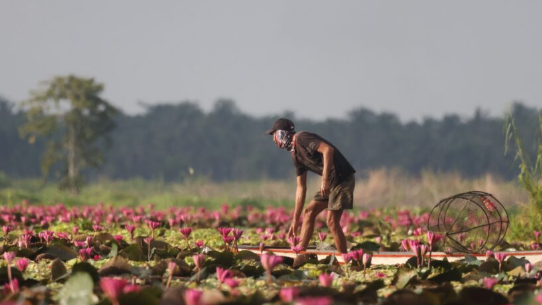
The potential risks of such activities are multifaceted and severe. Unregulated extraction can lead to the contamination of vital freshwater sources, impacting both human health and the delicate aquatic ecosystems. Increased industrial activity and infrastructure development could disrupt natural water flows, potentially exacerbating flood risks rather than mitigating them. The introduction of pollutants from drilling operations and potential spills poses a direct threat to the diverse flora and fauna of the marsh, leading to habitat degradation and species loss.
Moreover, the disturbance of wetland soils and vegetation during exploration and extraction can release significant quantities of stored carbon into the atmosphere, contributing to greenhouse gas emissions and undermining global climate mitigation efforts. This directly contradicts the Philippines’ commitments to climate action and resilience. The livelihoods and cultural heritage of indigenous communities and local populations who depend on the marsh’s resources are also under direct threat from such extractive activities.
Broader Implications for Philippine Wetlands and Climate Resilience
The concerns surrounding Liguasan Marsh are not isolated; they represent a broader threat to the Philippines’ extensive network of wetlands and forests. These natural ecosystems provide essential services that underpin national development and human well-being. These services include the provision of clean water, ensuring food security through sustainable fisheries and agriculture, offering coastal protection from storm surges, and supporting a rich tapestry of biodiversity.
Degrading these vital systems erodes their capacity to deliver these services, leaving communities more vulnerable to environmental shocks and climate change impacts. The loss of carbon sequestration capacity in these ecosystems further intensifies the climate crisis, creating a feedback loop of environmental degradation. The implications are stark: compromised water security, diminished food availability, increased vulnerability to natural disasters, and a weakened ability to meet national and international climate targets.
The Path Forward: A Just and Rapid Energy Transition
Wetlands International advocates for a development path that is both responsible and sustainable, one that actively safeguards the nation’s natural capital, upholds its climate obligations, and secures the well-being of present and future generations. In this critical juncture, the organization strongly urges the Philippine government to prioritize investments in renewable energy technologies.
The benefits of a swift transition to renewables extend beyond environmental protection. They offer a pathway to enhanced energy security, reducing reliance on volatile global fossil fuel markets and mitigating the economic shocks associated with international conflicts. Renewable energy sources like solar, wind, and geothermal power can be developed domestically, creating local jobs and fostering technological innovation.

The Philippines can draw inspiration and practical guidance from the successes of its Southeast Asian neighbors. Vietnam has demonstrated remarkable progress in rapidly expanding its solar energy capacity. Indonesia is leading in the development of renewable microgrids, bringing clean energy to remote communities. Thailand has successfully implemented community-based biomass systems, empowering local economies. Malaysia has fostered a competitive market for solar energy through well-structured auctions. These examples collectively illustrate that energy security and environmental stewardship are not mutually exclusive goals but can, and must, advance in tandem.
Dr. Cabanban reiterates this crucial point: "Moving away from fossil fuels is not only an energy decision—it is a wetlands decision. Every wetland we protect strengthens our resilience against floods, droughts, and climate impacts that fossil fuels continue to worsen. By reducing our reliance on oil and investing in renewable energy, we allow vital wetlands like the Liguasan Marsh to keep doing what they do best: protect communities, sustain biodiversity, and stabilize our climate."
A Call for Science-Based Policy and Community Engagement
Wetlands International Philippines is committed to collaborating with government agencies, civil society organizations, and scientific institutions to help shape an energy transition that is both resilient and sustainable. This transition must be guided by a long-term, future-oriented energy strategy that prioritizes the protection of wetlands, adheres to the principles of scientific integrity, and ensures meaningful engagement with local communities.
The organization emphasizes that scientific and community consultations are not mere procedural steps but fundamental to ensuring that energy development projects are environmentally sound, socially equitable, and culturally sensitive. The wisdom and traditional knowledge of local communities, who are often the frontline stewards of these ecosystems, must be integrated into decision-making processes.
Conclusion: Forging a Sustainable Future
The current energy crisis, compounded by geopolitical instability, presents a pivotal moment for the Philippines. It is an opportunity to fundamentally reassess its energy trajectory and embrace a future where energy security is inextricably linked with environmental protection, climate resilience, and the fundamental dignity and well-being of all Filipinos. By prioritizing investments in renewable energy and safeguarding its irreplaceable natural heritage, the Philippines can forge a path towards a prosperous and sustainable future for generations to come. Wetlands International stands ready to support this vital endeavor.
