

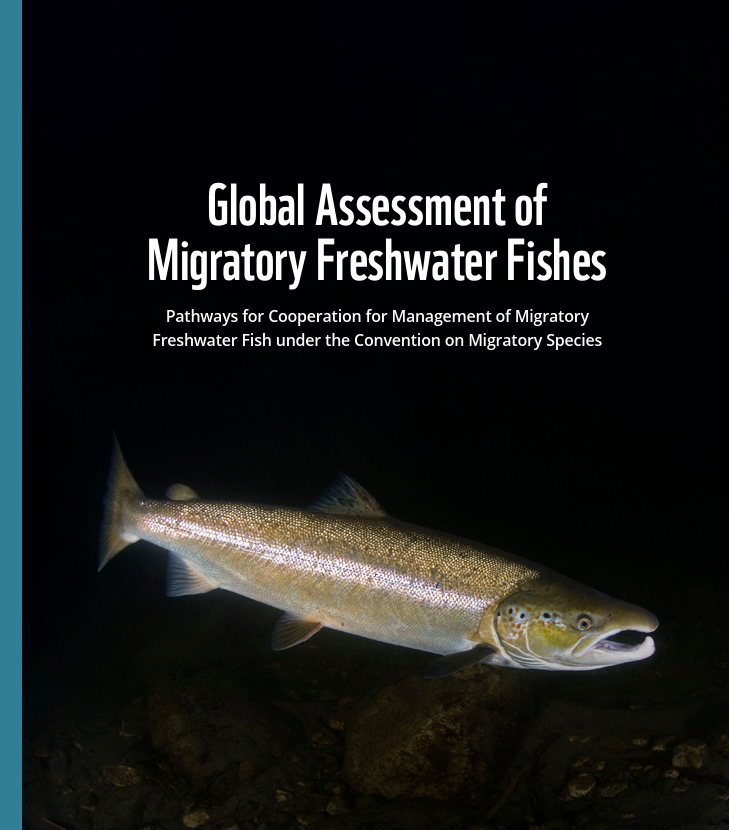
The world’s rivers are witnessing the rapid collapse of some of the most significant and longest-distance animal migrations on Earth, according to a groundbreaking new assessment released by the UN Convention on the Conservation of Migratory Species of Wild Animals (CMS). The report, titled The Global Assessment of Migratory Freshwater Fishes, unveiled at the CMS COP15 in Brazil, paints a dire picture of these vital species, identifying them as among the most imperiled wildlife globally. These fish are not only crucial for maintaining the health of river ecosystems but also underpin substantial inland fisheries that support hundreds of millions of people worldwide.
The assessment has identified 325 species of migratory freshwater fish as candidates for coordinated international conservation efforts. This highlights a biodiversity crisis that has largely been overlooked, unfolding across the planet’s shared river basins. The accelerating declines of these species are attributed to a confluence of human-induced pressures, including extensive dam construction that fragments habitats, pervasive pollution from agricultural and industrial sources, unsustainable fishing practices, and the increasingly disruptive impacts of climate change on aquatic ecosystems.
A Hidden Crisis Beneath the Surface
Freshwater ecosystems, in general, are experiencing more rapid population declines than their terrestrial and marine counterparts. However, the specific crisis facing migratory freshwater fish has garnered significantly less international attention. Many of these species depend on vast, uninterrupted river corridors to connect their critical life stages: spawning grounds, feeding areas, and nursery habitats in floodplains. These journeys often traverse multiple national borders, making conservation a complex international challenge. When dams, altered flow regimes, or habitat degradation interrupt these essential pathways, fish populations can plummet dramatically.
The report’s findings are stark: migratory freshwater fish populations worldwide have plummeted by an estimated 81% since 1970. This statistic is particularly alarming when compared to broader biodiversity loss trends. Furthermore, nearly all (97%) of the 58 migratory fish species already listed under CMS, encompassing both freshwater and saltwater species, are now threatened with extinction. The new assessment, by delving deeper into the status of freshwater species specifically, identifies hundreds of these migratory fish with an unfavorable conservation status. It emphatically underscores that effective conservation necessitates managing rivers as interconnected systems rather than isolated national waterways.
The Urgent Need for International Cooperation
Dr. Zeb Hogan, lead author of the assessment, emphasized the critical nature of the findings. "Many of the world’s great wildlife migrations take place underwater," Dr. Hogan stated. "This assessment shows that migratory freshwater fish are in serious trouble, and that protecting them will require countries to work together to keep rivers connected, productive, and full of life." This sentiment is echoed by Coenraad Krijger, CEO of Wetlands International, who highlighted the alarming rate of decline: "Migratory freshwater fish populations are in freefall: crashing around 81% since 1970. We need to accelerate efforts to safeguard their Swimways and invest in the conservation of these species, which are critical to communities and ecosystems across the globe. This is why migratory fishes are one of the priorities in Wetlands International’s new 10-year strategy."
The assessment provides governments with practical tools that can be deployed immediately to address the crisis. These include strengthening international agreements, enhancing transboundary cooperation, implementing effective fisheries management, restoring river connectivity, and mitigating pollution. The report also stresses the importance of data collection and research to better understand migratory patterns and threats.
Spotlight on South America’s Vital River Systems
Brazil, as the host nation for COP15, has taken a leading role in proposing conservation measures, particularly for South America’s two largest river systems: the Amazon and the La Plata-Paraná. The Amazon Basin, while currently one of the last great refuges for migratory freshwater fish, faces escalating threats from intensifying development pressures, including deforestation, mining, and dam construction.
These rivers are renowned for supporting some of the longest freshwater migrations on record. A prime example is the dorado catfish (Brachyplatystoma rousseauxii), a large, bottom-dwelling species recognized for its striking metallic skin and impressive size, reaching up to two meters in length. This fish is highly valued in commercial fisheries. Its life cycle includes a remarkable migration of 11,000 kilometers, from its origins in the Andean headwaters to coastal nursery grounds, representing one of the longest known freshwater migrations of any fish species.
To bolster conservation efforts, Brazil, in collaboration with other nations, is proposing a Multi-species Action Plan for Amazonian Migratory Catfish (2026-2036). This plan, developed through regional cooperation, aims to address the complex challenges facing these species across their migratory routes.
Further demonstrating its commitment, Brazil has also proposed the addition of the spotted sorubim catfish (Pseudoplatystoma corruscans) to CMS Appendix II. This initiative highlights the urgent need for coordinated action within the La Plata Basin, where this species is severely threatened by dam construction, altered river flows, and intense fishing pressures. These proposed initiatives represent some of the most ambitious international efforts to date to protect migratory freshwater fish. They powerfully reinforce the core mission of CMS: that conservation solutions for migratory species must encompass their entire range and depend on international collaboration for success.
The Broader Implications of Freshwater Fish Decline
The decline of migratory freshwater fish has profound implications that extend far beyond the ecological realm. These fish are a vital food source for millions, particularly in developing nations, and support significant economic activity through commercial and subsistence fisheries. Their disappearance threatens food security, livelihoods, and cultural heritage for numerous communities.
Moreover, these species play a critical role in maintaining the health and resilience of freshwater ecosystems. As they move between different habitats, they transport nutrients, connect food webs, and help regulate ecological processes. The disruption of these migrations can lead to cascading negative effects throughout the riverine environment, impacting other aquatic life and the services rivers provide, such as clean water and flood regulation.
The ongoing damming of rivers worldwide, a major driver of habitat fragmentation, presents a significant hurdle. While dams can provide hydropower and water storage, their ecological cost is becoming increasingly apparent. The blocking of migratory pathways can isolate fish populations, leading to genetic bottlenecks and increased vulnerability to disease and environmental changes.
A Call to Action for River Management
Michele Thieme, Vice President and Deputy Lead of Freshwater at WWF-US, underscored the urgency of the situation. "Rivers don’t recognize borders – and neither do the fish that depend on them," Thieme stated. "The crisis unfolding beneath our waterways is far more severe than most people realize, and we are running out of time. Rivers need to be managed as connected systems, with coordination across borders, and investments in basin-wide solutions now before these migrations are lost forever."
This sentiment points to a critical shift in perspective required for river management. Instead of viewing rivers as solely national resources, a basin-wide, interconnected approach is essential. This involves coordinated policies, shared data, and joint investments in conservation across international boundaries. The economic and ecological benefits of healthy, connected river systems, teeming with migratory fish, far outweigh the short-term gains of unchecked development.
The Global Assessment of Migratory Freshwater Fishes serves as a critical wake-up call. It illuminates a hidden crisis that demands immediate and concerted international action. The future of these vital species, and the health of the freshwater ecosystems they inhabit, depends on a renewed commitment to transboundary cooperation and a fundamental reevaluation of how we manage the world’s precious river systems. The solutions proposed, from specific action plans for key species to broader policy recommendations, offer a roadmap for reversing these alarming trends, but their implementation requires political will and sustained global effort.
